Let’s be honest. A great fishing trip can be ruined by two things: warm, spoiled fish and a tangled mess of rods at your feet. For years, I dealt with a separate cooler and a clunky rod holder strapped to my kayak or sitting awkwardly on the bank. It was a hassle. Then I discovered the fishing cooler with rod holders, and it genuinely changed how I fish. It’s not just a cooler; it’s a mobile command center. This guide will cut through the marketing fluff and show you exactly what makes these coolers a game-changer, how to pick the right one, and how to use it like a pro.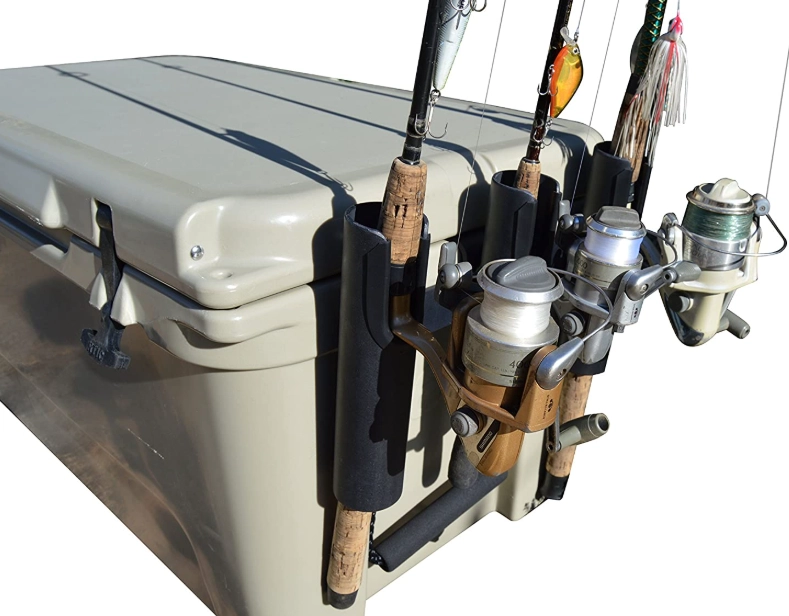
Your Quick Guide to Smarter Fishing
- What Exactly Is a Fishing Cooler with Rod Holders?
- The Real Reasons You Need One (Beyond the Obvious)
- Key Features You Can't Compromise On
- How to Choose Your Perfect Model: A Buyer's Framework
- Top Models Compared: From Budget to Beast Mode
- Pro Setup & Usage Tips Most Guides Miss
- 3 Common Mistakes to Avoid Immediately
- Your Burning Questions Answered (FAQ)
What Exactly Is a Fishing Cooler with Rod Holders?
It’s exactly what it sounds like, but smarter. At its core, it’s a high-performance insulated cooler—think brands like Yeti, RTIC, or Engel—that has been engineered with built-in, recessed tubes or slots designed to securely hold your fishing rods. This isn't a DIY bungee cord job. The integration is the key. The rod holders are part of the cooler's structure, often molded into the lid or the sides, keeping your valuable rods safe, upright, and ready to grab while your catch stays icy in the compartment below.
The Real Reasons You Need One (Beyond the Obvious)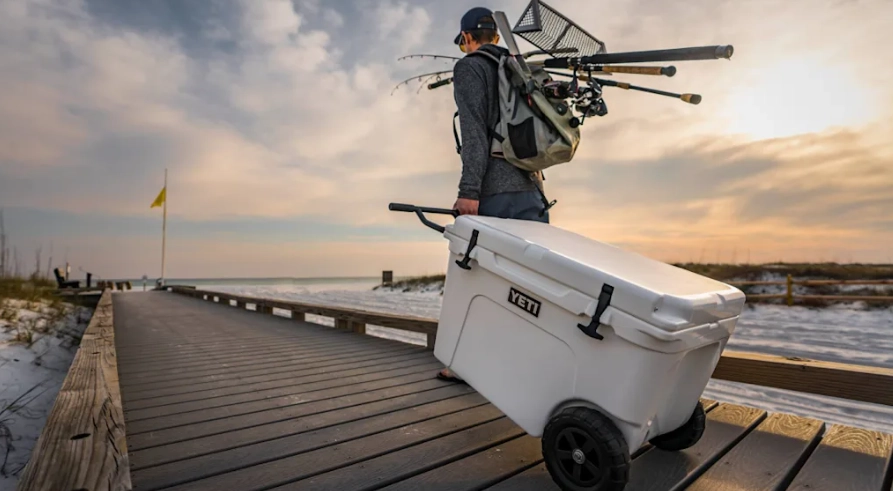
Sure, keeping rods and fish together is convenient. But the benefits run deeper, especially if you're into kayak fishing, pier fishing, or wade fishing from shore.
Space is Everything
On a kayak or a small boat, floor space is gold. Combining two essential pieces of gear into one footprint is a massive win. It clears up room for your tackle box, net, and feet.
Fish Preservation is Non-Negotiable
A cheap styrofoam box won't keep fish cold for a full day in the sun. A rotomolded cooler with thick insulation will. The American Sportfishing Association emphasizes proper fish handling for both quality and conservation. Icing your catch immediately in a quality cooler is the first step.
You also drastically reduce gear loss. A rod leaning against a tree can fall over, get stepped on, or even slide into the water. Secured in a dedicated holder, it’s safe. Finally, it speeds up your response. See a fish surface? Your rod is right there, not buried under a pile of gear.
Key Features You Can't Compromise On
Not all rod holder coolers are created equal. Here’s what separates the good from the forgettable.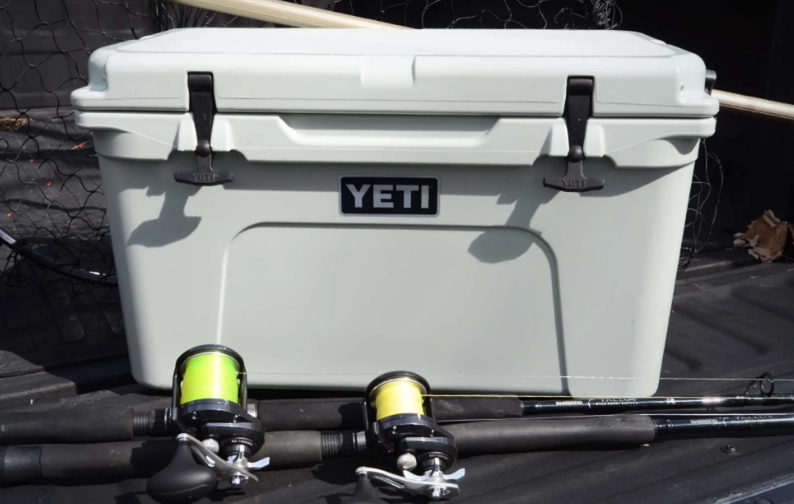
1. Insulation & Ice Retention
This is the "cooler" part of the equation. Look for rotomolded construction (a single, seamless piece of plastic) and polyurethane foam insulation. Brands will advertise ice retention for 3, 5, or even 7+ days. For a fishing trip, aim for at least 3-day claims. The lid seal is critical—a rubber gasket is a must.
2. Rod Holder Design & Capacity
This is where most people get it wrong. The holders should be recessed, not surface-mounted clamps that snag on everything. Are they angled? Angled holders (often around 15-30 degrees) are better for stability, especially on moving water. How many? Most have 2-4. Think about how many rods you actively use. Also, check the internal diameter. Will it fit the butt of your heaviest offshore rod or just your ultralight trout rod?
3. Build & Durability
It’s going to get wet, sandy, bumped, and sit in the sun. UV-resistant materials, stainless steel hinges and latches, and non-slip feet aren’t luxuries—they’re requirements. The handles need to be comfortable for carrying when the cooler is fully loaded (which can be 50+ lbs).
4. The Extras That Matter
Drain Plug: A large, easy-to-open plug for dumping meltwater is crucial.
Tie-Down Points: Molded-in loops or recessed areas for straps to secure it to your kayak, ATV, or boat.
Dry Storage: Some lids have a small, gasketed compartment for keys, phone, or licenses. A game-changer if you’re worried about splashes.
Accessory Mounts: Some high-end models have threaded inserts for mounting rod holder extensions, fish finders, or cup holders.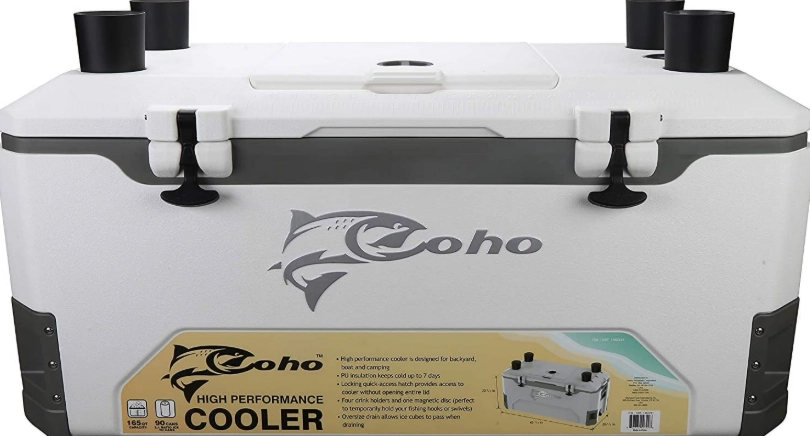
How to Choose Your Perfect Model: A Buyer's Framework
Don't just buy the first one you see. Match it to your primary style of fishing.
For Kayak Anglers: Size and weight are king. A 20-30 quart capacity is usually perfect. It holds a day's catch and a bag of ice without being a barge. Ensure it has solid tie-down points. Some are even shaped to fit between the seat and the hull of popular kayak models.
For Bank & Pier Fishers: You might prioritize capacity (40-60 quarts) for longer sessions and bigger catches. Look for sturdy, flat-bottomed designs that won't tip on uneven ground. A built-in seat pad on the lid is a fantastic bonus for long waits.
For Boat Owners: Durability against constant sun and saltwater is key. Larger capacities (60+ quarts) make sense for party fishing. Check that the rod holder placement doesn't interfere with your boat's gunwales or rails.
Budget Reality Check: A good rotomolded cooler with integrated rod holders starts around $200 and can go over $400. You're paying for the insulation tech and the specialized molding. A $50 version will likely have poor ice retention and flimsy holders.
Top Models Compared: From Budget to Beast Mode
Here’s a look at three models that represent different points on the spectrum. This isn't an exhaustive list, but it highlights the trade-offs.
| Model (Example) | Best For | Key Features | Capacity & Holders | Considerations |
|---|---|---|---|---|
| Bass Pro Shops Ascend™ Cooler | Budget-Conscious Kayak/Bank Fisher | Rotomolded, 3+ day ice claim, 4 integrated holders, non-slip feet. | 30 Quart, 4 Rod Holders | Great value entry point. Holders are functional but may feel less premium than higher-end brands. |
| Yeti Roadie® 24 with Rod Holder | The Brand Loyalist & All-Arounder | Legendary durability, BearFoot™ non-slip feet, T-Rex™ lid latches, optional rod holder accessory. | 24 Quart, 2 Rod Holders (via accessory) | You buy the cooler and the rod holder kit separately. More modular but also more expensive. Ice retention is top-tier. |
| Engel Live Bait Cooler with Rod Holders | Serious Angler Needing Versatility | Built-in aerator for live bait, 5-day ice retention, 4 recessed rod holders, padded seat lid. | 35 Quart, 4 Rod Holders | The live bait well is a huge advantage for certain styles. Makes it a true multi-function station. Pricier and heavier. |
Pro Setup & Usage Tips Most Guides Miss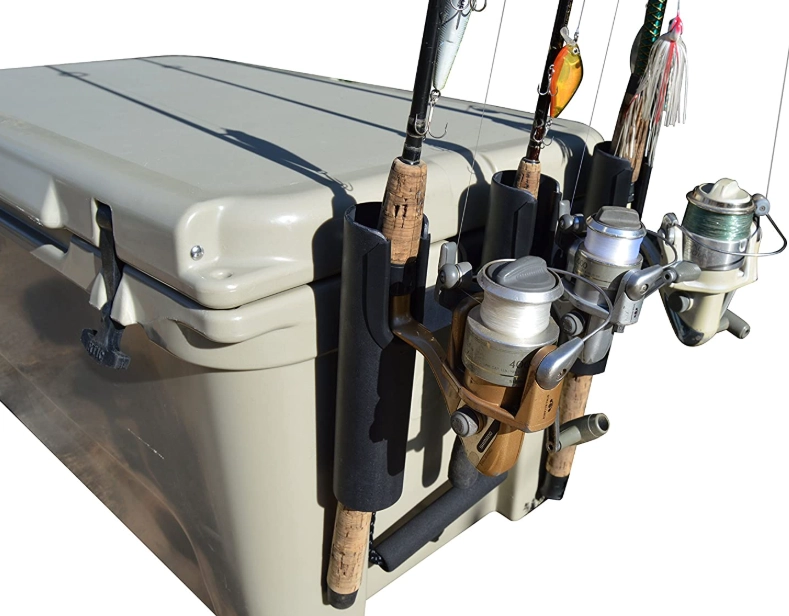
Owning it is one thing. Using it optimally is another.
Pre-Chill is Mandatory: The night before, dump a bag of ice in the empty cooler and close it. This cools the walls. Dump that ice in the morning and add fresh ice. Your retention time doubles.
Rod Placement Logic: Don't just jam rods in. Place the rods you're using most frequently in the most accessible holders. If you have a mix of spinning and casting rods, orient the reels so they don't bang into each other.
Secure the Cooler First: On a boat or kayak, strap the cooler down BEFORE putting rods in the holders. A shifting cooler can snap rod tips.
Use a Basket or Bag: Line the bottom with a reusable cooler liner bag or a simple plastic basket. When you're done, lift the basket out—fish slime, scale, and meltwater stay contained for easy cleaning.
3 Common Mistakes to Avoid Immediately
I’ve seen these too many times.
Overloading the Rod Holders: They’re for holding ready rods, not for storing your entire 8-rod arsenal. The weight and leverage can make the cooler top-heavy and prone to tipping, especially on a kayak.
Ignoring the Drain Plug: Leaving meltwater sloshing in the bottom dramatically reduces ice retention and makes your fish soggy. Crack the plug open slightly to let water drain continuously, or open it fully to empty periodically.
Using it as a Step Stool: The lid is strong, but it's not designed for a 200-pound person to jump on. You can warp the lid, break the seal, and void the warranty. Just don't.
Your Burning Questions Answered (FAQ)
You can, with aftermarket clamp-on or screw-in holders. But it's rarely as good. They add snag points, can damage your cooler's insulation if screwed in, and often lack the stability of a molded-in design. For a permanent, clean solution, the integrated cooler is superior.
Not always. This is a critical check. Most standard holders fit rods up to about 1.25 inches in diameter. If you're using heavy-duty offshore rods with large fighting butts, look for models that specifically advertise "large diameter" or "offshore" rod holders. Measure your rod butt before you buy.
They should, if the cooler is secured. The recessed tubes do a good job. For extra security in big waves, a simple Velcro strap or a stretch cord looped over the rods above the reel seat adds peace of mind. It's a cheap fix for a potentially expensive problem.
Rinse it with fresh water after every saltwater trip, inside and out. Pay attention to the rod holder tubes—sand and salt can accumulate there. Periodically check the lid gasket for debris and clean it with mild soap. For stains inside, a paste of baking soda and water works wonders. Avoid harsh chemicals that can degrade the plastic or seal.
At the end of the day, a fishing cooler with rod holders solves real problems. It’s about efficiency, preservation, and enjoying your time on the water more. It’s an investment, but for any angler who spends serious time fishing, it pays back in spades with less hassle and better results. Choose based on your needs, not just the brand name, and you’ll have a piece of gear that serves you for years.
Reader Comments