Let's be honest. A great fishing trip can be ruined by a lousy cooler. You spend all day on the water, finally land that trophy fish, only to find it's already starting to soften and lose its color by the time you get back to the dock. Or worse, your drinks are warm by noon. The right fishing cooler isn't just a box to carry stuff; it's a critical piece of gear that protects your investment in time, travel, and your hard-earned catch. I've seen too many anglers grab whatever cheap ice chest is on sale, only to regret it when their king salmon tastes "off" after a six-hour drive home.
This guide isn't about pushing the most expensive brand. It's about matching the right cooler to your specific fishing style, budget, and needs. We'll look beyond the marketing and dive into what actually matters on the water.
What's Inside This Guide
Why You Need a Dedicated Fishing Cooler (It's Not Just an Ice Box)
You might think any cooler will do. I did too, years ago. I used a basic, thin-walled cooler for a weekend bass tournament. Big mistake. The ice was gone by the second afternoon, and the bass I'd carefully kept felt slimy. That's when I learned the difference.
A true fishing cooler is built for a specific mission: preserving fish flesh at near-freezing temperatures for extended periods. Fish spoils quickly. Enzymes and bacteria start breaking it down immediately after death. The goal is to lower the core temperature to about 32-34°F (0-1°C) and keep it there. A standard picnic cooler might keep drinks cold for a day, but its insulation often can't handle the thermal load of a 20-pound block of fish and meltwater.
Durability is another factor. Fishing coolers get dragged across boat decks, used as seats, banged against docks, and sit in the sun for hours. They need tough latches that won't pop open, hinges that can take saltwater corrosion, and shells that won't crack if you drop them.
How to Choose the Best Fishing Cooler: A 5-Point Checklist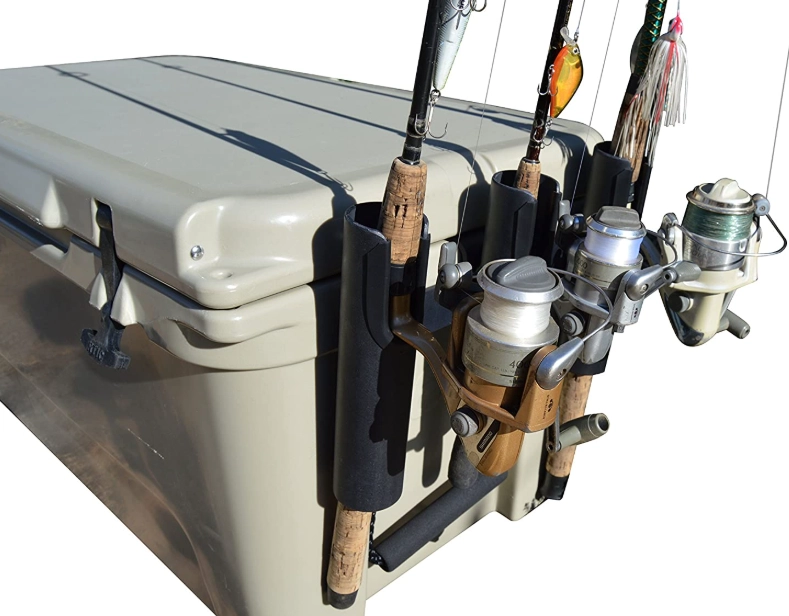
Forget just looking at the price tag or the brand logo. Here’s what you should evaluate, in order of importance for most anglers.
1. Size and Capacity: Think Beyond Quarts
Manufacturers love to tout quart capacity (e.g., 65 qt, 125 qt). That number is almost useless on its own. A 65-quart cooler packed with fish fillets holds a lot less than one packed with whole, round fish like striped bass or salmon. More important is the internal dimensions.
Ask yourself: What's the biggest fish I realistically hope to catch? Will I be storing them whole or as fillets? For a weekend inshore trip for speckled trout and redfish (filleted), a 45-65 qt cooler is plenty. For a multi-day offshore tuna trip where you might bring back several large fish whole, you're looking at 120+ quarts. A good rule of thumb: always get one size larger than you think you need. Extra space allows for better ice packing.
2. Insulation Performance: The Ice Retention Test
This is the heart of the matter. Ice retention claims ("Holds ice for 10 days!") are usually based on lab tests with the cooler kept in a shaded, 70°F room, pre-chilled, and perfectly packed with block ice. Real-world performance is different.
Look for two things: Insulation thickness and foam density. High-end rotomolded coolers like Yeti and RTIC use 2+ inches of polyurethane foam. Cheaper coolers might have 1 inch or less of a less efficient material. Density matters because it reduces air pockets where heat can transfer.
A non-consensus point here: The lid is the weakest link. Most heat enters through the lid. Many cheaper coolers have thin lid insulation. Press on the lid of a premium cooler and a budget one. The difference in solidity is obvious. A poorly insulated lid will melt your ice from the top down, fast.
3. Construction and Durability
There are two main types:
- Rotomolded: Made from a single piece of polyethylene melted in a rotating mold. Seamless, incredibly tough, and has the best insulation. This is the gold standard for serious anglers. They're also heavy and expensive.
- Injection Molded: Plastic is injected into a mold. Lighter and more affordable, but the walls are often thinner, and the seams (where the two halves join) can be a potential failure point for leaks or cracks.
Check the latches (stainless steel is best), the hinges (will they rust?), and the rubber gasket around the lid. Is it thick and pliable, creating a solid seal?
4. Fish-Specific Features
This is where a fishing cooler separates itself.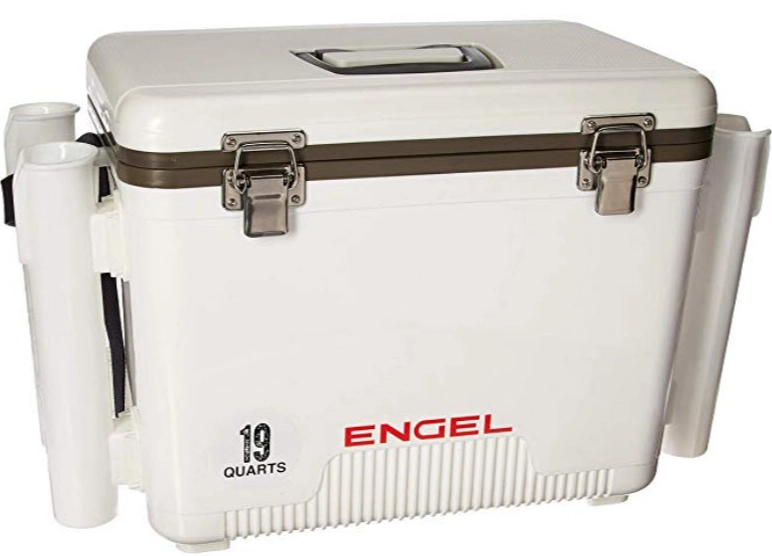
- Drainage: A large, easy-open drain plug is mandatory. You'll be draining bloody water constantly. The best plugs are oversized and have a tethered cap so you don't lose it overboard.
- Interior: A smooth, non-porous interior is easier to clean and sanitize. Some have molded-in fish rulers or bottle openers.
- Tie-Down Points: Robust handles or recessed areas for ropes to secure the cooler on a rocking boat.
- Non-Slip Feet: Keeps it from sliding on a wet deck.
5. Portability and Extras
A 150-quart cooler full of fish and ice can weigh over 300 pounds. How will you move it? Heavy-duty rope handles are standard, but consider if you need recessed areas for aftermarket wheels or a shoulder strap. Some anglers prioritize a flat, non-textured lid they can use as a cutting board.
Top Fishing Cooler Picks for Different Anglers
Based on years of use and watching what holds up on guide boats and tournament circuits, here are my recommendations. This table cuts through the specs to what matters for fishing.
| Cooler Model | Best For | Key Fishing Feature | The Trade-Off |
|---|---|---|---|
| Yeti Tundra 65 | The angler who wants proven, no-compromise performance and doesn't mind the price. | Legendary ice retention, bomb-proof construction, excellent drain system. | It's heavy (31 lbs empty) and the price is steep. The brand tax is real. |
| RTIC 65 | The value-conscious angler who wants rotomolded performance at a lower cost. | Performance very close to Yeti at a significant discount. Solid all-around features. | Latches and gaskets can feel a step down in refinement. Fewer color options. |
| Engel HD30 | Kayak anglers, bank fishermen, or anyone who needs to carry their cooler a long way. | Lightweight for its class, excellent shoulder strap system, great seal. | Smaller capacity. The lighter weight comes from slightly thinner walls. |
| Igloo BMX 52 | The weekend warrior on a tight budget who still needs reliable performance. | Surprisingly good ice retention for the price, robust latch, decent drain. | Injection-molded, so not as tough as rotomolded. Lid insulation is its weak spot. |
| ORCA 58 | The angler who prefers American-made gear and likes alternative brands. | Made in the USA, lifetime warranty, includes a dry basket for organizing gear. | Can be harder to find in local stores. Slightly bulkier design. |
My personal go-to for multi-day boat trips is an RTIC 120. It fits whole West Coast salmon and Pacific halibut perfectly, and the savings over a comparable Yeti bought more terminal tackle. For my solo kayak trips, the Engel HD30 is a game-changer because I can actually carry it comfortably.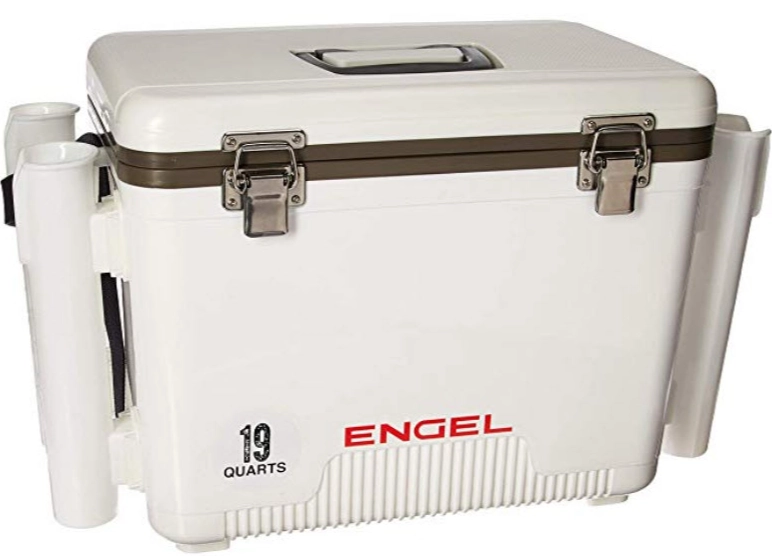
Pro Tips for Maximum Ice Life and Fish Quality
Buying a great cooler is only half the battle. How you use it is the other half.
Pre-Chill, Always. This is the single most overlooked step. The day before your trip, put a bag of ice or a few frozen water bottles in the empty cooler and close it. You're cooling down the insulation itself, so it's not sucking heat out of your first load of ice and fish.
Use Block Ice or Frozen Jugs. Block ice melts significantly slower than cubed ice. Freeze milk jugs or 2-liter bottles of water. They last for days and provide clean drinking water as they melt.
The Layering Method for Fish: 1. Start with a 2-3 inch base of ice. 2. Place your cleaned, gutted, or filleted fish in a single layer. 3. Cover completely with more ice. 4. Repeat layers like lasagna. Never just dump fish on top of ice. Every piece should be surrounded.
Keep it Closed. It sounds simple, but every time you open the lid, you're letting in a blast of warm, humid air. Organize your drinks in a separate, smaller cooler if you can. A fishing cooler should be for fish first.
Drain the Water, but Not All the Time. Water from melted ice is actually colder than 32°F (it's a mixture of ice and water in equilibrium). This cold water helps chill your catch. Don't drain it constantly. Only drain excess water when you need to add more ice, and then immediately replace it.
Your Fishing Cooler Questions Answered
 Can I use dry ice in my fishing cooler?
Choosing the best fishing cooler comes down to matching its capabilities to your specific fishing reality. It's not about buying the most expensive one, but the one that will reliably keep your fish at a perfect, icy temperature from the moment it hits the box until you're ready to cook it. Invest in the right box, pack it smartly, and you'll taste the difference in every bite.
Reader Comments