Let's cut to the chase. Your fishing cooler isn't just a box to hold fish. It's the single most important piece of gear for determining whether your hard-earned catch becomes a delicious meal or a smelly, wasted mess. I learned this the hard way on my first offshore trip, watching a beautiful mahi-mahi turn mushy in a cheap cooler by noon. That failure cost me dinner and taught me a critical lesson. Choosing the right fishing cooler directly impacts fish quality, your time on the water, and even your compliance with fishing regulations in some areas. Forget the generic coolers you use for sodas. We're talking about specialized equipment designed for a specific, demanding job.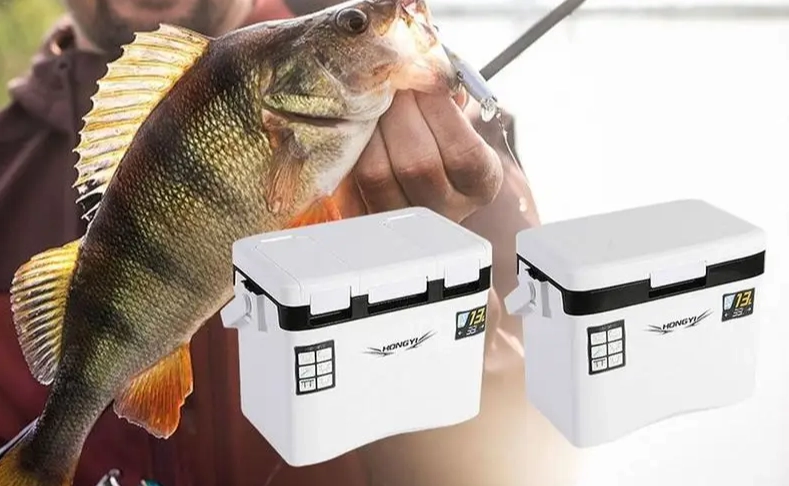
What's Inside This Guide?
Why Your Fishing Cooler Matters More Than You Think
Think of it as your fish's life support system from the moment it hits the deck. Temperature control is everything. Fish spoils rapidly in warm conditions due to bacterial growth and enzyme activity. A high-quality fishing cooler does three things exceptionally well: it maintains a near-freezing temperature for extended periods, it's durable enough to handle sharp fins, hooks, and being dragged across boat decks, and it's designed for easy cleaning to prevent cross-contamination and odors that never leave.
Many anglers, especially beginners, make the mistake of prioritizing upfront cost. They grab a $30 cooler from a big-box store. It seems fine until you're six hours into a summer fishing trip and your ice is water, your fish is warm, and you have to cut the day short. That "savings" just cost you a full day of fishing and your catch. The investment in a proper fishing cooler pays for itself in saved trips, better-tasting fish, and frankly, less guilt about waste.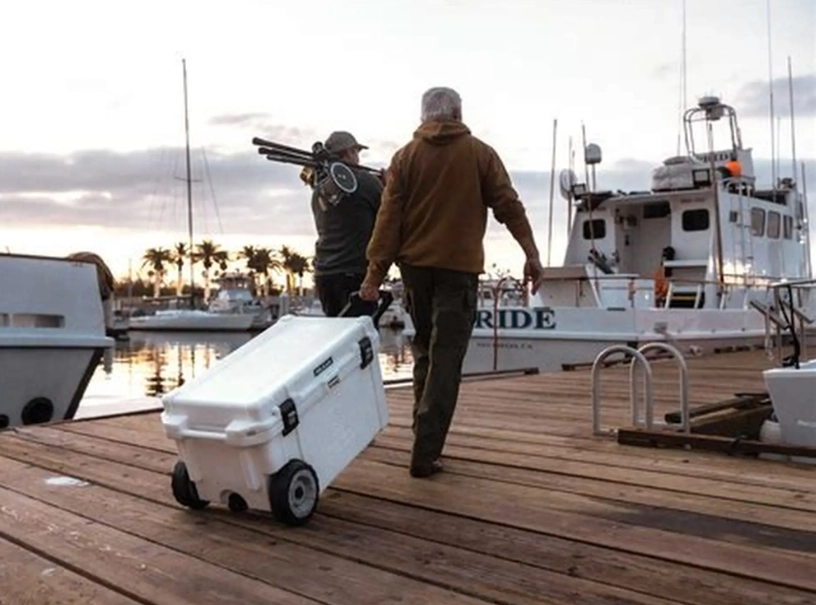
Types of Fishing Coolers: A Side-by-Side Look
Not all coolers are created equal. The technology and materials differ wildly, and so does performance. Here’s a breakdown of the main players in the fishing cooler game.
| Type | Best For | Key Features | Ice Retention (Est.) | Price Range |
|---|---|---|---|---|
| Soft-Sided Cooler | Kayak fishing, bank fishing, space-limited boats, short trips (half-day). | Lightweight, flexible, often backpack straps. Easy to store. Insulation is usually foam. | 12-24 hours | $40 - $150 |
| Hard-Sided Polymer Cooler | Weekend anglers, family fishing trips, general use. The "standard" cooler. | Widely available, many sizes. Often have cup holders and drain plugs. Durability varies. | 2-5 days | |
| Rotomolded Cooler (The Heavy-Duty Option) | Serious offshore trips, multi-day expeditions, guides, anyone needing max performance. | Extremely durable (bear-resistant ratings), superior insulation, thick walls, non-slip feet, heavy-duty latches and hinges. | 5-10+ days | $200 - $600+ |
The rotomolded cooler is the industry hotspot for a reason. The process creates a single, seamless piece of plastic with foam injected inside, eliminating weak points. Brands like Yeti, RTIC, and Orca have popularized this category. But here's my non-consensus take: you don't always need the most expensive one. For 90% of freshwater anglers and even most coastal bay fishermen, a high-quality hard-sided polymer cooler from a brand like Igloo or Coleman, used correctly, is perfectly sufficient. The rotomolded coolers shine in extreme heat or on multi-day tuna trips where ice is gold. I own an RTIC 65 (a more affordable rotomolded option) for my long trips, but my trusty old Igloo holds up just fine for a day on the lake.
How to Choose the Right Fishing Cooler for Your Needs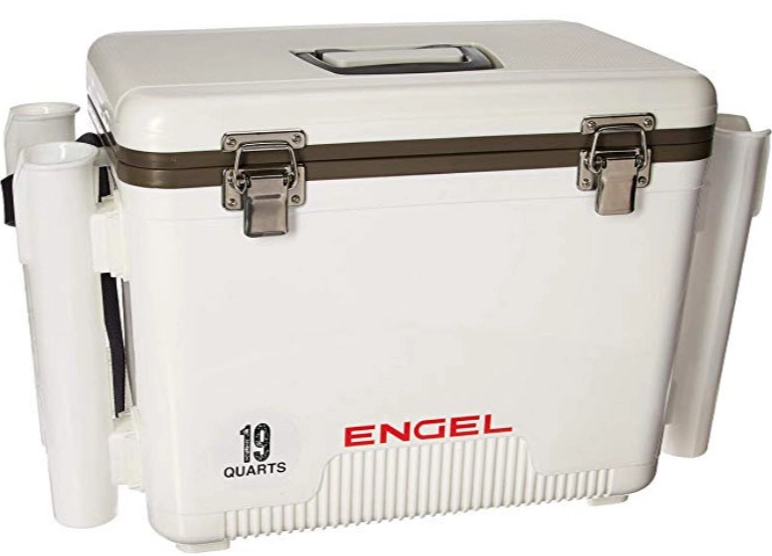
Throwing darts at a list of "best" coolers won't help. You need to match the cooler to your specific fishing style. Ask yourself these questions.
Where and how long do you fish most often? A kayak angler needs a soft-sided cooler that straps down. A pier fisherman might prioritize a wheeled model. An offshore guy needs maximum ice retention.
What's your typical catch volume and size? Don't just get a 20-quart cooler because it's cheap if you regularly catch a limit of stripers. A packed cooler retains cold better than a half-empty one, but you need room for both fish and ice. A common rule is to plan for 2/3 ice, 1/3 fish and drinks.
How do you transport it? Weight matters. A full 100-quart rotomolded cooler can weigh over 150 pounds. Do you have a cart? Can you lift it into your truck alone? This is a huge practical consideration many reviews gloss over.
What features are non-negotiable?
A secure, easy-to-open drain plug is critical for draining meltwater without letting cold air out. The cheap rubber ones pop out; look for a screw-in or locking style.
Latches and hinges should feel robust. Flimsy latches break when the cooler is swollen shut from internal pressure (a real thing on hot days).
Non-slip feet prevent the cooler from sliding on a wet boat deck—a major safety issue.
A smooth, non-porous interior is easier to scrub clean of fish slime and blood. Textured interiors can trap odors.
Pro Tips for Maximum Ice Retention and Fish Freshness
You can have the best cooler in the world and ruin its performance with bad habits. Here's what I've learned over years of trial and error.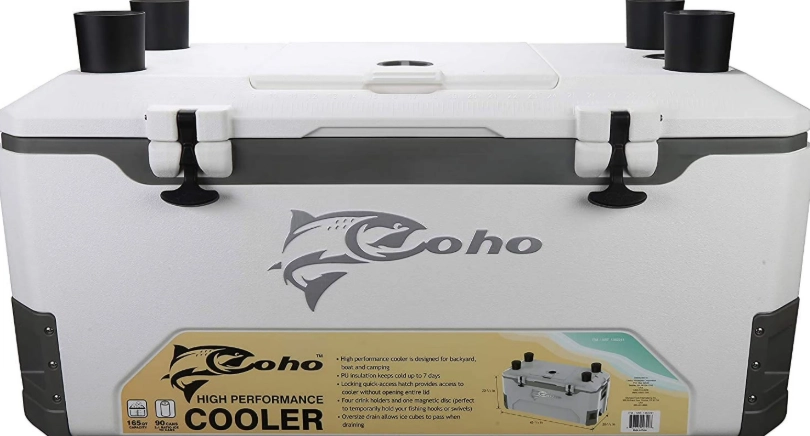
The Pre-Cool Ritual
This is the single most overlooked step. Never put warm drinks or room-temperature fish into a warm cooler. The cooler's walls act as a heat sink. The night before your trip, dump a bag of ice into it and close it. In the morning, drain the water (which has absorbed the heat from the walls) and add your fresh ice. Your cooler now starts cold, and your ice works on cooling the contents, not the container itself. This simple trick can add a full day of ice life.
Ice Management: Use block ice or frozen plastic water bottles for the foundation. They melt much slower than cubed ice. Then, use cubed or crushed ice to fill the gaps and surround your fish and drinks. The block ice acts as a long-term cold battery.
Fish Preparation: Bleed and gut your fish immediately if regulations and your plans allow. A gutted fish cools from the inside much faster. Rinse it in clean, cold water to remove blood and slime before putting it in the cooler. I layer fish with ice, creating a "fish-ice sandwich." Some guys use separate, heavy-duty zip-top bags for their catch to keep meltwater from directly contacting the flesh, which can sometimes affect texture (a debated point, but it works for me).
The Drain Plug Debate: Conventional wisdom says keep the drain plug closed to keep cold air in. I disagree in many fishing scenarios. Water is a better thermal conductor than air. A cooler full of ice water at 32°F is more effective at chilling contents than a cooler with air pockets. I often leave the plug open but elevated on the boat, so the cooler is full of icy slush. The key is to ensure the fish are submerged in or packed with that slush. Just be mindful of where the meltwater drains on your boat.
Avoid This Mistake: Don't constantly open the cooler to grab a soda. Every opening blasts the interior with warm, humid air. Designate a small, separate soft cooler for drinks you access frequently. Keep the fish cooler sealed shut until you need to store your catch.
Your Fishing Cooler Questions, Answered
 How do I get the fish smell out of my cooler after a trip?
Your fishing cooler is an investment in your success and enjoyment on the water. It's not glamorous, but it's foundational. By matching the tool to the job and using it wisely, you ensure that every fish you keep makes it home in perfect condition. That’s what turns a good day of fishing into a great one.
Reader Comments