Small Fishing Cooler Guide: Keep Your Catch Fresh All Day
Struggling to keep your fish fresh on long fishing trips? Our small fishing cooler guide compares hard vs. soft sides, key features, and top picks to preserve your catch and drinks.
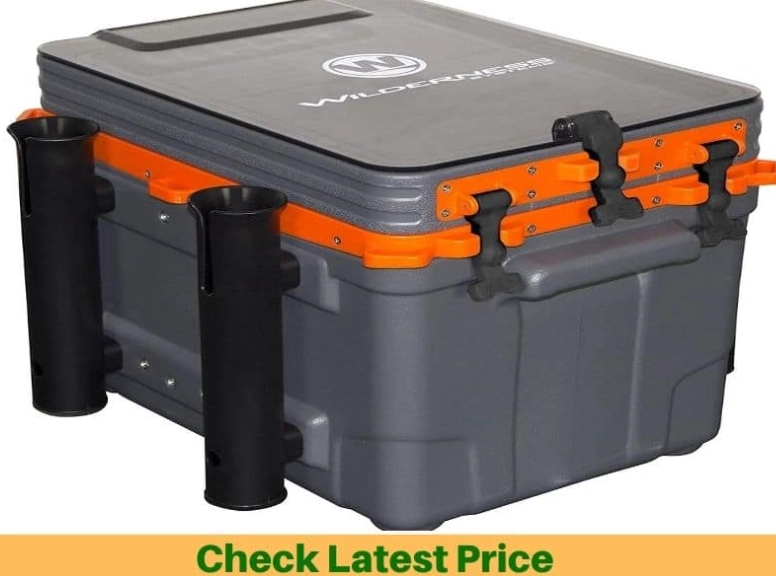
You’re packing for a dawn patrol kayak fishing trip. Rods, tackle, life jacket, snacks, water. Then you remember the goal: to bring home dinner. That’s where your small fishing cooler becomes the most critical piece of gear, not an afterthought. A good one keeps your catch firm and fresh, your drinks cold, and your lunch from turning into a soggy mess. A bad one? Let’s just say I’ve had a soft-sided cooler leak fish juice all over my car trunk. Never again. This guide cuts through the marketing. We’ll look at what actually matters in a portable fishing cooler, compare the main types, and I’ll share some hard-learned tips on using them effectively. Whether you’re bank fishing, wading a river, or squeezing gear onto a small boat, the right cooler makes the difference between a great story and a wasted catch. This is the first and biggest decision. It’s not about which is "better," but which is better for your style of fishing. Think rotomolded giants like Yeti, but in a 20-30 quart size. These are the tanks of the cooler world. Their thick, insulated walls lock in cold for days, not hours. I’ve kept ice for over 48 hours in a quality hard-sided 25-quart model on a boat in summer. The downside is weight and bulk. Even empty, they’re heavy. A 25-quart hard cooler can weigh 15-20 pounds before you add a single can. Perfect for a boat, a truck bed, or a spot on the bank you don’t plan to move from. They’re also virtually indestructible against fish spines, crab claws, and being used as a seat. These are essentially high-performance lunch bags on steroids. Made with flexible, insulated fabric, they’re light and collapsible. You can strap one to a kayak, sling it over your shoulder while wading, or stuff it in a backpack. This is their superpower: portability. The compromise is insulation and durability. Most will keep ice for 12-24 hours in mild conditions, less in brutal heat. They can be punctured, and the zippers aren’t always fish-proof. I learned this the hard way when a bluefish spine poked a tiny hole in mine, leading to a slow, smelly leak. My rule of thumb: If I’m going out for more than a full day or my primary goal is preserving a valuable catch, I take the hard cooler. For a quick after-work trip on the kayak or a long hike to a remote pond, the soft cooler is my go-to. Beyond the hard vs. soft debate, these details separate a decent cooler from a great fishing partner. This is non-negotiable for a fishing cooler. You need to drain melted ice water and, let’s be honest, fish slime and blood. A good drain plug is large, easy to open and close with one hand (often while the cooler is heavy), and has a threaded or secure closure to prevent leaks. The cheap, push-in rubber plugs often fail. Look for a sturdy, screw-in style. Pro tip: Always open the drain plug before you lift a full cooler to empty it. The water weight can surprise you. Cold air escapes every time you open the lid. A tight-sealing gasket (that rubber lining) is crucial for ice retention. For hard coolers, a freezer-style gasket is best. For soft coolers, look for a robust, overlapping zipper flap. Also, consider how the lid opens. A full-length hinge is great for access but can get in the way on a small boat. A removable lid can be lost overboard. I prefer a lid that stays attached but swings fully out of the way. A 30-quart cooler sounds perfect until you realize it’s too tall to fit under your kayak seat or too wide for your boat’s floor space. Pay attention to external dimensions. A longer, lower profile is often more useful on a small craft than a tall, square one. Also, think about what you’ll put in it. Need to fit a 28-inch striped bass? Make sure the interior length accommodates it. Will it stay put? Hard coolers should have strong, recessed tie-down points or a molded channel for a rope. Soft coolers need robust handles and often D-rings for carabiners. On a moving kayak or boat, an unsecured cooler is a hazard. I’ve seen more than one lunch float away. A smooth, non-porous interior is a game-changer. It wipes clean with a sponge, doesn’t absorb fish odors, and resists staining. Some coolers have a textured "anti-skid" surface inside, which is great for keeping bottles from rolling but can be a nightmare to clean if fish blood gets in the grooves. Smooth is my preference for a dedicated fish cooler. Packing isn’t just throwing ice on top. A strategic approach can double your cooling time. Pre-Chill, Always. The night before, toss a bag of ice or a frozen water bottle in your empty cooler and close it. This cools the insulation itself, so it’s not sucking cold out of your fresh ice on trip day. Use Block Ice First. Block ice melts significantly slower than cubes. Freeze water in rectangular plastic containers. Place these at the bottom of the cooler. Your goal is to create a cold foundation. Layer Strategically. On top of the block ice, place your items that need to stay coldest longest—your sacrificial catch (the fish you’re keeping), then sealed water bottles, then your drinks and food. Finally, fill all the remaining air gaps with cubed or crushed ice. Air is the enemy; eliminate it. Keep it Closed. It sounds obvious, but every peek costs you. Organize your drinks and snacks so you can grab what you need quickly. Consider putting your lunch in a separate small container within the cooler so you don’t have to dig. For a fishing-specific tip: If you’re keeping fish, gut and gill them immediately, then get them on ice. Don’t just lay them on top. Bury them in the ice slurry. This rapid cooling, often called "icing down," is what preserves firm, sweet-flavored flesh versus soft, "fishy" meat. The University of Alaska Fairbanks Sea Grant program has excellent resources on the science of proper fish chilling that underscore this point. A little care goes a long way in preventing the dreaded permanent funk. After every fishing trip, empty all water and debris. Use a mild soap (dish soap works) and a soft brush or sponge to scrub the interior. Pay special attention to the drain plug area. For stubborn fish odors, a baking soda paste or a diluted vinegar solution works wonders. Rinse thoroughly. Dry it Completely. This is the most skipped step. Prop the lid open and let the cooler air dry completely in the sun before storing it. Trapped moisture leads to mildew, and that smell will never leave. For hard-sided coolers, check the gasket periodically for cracks or tears. A damaged gasket kills insulation. You can often order replacements from the manufacturer. For soft-sided coolers, be gentle with the zippers. Rinse sand and salt off them, as these abrasives cause premature wear.
What’s Inside This Guide
Hard-Sided vs. Soft-Sided: The Real-World Trade-Off
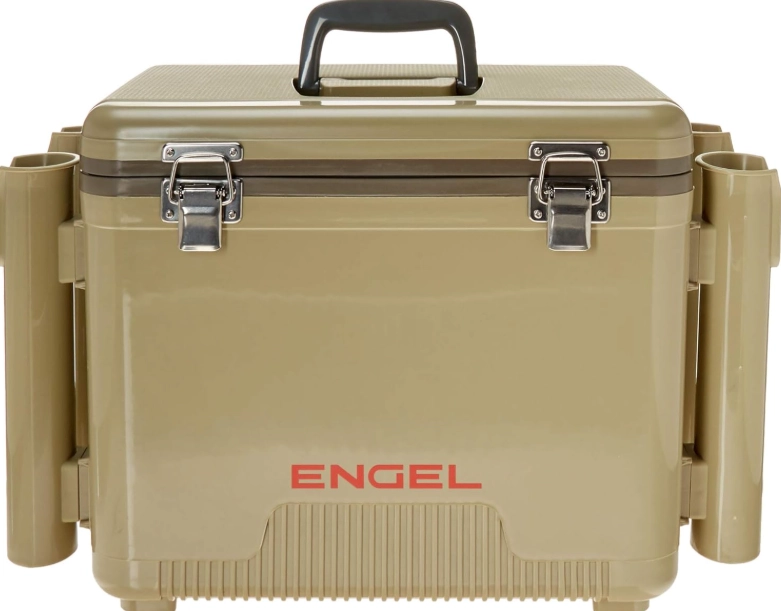
The Rugged, Ice-Holding Champion: Hard-Sided Coolers
The Lightweight, Packable Contender: Soft-Sided Coolers
Feature
Hard-Sided Cooler
Soft-Sided Cooler
Best For
Boat fishing, long trips, stationary bank fishing, preserving catch quality for hours.
Kayak fishing, hike-in spots, wading, kayak fishing, where space and weight are critical.
Ice Retention
Superior. 2-5+ days with quality ice/block.
Good. 12-36 hours typical.
Durability
Excellent. Resists punctures, can be sat on, handles rough use.
Good, but vulnerable to sharp objects. Zippers can fail.
Portability
Poor. Heavy and bulky, even empty.
Excellent. Lightweight, often has shoulder straps, packs flat.
Price Point
Higher. Quality rotomolded models are an investment.
More affordable. Wide range from budget to premium.
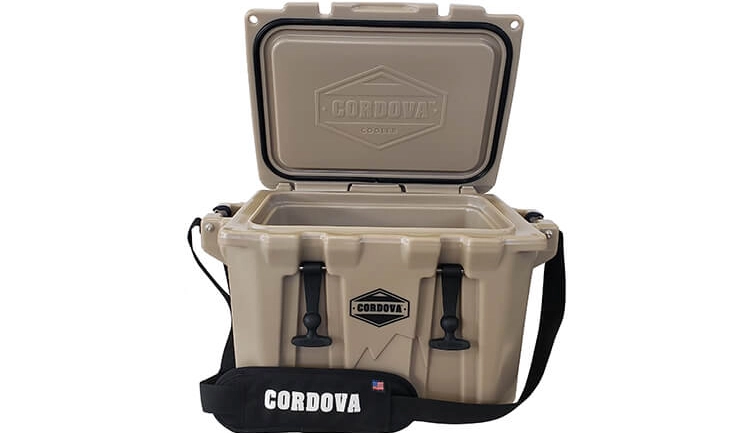
5 Key Features That Actually Matter on the Water
1. The Drain Plug: A Tiny Hole With a Massive Job
2. Lid Design and Gasket
3. Size and Shape (It’s Not Just Quarts)
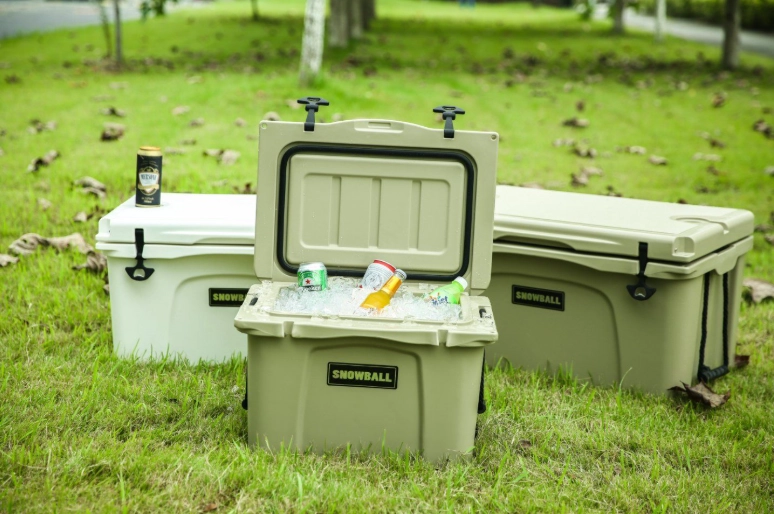
4. Attachment Points and Lashing
5. Interior Finish and Cleanability
How to Pack Your Small Fishing Cooler for Maximum Ice Life
Simple Maintenance to Make Your Cooler Last Years
Your Small Fishing Cooler Questions Answered
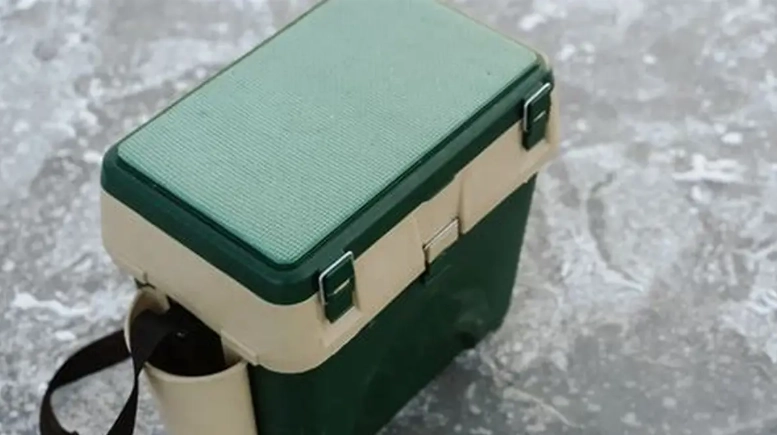 I fish from a kayak. Should I get a hard or soft cooler, and how do I secure it?