Five Types of Fish Scales: A Complete Guide to Identification & Function
What are the five main types of fish scales found on fish? This guide explains placoid, ganoid, cycloid, ctenoid, and cosmoid scales in detail, helping you identify fish and understand their evolution.
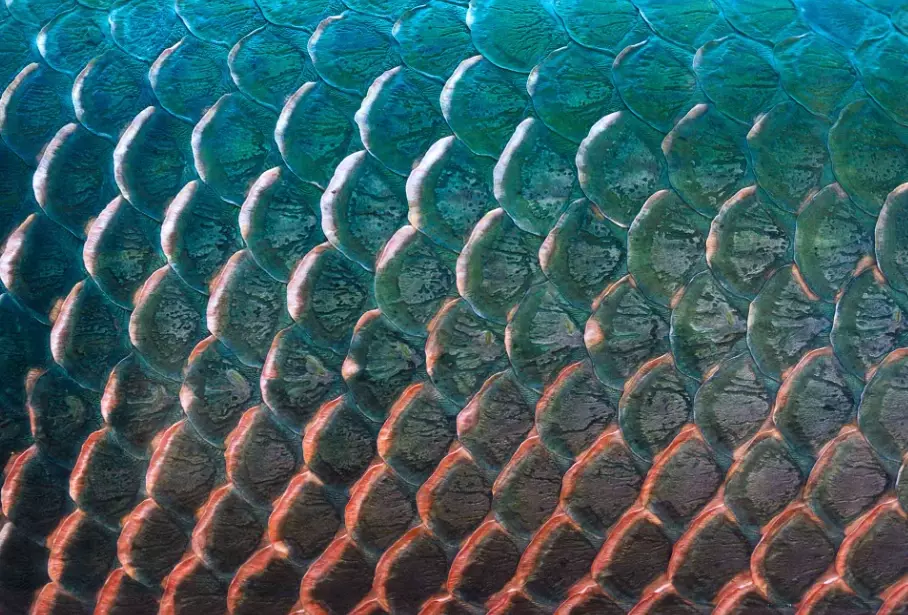
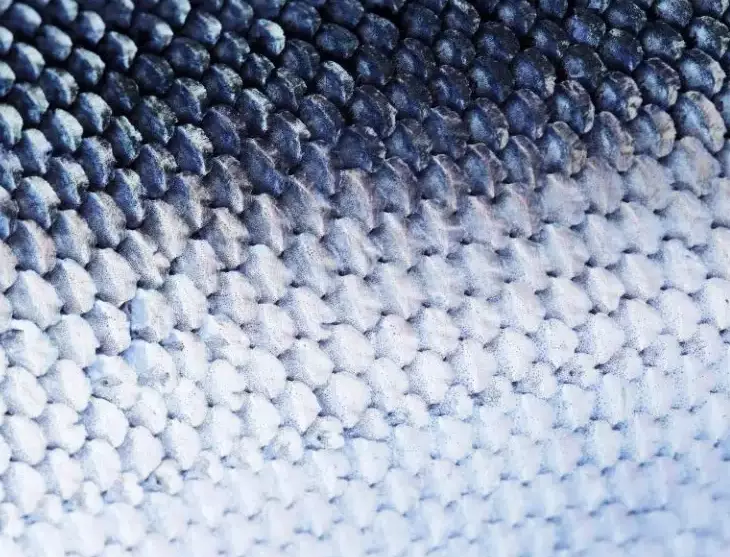
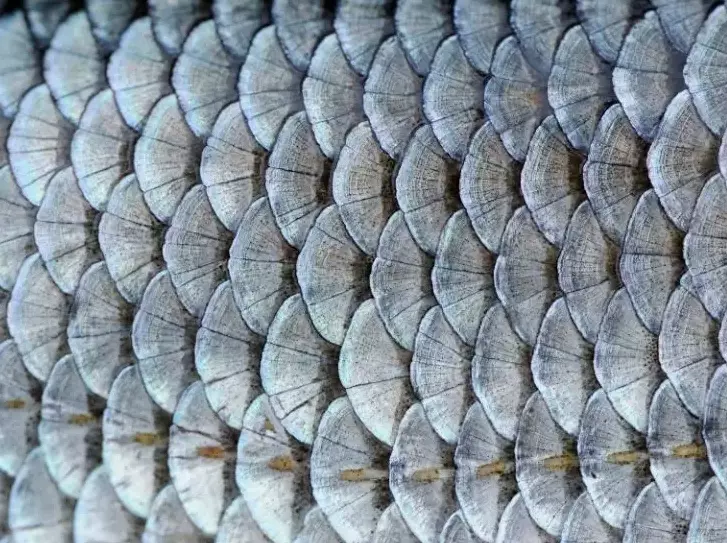
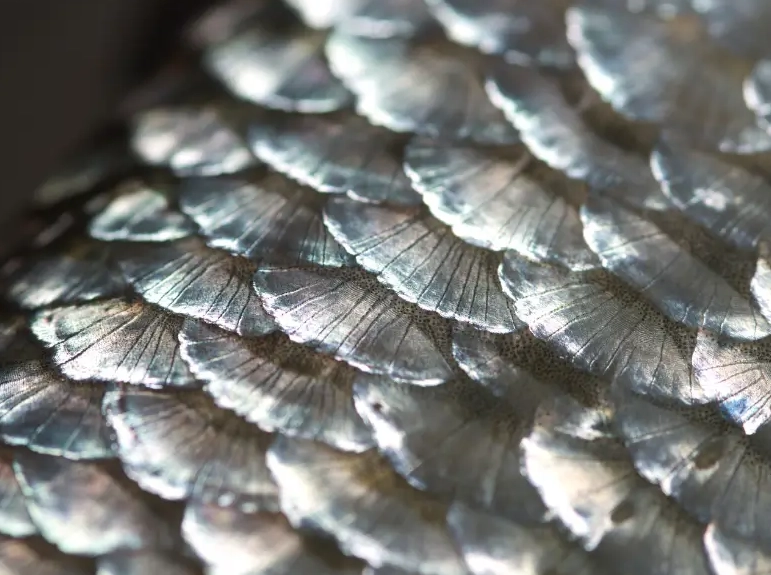
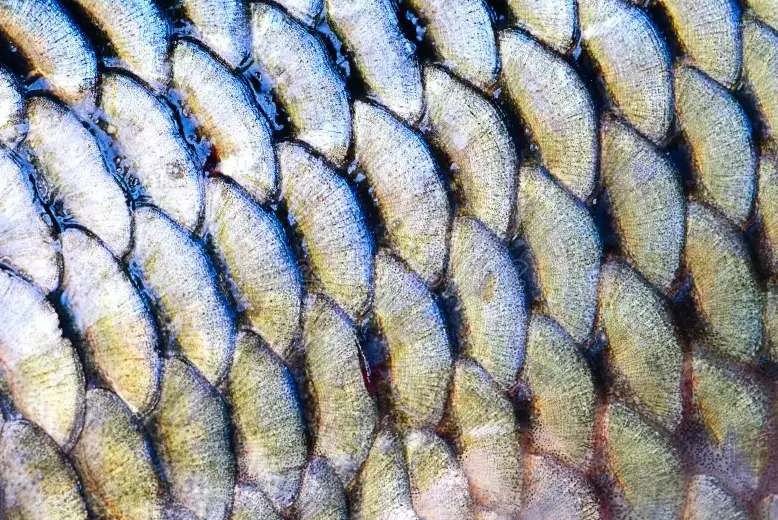
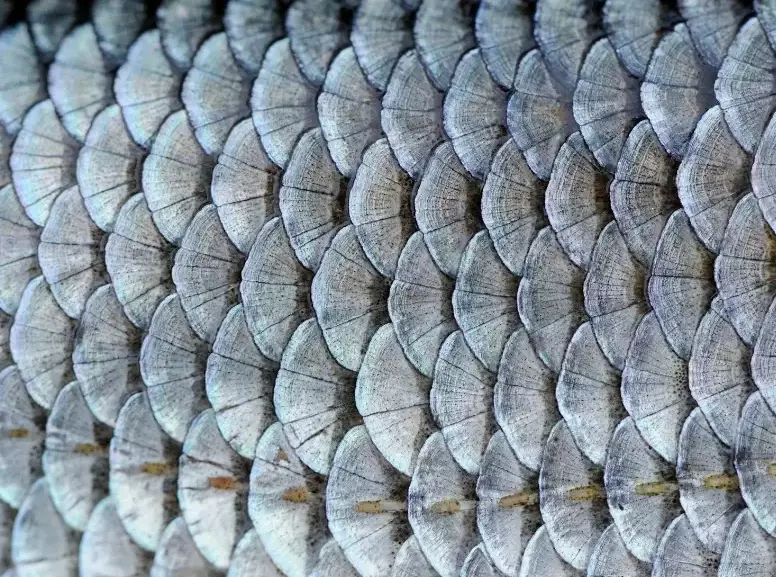
You look at a fish, and you see scales. But look closer. That shiny, slippery surface isn't just one thing. It's a story of evolution, adaptation, and survival written in tiny, overlapping plates. As someone who's spent years studying ichthyology and teaching fish identification, I can tell you that understanding the five main types of fish scales—placoid, ganoid, cycloid, ctenoid, and cosmoid—is like getting a decoder ring for the underwater world. It's not just academic; it helps anglers, aquarists, and biologists identify species, understand behavior, and even gauge a fish's health. Let's dive in and decode that scaly armor. Run your hand over a shark from head to tail—it feels smooth. Run it the other way, and it feels like coarse sandpaper. That's the magic of placoid scales, often called dermal denticles. They're not like the scales you peel off a trout. Each one is a tiny tooth, anchored in the skin with a pulp cavity, dentine layer, and an enamel-like coating called vitrodentine. I remember the first time I examined a shark skin sample under a microscope. The complexity was stunning. Each placoid scale has a spine that points backward, which is why that tail-to-head stroke is rough. This design isn't an accident. It drastically reduces drag as the shark swims, making them incredibly efficient. Some research, like that cited by the NOAA Fisheries, suggests this structure may also inhibit bacterial growth. Now, let's talk about the tanks of the fish world. Ganoid scales are thick, rhomboid-shaped (diamond-shaped), and interlocked like medieval plate armor. They're composed of a bony base layer, a middle layer of dentine, and a shiny, enamel-like top layer called ganoin. When you see a gar or a bowfin, that hard, glossy, almost ceramic-like surface is ganoid. These scales are nearly impenetrable. I've seen alligator gar with scars from boat propellers on their ganoid armor—the scales were scratched, but the fish was fine. This is a primitive scale type, a holdover from ancient ray-finned fishes. They offer incredible protection but are heavy and less flexible, which suits the ambush predatory style of gar perfectly. They don't need to be agile marathon swimmers; they need to be durable. This is where most of the fish in your local lake or on your dinner plate live. Over 90% of modern bony fish (teleosts) have either cycloid or ctenoid scales. They're thin, flexible, and overlap like shingles on a roof, allowing for full body movement. Cycloid scales are smooth-edged and circular. Think salmon, trout, carp, and herring. Their surface has concentric rings (circuli), similar to tree rings, which can actually be used to age the fish. They feel completely smooth in both directions. This scale type is common in fish that live in open water or softer-bottomed environments where a smooth surface is advantageous. Here's a common point of confusion I see. Ctenoid scales are almost identical to cycloid scales but with one critical difference: their posterior (rear) edge has tiny, comb-like teeth called ctenii. Fish like bass, perch, sunfish, and most reef fish have ctenoid scales. Run your finger from head to tail on a bluegill, and you'll feel that slight roughness. Why the teeth? The prevailing theory is that the ctenii help anchor the scale more securely in the skin, providing better protection without sacrificing flexibility. Some also suggest it may further reduce drag or deter parasites. In practice, the presence of ctenii is a key diagnostic feature for fish identification. If the scale feels rough tail-to-head, you're likely holding a perciform fish. You won't find cosmoid scales on any living fish today, except in a heavily modified form in modern lungfish and coelacanths. But they're crucial to the story. These were the scales of ancient, extinct lobe-finned fishes, the ancestors of all land vertebrates. They were incredibly thick and complex, with multiple layers: a surface layer of cosmine (a hard, enamel-like substance), a middle layer of spongy bone, and a base layer of dense bone. Studying fossilized cosmoid scales gives paleontologists clues about the transition from water to land. Their structure was a precursor to the bones in our own limbs and skulls. It's a humbling reminder that the scales on a modern fish are a simplified, streamlined version of this ancient, robust armor. This isn't just textbook knowledge. Here’s where it gets practical. For Anglers: Scale type helps with quick, in-the-field identification. You catch a silvery fish. Is it a trout (cycloid, smooth) or a white perch (ctenoid, rough)? That tactile clue, before you even see the full fin shape, narrows it down fast. It also informs handling. A fish with large, easily detached cycloid scales (like a shad) needs more care than one with tough ctenoid scales. For Aquarists: Understanding scale vulnerability is key. Fish like discus with delicate scales are more prone to infections from scratches. Knowing this, you'd avoid sharp décor in their tank. Conversely, a tank with large, aggressive cichlids with robust ctenoid scales can handle more rugged setups. A Common Mistake I See: People assume all "rough" scales are the same. They'll feel a perch and a shark and call them both "rough." But the roughness comes from entirely different structures—ctenii vs. placoid spines—telling two completely different evolutionary tales. Don't just feel; think about what that texture means. So, the next time you hold a fish, look past the slime. Feel its skin. That texture—smooth, rough, hard, or flexible—is a direct line to its ancestry, its lifestyle, and its place in the aquatic world. The five types of fish scales are more than just a classification; they're a functional map written on the skin of every fish.What You'll Discover
Placoid Scales: The Skin of Sharks and Rays
Ganoid Scales: The Diamond-Plated Armor
Cycloid and Ctenoid Scales: The Flexible Majority
Cycloid Scales: The Smooth Operators
Ctenoid Scales: The Comb-Toothed Edge
Scale Type
Key Features
Feeling to Touch
Common Fish Examples
Placoid
Tooth-like, spine points backward, enamel coating.
Rough tail-to-head, smooth head-to-tail.
Sharks, rays, skates.
Ganoid
Thick, diamond-shaped, interlocking, glossy ganoin layer.
Hard, rigid, smooth.
Gars, bowfin, bichirs.
Cycloid
Thin, circular, smooth posterior edge, growth rings.
Smooth in both directions.
Salmon, trout, carp, herring.
Ctenoid
Thin, circular, comb-like teeth (ctenii) on posterior edge.
Rough tail-to-head, smooth head-to-tail.
Bass, perch, snapper, most marine fish.
Cosmoid
Very thick, layered structure (cosmine, dentine, bone). Fossilized.
N/A (extinct fish).
Extinct lobe-finned fish (e.g., lungfish ancestors).
Cosmoid Scales: A Glimpse into Deep Time
Why Knowing Your Scales Matters: Practical Applications
Frequently Asked Questions About Fish Scales