Ultimate Guide to Titanium Fishing Pliers: Why They're Worth Every Penny
Tired of rusty, bulky fishing pliers that fail when you need them most? Discover why titanium fishing pliers are a game-changer for anglers, offering unmatched corrosion resistance, featherlight strength, and ultimate durability for both freshwater and saltwater adventures.
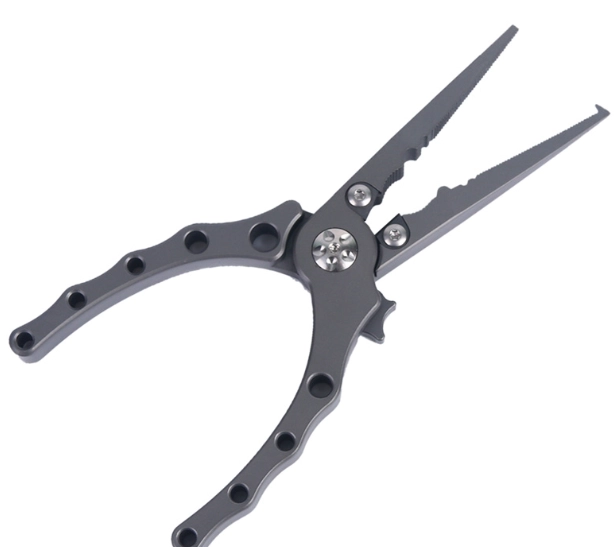
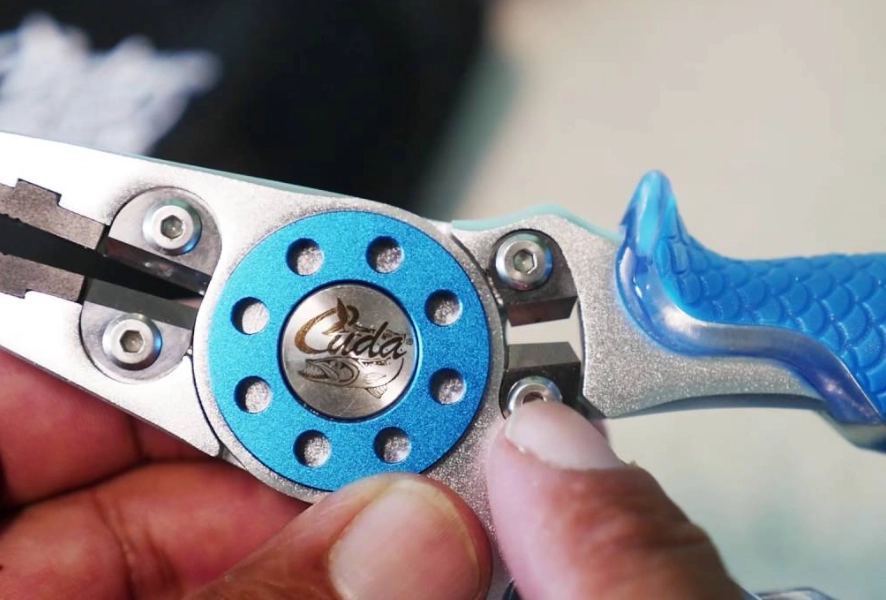
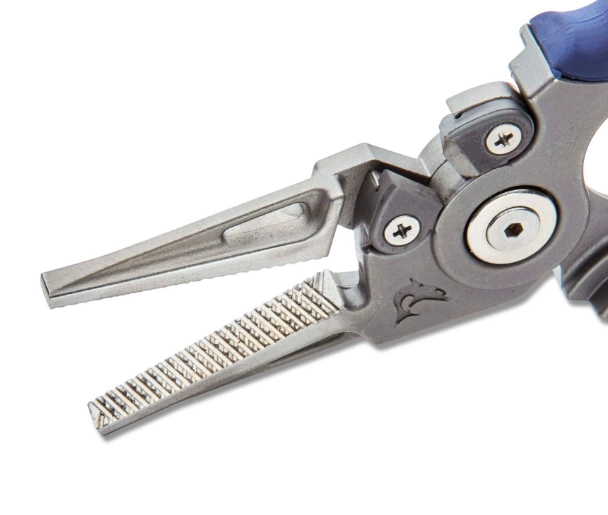
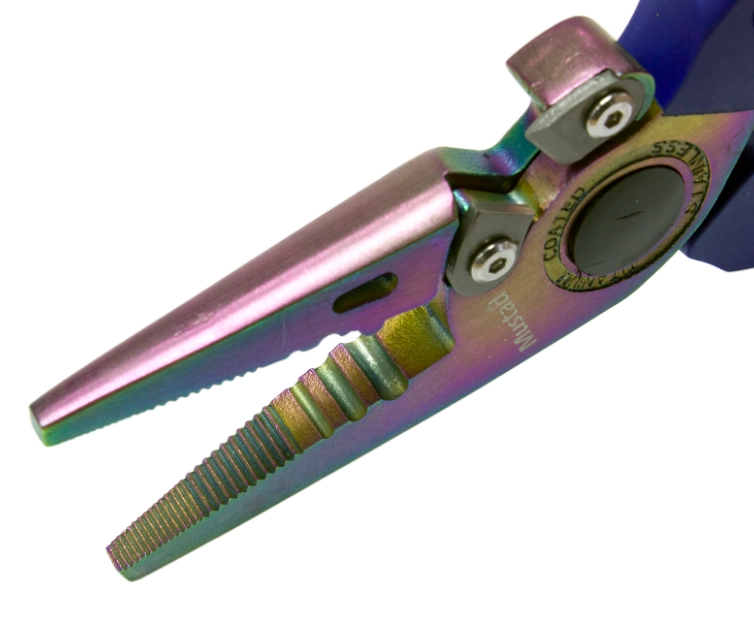
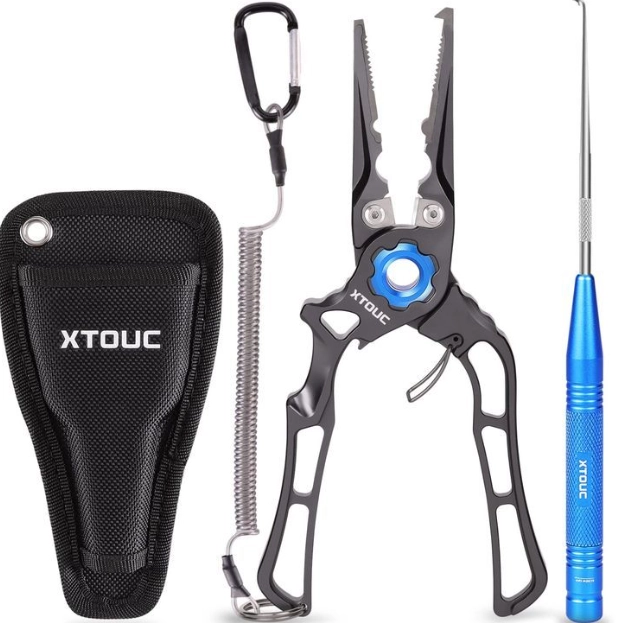
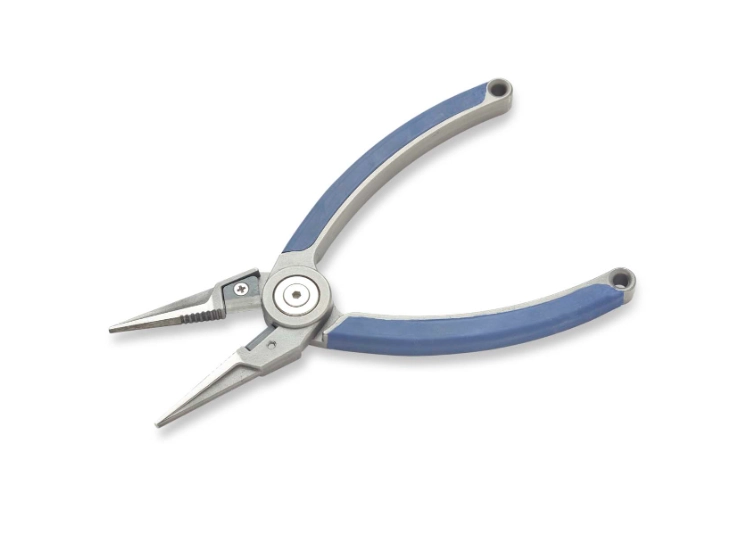
Let's be honest. For years, my fishing pliers were the most neglected tool in my box. A pair of bulky stainless steel ones that, despite the name, developed a lovely orange patina after a few saltwater trips. They were heavy, the cutters dulled quickly on braid, and the spring mechanism gave up the ghost last season. I replaced them with a titanium pair on a whim, mostly skeptical of the hype. Two years later, I'm convinced it's one of the smartest gear upgrades I've made. This isn't just about a fancy metal; it's about solving the fundamental problems anglers face with their most-used tool. You see "titanium" and think "expensive aerospace metal." For fishing pliers, that translates to three tangible benefits you feel every time you use them. The Rust-Proof Promise (It's Real): This is the biggest sell for saltwater anglers. Stainless steel can and does rust. Titanium forms an inert oxide layer that makes it virtually immune to saltwater corrosion. I've left mine wet in the boat well overnight more times than I care to admit. A quick rinse and they look new. The American Fishing Tackle Manufacturers Association notes corrosion is the primary failure point for standard fishing tools, which titanium directly addresses. Strength Without the Weight: Titanium has a strength-to-weight ratio that blows steel out of the water. My 7.5-inch titanium pliers weigh about 5 ounces. A comparable stainless steel pair? Nearly double that. When you're holding them for hours, pinching barbs, cutting line, and unhooking fish, that difference is massive. Your hands get less fatigued. The Durability Payoff: Titanium is tough. It resists deformation and the cutters, often made from hardened steel inserts, stay sharper longer. You're not just buying a tool for this season; you're investing in a tool for the next decade. Here’s a quick look at how they stack up against the old standards: A great titanium fishing pliers isn't just about the body metal. It's a system designed for the messy, multi-step reality of fishing. Let's break down what to look for in the design. Line Cutters: This is critical. You need separate cutters for braid (usually a small, sharp notch or carbide inserts) and mono/fluoro (a larger, scissor-like slot). Using the braid cutter on heavy mono will ruin it. A common mistake is buying pliers with only one type of cutter and then struggling. Jaw Design: Needle-nose jaws are standard for reaching into a fish's mouth. Look for serrated teeth for grip and a smooth section near the tip for pinching down barbs without completely crushing the hook eye. Some models have a split-ring opener built into the jaw tip – a tiny feature that saves massive frustration with tough lure rings. This is where cheap pliers fail. The handle should be comfortable, with a non-slip grip (often rubber or textured thermoplastic). The spring action should be strong and smooth, allowing easy one-handed operation. I've used some where the spring feels weak and mushy after a month; it makes the tool feel cheap instantly. Many come with a retractable lanyard. On a boat, this is a lifesaver. You can let them dangle without fear of losing them overboard. For kayak fishing, it's absolutely essential. Don't just buy the first pair you see. Think about your specific fishing style. A subtle point most reviews miss: check the pivot point. Is it a simple rivet or a secured bolt? A bolted pivot with a nut is more robust and can often be tightened if it ever loosens, extending the tool's life significantly. Even though they're low-maintenance, a tiny bit of care keeps them perfect. After every saltwater trip, I do this while hosing down the boat: Rinse under fresh water. Shake off excess. Open and close the jaws under the stream to flush out salt and sand from the pivot. Pat dry with a towel. That's it. No oils, no sprays. The only thing I might add once a season is a single drop of a light, non-gumming lubricant like Reel X or CorrosionX at the pivot point, then work it in and wipe off the excess. Storing them in a dry place, not at the bottom of a wet gear bag, is the final step.What's Inside This Guide
Why Titanium is a Game-Changer for Anglers
Feature
Titanium Pliers
Standard Stainless Steel Pliers
Aluminum Pliers
Corrosion Resistance
Exceptional. Essentially rust-proof.
Good, but will pit and stain over time in saltwater.
Good (anodized), but can corrode if coating chips.
Weight
Very Light (e.g., 5 oz for 7.5")
Heavy (e.g., 9+ oz for 7.5")
Lightest
Strength & Durability
Very High. Resists bending, durable jaws.
High, but joints can loosen, cutters dull.
Lower. Jaws can bend or break under high force.
Typical Cost
Higher initial investment ($60-$150+)
Low to Mid-range ($20-$60)
Mid-range ($40-$80)
Best For
Serious saltwater anglers, kayak anglers (weight), anyone wanting a "buy it for life" tool.
Casual freshwater anglers, budget-conscious buyers.
Ultralight backpacking anglers, casual use where extreme force isn't needed.
Beyond the Material: The Multi-Tool in Your Hand
The Non-Negotiable Core Functions
Handling & Ergonomics
How to Choose Your Titanium Fishing Pliers: A Buyer's Checklist
The 5-Minute Care Routine That Actually Works
Your Titanium Pliers Questions, Answered