Fishing Rod: The Essential Tool for Anglers (Types & How to Choose)
What is the most essential tool for fishing? Discover the fishing rod, its various types, key components, and expert tips on how to choose the perfect one for your next catch.
If you're asking "What is the name of the tool used in fishing?", the direct answer is the fishing rod. But stopping there is like calling a smartphone just a "phone". It misses the entire story. For over a decade, I've watched newcomers walk into tackle shops overwhelmed, often walking out with a rod that's completely wrong for what they want to do. The rod isn't just a tool; it's the primary connection between you and the fish. It's how you feel a bite, set the hook, and fight your catch. Choosing the right one isn't about picking the most expensive or the one with the coolest graphics. It's about matching a highly engineered piece of equipment to your specific goal. I remember my first "real" rod purchase. I saved up for a fancy, ultra-stiff bass rod because a magazine said it was the best. I took it to a local trout stream. It was a disaster. I couldn't feel the light taps, and my casts were clumsy. The rod was excellent—for a different lake, for a different fish. That mismatch taught me more than any article could. This guide is here to help you skip that frustration. A fishing rod is a long, flexible lever designed to cast a fishing line with a lure or bait attached, and to manipulate that offering in the water. Its core function is to transmit energy and information. You load energy into the rod during your cast, and it transfers that energy to propel the lure. When a fish bites, the rod acts as a shock absorber and telegraph, communicating the fish's movements directly to your hand. The modern rod is a marvel of materials science. Gone are the days of heavy, brittle wood or solid fiberglass. Today's rods are primarily made from carbon fiber (graphite) composites or fiberglass, or a blend. Graphite rods are sensitive and lightweight—you'll feel every pebble and nibble. Fiberglass rods are more durable and forgiving, bending deeply under pressure, which makes them great for fighting powerful fish or for beginners who might be rough on gear. Composite rods try to split the difference. The choice here fundamentally changes how the rod behaves. Let's break down the components. Knowing these terms helps you understand specifications and make better choices. The Blank: This is the actual rod shaft, the long tapered tube. Its construction defines the rod's power and action. The Handle (or Grip): Made from cork or EVA foam. Cork is traditional, lightweight, and feels great. EVA is more durable, cheaper, and provides a solid grip even when wet. Handle length matters—longer handles provide more leverage for two-handed casting or fighting big fish. The Reel Seat: The fixture that holds your fishing reel securely to the rod. A poorly designed reel seat is a nightmare; it can come loose mid-cast. Look for sturdy, machined aluminum seats over cheap plastic ones. The Guides: The rings that the line runs through along the length of the rod. They reduce friction and distribute stress during a cast or fight. Quality guides with hard, smooth inserts (like aluminum oxide or silicon carbide) protect your line and improve casting distance. The first guide, closest to the reel, is called the stripping guide. Its size is critical for smooth line flow. The Tip-Top: The final guide at the very end of the rod. It's a single point of failure. A cracked tip-top will shred your fishing line. Manufacturers describe rods with these terms, and they're not marketing fluff. Power (sometimes called "weight" or "line class") refers to the rod's backbone, its resistance to bending under load. It's usually rated as: Action describes where the rod bends. A Fast action rod bends mostly in the top third or quarter. A Slow action rod bends deeply, starting near the handle. Most general-purpose rods are Medium power with a Fast or Moderate-Fast action. It's a versatile starting point. This is where most people get lost. The type of rod dictates its purpose. Using a fly rod for bass jigging is like using a screwdriver to hammer a nail. Here’s a clear breakdown. For 80% of new anglers starting in freshwater (ponds, lakes, rivers), a 7-foot, Medium power, Fast action spinning rod is the perfect, do-almost-anything starter. It can handle a wide range of lures from small spinners to lighter crankbaits, and it's forgiving enough to learn on. Don't just grab one off the rack. Follow this mental checklist. 1. Define Your "One Thing" First. Be brutally honest. Are you mostly going to be fishing for sunfish and small bass at the local pond with your kids? Or are you dreaming of kayak fishing for walleye on a big lake? Your first rod should be optimized for your #1 most common scenario. You can buy a specialist rod later. 2. Match the Lure Weight. This is critical and often overlooked. Every rod has a "lure weight" or "line weight" rating printed on it, just above the handle (e.g., "1/8 - 3/8 oz" or "4-10 lb line"). This tells you the optimal weight of lure the rod is designed to cast. If you try to cast a 1/4 oz lure on a rod rated for 1/16 - 1/8 oz, you'll overload it and it won't cast well. Vice versa, and you won't load the rod at all. Choose lures first, then find a rod that matches their weight. 3. Feel It in Your Hands. If you can, go to a physical store. Grip the handle. Is it comfortable? Mount a reel similar to the one you'll use. Does it feel balanced? A balanced rod won't feel tip-heavy when you hold it. A tip-heavy rod becomes tiring quickly. 4. Set a Realistic Budget. You don't need to spend $300. A quality rod from reputable brands like Ugly Stik, Berkley, or Shimano in the $40-$80 range is excellent for beginners. You're paying for consistent performance and durability. Avoid the $20 combo specials—the reel will fail quickly, and the rod will be a dead, insensitive stick. Here's a specific scenario: You want to fish for bass and panfish from the shore of a weedy lake. You plan to use 8-10 lb braided line with 1/4 oz rubber worms and small spinnerbaits. I see these every season. Mistake 1: Ignoring the Rod's Action. They buy based on length and power alone. A stiff, extra-fast action rod feels "powerful" in the store, but for a beginner using light lures, it's unforgiving and hard to cast well. It can also rip hooks out of a fish's mouth if you set the hook too hard. Mistake 2: Mismatching Rod and Reel. Putting a large, heavy saltwater reel on a light freshwater rod destroys the rod's balance and action. The reel seat might not even fit. Mistake 3: Storing the Rod Under Stress. Leaning it in a corner, leaving it fully assembled on a car roof rack, or stuffing it into a too-small car trunk. This puts permanent bends ("sets") in the blank, weakening it. A good rod can last a lifetime with minimal care. After every trip, especially in saltwater, wipe it down with a damp cloth. Check the guides for cracks or grooves that can cut your line (run a cotton ball through them; if it snags, the guide is damaged). Periodically check that the reel seat is tight. Loosen the drag on your reel before storing it long-term to preserve the washers. That's really it. Avoid high heat (like a hot car trunk), which can weaken the epoxy holding the guides on. The fishing rod is your primary interface with the underwater world. Taking the time to understand its language—power, action, type—transforms fishing from a game of chance to a skilled pursuit. Start with a versatile tool matched to your most common goal, learn its feel, and respect it. That connection, through a well-chosen rod, is where the real magic of fishing begins. Now go get yours wet.What’s Inside: Your Quick Guide
What Exactly is a Fishing Rod?
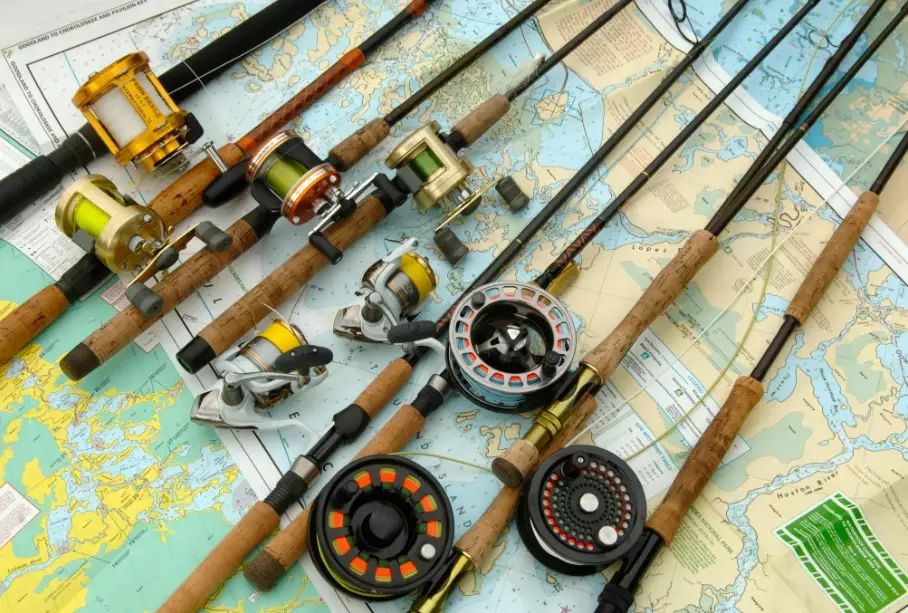
Rod Anatomy: Understanding the Parts
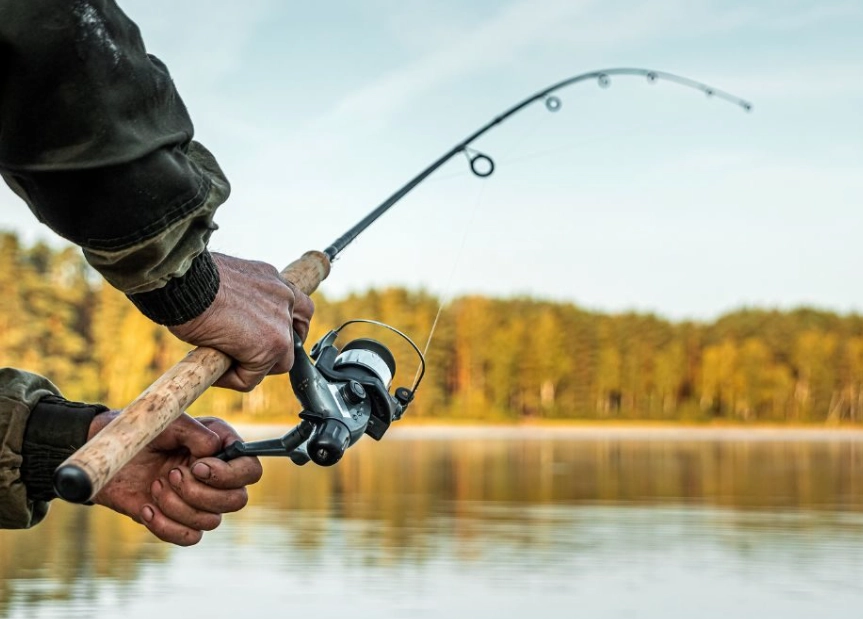
The Two Most Important Specs: Power and Action
Ultralight, Light, Medium-Light, Medium, Medium-Heavy, Heavy, Extra-Heavy.
A Light power rod is for small panfish and trout with light line (2-6 lb test). A Heavy power rod is for pulling large bass from thick weeds or for medium-sized saltwater fish, using heavier line (15-25 lb test). Match the power to the size of fish you're targeting and the weight of lures you'll throw.
Fast action rods are sensitive and provide a quick, powerful hook set. Slow action rods are more forgiving on light lines and play fish beautifully, but they lack casting power for heavy lures.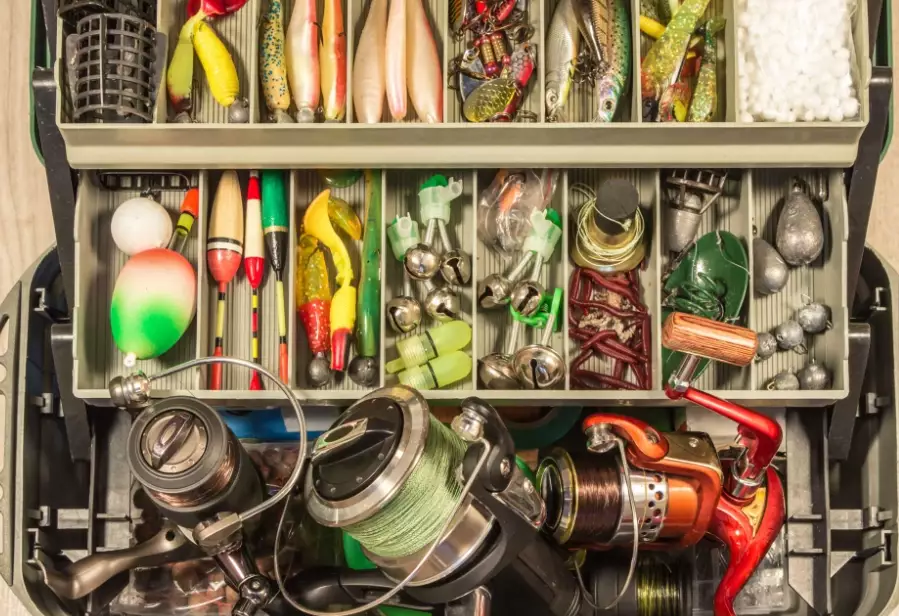
The Main Types of Fishing Rods Compared
Rod Type
Best For / Primary Use
Typical Length
Action & Power
Key Advantage
Biggest Drawback
Spinning Rod
Versatile freshwater & light saltwater; great for beginners. Uses a spinning reel mounted below the rod.
6' - 7'6"
Fast to Moderate; Light to Medium-Heavy
Easy to learn, less line twist, excels with light lures/line.
Less casting accuracy at very short distances compared to baitcasting.
Baitcasting Rod
Precision bass fishing, heavy cover, larger lures. Uses a baitcasting reel mounted on top.
6'6" - 8'
Fast to Extra-Fast; Medium to Extra-Heavy
Superior accuracy, power, and control for experienced anglers.
Steeper learning curve; prone to frustrating "backlashes".
Fly Rod
Fly fishing for trout, salmon, bass. Designed to cast the weight of the fly line, not the lure.
8' - 10'
Varied (slow to fast); rated by "weight" (e.g., 5wt, 8wt).
Delicate presentations with nearly weightless flies. Unique casting style.
Specialized skill set and gear (line, reel). Not for conventional lures.
Surf Rod
Casting bait or lures from the beach into the ocean surf.
10' - 14'
Moderate; Medium-Heavy to Heavy
Long casting distance to reach beyond breaking waves.
Long and cumbersome; not practical for boat or small pond use.
Trolling Rod
Pulling lures or bait behind a moving boat (trolling).
6' - 10'
Moderate to Slow; Medium to Extra-Heavy
Strong backbone to hold diving lures and fight big game fish.
Not designed for casting. Specific to boat fishing.
Ice Fishing Rod
Fishing through a hole in the ice.
24" - 36"
Ultra-Fast to Slow; Ultralight to Medium
Short length for use in tight space, highly sensitive tip.
Only usable for its single, specific purpose.
How to Choose Your First Fishing Rod: A Practical Walkthrough
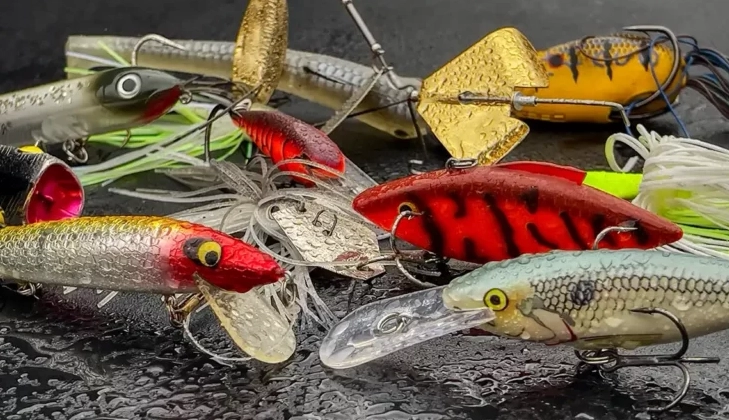
Your ideal rod: A 6'6" to 7' Medium-Heavy power, Fast action spinning rod, with a lure weight rating that includes 1/4 oz. The Medium-Heavy power gives you the backbone to pull bass out of weeds, and the Fast action gives you sensitivity for feeling bites on the bottom.Top 3 Mistakes Beginners Make (And How to Avoid Them)
The Fix: For your first all-around rod, lean towards a Moderate-Fast action. It's more forgiving and easier to load on a cast.
The Fix: Buy a "combo" where the rod and reel are matched by the manufacturer, or consult the rod's specifications for recommended reel sizes (e.g., "Reel Size: 2500-3000").
The Fix: Store rods horizontally on racks or vertically in a rod holder. Use a protective case for transport. Break down multi-piece rods when not in use.Simple Care to Make Your Rod Last Decades
Your Fishing Rod Questions Answered