Ultimate Guide to the Best Fishing Gloves for Every Angler
What are the best fishing gloves to protect your hands and improve your catch? Discover expert picks, key features like grip and durability, and practical tips for choosing the right pair in our comprehensive guide. Avoid common mistakes and enhance your fishing experience today.
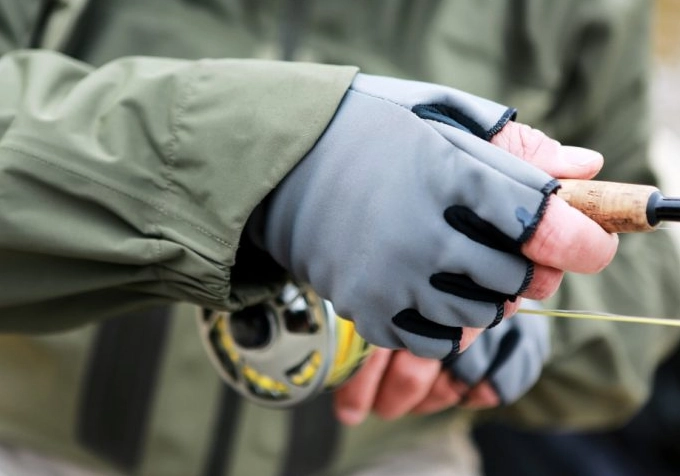
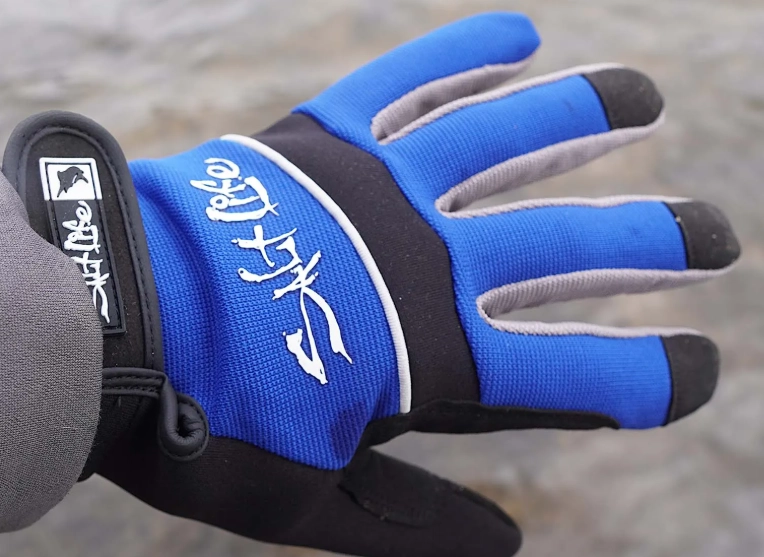
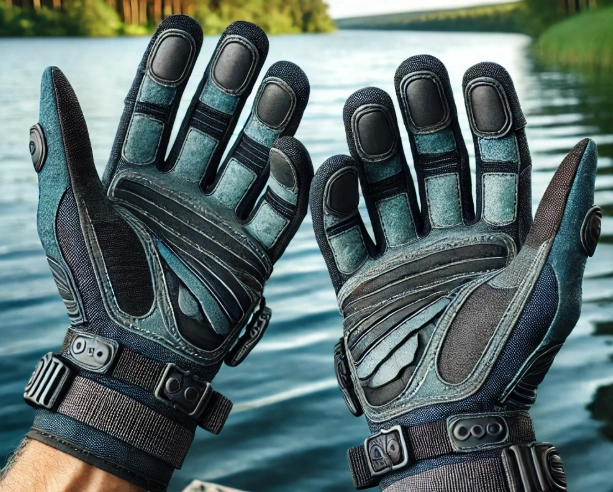
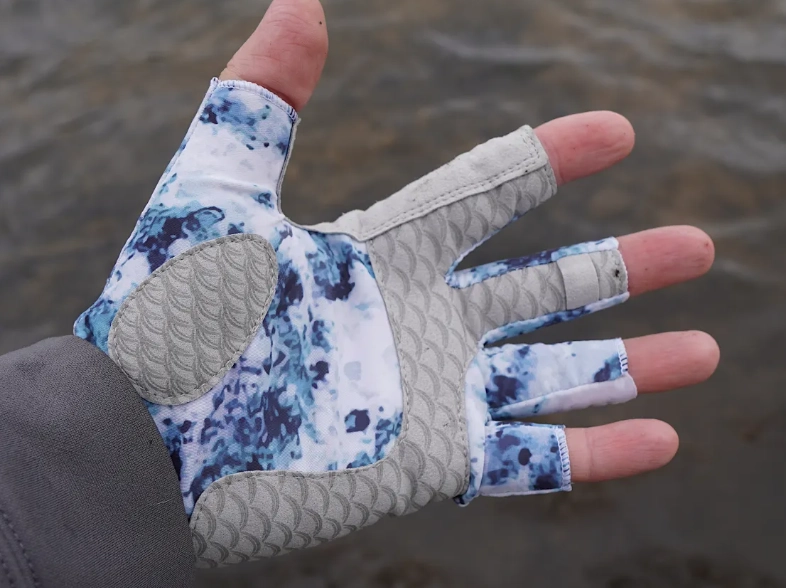
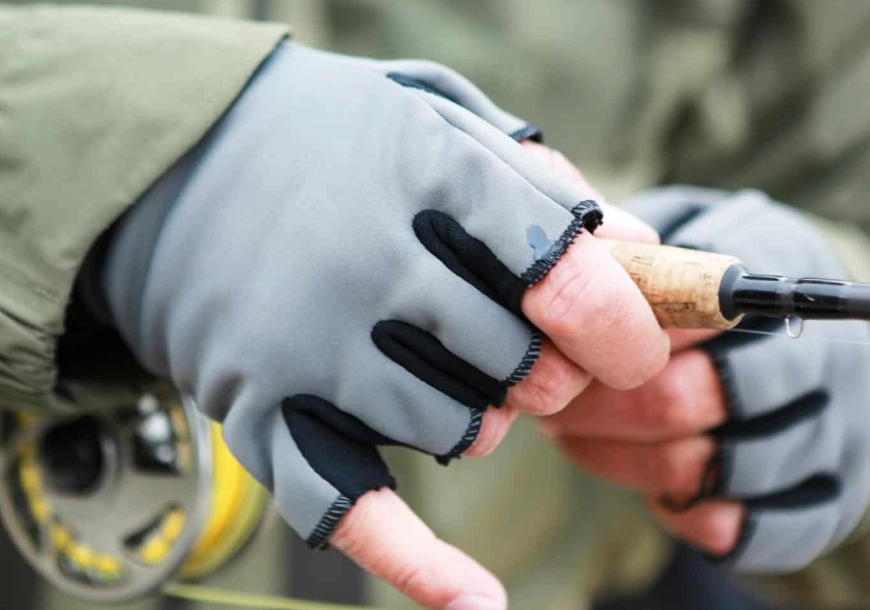
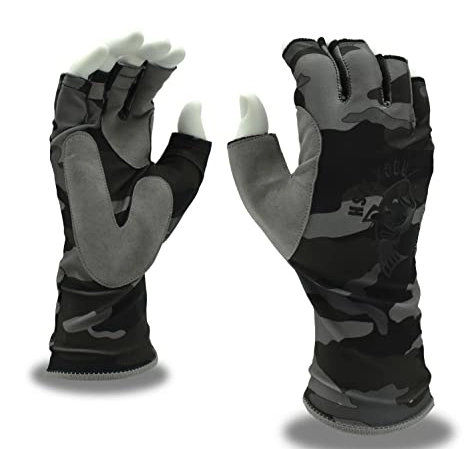
Let's get straight to it: picking the right fishing gloves can save your day on the water. I've spent over ten years fishing everything from icy trout streams to salty offshore waters, and I've seen too many anglers—myself included—make simple glove mistakes that lead to cold hands, lost fish, or even injuries. This guide cuts through the noise to help you find the best fishing gloves for your needs. Fishing gloves aren't just about keeping warm. They protect your hands from UV rays, sharp hooks, line burns, and abrasive surfaces. But here's where most people go wrong: they grab any old pair from the garage. Gardening gloves? Too bulky. Cheap knit gloves? They soak up water like a sponge and become useless. According to the American Sportfishing Association, using proper gear like gloves can reduce injuries and improve overall fishing success. A good pair balances protection, grip, and flexibility—something most casual anglers overlook. This is a tip you won't find in many reviews: if your gloves don't breathe, your hands will sweat. Sweaty hands inside gloves are worse than no gloves at all—they get cold faster in winter and can cause blisters in summer. I learned this on a muggy July day chasing bass; my hands were soaked in sweat, and I couldn't feel the line properly. Another mistake? Assuming all waterproof gloves are equal. Some trap moisture inside, leading to that clammy feeling. Look for materials that wick moisture away. Don't just buy based on price or brand hype. Think about your fishing style. Are you in cold saltwater or warm freshwater? Do you need maximum dexterity for fly fishing or heavy-duty protection for deep sea? Neoprene is fantastic for insulation in cold water—think winter steelhead fishing. But it can be stiff, making fine tasks like tying knots tricky. Synthetic materials like polyester or nylon blends dry quickly and are lightweight, ideal for summer. Leather offers durability against abrasion, but it requires regular maintenance to avoid hardening. For most anglers, a synthetic blend with reinforced palms hits the sweet spot. It's versatile, affordable, and easy to care for. Your gloves should fit snugly without cutting off circulation. Try them on and mimic fishing actions: pretend to cast, reel, or tie a knot. If you can't feel the fishing line or handle small hooks, they're too thick. I've wasted money on gloves that felt great in the store but failed on the water. A pro tip: if you fish in variable conditions, consider layered gloves or ones with removable fingertips. Wet fish and slippery gear demand good grip. Look for gloves with silicone prints, rubberized dots, or textured palms. Some models have patterns specifically designed for wet conditions. Avoid smooth surfaces—they'll let you down when it counts. From My Experience: Test gloves with wet hands if you can. That's the real-world scenario where grip fails most often. I once lost a trophy walleye because my glove slipped on the rod handle during a rainstorm. Based on years of testing and feedback from fellow anglers, here are my recommendations. I've included a table for quick comparison, but remember, personal fit is key. I've used the Simms gloves on winter trout trips—they kept my hands toasty but were a bit bulky for delicate fly-tying. The Bass Pro Shops gloves are my summer staple; the breathability prevents sweat buildup, though they wear out faster with heavy use. For saltwater, the Glacier Glove holds up well against salt corrosion, but I've had issues with the wrist strap loosening over time. It's a minor annoyance, but worth noting. Gloves won't last forever, but proper care extends their life. After each trip, rinse them with fresh water to remove salt, dirt, and fish slime. Gently squeeze out excess water—don't wring them, as that can damage seams. Air dry them away from direct heat or sunlight. I made the mistake of leaving a pair on a heater once; the material shrunk and became unusable. For odor control, mix a solution of water and white vinegar (1:4 ratio) and soak the gloves for 30 minutes monthly. Then, hand wash with mild soap. Avoid machine washing unless the label specifically allows it—it can break down grip textures. Store them flat or loosely rolled in a cool, dry place. Cramming them into a tackle box can deform the shape.Here's What You'll Find Inside
Why Fishing Gloves Matter (And Common Mistakes)
The Non-Obvious Error: Ignoring Breathability
How to Choose the Best Fishing Gloves: A Step-by-Step Guide
Material Breakdown: Neoprene, Synthetic, and Leather
Fit and Dexterity: The Goldilocks Test
Grip Enhancement: Why Texture Matters
My Top Picks for Different Fishing Styles
Glove Model
Best For
Key Features
Price Range
My Rating
Simms Freestone Wading Gloves
Cold weather and wading
Neoprene core, thermal lining, reinforced fingertips, quick-dry exterior
$40-$50
9/10 for warmth, 7/10 for dexterity
Bass Pro Shops XPS Ultralight Gloves
Summer bass and panfish
Breathable mesh, UPF 50+ sun protection, silicone palm grip, lightweight
$20-$30
8/10 for comfort, 9/10 for grip
Glacier Glove Fish Monkey Series
Saltwater and general use
Quick-dry synthetic, padded palms, adjustable wrist strap, odor-resistant
$25-$35
8/10 for durability, 8/10 for value
Frabill F3 Cold Weather Gloves
Ice fishing and extreme cold
Thinsulate insulation, waterproof shell, touchscreen compatibility
$30-$40
10/10 for warmth, 6/10 for flexibility
Beyond the Purchase: Care and Maintenance Tips
Answers to Your Burning Questions