Ultimate Guide to Waterproof Fishing Gloves: Find Your Perfect Pair
Looking for the best waterproof fishing gloves? This detailed guide cuts through the marketing hype to help you choose durable, comfortable gloves that actually keep your hands dry and warm in any fishing condition.
Let me be straight with you: picking the wrong pair of waterproof fishing gloves can ruin a perfectly good day on the water. I've been there—shivering, fumbling with knots, my hands wrinkled and numb. It's miserable. The problem isn't a lack of options; it's the overwhelming sea of marketing claims. "100% waterproof!" "Ultra-warm!" "Maximum dexterity!" What does any of that actually mean when you're handling a slick bass or tying a fluorocarbon leader in a freezing rain? This guide is different. We're going to skip the fluff and talk about what matters. I'll walk you through the five non-negotiable features you must check before buying, break down the confusing world of materials, and give you a clear, scenario-based plan to find your perfect pair. We'll even look at some specific models I've tested (and ones I've thrown back in the gear bag). By the end, you'll know exactly what to look for, whether you're ice fishing on Lake Superior or chasing redfish in a chilly marsh. Forget brand names for a second. If the glove fails on any one of these five points, it's going to let you down. Here's a truth most product pages won't shout about: a glove that is truly, completely waterproof will not be very breathable. It's physics. Water molecules are larger than vapor molecules, so a membrane that blocks water also traps sweat. For cold-weather fishing where your hands aren't sweating much, this is fine. But if you're active—say, kayak fishing or hiking to a spot—you might end up with wet hands from the inside. Look for terms like "hydrophobic liner" or mentions of breathability if you run hot. A report from the Outdoor Industry Association often discusses material tech in layman's terms. More padding doesn't always mean warmer. Cheap, bulky insulation compresses when you grip a rod, creating cold spots. High-quality gloves use thinner, synthetic insulations like PrimaLoft® or Thinsulate™ that retain heat even when wet and don't sacrifice feel. The thickness is usually given in grams. For most freshwater fishing above freezing, 40-100g is plenty. For ice fishing, you might look at 200g+. Check the liner material too—a soft, brushed fleece feels much better than a scratchy mesh against your skin all day. This is where most anglers go wrong. You want a snug fit, not a tight one. Too tight, and you'll cut off circulation (making you colder) and fatigue your hand muscles. Too loose, and you'll have zero sensitivity and the material will bunch up. The best test? Put the glove on and pretend to tie a Palomar knot. Can you feel the line between your fingers? Can you manipulate a small hook? A good glove should feel like a second skin, not a winter mitten. Pro Tip: Always check the sizing chart for the specific brand. I wear a medium in most clothing, but in certain fishing glove brands, I need a large for the right finger length. If you're between sizes, sizing up is usually safer for circulation. Inspect the palm, thumb, and index finger. Are they reinforced? If you're handling rough fish like pike, catfish, or saltwater species, their gill plates and teeth can shred cheap material in one outing. Look for double-layered panels, rubberized grips, or materials like "goat leather" palms. A reinforced palm isn't just for fish handling; it protects the glove when you're grabbing rocky shorelines or boat gunwales. "Touchscreen-compatible fingertips" sounds great until you try to use your phone with cold, gloved hands and it doesn't work. The technology varies wildly. Some use a conductive thread woven in, others a thin, conductive coating. The coating often wears off after a few washes. If this feature is important to you, read the reviews to see if it actually works. Other useful features: a built-in visor wipe on the thumb, a secure wrist closure (Velcro or elastic), and a clip loop so you can hang them to dry. This is the heart of the glove. Get this wrong, and nothing else matters. I made the mistake of buying thick, cheap neoprene gloves for early spring steelheading. Yes, my hands were warm, but I couldn't feel my line for a subtle bite. I switched to a thinner, more expensive 3mm neoprene glove with textured palms, and my hook-up rate improved immediately. The material choice dictates your entire experience. Let's make this practical. Here’s how I’d choose based on what and where you’re fishing. Let's apply what we've learned to some real models. This isn't just a list; it's an analysis of why these gloves work for specific people. I bought a popular, mid-priced "waterproof and insulated" glove from a big-box store once. The first time I grabbed a northern pike, a tooth punctured the thin palm lining. Water seeped in, and the cheap insulation soaked it up like a sponge. My hands were colder with the gloves on than they would have been without. That experience taught me to scrutinize palm durability above almost all else.What's Inside This Guide
The 5 Make-or-Break Features of Waterproof Fishing Gloves
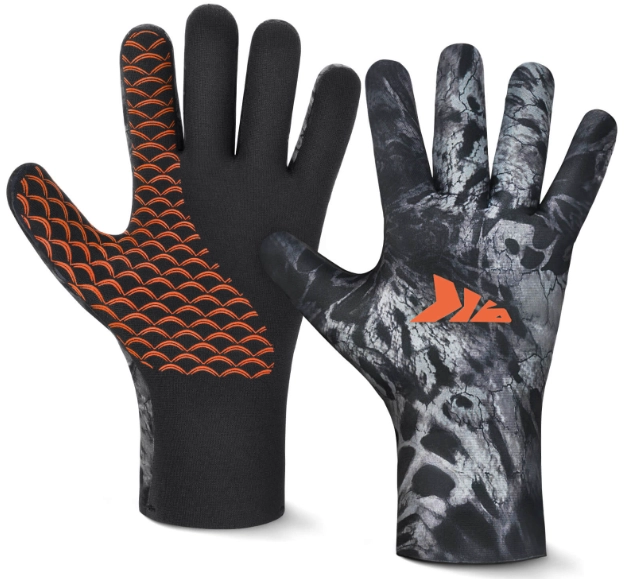
1. The Waterproof/Breathability Trade-Off (Spoiler: It Exists)
2. Insulation Type and Thickness (It's Not Just About Thickness)
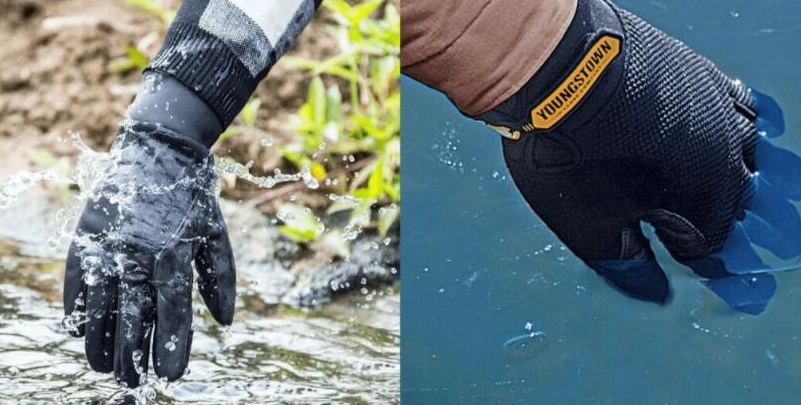
3. Fit and Dexterity: The Most Common Mistake
4. Durability in High-Wear Zones
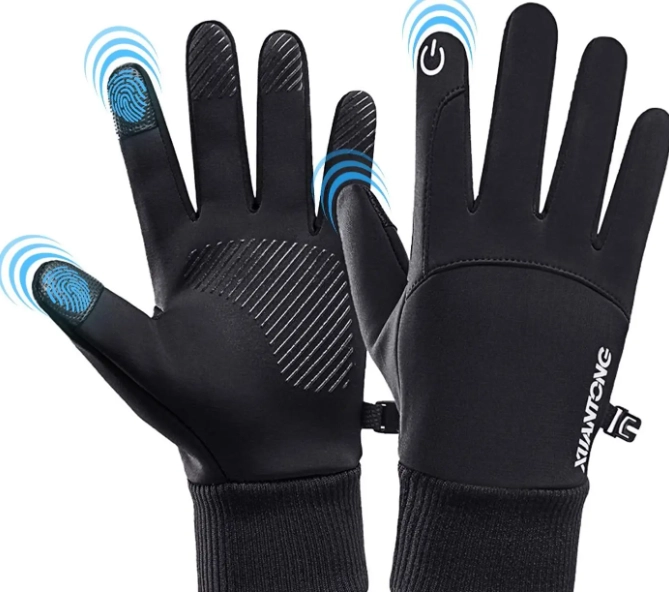
5. Tactile Features You'll Actually Use
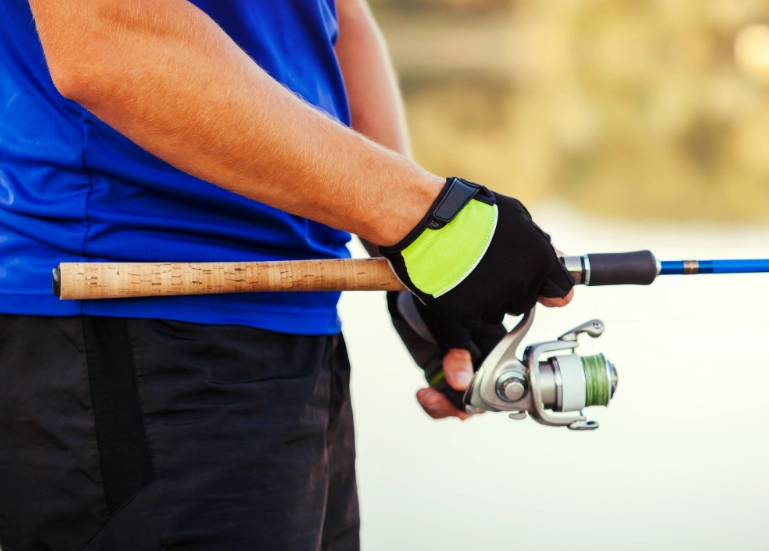
Material Breakdown: PVC, Neoprene, Nitrile, and Latex
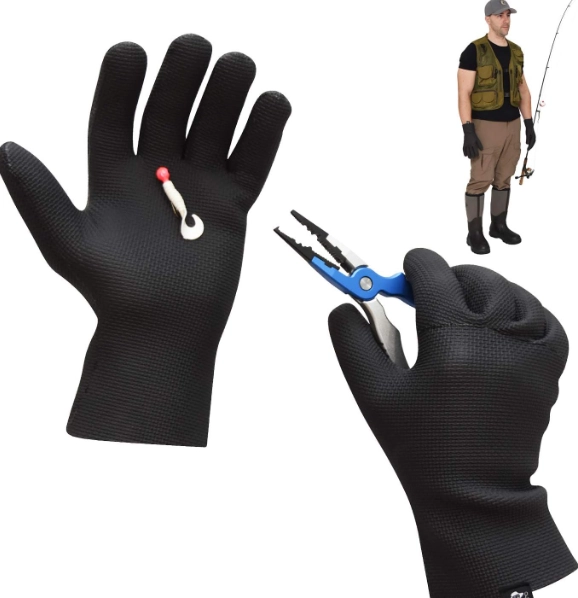
How to Choose by Your Fishing Style: A Scenario Guide
Fishing Scenario
Primary Need
Recommended Material/Type
Key Features to Prioritize
Ice Fishing
Maximum warmth in sub-freezing temps, handling wet lines and fish.
Thick Neoprene (5mm-7mm) or Insulated PVC with heavy lining.
High insulation (200g+), waterproof zippered pocket for hand warmers, long cuff to seal over jacket.
Cold Weather Bass/Walleye (Boat or Shore)
Balance of warmth and dexterity for casting, working rods, occasional fish handling.
3mm Neoprene or Hybrid Glove (neoprene palm, breathable back).
Reinforced palm, touchscreen fingertips, snug fit for sensitivity, good wrist seal.
Kayak Fishing in Cool Weather
Grip, dexterity, splash protection. Hands are active (paddling) so breathability matters.
Thin Neoprene (2-3mm) or Nitrile-coated glove.
Abrasion-resistant palm, secure fit (so they don't slip off in water), quick-dry materials on the back.
Saltwater Fishing (Inshore)
Protection from sun, fish spines, and scales. Warmth is secondary.
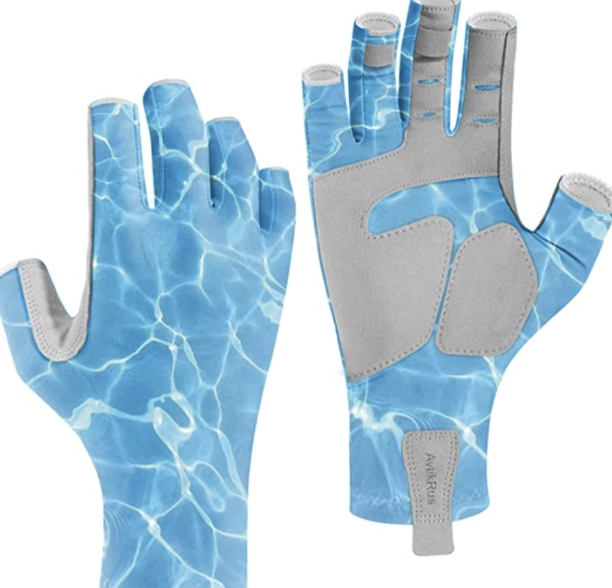
Lightweight synthetic or fingerless sun gloves with waterproof palms.
UPF rating, reinforced thumb/index for line handling, material resistant to salt corrosion.
All-Purpose/Rainy Day
Keeping hands dry during rain or spray without overheating.
Breathable waterproof shell glove (like a fishing-specific Gore-Tex glove) or thin nitrile.
Waterproof membrane, breathability rating, packable size.
Top Picks Analysis: What You're Really Getting
Expert FAQ: Answering Your Nitty-Gritty Questions