Polarized Sunglasses for Fishing: Are They Really Necessary?
Wondering if polarized sunglasses are essential for fishing? This guide explains how they cut glare, improve visibility, and help you spot fish, plus key features to look for when buying a pair.
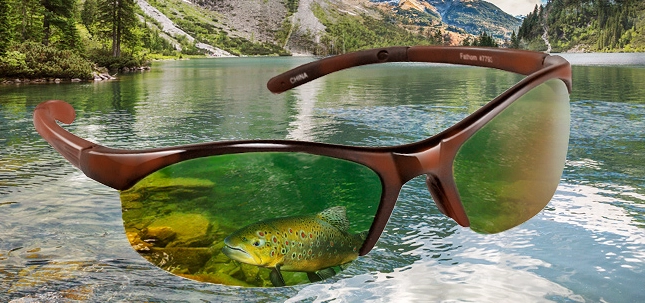
Let's cut to the chase. If you're asking this question, you're probably staring at a rack of sunglasses, wondering if the extra $50 for "polarized" is a fishing myth or a game-changer. I've been guiding for over a decade, and I've seen anglers show up with everything from gas station shades to thousand-dollar optics. Here's the straight answer: Yes, polarized sunglasses are not just a nice-to-have for fishing; they are arguably the most important piece of tackle in your box that isn't a rod, reel, or lure. You can fish without them, but you're handicapping yourself significantly. It's the difference between looking at the water and looking into it. Think of sunlight hitting water. It doesn't just bounce off. It reflects in millions of chaotic waves, creating that blinding, shimmering glare that hides everything beneath. This reflected light is mostly horizontally polarized. A polarized fishing lens has a microscopic filter laminated within it. This filter acts like a venetian blind, blocking that horizontal glare while allowing vertically oriented light to pass through. The result? The surface "veil" is lifted. Suddenly, you see rocks, weed beds, drop-offs, and, crucially, the silhouette of fish. It's not about making things darker like standard sunglasses. It's about creating contrast and clarity by removing a specific type of disruptive light. The American Optometric Association notes that polarized lenses reduce glare and eye strain, which is why they're recommended for driving and water sports. For fishing, that reduction is everything. Okay, science lesson over. Why does this matter on the water? It's more than just comfort. This is the big one. Sight-fishing for bass, redfish, bonefish, or trout becomes possible. You can see a cruising snook under a dock shadow or a smallmouth holding behind a river rock. Without polarization, that fish is invisible against the reflective surface. I've watched clients cast blindly while I'm pointing out specific targets they simply can't see. It's frustrating for them. Fishing isn't just about the fish. It's about understanding their home. Polarized lenses reveal: You're not just fishing water; you're fishing specific, visible features. Squinting against glare for eight hours is exhausting. It gives you a headache and makes you sloppy. Polarized lenses remove that constant strain. You stay focused, alert, and can tie knots with more precision late in the day. Your enjoyment level skyrockets. Seeing submerged obstacles is critical for navigating shallow flats or rocky rivers in a boat or kayak. It also helps you see your line on the water, watch for subtle bites, and even spot hazards like old fishing line or hooks. Quality polarized lenses come with 100% UVA/UVB protection. The sun's reflection off water doubles your UV exposure. Long-term, this protects against cataracts. Short-term, it prevents painful sunburn on your eyes (photokeratitis). Never, ever compromise on 100% UV protection. Not all polarized sunglasses are created equal. A $30 pair from a big-box store might say "polarized," but the performance and durability are worlds apart from a dedicated fishing brand. Here’s what to prioritize. My personal take? I own both glass and polycarbonate. For rough, rocky wading where I might take a fall, I wear polycarbonate (Costas). For calm days in the flats boat where optical purity is king, I wear glass (Maui Jims). The investment hurts once, but a great pair lasts for years. They buy a dark gray mirror lens because it looks cool. Then they go fishing at 6 AM under thick cloud cover and can't see a thing. Match the lens to the conditions you fish most. If you're mostly a weekend angler hitting the lake from 10 AM to 2 PM, gray is fine. If you live for the early topwater bite, a copper or sunrise lens is a better primary choice. Polarized lenses aren't a superhero power. They have limits. They don't see through murky water. If the water is stained or muddy from rain, no amount of polarization will show you a bass. They only remove surface glare to let you see as deep as the water clarity allows. This is a common frustration—anglers expect X-ray vision and get disappointed. They can make some digital screens hard to see. The polarization filter can black out LCD screens on fish finders, dashboards, or phones when held at certain angles. Annoying, but you learn to tilt your head. Cheap polarized lenses can distort. I've tried cheap pairs from big-box stores, and honestly, they're often more frustrating than helpful. The polarization might be weak, the optics wavy, and they scratch if you look at them wrong. You're better off with a mid-range model from a reputable fishing brand on sale than the absolute cheapest "polarized" option. So, back to the original question. Are polarized sunglasses needed for fishing? If you want to see more fish, understand your water, protect your eyes, and simply have a better, less exhausting day on the water, the answer is a resounding yes. They transform fishing from a guessing game into a visual hunt. Skip that extra fancy lure this season. Put the money into your eyes first. You won't regret it.What You'll Learn
How Polarized Lenses Actually Work (It's Not Magic)
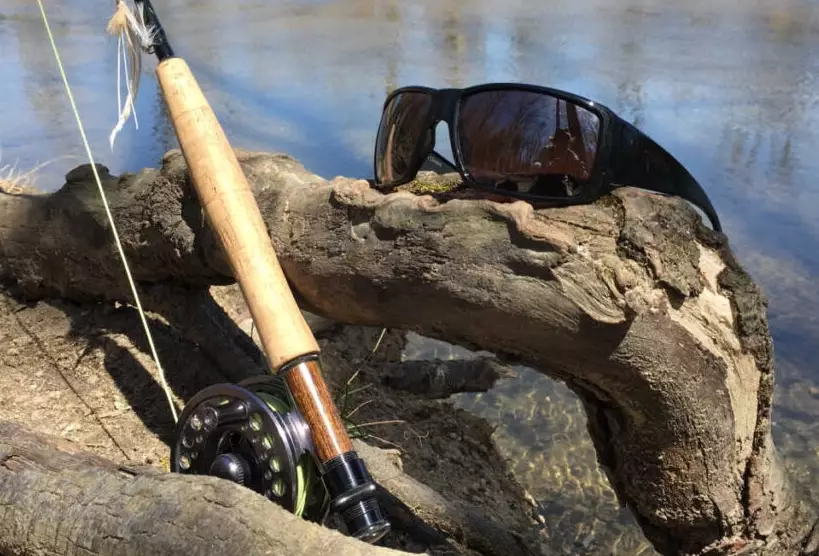
The 5 Real Reasons Fishing Demands Polarized Lenses
1. Spotting Fish You'd Otherwise Miss
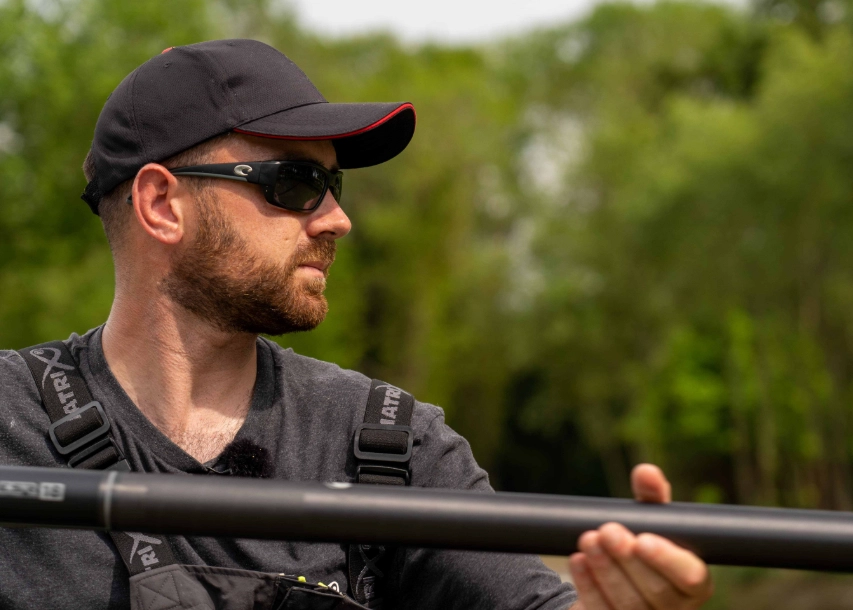
2. Reading the Water & Seeing Structure
3. Reducing Eye Fatigue (A Full-Day Game Changer)
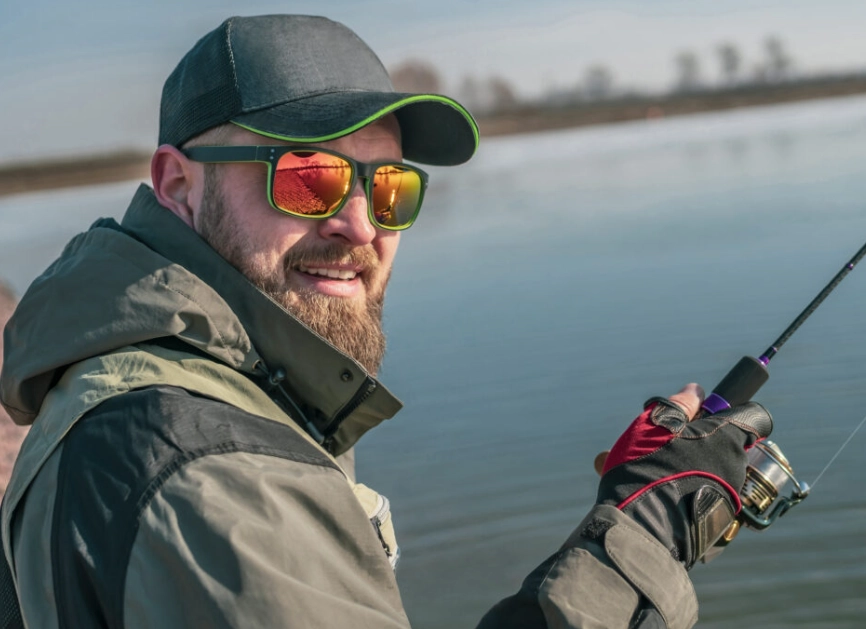
4. Safety and Practicality
5. Superior UV Protection is Non-Negotiable
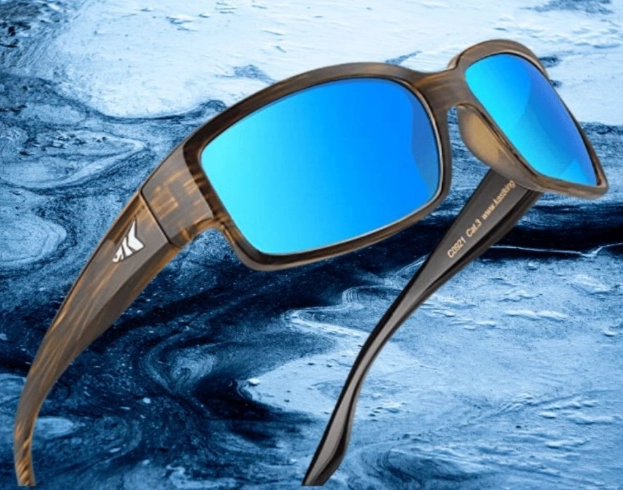
Choosing the Right Pair: A Buyer's Guide Beyond Marketing Hype
Feature
What to Look For & Why
Good Options (Examples)
Lens Material
Polycarbonate or Trivex: Impact-resistant, lightweight, essential for safety. Glass: Superior optical clarity and scratch resistance, but heavier and more expensive.
Polycarbonate: Costa Fantail, Oakley Holbrook. Glass: Smith Guide's Choice, Maui Jim Peahi.
Polarized Film Quality
Laminated between lens layers is best. Cheap pairs spray it on the back, which scratches off. Look for brands that specify their polarization tech (e.g., Costa's 580, Smith's ChromaPop).
Costa Del Mar (580 lenses), Smith Optics (ChromaPop), Maui Jim (PolarizedPlus2).
Lens Color
Gray/Green: True color, all-around, bright sun. Brown/Amber: Enhances contrast, great for variable light, inshore. Yellow/Amber: Low-light, dawn/dusk, cloudy days.
Gray for open ocean. Copper/Brown for bass/inshore. Sunrise Yellow for early mornings.
Frame Fit & Grip
Must fit snugly without pressure points. Rubber nose pads and temple grips prevent slipping when you sweat. Wrap-around styles minimize peripheral glare.
Look for models with adjustable nose pads (like many Costa frames) and rubberized temples.
UV Protection
100% UVA/UVB or UV400. This is mandatory. Don't even consider a pair without it.
All major fishing brands meet this. Verify on no-name brands.
The One Mistake Beginners Make With Lens Color
Limitations & Myths Even Experienced Anglers Get Wrong
Your Polarized Fishing Questions, Answered