Kids Fishing Clothes Guide: Safety, Comfort & Essential Gear
Struggling to find the right fishing clothes for your child? This expert guide covers waterproof layers, sun protection, and comfort tips to keep kids safe and happy on the water, with specific product recommendations and common mistakes to avoid.
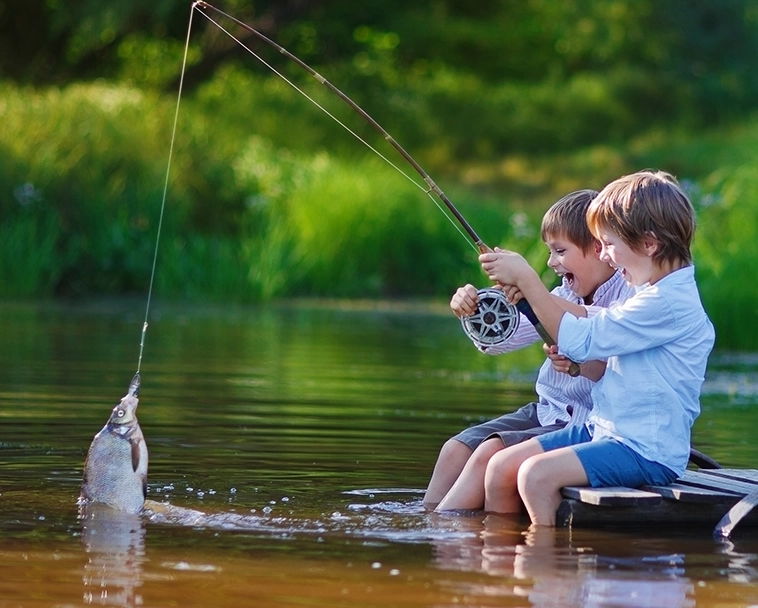
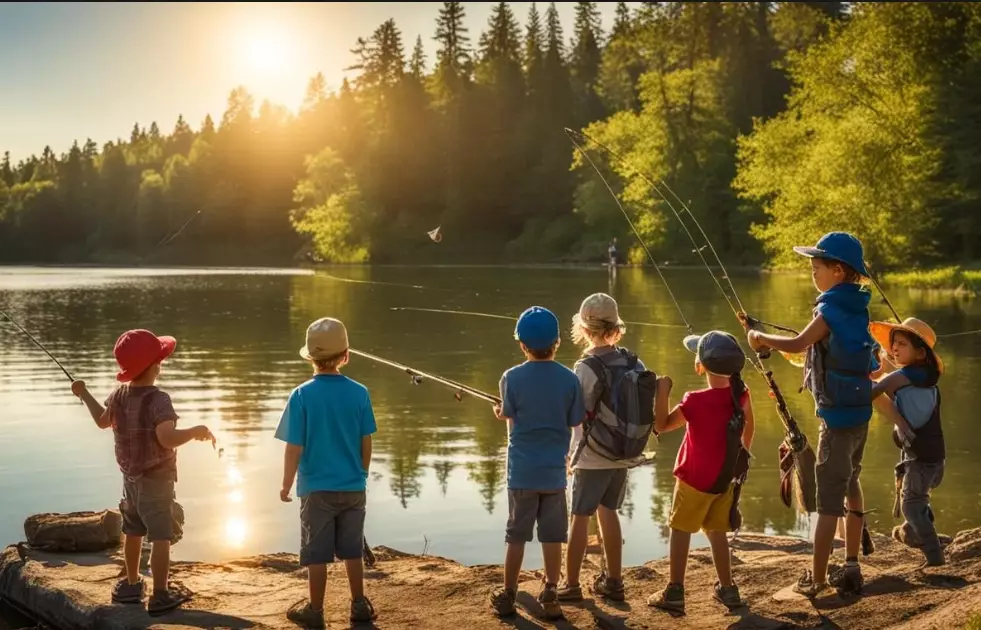
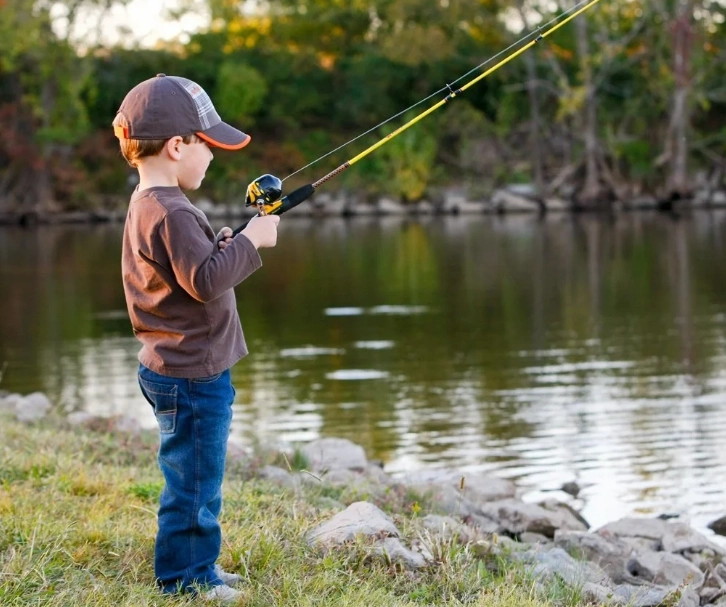
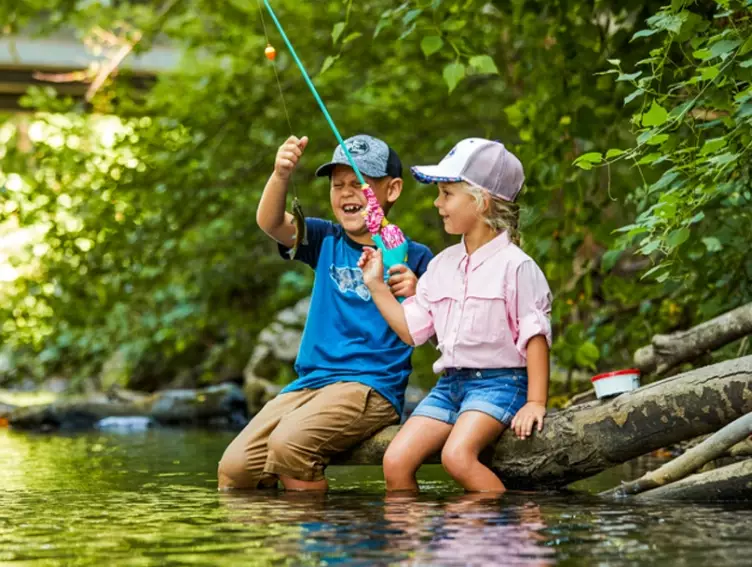
I remember taking my nephew fishing for the first time. He was excited, but within an hour, he was shivering in a cotton t-shirt, complaining about the sunburn on his neck. That's when it hit me: kids' fishing clothes aren't just smaller versions of adult gear—they're a whole different ball game. If you're planning a family fishing trip, getting the right clothing can make or break the experience. Let's dive into what actually works, based on years of trial and error on the water. Kids have thinner skin, higher metabolic rates, and less body fat than adults. That means they get cold faster, burn easier, and can overheat quickly. Standard play clothes won't cut it near water. Fishing-specific apparel addresses three core needs: safety, comfort, and durability. A good set of fishing clothes keeps them protected from UV rays, hypothermia, and scrapes while letting them move freely to cast or reel in a fish. Think about it. Would you wear jeans on a boat? Probably not. For kids, it's even more critical because they're less likely to speak up until they're miserable. Proper gear prevents distractions, so they can focus on the fun part—catching fish. Not all kids' outdoor wear is created equal. Here's what to prioritize, based on feedback from pediatricians and fishing guides. Look for fabrics like polyester or nylon with a DWR (durable water repellent) coating. Avoid PVC or rubber suits—they trap sweat and cause overheating. Brands like Columbia or Patagonia often use Omni-Tech or H2No technologies that balance waterproofing with breathability. Breathability is key; otherwise, kids end up wet from sweat instead of rain. Sunburn is a silent trip-ruiner. Opt for clothes with UPF 50+ ratings. Long-sleeve shirts and pants are better than sunscreen alone, which can wash off. Hats with neck flaps are a game-changer. I've seen kids get burned through thin cotton on cloudy days; UPF fabric blocks UV rays consistently. Weather changes fast on the water. Kids need a system: a moisture-wicking base layer, an insulating mid-layer (like fleece), and a waterproof outer shell. Avoid cotton entirely—it holds moisture and takes forever to dry. Merino wool or synthetic blends work best for base layers. Clothes should be snug but not tight, with room for growth. Adjustable waistbands and cuffs help. Check for reinforced knees and seats—kids spend a lot of time sitting or kneeling. A common mistake is buying oversized gear for "room to grow," but baggy clothes can snag on hooks or impede movement. Expert Tip: Many parents overlook the importance of quick-dry socks. Wet feet lead to blisters and crankiness. Pair waterproof boots with merino wool socks for all-day comfort. Based on durability, value, and kid-friendliness, here are some reliable options. Prices are approximate and vary by retailer. I've tested the Simms waders with my own kids—they lasted two seasons of rough use, but the sizing runs small, so order up. The Columbia jacket is a staple for spring trips because it adapts to temperature swings. Don't just go for the cheapest option; investing in quality pieces saves money long-term by avoiding replacements. Layering isn't about piling on clothes—it's a strategic system. Here's a breakdown by scenario. Sunny and Warm (Above 70°F/21°C): Cool and Drizzly (50-70°F/10-21°C): Cold and Wet (Below 50°F/10°C): Always pack an extra set of clothes in a dry bag. Kids have a knack for falling in, even with the best gear. I learned this the hard way when my daughter slipped off a dock—thankfully, we had spare layers in the car. After talking to other anglers, I've noticed patterns that ruin trips. Here are the top blunders. Mistake 1: Prioritizing Style Over Function. Cute designs are great, but if the fabric isn't quick-dry or UPF-rated, it's useless. I once bought a colorful raincoat that looked adorable but soaked through in light rain. Stick to technical brands first, then choose colors kids like. Mistake 2: Ignoring Footwear. Sneakers get wet and cold. Invest in waterproof boots with non-slip soles. Crocs or sandals are risky around hooks and slippery surfaces. Mistake 3: Overlooking Ventilation. Waterproof doesn't mean airtight. Look for jackets with underarm zips or mesh linings. Otherwise, kids sweat buckets and become dehydrated. Mistake 4: Buying for "Next Year." Too-big clothes are a safety hazard—they can trip kids or get caught in equipment. Fit for the current season, and plan to hand down or resell. Mistake 5: Skipping the Practice Run. Don't wait until fishing day to try on gear. Have kids wear their new clothes around the house to check for comfort and mobility. Adjust straps or layers beforehand. Getting kids into fishing is about creating positive memories. The right clothes remove barriers like cold, wetness, or sunburn, letting the adventure shine. Start with a few core pieces, layer smartly, and always pack extras. Before you know it, they'll be begging for the next trip—and you'll be prepared.Jump Straight to What Matters
Why Kids Need SpecialFishing Clothes
Key Features to Look for in Kids Fishing Clothes
Waterproof and Breathable Materials
UPF Sun Protection
Layering Flexibility
Fit and Mobility
Top Picks for Kids Fishing Clothing
Item
Key Features
Best For
Price Range
Columbia Kids Bugaboo II Fleece Interchange Jacket
Waterproof outer shell, removable fleece liner, UPF 50
Cold or variable weather
$60-$80
Simms Kids Challenger Waders
Neoprene booties, reinforced knees, adjustable suspenders
Wading in streams or lakes
$100-$130
Patagonia Infant/Toddler Torrentshell 3L Rain Suit
Fully waterproof, pit zips for ventilation, recycled materials
Rainy days or boat fishing
$70-$90
LL Bean Kids Cresta Wool Blend Base Layer Set
Merino wool blend, odor-resistant, moisture-wicking
All-season layering
$40-$60
Frogg Toggs Kids Pro Action Rain Suit
Budget-friendly, lightweight, packable
Occasional use or backups
$25-$40
How to Layer Kids Fishing Clothes for Different Weather
Common Mistakes Parents Make (And How to Avoid Them)
Your Questions Answered: Kids Fishing Gear FAQ