The Ultimate Guide to Fishing Clothes for Men: Stay Dry, Comfortable & Catch More
Struggling to stay dry and comfortable on the water? Our complete guide to fishing clothes for men covers layering, materials, top brands, and expert tips to upgrade your gear.
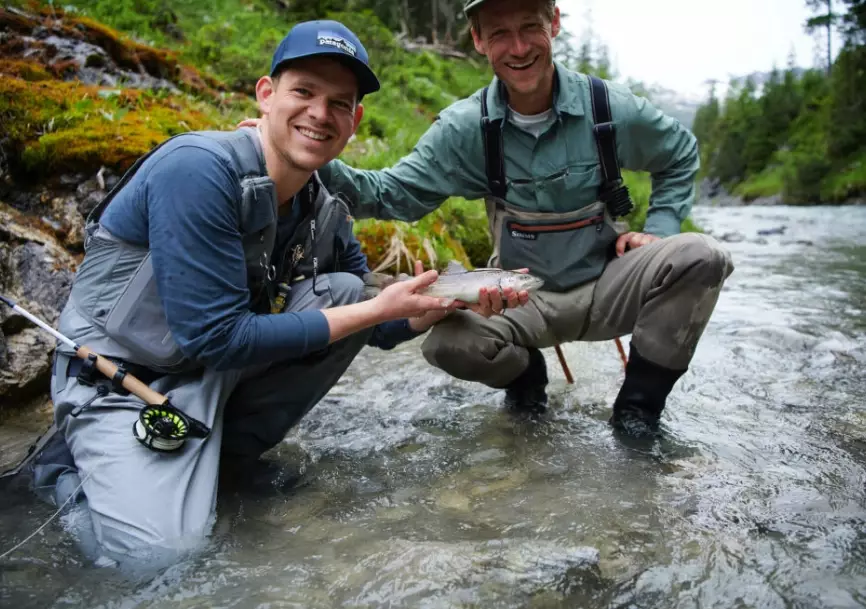
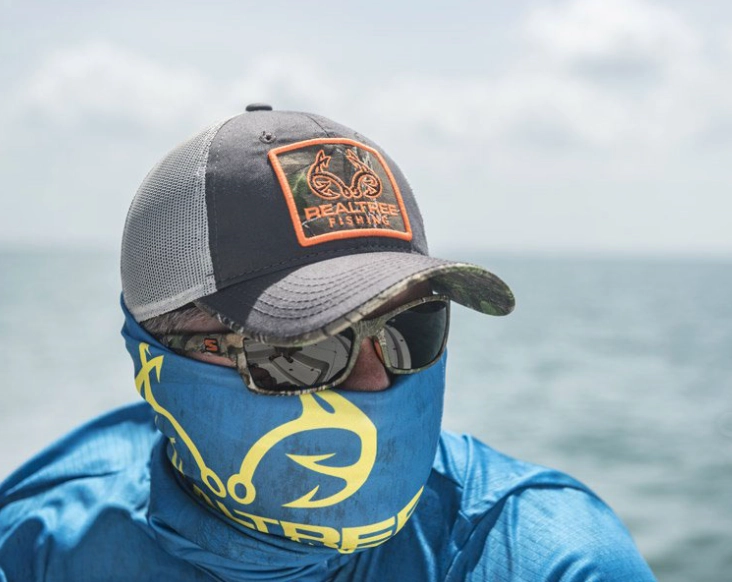
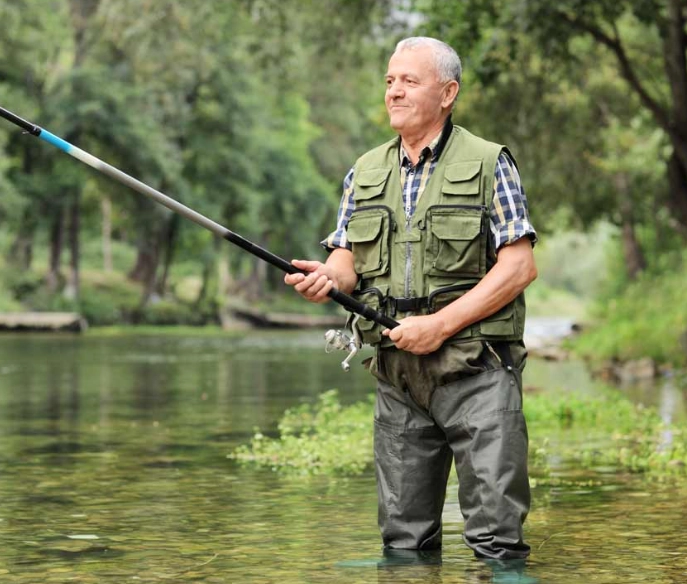
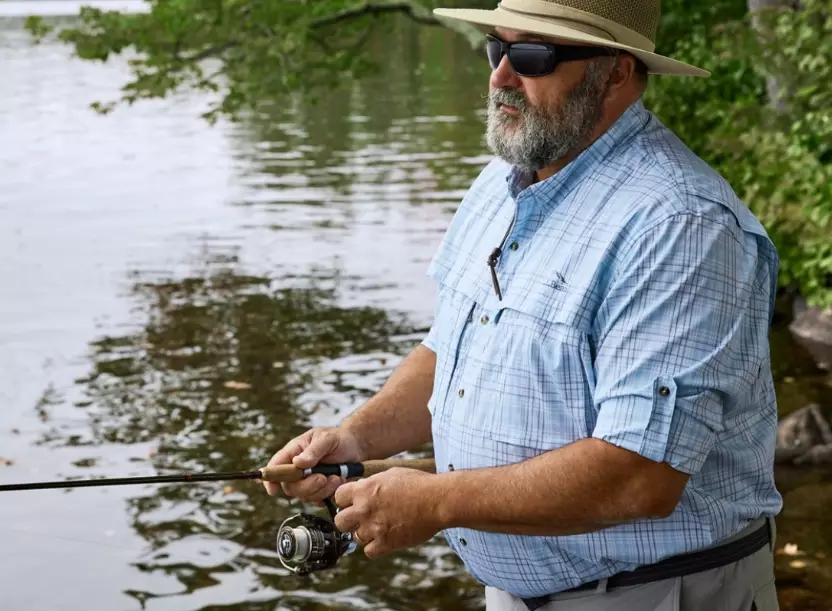
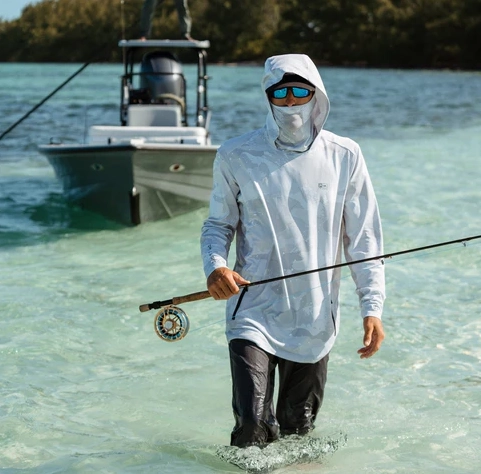
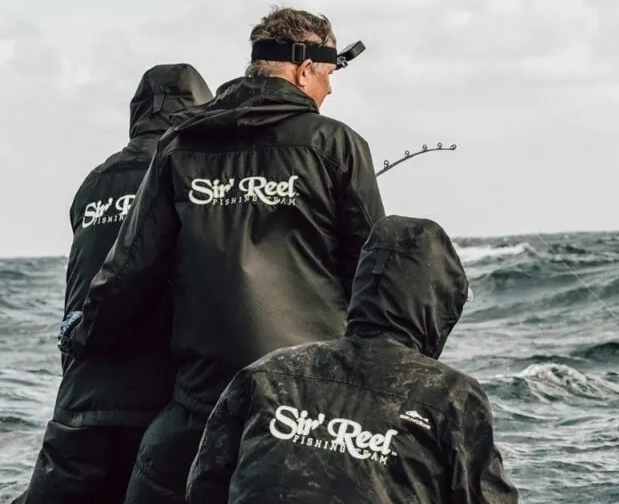
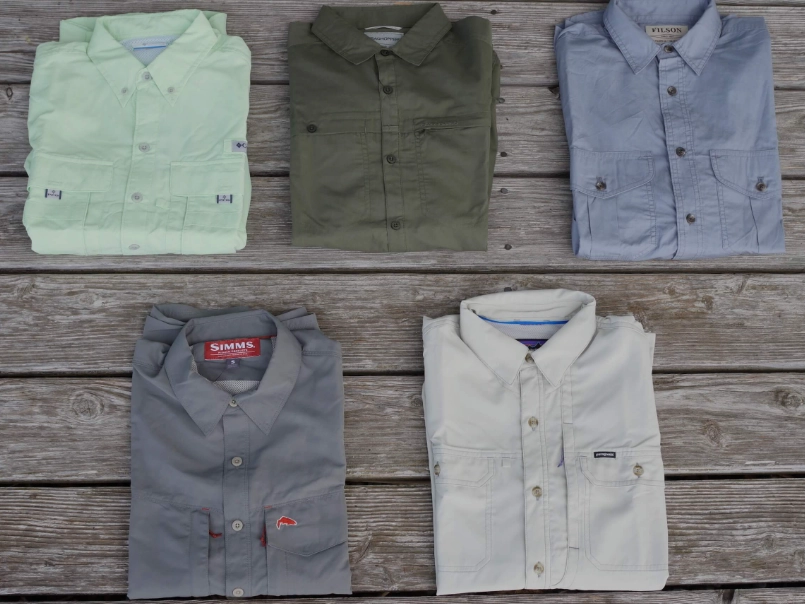
Let's cut right to it. The right fishing clothes aren't about looking like a catalog model on the dock. They're the difference between a miserable, shivering day cut short and staying out long enough to actually find the fish. I've spent over a decade guiding and fishing in everything from bonefish flats to Great Lakes storms, and I've seen more trips ruined by poor gear choices than by bad luck. Your clothing is as critical as your rod and reel. It's your mobile shelter, your climate control, and your first line of defense against the elements. This guide strips away the marketing fluff and gives you the practical, actionable intel you need to build a fishing wardrobe that works. Thinking of fishing clothes as a single "outfit" is the first mistake. You need a system. The goal is to trap warm air, move moisture away from your skin, and block wind/water from the outside. It's a three-part dance. This is where most guys cheap out, opting for a cotton t-shirt. Big error. Cotton absorbs sweat and holds it against you, sucking away body heat—a dangerous scenario called "evaporative cooling." Your base layer must wick. Synthetic materials (polyester, nylon blends) are the workhorses. They dry fast and are generally affordable. Brands like Patagonia Capilene or Under Armour HeatGear are staples for a reason. Merino wool is the secret weapon. Yes, wool. Modern merino is thin, incredibly soft, doesn't itch, and has a superpower: it retains insulating properties even when damp. It also naturally resists odors. It's more expensive, but for multi-day trips or cold weather, it's unbeatable. Smartwool and Icebreaker are top players here. I personally lean on merino for any trip below 50°F or if I'm camping. For a sweaty summer bass day, a lightweight synthetic does the job. This layer traps the warm air your body generates. The key here is loft. Fleece (polyester) is versatile, breathable, and retains heat when wet. A grid-backed fleece is especially good for active fishing as it moves air well. Insulated Jackets with synthetic fill (like PrimaLoft) or down are for static periods or bitter cold. A crucial tip: down is useless when wet. It clumps and loses all insulation. Save the down puffy for the boat ride out on a dry day. For wet conditions, synthetic fill is your only safe bet. This is your rain gear, your windbreaker, your barrier. Here's where specs matter. Look for two numbers: waterproofness (mm) and breathability (g/m²/24hrs). "Fishing-specific" cuts are worth it. They have longer backs, roomier shoulders for casting, and pockets placed for pliers or fly boxes. Brands like Simms, Grundéns, and Guy Cotten dominate here for their proven durability. A flats angler in the Bahamas and a steelheader on the Russian River need different tools. Let's break it down by scenario. This is a full immersion sport. Your waders (bootfoot or stockingfoot) are your most important garment. Neoprene is warmer but bulky; breathable fabric (like nylon with a membrane) is more versatile for most conditions. The critical, often-overlooked detail is suspender fit. Too tight, and they dig into your shoulders all day. Too loose, and they sag, letting water pool if you take a spill. Spend time adjusting them on dry land. Pair breathable waders with a layered top system. A wading belt isn't just for holding tools; it's a safety device that can slow water intake if you fall in. Sun protection and quick-drying ability are king. Look for shirts and pants with a high UPF rating (50+). Many now incorporate odor-control technology, which your boat mates will appreciate after day three. For outerwear, focus on drying speed and abrasion resistance from gunwales and rods. Offshore demands the heaviest-duty bibs and jackets you can afford—your comfort and safety depend on it. It's all about static warmth. Your shell must be windproof and waterproof. Insulation moves to the forefront. I recommend a synthetic-insulated bib paired with a heavy parka. Don't forget vapor barrier principles for your extremities—thin liner socks under heavy wool socks can prevent sweat from freezing in your boots. I see these every season. Avoid them. Good fishing apparel is an investment. Protect it. First, always check the care label. The general rule for technical shells and waders: wash them regularly! Use a tech wash (like Nikwax Tech Wash or Grangers Performance Wash) in a front-loading machine on a gentle cycle. Never use fabric softener or dryer sheets—they coat the fabric and destroy breathability. After washing, most garments need a DWR (Durable Water Repellent) refresh. Spray-on or wash-in products (like Nikwax TX.Direct) restore the water-beading effect on the outer fabric. You'll know it's time when water stops beading and starts soaking into the fabric face. Dry your gear on a low heat setting. The heat helps reactivate the DWR coating. Store it hanging in a cool, dry place—never crumpled in a wet heap in your trunk. I mostly fish in cold, rainy conditions for trout. What's the one piece of clothing I shouldn't skimp on? How do I properly clean my waterproof fishing jacket without ruining it? Are expensive fishing shirts with UPF really better than a regular long-sleeve cotton shirt? What's the deal with "sustainable" fishing gear? Is it worth seeking out? I'm on a tight budget. Where should I allocate my money first for clothing?What's Inside?
The Non-Negotiable Layering System (Forget Just a Jacket)
Base Layer: Your Second Skin
Mid Layer: The Insulation Engine
Outer Layer (Shell): Your Final Defense
Shell Type
Best For
What to Look For
Price Range (Approx.)
Lightweight / Packable
Unexpected showers, summer fishing, travel
10,000mm waterproof, 10,000g+ breathability
$100 - $250
3-Layer Fishing Specific
Serious anglers, all-day rain, kayak/boat fishing
20,000mm+, 15,000g+, features like sealed seams, articulated sleeves, hand-warmer pockets
$250 - $600
Heavy-Duty / Bibs & Jacket
Offshore, winter/ice fishing, extreme conditions
28,000mm+, fully taped seams, reinforced knees/seat, flotation options
$400 - $800+
Choosing Gear for Your Type of Fishing
Wading (Fly Fishing & Stream Fishing)
Boat & Offshore Fishing
Ice Fishing
5 Costly Mistakes Most Anglers Make
Care & Maintenance: Making Your $500 Jacket Last
Expert Answers to Your Tricky Questions