Ultimate Fishing Gear Checklist: What You Really Need
Ever stared at a wall of fishing gear and wondered what you actually need? This definitive fishing equipment list cuts through the noise, covering essential tackle for freshwater, saltwater, and fly fishing to get you started without wasting money.
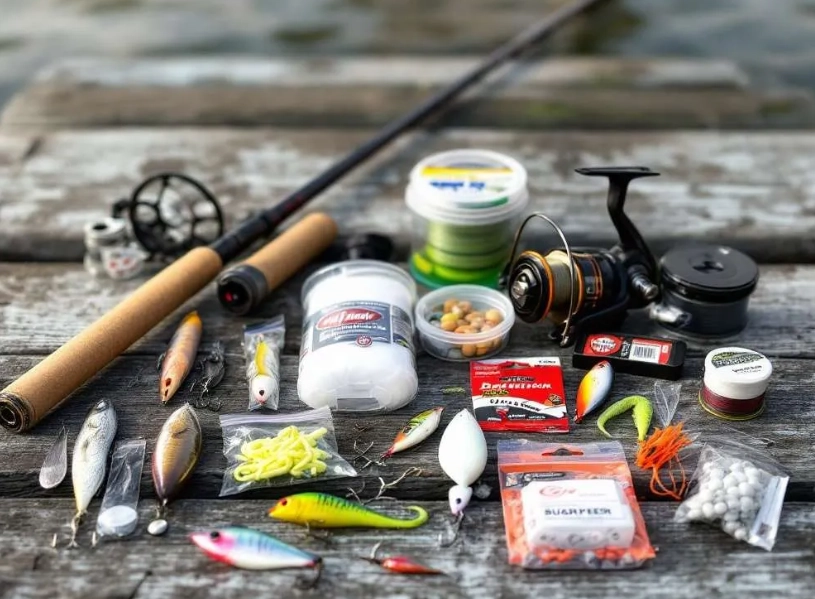
Let's be honest. Walking into a tackle shop or browsing online can feel overwhelming. You see walls of lures, racks of rods, and bins of gadgets, all promising to catch more fish. Most beginners (and even some experienced anglers) end up buying stuff they don't need, while missing a few critical items. After decades of fishing everything from farm ponds to the open ocean, I've learned that a smart fishing equipment list isn't about having the most gear—it's about having the right gear. This guide strips away the marketing hype and gives you a practical, actionable checklist. This is the foundation. Forget these, and you're not going fishing. You're just standing near water. This is your primary tool. Don't overthink your first one. A 6.5 to 7-foot medium-power, fast-action spinning rod paired with a 2500 or 3000-size reel is the Swiss Army knife of setups. It can handle bass, trout, walleye, and even smaller saltwater species. Brands like Ugly Stik (for durability) or St. Croix (for sensitivity) offer great options in the $50-$150 range. The reel should have a smooth drag—this is more important than how many bearings it claims to have. A common mistake? Matching a heavy rod with a tiny reel. The balance feels awful. It connects you to the fish. For your all-purpose spinning reel, start with 8-10 lb monofilament or 10-15 lb braided line with a fluorocarbon leader. Monofilament is cheap, forgiving, and good for beginners. Braid is thinner, stronger, and has no stretch, making it easier to feel bites. I prefer braid for most applications now, but I learned on mono. This is your toolbox. Get a small, waterproof tackle box and fill it with these basics: You will tangle. You will need to cut line. A fish will swallow the hook. My Personal Rule: Before you buy any fancy lure, make sure your core tackle box is stocked. A $10 crankbait is useless if you don't have the right leader material to tie it on. Now we get specific. If you're hitting lakes and rivers for bass, panfish, or trout, here’s what to add to your core list. Bass are opportunistic. Your lure selection should cover the water column. You don't need 20 colors. Stick with natural patterns like green pumpkin, black/blue, and shad colors. The action is almost always more important than the exact hue. For stream trout or bluegill, scale down. An ultralight rod (4-6 ft) with 2-6 lb test line is a blast. Essential additions: Saltwater demands tougher gear and a focus on corrosion resistance. Everything here is bigger, stronger, and needs rinsing with freshwater after every trip. Your rod should be a 7-8 foot medium-heavy to heavy power spinning rod with a 4000-5000 size reel. Spool it with 20-30 lb braid. You need stronger leaders—40-50 lb fluorocarbon is common for inshore species like redfish and snook. Critical Saltwater-Specific Gear: For lure fishing, a couple of silver spoons, some paddle-tail soft plastics on jig heads, and a topwater walk-the-dog lure like a Heddon Super Spook will cover a lot of bases. Fly fishing has its own checklist. It's less about the box of lures and more about the system. The biggest beginner mistake in fly fishing? Trying to cast with just your wrist. Use your forearm. A messy tackle bag wastes time and costs money in lost lures. Here's how I organize. I use a backpack-style tackle bag. One main compartment holds 3-4 small, clear plastic boxes. Each box is themed: "Terminal Tackle," "Soft Plastics," "Hard Baits," "Saltwater." Clear boxes are key—you see what's inside instantly. Tools (pliers, clippers) go in designated external pockets. A carabiner clips my net to the bag. At the end of the season, I do a full inventory. I take out every lure, check the hooks for rust, and reorganize. It's boring, but it saves me from buying duplicates of lures I already own but forgot about. For rod storage at home, vertical racks or horizontal wall mounts are better than leaning them in a corner. The latter will warp them over time.Quick Navigation
The Absolute Core Essentials (Non-Negotiables)
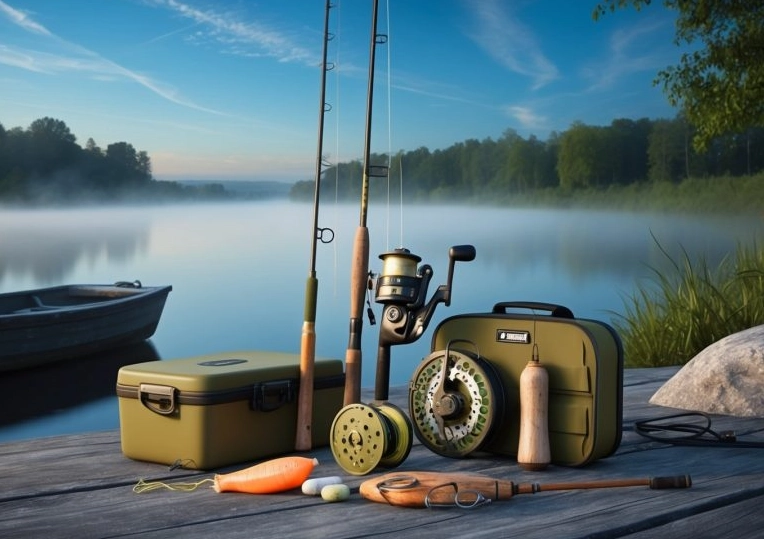
1. The Rod and Reel Combo
2. Fishing Line
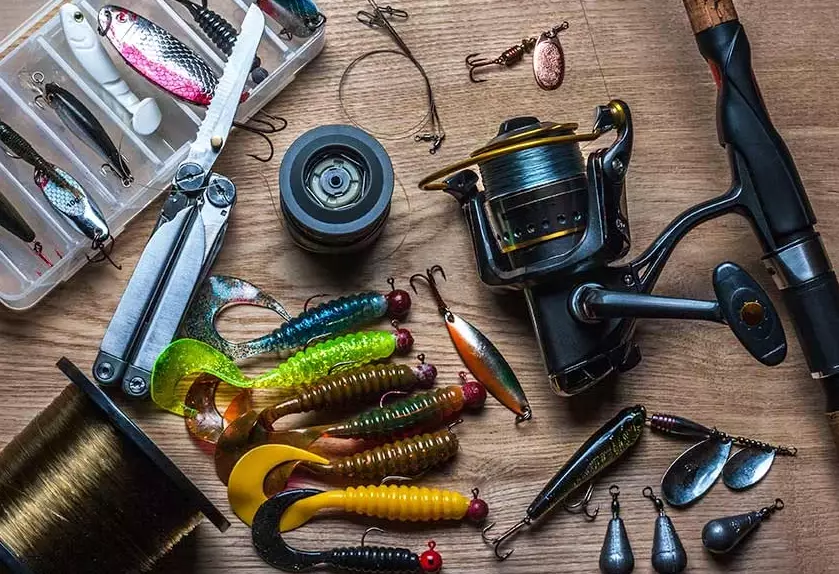
3. Terminal Tackle Box
4. The "Oh Crap" Tools
Tailoring Your Kit: Freshwater Focus
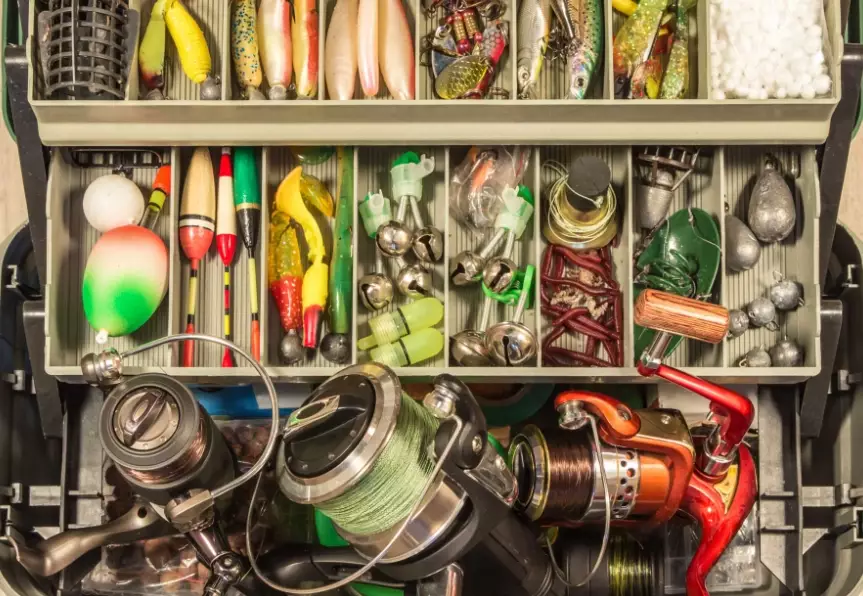
Bass Fishing Staples
Lure Type
Best For
My Go-To Example (Brand/Model)
Approx. Cost
Soft Plastic Worms
Texas or Carolina rigging, bottom fishing
Zoom Trick Worm (Green Pumpkin)
$5 per pack
Spinnerbait
Covering water, murky conditions
Booyah Pond Magic
$4-$7
Lipless Crankbait
Reacting fish, grass flats
Rat-L-Trap (Chrome/Blue)
$8-$12
Topwater Frog
Heavy lily pads, slop
Booyah Pad Crasher
$8-$10
Trout & Panfish Simplicity
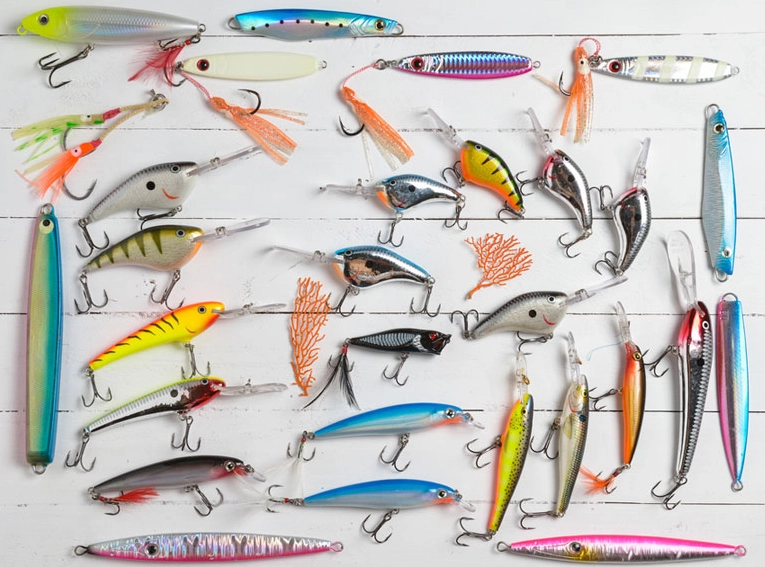
Gearing Up for Saltwater: Corrosion is the Enemy
Fly Fishing Fundamentals: A Different Game
Pro Tips for Gear Organization and Storage
Your Fishing Gear Questions Answered