Stay Warm & Fish Longer: The Complete Guide to Insulated Fishing Waders
Struggling with cold feet while winter fishing? This complete guide to insulated fishing waders explains how they work, key features like insulation types and boot fit, and how to choose the right pair for extended comfort in icy waters.
Let's be honest. The best fishing often happens when everyone else is indoors. Early spring trout, late fall steelhead, winter walleye – that's when the fish are active and the crowds are gone. But standing in a freezing river for hours? That's a recipe for misery, or worse. I learned this the hard way on a Montana trip years ago. My cheap, uninsulated waders turned me into a human popsicle by 10 AM, cutting a dream trip painfully short. That's the moment I truly understood the game-changing power of a good pair of insulated fishing waders. They're not just a piece of gear; they're your ticket to fishing longer, safer, and more successfully in cold water. This isn't about pushing a specific brand. It's about giving you the knowledge I wish I'd had. We'll cut through the marketing jargon and look at what actually matters when your toes are on the line in 40-degree water. Forget the idea of "heating." Insulated waders don't have little heaters in them. Their job is thermal retention. Your body is the furnace, constantly producing heat. The waders' job is to trap that heat inside and slow down its escape into the cold water surrounding your legs. Think of it like a thermos. A good thermos doesn't make your coffee hot; it keeps the heat your coffee already has from leaking out. Insulated waders work on the same principle. The insulating layer – usually synthetic fleece, foam, or wool – creates millions of tiny air pockets. Still air is an excellent insulator. This barrier drastically slows the transfer of your body heat to the cold neoprene or membrane fabric on the outside, which is in direct contact with the water. Pro Tip Most Miss: The insulation's effectiveness is completely dependent on fit. If your waders are baggy, that trapped warm air can circulate and cool down, creating cold spots. A proper, snug fit (without restricting movement) minimizes air movement, making the insulation far more efficient. This is why trying them on with your intended base layers is non-negotiable. Not all insulation is created equal. Here’s where you need to pay attention. Fleece-Lined (Polyester): The most common. It's lightweight, dries quickly, and provides good warmth for its weight. Perfect for moderate cold (water temps down to the low 40s °F). It's also less bulky, allowing for better mobility. This is your first critical choice. If your feet are cold, you're done. The boot is arguably more important than the leg insulation. Don't just buy the pair with the highest "gram" rating of insulation. Match the gear to your fishing. My personal process? I own two pairs. A lightweight insulated breathable pair for shoulder seasons and a heavy-duty neoprene pair for dead-of-winter steelheading. It's an investment, but it covers all bases. Insulated waders are a bigger investment, so protecting them is crucial. The insulation can hold moisture and odors if neglected. After every trip: Turn them inside out as much as possible and hang them in a cool, dry, shaded place. Never put them away damp. A fan speeds this up dramatically. My feet still get cold in my insulated boot feet after a few hours in an icy river. What am I doing wrong? Are insulated breathable waders worth the high price over insulated neoprene? How do I layer clothing under my insulated waders without getting too bulky? Can I repair a small puncture in the insulated layer myself, or does it ruin the wader?What's Inside This Guide?
How Insulated Fishing Waders Actually Keep You Warm (It's Not Magic)
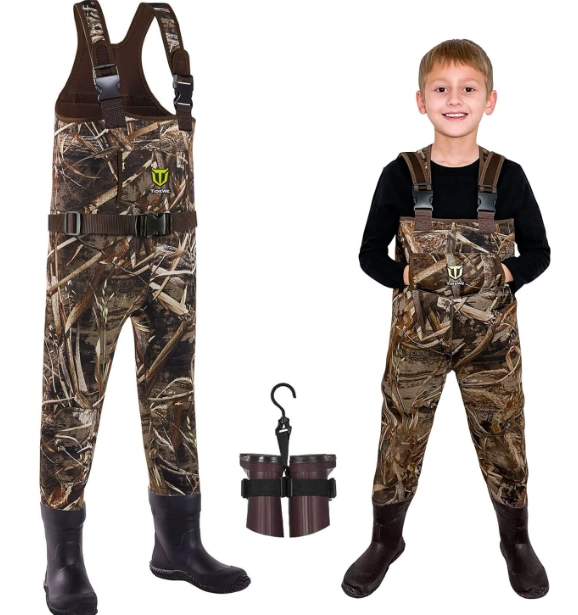
Key Features Breakdown: Material, Fit, and Boots
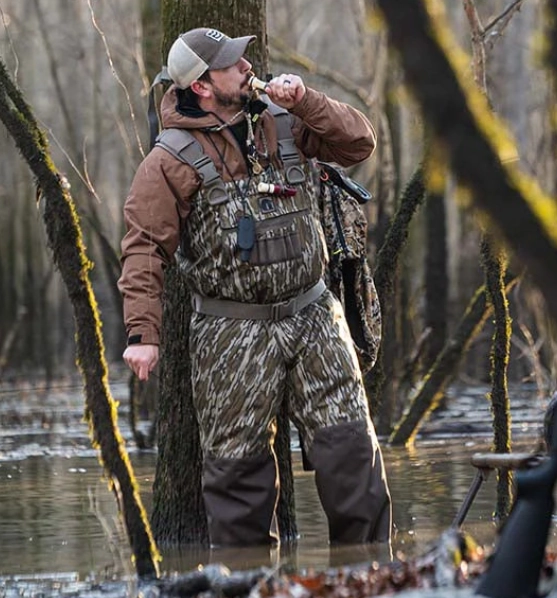
1. The Insulation Type: Fleece vs. Synthetic vs. Wool
Thermal-Foam or Synthetic Batting: Often found in heavier-duty waders. Provides superior loft and warmth for extreme cold (ice-off seasons, winter surf fishing). The downside is increased bulk, which can feel restrictive if you're hiking far.
Wool-Blend Linings: A premium, old-school choice. Wool retains heat even when wet, which is a huge plus. It's naturally odor-resistant and incredibly durable. However, it's heavier, takes longer to dry, and is usually the most expensive option. Brands like Simms have reintroduced wool linings in their top-tier models.2. The Outer Shell Material: Neoprene vs. Breathable
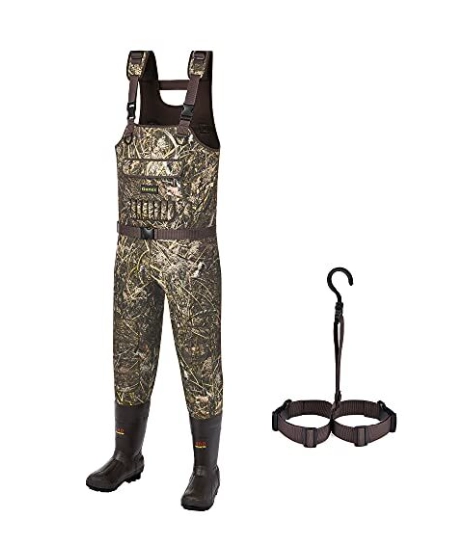
Insulated Neoprene Waders: Think of a thick, flexible wetsuit. The neoprene itself provides inherent insulation and is highly durable and abrasion-resistant. They're often less expensive upfront. The big trade-off? Zero breathability. You will sweat on the hike in, and that moisture stays inside. They are also heavier and less packable.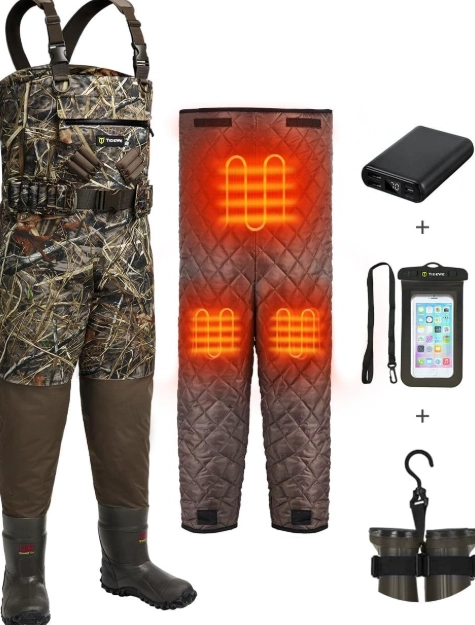
Insulated Breathable Waders: These use a waterproof/breathable membrane (like GORE-TEX) as the outer shell, with a separate insulation layer bonded inside. This is the modern standard for most serious cold-water anglers. They breathe, letting sweat vapor escape, which keeps you drier and more comfortable overall. They are lighter and pack smaller. The downside is they are generally more expensive and can be more vulnerable to punctures from sharp rocks or branches.3. The Boot Foot: The Foundation of Warmth
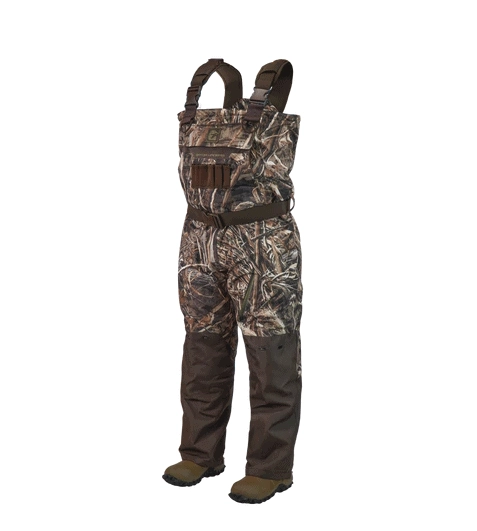
Insulated Boot Feet are essential. Look for ratings like 5mm, 7mm, or even 9mm of neoprene in the bootie. More material means more warmth but also less tactile feel. Some high-end waders use layered fleece inside the bootie.
Fit is everything here. A boot that's too large creates an air gap your body heat can't warm. Too small, and you cut off circulation, guaranteeing cold feet. Always try them on with the exact sock system you'll fish in.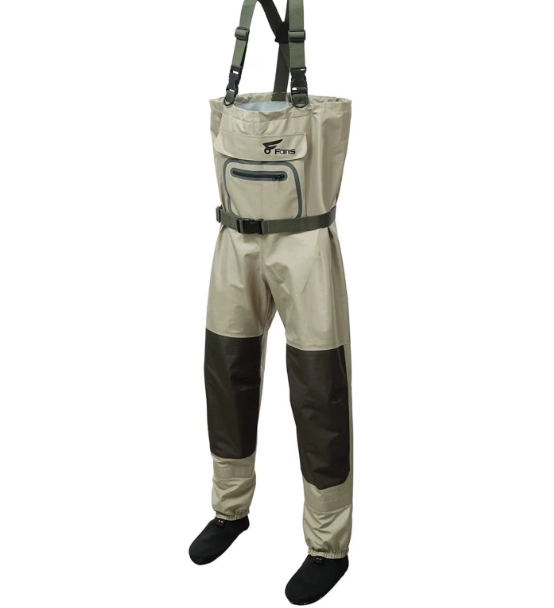
A Step-by-Step Guide to Choosing Your Perfect Pair
Your Fishing Scenario
Recommended Wader Type
Why It Works
Early Spring / Late Fall Trout
Water: 40-50°F (4-10°C), some hikingBreathable waders with 200-400g fleece lining, 5mm boot feet.
Breathability manages sweat on hikes. Moderate insulation is sufficient for active fishing. Good balance of warmth and mobility.
Winter Steelhead or Salmon
Water: 33-45°F (1-7°C), long periods of standingBreathable waders with 400g+ synthetic or wool lining, 7mm+ boot feet. Consider neoprene if budget is tight.
Maximum heat retention for low activity. Thicker boots combat icy water. Durability is key for rocky rivers.
Ice-Off Lake Fishing / Winter Surf
Water: Near freezing, high wind chillHeavy-duty insulated neoprene (3-5mm) or premium breathable with thermal batting. Hooded top recommended.
Neoprene's wind-blocking is key. Maximum insulation needed. Surf models often have gravel guards and reinforced knees.
Cold Weather Fly Fishing with Lots of Wading
Water: Cold, but you're constantly movingBreathable waders with lighter fleece (100-200g). Prioritize fit and mobility.
Your activity generates heat. Over-insulating will make you sweat. Focus on wind protection and waterproofness.
Making Them Last: Care and Maintenance You Can't Skip
For deep cleans: Use a tech wash designed for waterproof fabrics (like Nikwax Tech Wash). Never use detergent or fabric softener—they clog the breathable membrane and can degrade synthetic insulation.
DWR Refresh: The outer shell's water-repellent coating wears off. Reapply a spray-on or wash-in DWR treatment once a season to keep water beading up.
Storage: Store them loosely folded or hanging in a cool, dark place. Never store them tightly rolled or compressed, as this can damage the insulation's loft over time.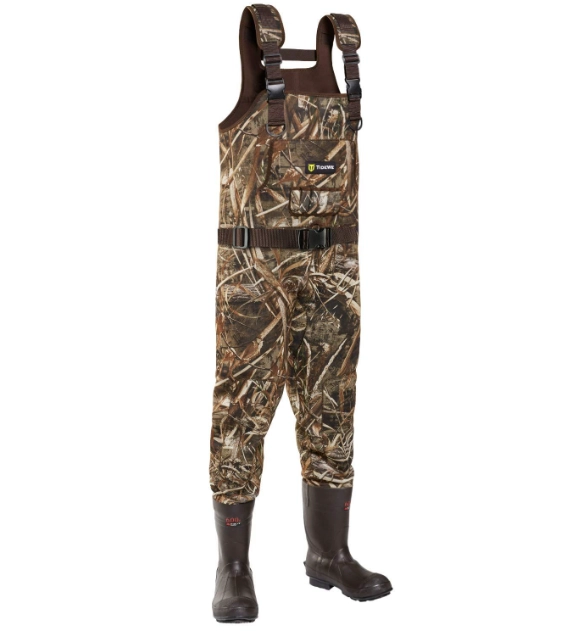
Cold Water Veteran: Your Questions Answered