Bass Fishing Waders Guide: Choose, Use & Care
Struggling to choose the right bass fishing waders? This guide covers material choices, fit, essential features, and pro tips for staying dry and comfortable on the water, based on hard-earned experience.
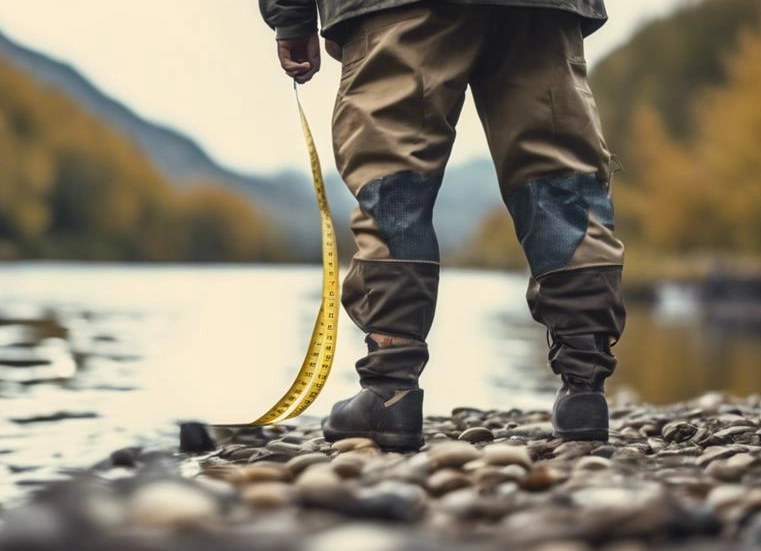
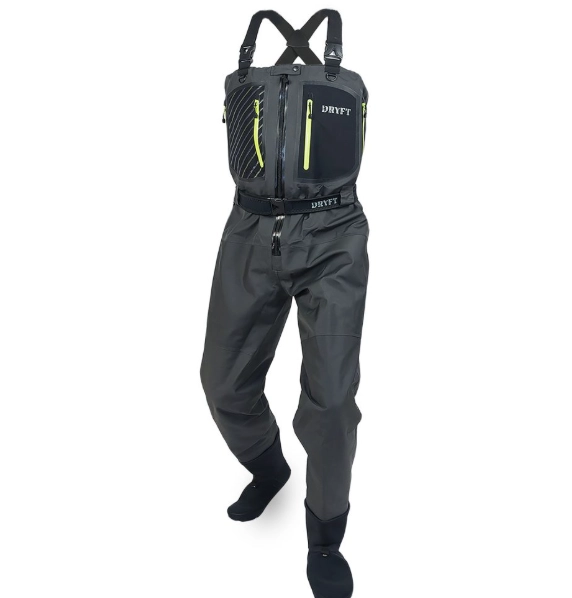
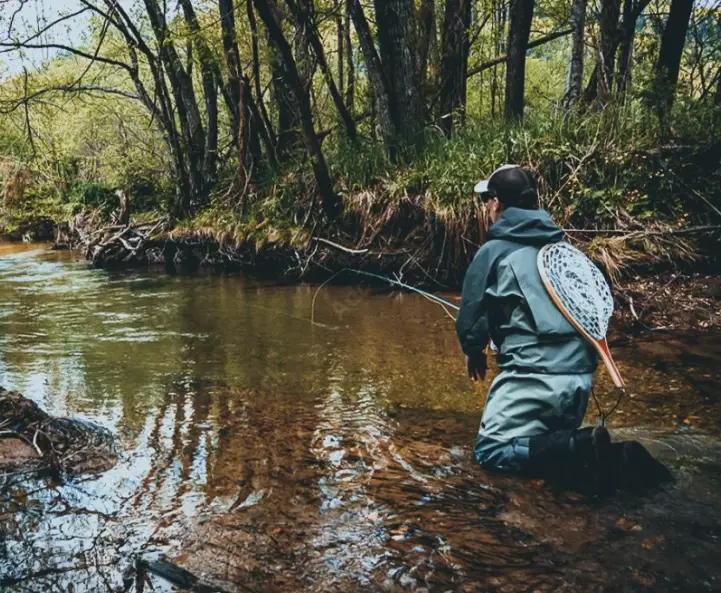
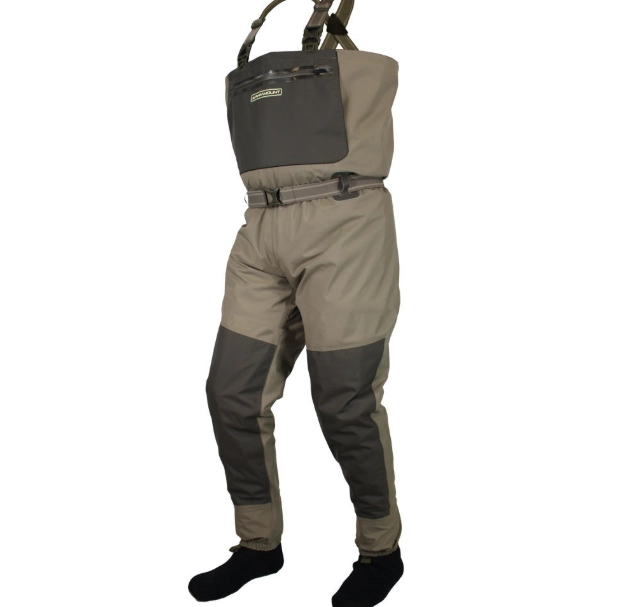
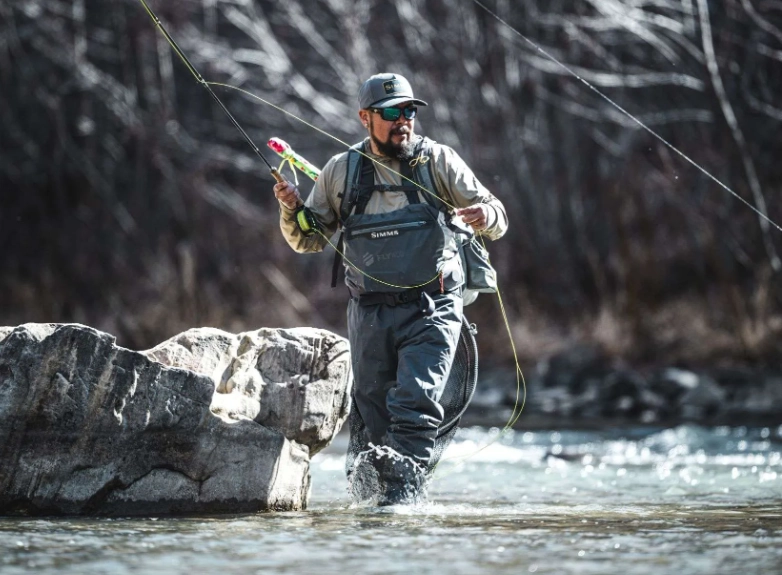
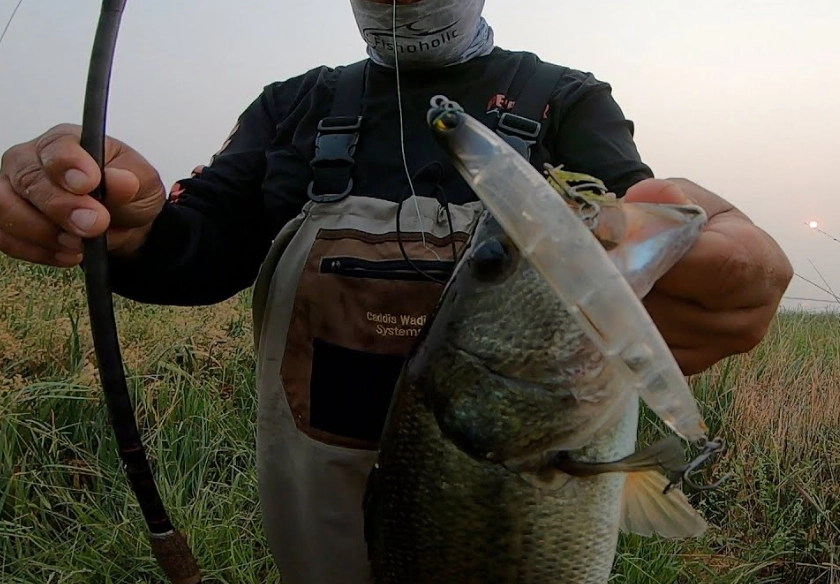
Let's be honest. Waders aren't the glamorous part of bass fishing. You don't see Instagram reels zooming in on your neoprene booties. But after a decade of chasing largemouth and smallmouth from shorelines and kayaks, I can tell you this: your choice in bass fishing waders is the single biggest factor between a comfortable, productive day and a miserable, cut-short slog. I learned this the hard way, shivering in a cheap pair that sprung a leak in 45-degree water. That experience cost me a trophy smallmouth and my dignity as I clumsily climbed back to shore. This guide is everything I wish I'd known back then. Picking waders isn't about finding the "best" pair. It's about finding the right pair for your fishing. Most guides talk about breathable vs. neoprene, but they miss the subtle details that matter on the water. You have two main players for bass fishing, and your climate decides the game. Here's a non-consensus point I'll argue all day: for most bass anglers fishing three seasons, a good pair of breathable chest waders is the superior choice. The comfort and versatility win. Neoprene is a specialist tool for extreme cold. This seems obvious, but I see guys get it wrong. If the water you're fishing is consistently below your waist, hip waders can work. They're cooler and less restrictive. But for bass fishing? You're often pushing through reeds, stepping off drop-offs, or wading out to cast to a lily pad line. That one unexpected deep step can flood hip waders instantly. Chest waders are the default recommendation for safety and versatility. The only time I use hip waders now is for specific, known-shallow farm ponds in summer. A poor fit causes leaks faster than a sharp branch. It's not about "size Large." It's about how it moves with you. Try them on with the socks and base layer you'll actually fish in. Do a deep squat. Simulate a long casting stride. Can you raise your knees high? If not, size up or try a different brand. Brands like Simms, Frogg Toggs, and Caddis all have slightly different cuts. You've got your waders. Now let's not ruin them on the first trip. Never put waders on over bare feet or sharp belt buckles. Wear wading socks (thin, synthetic). Use a wader belt—not the flimsy one it comes with, but a sturdy, quick-release belt worn over the waders, snug around your waist. This does two critical things: it prevents a sudden fill-up with water if you fall in (trapping air in the legs), and it provides lower-back support during long wades. I also sprinkle a bit of talcum powder or cornstarch inside the booties. It sounds silly, but it makes sliding your feet in effortless and reduces moisture buildup. Moving water is powerful. Always use a wading staff in current, even if you think you don't need it. It's a third leg. Shuffle your feet—don't step. You feel the bottom better and avoid tripping. Face upstream when crossing a current; the pressure is on your chest, not your back. Know your exit points before you get in. Look for gradual slopes, not steep, muddy banks you can't climb. Fishing from a kayak in waders makes some people nervous. The key is the wader belt. Tighten it properly. If you go overboard, the belt limits how much water can rush in, and the trapped air can actually provide brief buoyancy. Practice a wet exit in a controlled, shallow environment. The confidence is worth it. I wear breathables in the kayak almost exclusively; wet neoprene is a nightmare to get back into. Rot and seam failure kill more waders than snags. Here's the routine that's kept my current pair going for five seasons.Quick Navigation: What's Inside
How to Choose Bass Fishing Waders: Material, Type, and Fit
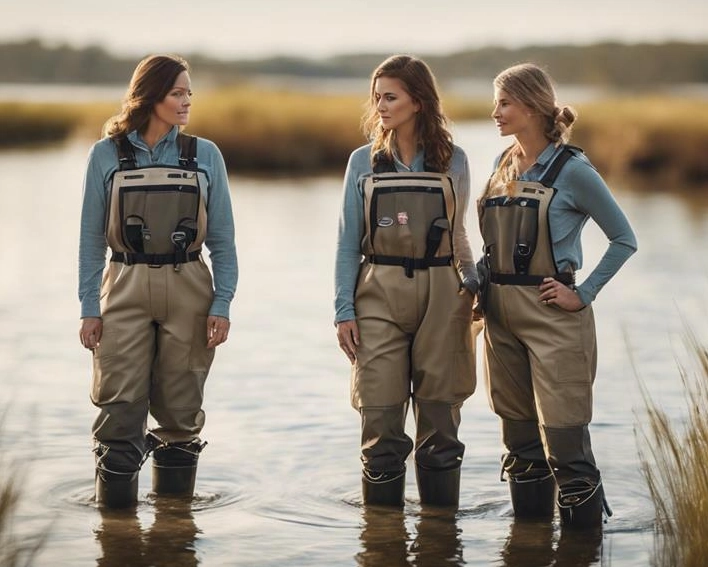
The Material Showdown: It's Not Just Fabric
Material
Best For
The Real-World Trade-Off
Breathable (Nylon/Polyester with membrane)
Warmer months, active fishing, kayak-to-shore transitions.
Keeps you dry from the outside but lets sweat vapor escape. Light and packable. The downside? They offer zero insulation. In cold water, you'll need layered clothing underneath, which is a pro tip many forget: your warmth comes from your layers, not the wader.
Neoprene (3mm or 5mm)
Late fall, winter, and early spring bass fishing in icy water.
Provides built-in insulation and is more abrasion-resistant against rocks and brush. The big catch? You will sweat. A lot. On a long hike to a remote spot, you can arrive soaked from the inside. They're also heavier and less flexible.
Chest Waders vs. Hip Waders: The Depth Decision
The Rule of Thumb:
The Fit is Everything (Seriously)
How to Use Your Waders on the Water: Pro Tips Beyond the Manual
Getting Dressed: The Ritual
Wading Safety: This Isn't a Swimming Pool
The Kayak Conundrum
Cleaning, Drying, and Storing: The Lifespan Extenders
Common Wader Questions Answered