The Ultimate Guide to Fishing Waders for Women: Fit, Comfort & Performance
Struggling to find fishing waders that actually fit a woman's body? This detailed guide cuts through the hype, covering everything from anatomy-specific sizing and material choices to real-world warmth tips for female anglers.
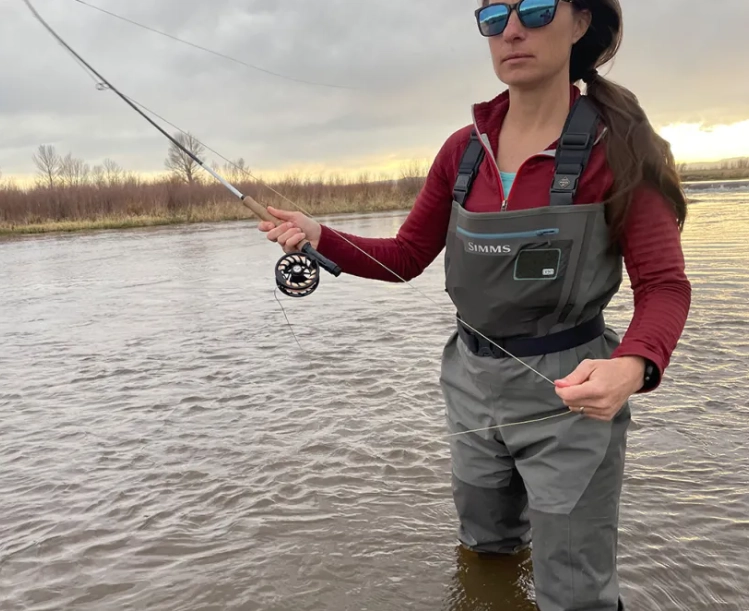
Let's be honest. For years, finding a decent pair of women's fishing waders meant grabbing whatever the store had in a "small" or "medium," hoping it wouldn't feel like you were wearing a deflated garbage bag with suspenders. The shoulders would sag, the chest would gap, and the inseam? Forget about it. You'd either be tripping over excess material or feeling a constant, uncomfortable pull in the crotch. It was frustrating enough to make some women just stick to the bank. Thankfully, that's changing. More brands are finally designing waders from the ground up for the female form, not just shrinking and pinking a men's design. But navigating this new landscape comes with its own questions. Neoprene or breathable? Bootfoot or stockingfoot? How do you actually know if they fit right? I've spent over a decade on the water, guiding trips and testing gear, and I've seen—and felt—the good, the bad, and the downright uncomfortable. This guide is here to cut through the marketing and give you the straight talk on finding waders that work for you, not just a generic idea of an angler. This is the most important point, and one most articles gloss over. A proper women's wader design accounts for three key anatomical differences: Shoulder and Torso Proportions. Women generally have narrower shoulders and a shorter torso relative to their height. A men's wader, even in a small size, will often have shoulder straps that sit too wide, causing them to slip off. The chest area will be boxy, creating air gaps that make you colder and can affect your casting balance. Hip and Waist Ratio. This is the big one for comfort and mobility. A design tailored for women has more room through the hips and a more defined waist. This eliminates that dreaded "diaper" look and, more importantly, prevents the material from pulling taut across your hips when you take a big step onto a rock or climb a bank. That constant tension is a recipe for premature seam failure. Inseam and Rise. The distance from the crotch to the waist (the rise) and the crotch to the ankle (the inseam) is typically different. A correct rise means you can bend, squat, and stride without feeling like you're in a straitjacket or, conversely, like the waders are falling down. Don't just buy a "small" in a unisex or men's line if you can avoid it. Look for products explicitly labeled and engineered as "women's waders." The difference in day-long comfort is night and day. Your two main choices. Each has a perfect use case, and choosing wrong can ruin your day. These are the go-to for most trout, bass, and warm-water fishing. They're made from a waterproof yet air-permeable membrane (like GORE-TEX) sandwiched between protective layers. The biggest perk? They let sweat vapor escape. If you're hiking to remote spots or fishing in changeable weather where you might work up a sweat, breathables prevent that clammy, damp feeling inside. They're also lighter and pack down smaller. The downside is they provide zero inherent insulation—you layer underneath for warmth. Best for: Moving water, hiking in, temperate to cool weather (with layers), kayak fishing where mobility is key. Think of these as your winter wetsuit. Neoprene is a spongy, insulating rubber. It provides built-in warmth because it traps a thin layer of water next to your skin, which your body heats up. They're incredibly durable and abrasion-resistant. The trade-off? They're heavy, less flexible, and not breathable at all. You will sweat in them during any physical activity, and that moisture has nowhere to go. Best for: Ice-off seasons, bitterly cold water, stationary fishing (like steelhead on a drift boat), or situations where you're in and out of the water frequently and need the insulation. I made the mistake of buying thick 5mm neoprenes for early fall trout fishing in Montana. The mornings were fine, but by noon, I was a walking sauna. I switched to breathables with a light fleece layer and never looked back. Forget the brand name for a second. Start by asking yourself these three questions: 1. What's my primary fishing environment? 2. Bootfoot or Stockingfoot? 3. What's my budget reality? Try them on at home with the layers you'd normally wear. Don't just stand there—move! We often run colder than men, especially in the extremities. The standard advice of "wear layers" needs a tactical upgrade. Forget Cotton. Entirely. Cotton kills, as they say. It absorbs moisture and holds it next to your skin. Your first layer must be a synthetic or merino wool base layer. I'm a huge fan of mid-weight merino wool—it regulates temperature, wicks sweat, and doesn't hold odors. The Core is Key, But Don't Forget Your Feet. Everyone piles on the fleece. The real hack? Insulated wading boots or neoprene wading socks. Cold water sucks heat directly from your feet. If you have stockingfoot waders, consider boots with Thinsulate or similar insulation. For bootfoot waders, wear a thin, wicking sock under a thick wool sock. Also, those little adhesive foot warmers on the top of your toes (not the bottom) work wonders. Hands and Core Last. A down or synthetic puffy vest under your wading jacket is more efficient than a bulky sweater. It keeps your core warm without restricting arm movement for casting. Here's a quick, honest rundown based on my and my clients' experiences. Prices are approximate. Simms Women's Freestone Waders: The entry-point into Simms' legendary quality. A robust 3-layer breathable build. The fit is genuinely tailored—great through the hips and torso. They're not as feature-packed as their top tier, but for $250, they're the most reliable "first good wader" you can buy. The pockets are a bit small, though. Patagonia Women's Swiftcurrent Waders: Incredibly light and flexible. Patagonia's environmental ethos is a big plus. The fit is athletic—slim through the legs and torso. If you have a more curvy figure, you might find them restrictive in the thighs. Their customer service and repair program is arguably the best in the business. Orvis Women's Pro Waders: A fantastic all-rounder. Four-layer durability, great feature set (like the internal flip-out pocket for a phone), and a fit that balances room for layers with a feminine shape. They're pricey (around $550), but they're built to last seasons. Some find the shoulder straps a tad finicky to adjust perfectly. Frogg Toggs Women's Hellbender Waders: The budget champion. You can often find these under $200. They're a 3-layer breathable with a decent women's-specific cut. Don't expect the durability or refined fit of the brands above, but for occasional use or if you're just testing the waters (literally), they get the job done. The seams can be a weak point over time. Finding the right pair of waders is a game-changer. It turns fishing from an exercise in enduring discomfort into pure, focused enjoyment. Take your time, use the fit checklist, and invest in what truly fits your body and your fishing. Your future self, warm and dry on the river, will thank you.What's Inside This Guide
Why Women's Waders Are Different (It's Not Just Size)
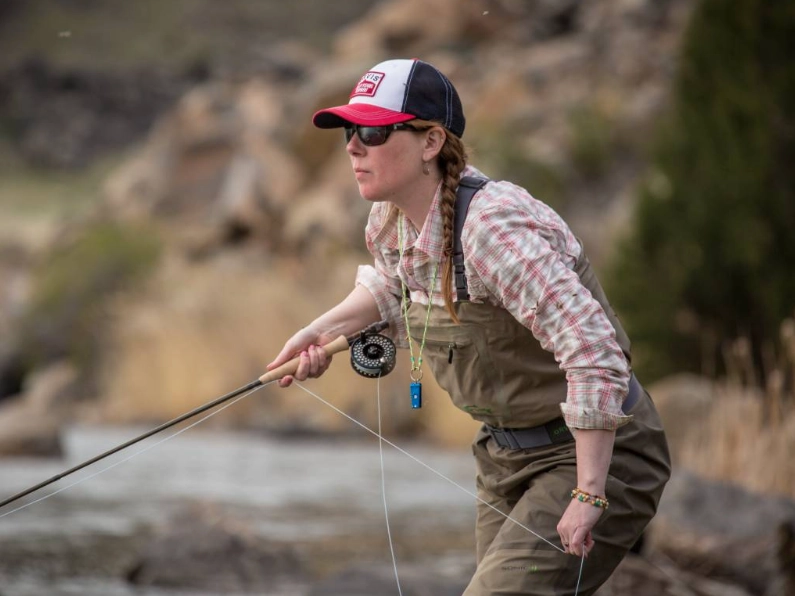
Key Takeaway:
The Great Material Showdown: Breathable vs. Neoprene
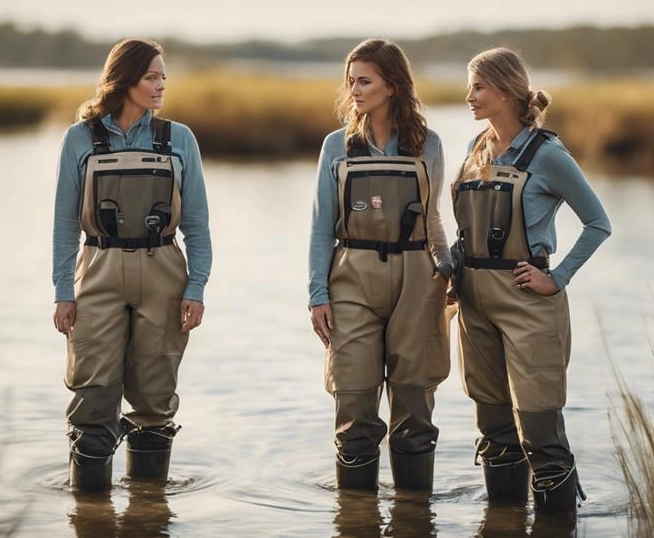
Breathable Waders (3-Layer or 4-Layer Fabric)
Neoprene Waders (3mm, 4mm, 5mm)
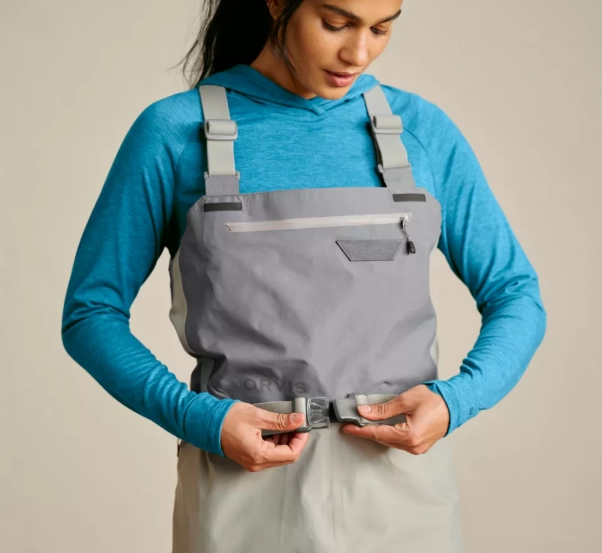
How to Choose the Right Waders for You
Standing in a spring creek all day? Breathables. Wade fishing for Great Lakes salmon in November? Neoprenes or heavy-duty breathables with serious baselayers.
Bootfoot waders have the boot permanently attached. They're simpler (just one piece to put on), often more affordable, and the boot is usually insulated. The con? If the boot wears out, the whole wader is trash. Fit can also be trickier, as you're locked into that boot size.
Stockingfoot waders have neoprene feet (like socks) and you wear separate wading boots. This is the choice for 90% of serious anglers. It offers a customizable fit (you buy your boot size separately), better ankle support and traction from dedicated boots, and when the boots wear out, you just replace them. The waders usually last longer.
Good waders aren't cheap, but they're an investment. $250-$400 is the sweet spot for quality, durable women-specific breathables. You can find entry-level pairs under $200, but be prepared for potential compromises in durability or fit precision. Neoprenes are often less expensive.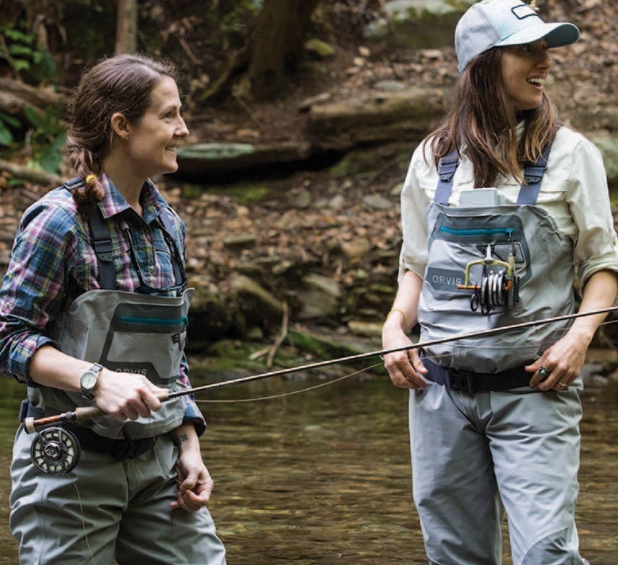
The Ultimate Women's Wader Fit Checklist
Area to Check
What You're Looking For
Red Flag
Shoulders
Straps sit centered, no slipping. You can raise your arms overhead without restriction.
Straps fall off your shoulders. Material binds under your armpits.
Chest & Torso
Snug but not tight. Enough room for a mid-layer. No large air pockets.
Gaping in the chest when you bend forward. Feeling like you're in a barrel.
Hips & Waist
Comfortable room through hips. Waistband sits securely without digging in.
Material is taut across hips when you lunge. Waistband rolls over.
Inseam & Crotch
Crotch sits naturally. No excess fabric bunching between your legs. No upward pull.
Constant "wedgie" feeling. Tripping over long leg material.
Arms & Leg Length
Cuffs hit at wrist and ankle bone. Slight bunching at knees/elbows is okay for mobility.
Sleeves/legs are way too long, creating water-catching pools.
Staying Warm: The Female Angler's Secret Weapon
Navigating the Top Brands & Models
Your Questions, Answered (No Fluff)