Waterproof Fishing Waders: The Ultimate Selection and Care Guide
Struggling to find the perfect waterproof fishing waders that won't leak, are comfortable for long days, and fit your budget? This detailed guide cuts through the noise, comparing materials, styles, and brands to help you make the right choice and keep your waders lasting for seasons.
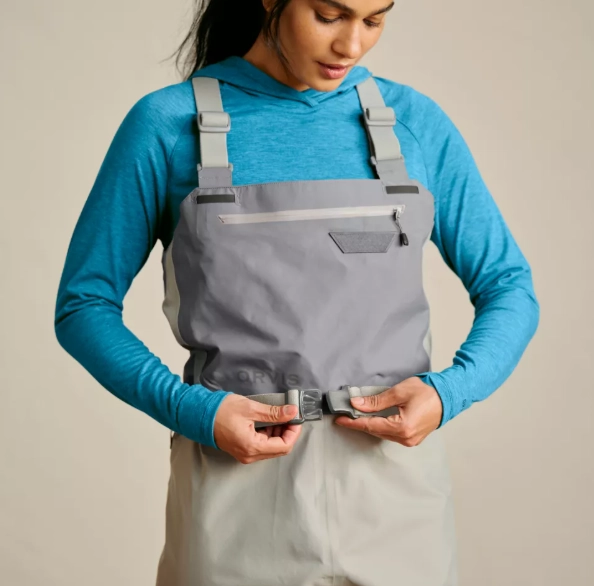
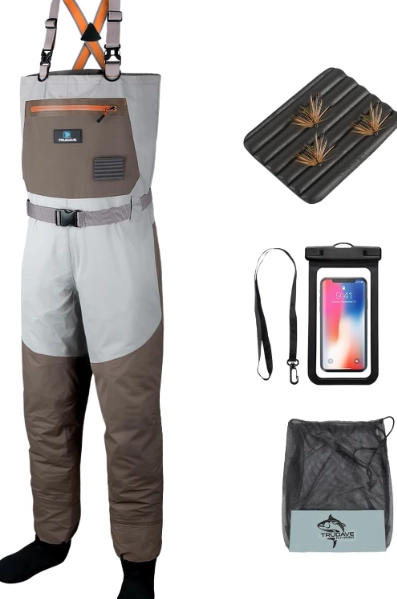
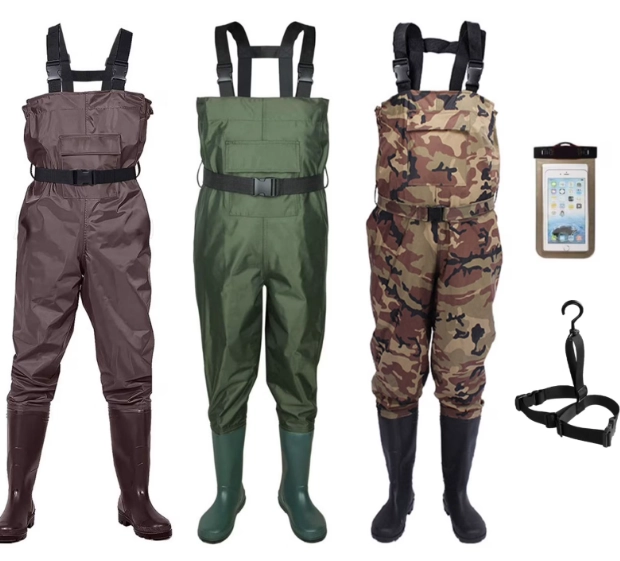
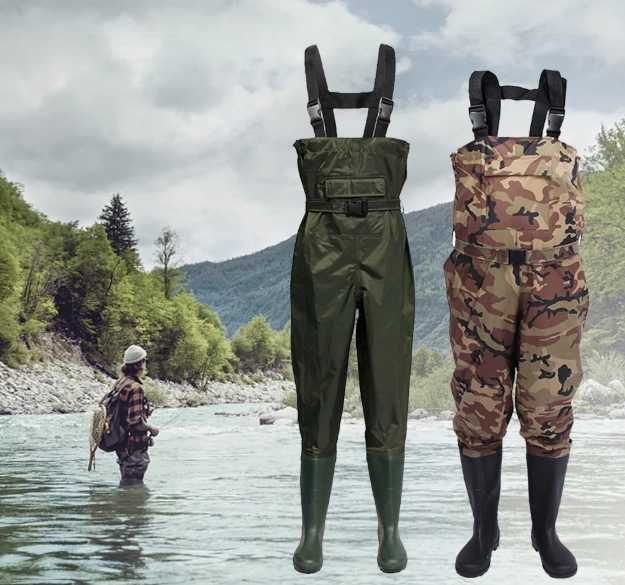
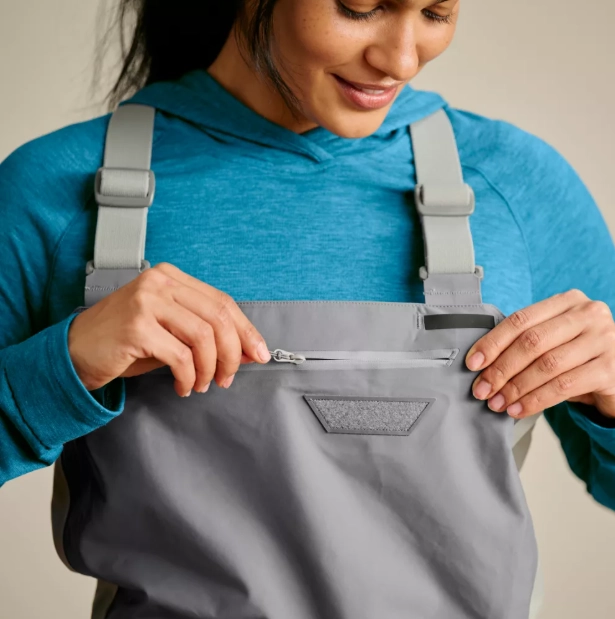
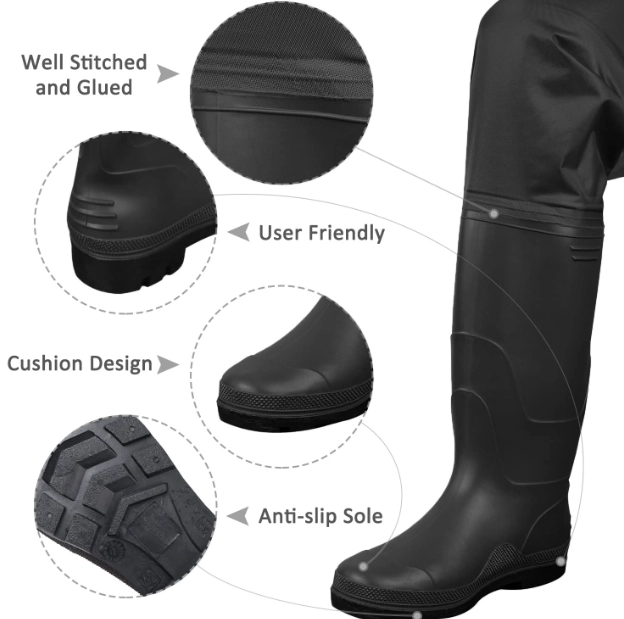
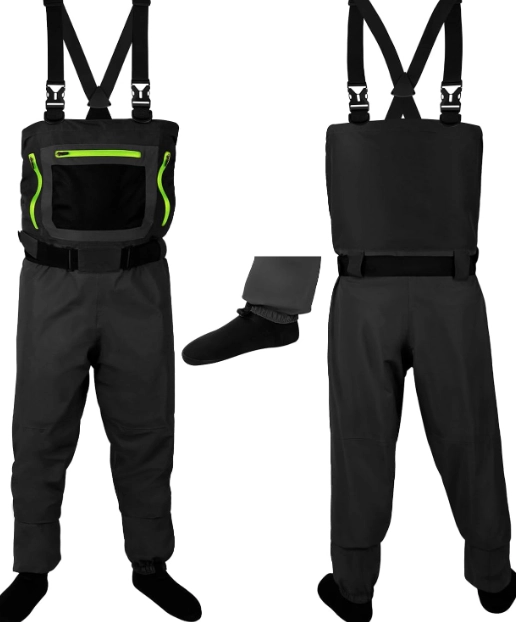
Let's talk about the one piece of gear that stands between you and a miserable, cold, wet day on the water: your fishing waders. It's not the most glamorous purchase, but get it wrong, and it can ruin your entire trip. I've seen guys shivering on the bank because their cheap waders sprung a leak in the first hour. I've also been that guy, years ago, wrestling with a pair that felt like a sauna suit in July. The market is flooded with options—neoprene, breathable, stockingfoot, bootfoot, prices ranging from "impulse buy" to "second mortgage." How do you choose? It's more than just picking a size. It's about matching the technology to your fishing style, the water temperature, and, honestly, how much you hate being uncomfortable. This guide is what I wish I had when I bought my first pair. We'll strip away the marketing jargon and look at what actually matters for staying dry, warm, and mobile. From the science of the materials to the nitty-gritty of fit and repair, consider this your one-stop shop for wader wisdom. This is the first and biggest fork in the road. Your choice here dictates everything—warmth, mobility, seasonality, and price. Neoprene Waders: These are the old-school workhorses. They're made from synthetic rubber, often with a nylon lining. The big sell is insulation; the foam traps your body heat. In icy water, that's a godsend. But here's the catch everyone forgets to mention: they're heavy. Walking a mile to your spot in 3mm neoprene feels like a workout. And if you're fishing in anything above 50°F (10°C), you'll sweat. A lot. It's like wearing a wetsuit. They're also less flexible, which can make climbing banks or taking big steps feel restrictive. I still keep a pair for dead-of-winter steelheading. But for 90% of my fishing? No way. Breathable Waders (Laminated Fabrics): This is the modern standard for a reason. Brands like Simms, Patagonia, and Orvis use multi-layer laminates (often 3 to 5 layers) with a waterproof/breathable membrane like GORE-TEX® or their own proprietary tech. The magic is in the "breathable" part. Water molecules from the outside can't get in, but water vapor (your sweat) from the inside can escape. The result? You stay dry from the river and from yourself. They're incredibly light, packable, and offer the best range of motion. The trade-off is they provide zero insulation—you layer underneath for warmth. This is actually an advantage. You can wear light thermals in spring and heavy fleece in fall with the same shell. The downside is cost. Good breathable waders are an investment. And the membrane can be more susceptible to punctures from sharp branches or hooks if you're not careful. Pro Tip: Don't get hung up on brand-name membranes alone. The durability often comes from the face fabric (the outer layer) and the construction of the seams. A well-built 3-layer wader from a reputable brand can outlast a cheap 5-layer one. Another fundamental choice. Do you want the boots attached or separate? My take? If you're a serious river or stream angler, especially walking tricky banks, stockingfoot waders are the way to go. The support from a proper wading boot is a safety feature. I took a nasty slip once in an old pair of bootfoots—my ankle rolled because the boot was too soft. Never again. Bootfoots shine for pond fishing, duck hunting, or any situation where you're in and out of a boat or on flat ground. The convenience is undeniable. Just roll them on and go. Stop looking at price tags first. Start with your fishing. Answer these questions: Where and when do you fish most? What's your budget realistically? Set a range. Under $150 gets you basic neoprene or entry-level breathables. Expect thinner materials, simpler seams (tape vs. blind-stitched & taped), and less durability. $250-$500 is the sweet spot for reliable, multi-season breathable waders from major brands. Over $500 gets you premium features: tougher fabrics, more ergonomic patterning, and often better warranty service like the repair program from Simms. The biggest mistake I see? Buying waders that are too big. "I'll layer under them," you think. What happens is you get folds and creases that wear out quickly from internal friction. The fabric constantly rubs against itself. A properly fitted wader should allow for your base layers without excessive bagginess. Fit isn't about comfort alone; it's about durability and safety. Here’s how to get it right: 1. The Inseam is King. Most brands offer Short, Regular, and Long sizes. This isn't just about height—it's about where the crotch sits. Too long, and the material bunches at your ankles, tripping you up. Too short, and you're doing the splits with every step, putting massive stress on the seams. When you try them on (with your fishing layers), the crotch should sit naturally at your body's crotch. 2. Shoulders and Arms. Raise your arms as if casting. There should be no tight pull across the back or shoulders. The arm length should end at your wrist bone. 3. The Crucial Boot Fit (for Stockingfoot). This is a two-part system. The wader's neoprene foot should fit snugly without cramping your toes. Then, your wading boot should be sized to accommodate that neoprene foot plus a thick sock. A common formula is wading boot size = your regular shoe size + 1 to 1.5 sizes. Try this combo in the store. This sounds trivial, but it's where many leaks start. Never grab the wader by the neoprene stockingfoot and yank. You'll stretch and weaken the crucial seam where the foot meets the leg. Take your time. Rushing here can lead to a costly seam failure. Even the best waders need care. Neglect turns a $400 investment into a disposable item. After Every Trip: Rinse them inside and out with fresh water, especially after saltwater use. Hang them to dry inside out in a cool, shaded place. Never dry them with direct heat (radiator, hair dryer, hot sun). Heat degrades the adhesives and membranes. I use a simple fan in my garage. Storage: Once completely dry, store them hanging right-side out on a wide, padded hanger. Don't fold them tightly for long periods. Keep them away from ozone sources like furnaces or motors. Repair is Inevitable: Small punctures from hooks or thorns are not the end. Aquaseal FD or UV Wader Repair is your best friend. Clean the area with alcohol, apply a thin layer, and let it cure. For seam leaks or larger tears, most top brands offer professional repair services. It's often worth the cost versus buying new. I patched a 2-inch tear on the knee of my main waders three seasons ago. The patch is still holding strong. The key is to address leaks immediately before they grow. Choosing the right waterproof fishing waders isn't about finding a mythical "best" pair. It's about finding the right tool for your specific job. Ignore the flashy ads and think about your local water, your season, and how you move. A well-chosen, well-fitted, and well-cared-for pair isn't just gear; it's a reliable partner that lets you focus on the fishing, not on being cold and wet. Now get out there and stay dry.What You'll Learn
The Material Breakdown: Neoprene vs. Breathable Fabrics
The Style Decision: Stockingfoot vs. Bootfoot Waders
Feature
Stockingfoot Waders
Bootfoot Waders
Description
Waders with integrated neoprene booties. You wear separate wading boots over them.
Waders with waterproof boots permanently attached.
Best For
Technical wading, rocky rivers, long hikes, anglers who want customizable support.
Convenience, cold water/weather, sandy or muddy bottoms, boat fishing.
Ankle Support & Traction
Superior. Dedicated wading boots offer better ankle support, stability, and replaceable studs/felt for traction.
Limited. The attached boot is often softer and offers less support on uneven terrain.
Fit & Comfort
More customizable. You can size boots and waders independently for a perfect fit.
Simpler, but a poor fit in one part affects the whole system.
Packability & Travel
Better. Waders pack smaller, boots can be worn separately.
Bulky. The entire unit is one large, awkward shape.
Warmth
Good, but depends on your sock and boot combination.
Excellent. No gap for cold air/water between boot and wader.
How to Choose the Right Waders for Your Fishing
Why Fit Matters More Than You Think
How to Put On Waders Without Damaging Them
Maintain and Repair: Making Your Waders Last
Your Wader Questions, Answered