Essential Guide to Fishing Waders with Boots: Choose, Use, Maintain
Struggling to pick the right fishing waders with boots or keep them in good shape? This guide cuts through the noise with expert advice on choosing the best material, getting the perfect fit, and essential maintenance tips to make your gear last for seasons.
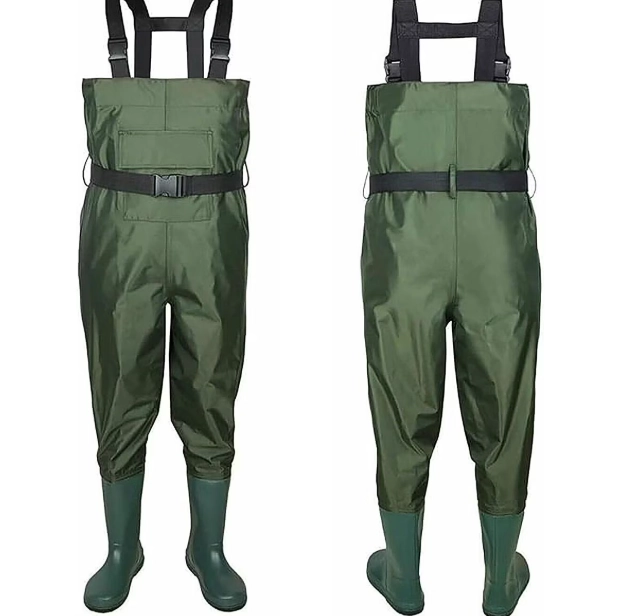
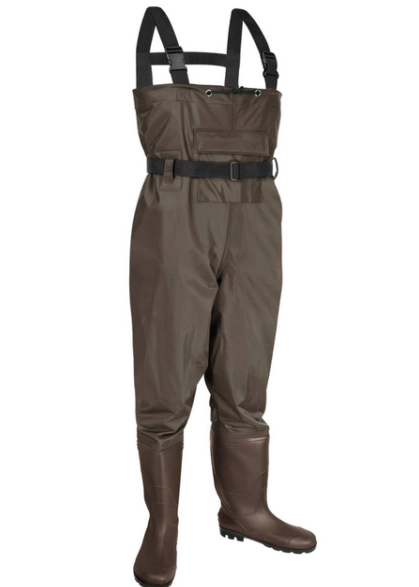
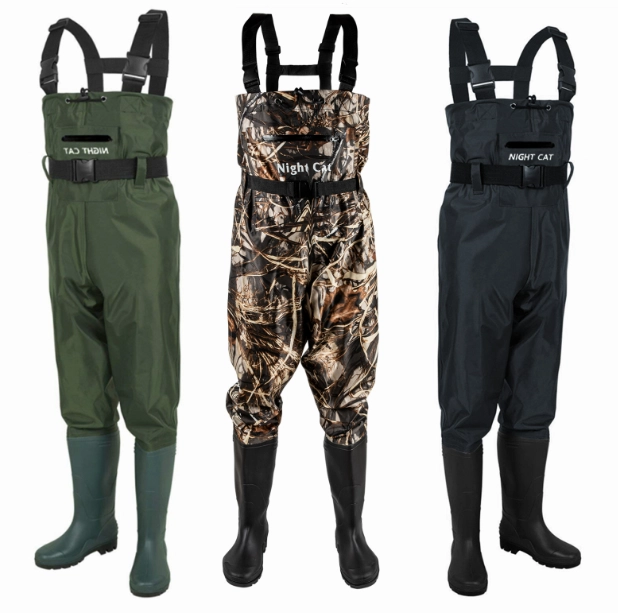
Let's be honest. Standing in cold water for hours isn't fun unless you're dry and warm. That's where a good pair of fishing waders with boots comes in. It's not just another piece of gear; it's your mobile, personal dry zone. But here's the kicker—most anglers, even seasoned ones, get a few critical things wrong when choosing and using them. I've spent over a decade guiding on rocky, cold rivers, and I've seen the same mistakes sink trips (sometimes literally). This isn't just a product roundup. It's a deep dive into the how and why, filled with the kind of advice you only get from messing up a few times yourself. Walk into any shop or browse online, and you're hit with a wall of options. Neoprene, breathable, hybrid. Bootfoot, stockingfoot. It's enough to make your head spin. The choice isn't about the "best" wader; it's about the best wader for your fishing. This is your first and biggest decision. Get it wrong, and you'll be miserable. The most common mistake I see? Anglers buying thick neoprene waders for summer trout because they think "thicker equals more durable." It doesn't. You'll just cook yourself. This one's personal, but here's the real breakdown. Bootfoot Waders have the boot permanently attached. They're convenient. Slip on, and you're ready. The seal between boot and wader is bulletproof. Sounds perfect, right? The downside is fit. If the boot doesn't fit your foot perfectly, the whole system is uncomfortable. You also can't swap boots for different terrain. I find their tread is often less aggressive than dedicated wading boots. Stockingfoot Waders have neoprene feet, and you wear separate wading boots over them. This is the choice for serious anglers. Why? Customization. You can buy boots that fit your feet like a glove, with soles (felt, rubber studs, aluminum bars) chosen for your specific riverbed. The trade-off is more cost and two pieces to put on. My advice? If you're fishing once a month on easy terrain, bootfoot are fine. If you're wading rocky, slippery rivers regularly, invest in a good pair of stockingfoot waders and dedicated boots. The ankle support and traction alone are worth it. Waders are not jeans. You don't want them skin-tight, especially breathable ones. A too-tight fit puts constant stress on the seams, especially in the knees and crotch, and limits your layering ability. When trying them on (with the socks you'll fish in), do a deep squat. If you feel a sharp pull across the shoulders or knees, they're too small. You should have enough room to add a mid-weight fleece layer underneath comfortably. For bootfoot waders, pay attention to the boot's width as much as length. A narrow boot on a wide foot is a recipe for a short, painful day. You've bought them. Now let's not ruin the experience. Putting on waders seems simple, but a wrong step can lead to leaks or a swim. First, layer smartly. Cotton is the enemy. It holds moisture and steals body heat. Start with a synthetic or wool base layer. Your wading belt is not optional. Cinch it tight over the waders, just below your ribcage. This does two crucial things: it creates an air pocket that can provide buoyancy if you go in, and it prevents water from flooding the entire wader if you take a dunk. I've seen guys skip the belt, fall in, and literally fill their waders like two giant water balloons, making it nearly impossible to stand up. Here's the subtle error almost everyone makes: the order of operations for stockingfoot waders. Don't put your wading boots on, laced up tight, and then try to pull the wader leg over them. You'll stretch and strain the thin neoprene stockingfoot. Instead, pull the waders on fully. Then, carefully feed the wader foot into the boot, making sure the wader material is smooth and not bunched up at the toes or heels. A wrinkle there is a guaranteed blister factory. Then lace up. Test your waders at home first. Fill the legs with a bit of water in the bathtub and check for drips. Finding a leak in your driveway is better than finding it in a 45-degree river. Waders are tough but not invincible. The number one killer? Neglect. You come off the river tired, throw them in the garage, and forget them until next time. That mud, sand, and water are slowly degrading the material. Here's the non-negotiable post-trip routine: Punctures happen. A quality wader repair kit (like Aquaseal FD) is a must-have in your vest. Clean the area with alcohol, apply the glue, and let it cure for the full recommended time. Patience here pays off. One more pro tip: For stockingfoot waders, sprinkle a little talcum powder or cornstarch on the neoprene feet before putting them into your boots. It reduces friction and helps them slide in smoothly, preventing wear.Your Quick Guide to Wader Wisdom
Picking Your Waders: Material, Fit, and Boots
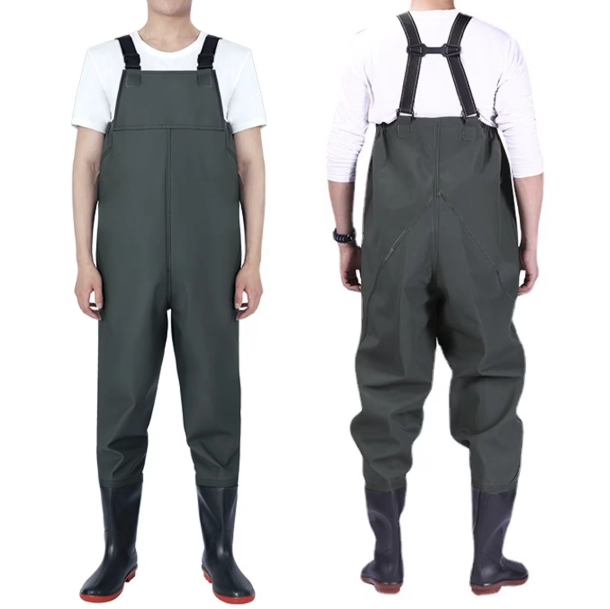
The Material Showdown: Warmth vs. Mobility
Material
Best For
Biggest Pro
Biggest Con
My Take
Neoprene (3mm-5mm)
Ice-off seasons, cold water (below 50°F/10°C), static fishing.
Built-in insulation. You'll stay warm even standing still.
Heavy, bulky, and you will sweat on any hike.
I keep a pair for brutal early spring steelhead. For most trout fishing, they're overkill.
Breathable (Nylon/Polyester laminates)
Most trout, bass, and warm-water fishing; any situation involving hiking or movement.
Lightweight, packable, and won't make you sweat from the inside out.
Zero insulation. You must layer underneath.
This is my 90% solution. The freedom of movement is a game-changer.
Insulated Breathable
Cold weather, but with active fishing. The middle ground.
Some built-in warmth while still allowing moisture vapor to escape.
Less versatile across seasons. Can be too warm for summer.
A good choice if you fish one climate. If your seasons vary wildly, layer under standard breathables.
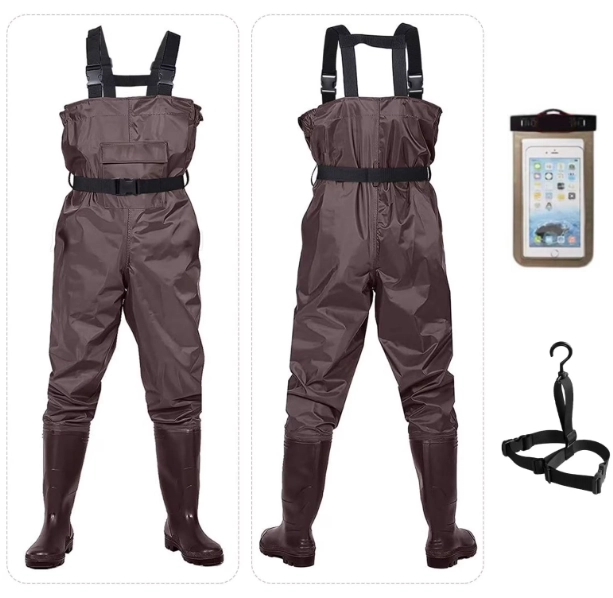
Bootfoot vs. Stockingfoot: The Eternal Debate
The Fit Secret Nobody Talks About
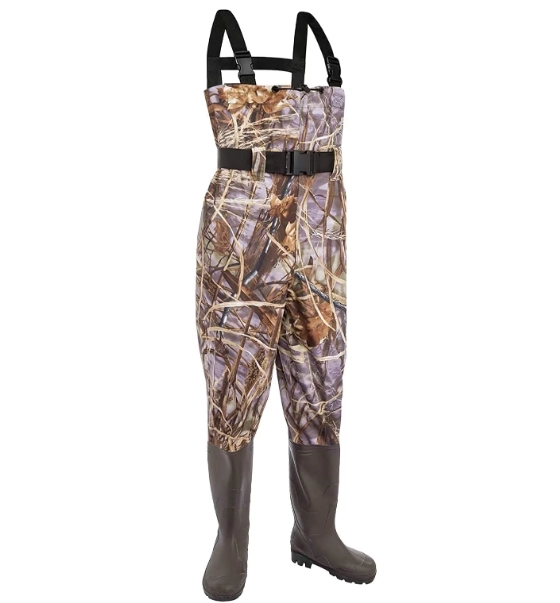
How to Wear Waders Correctly (Most People Don't)
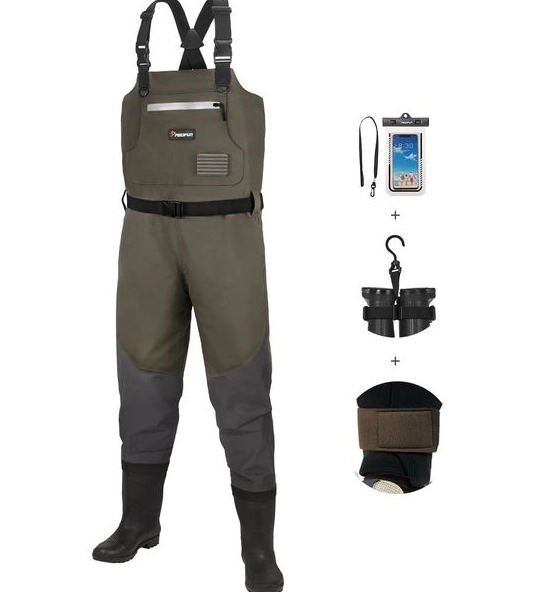
Keeping Them Alive: Wader Care That Actually Works
Your Wader Questions, Answered