The Ultimate Guide to Fluorocarbon Fishing Line: Pros, Cons & How to Choose
Confused about fluorocarbon line? This in-depth guide cuts through the hype. We cover its real-world advantages, expose hidden drawbacks, and provide a clear framework for choosing the right line for your fishing style.
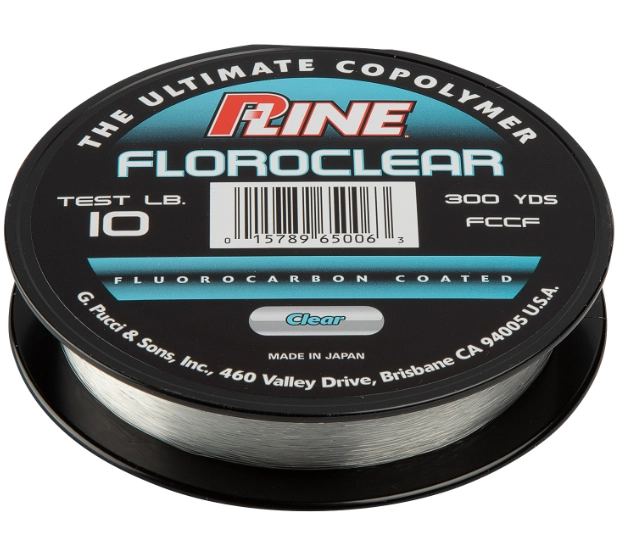
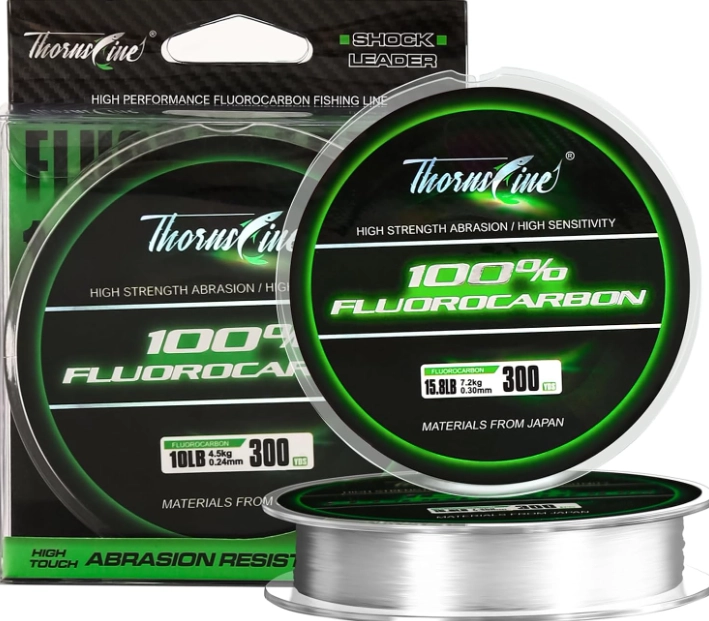
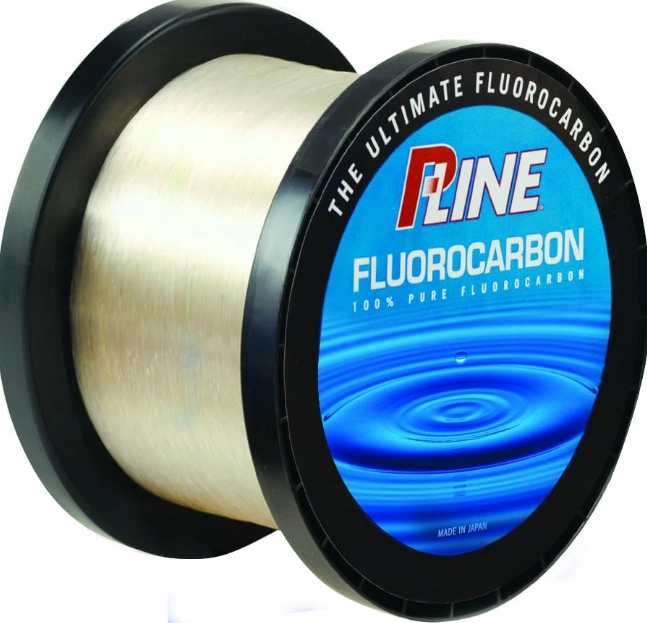
Let's cut through the marketing. Fluorocarbon line isn't magic. It won't triple your catch rate overnight. I've guided clients for over a decade, and I've seen more anglers frustrated by fluorocarbon's quirks than saved by its promises. But when you understand what it really does—and more importantly, what it doesn't do—it becomes an indispensable tool for specific situations. This isn't about repeating the "invisible underwater" mantra you've heard a thousand times. It's about the practical, often overlooked details that determine whether this line helps you or haunts you on the water. At its core, fluorocarbon is a single strand of plastic, just like monofilament. The difference is in the chemistry. It's made from polyvinylidene fluoride (PVDF), which is denser than the materials used in nylon mono. This density is the root of almost all its characteristics. Here's a crucial distinction many miss: not all fluorocarbon is created equal. You have pure fluorocarbon and fluorocarbon-coated lines. The coated stuff is often cheaper and behaves more like stiff mono. For the true benefits—sink rate, refractive index—you want 100% fluorocarbon. The packaging will usually say it. I remember a client who complained his "fluorocarbon" was floating. Turns out he bought a copolymer line with a fluoro coating. He was paying for a premium but getting a hybrid. Always check the label. Let's move past the bullet points and talk real-world performance. Invisibility is real, but overhyped. Fluorocarbon's refractive index is closer to water than any other line. This means it bends light similarly to water, making it harder for fish to see. This isn't a minor advantage in ultra-clear water or for pressured fish. I've watched on an underwater camera as a bass followed a jig on fluoro, ignored the same jig on mono moments later. In stained water? The difference is negligible. It sinks. Fast. This is arguably its most underrated trait. That density means it cuts through the water column. For drop shots, Carolina rigs, or any presentation where you want your bait to get down quickly and stay down, it's fantastic. It also keeps slack line from bowing in the current. Abrasion resistance is top-tier. Against rocks, wood, and zebra mussels, a good fluorocarbon line is incredibly tough. I trust it more than braid or mono when dragging a crankbait over a rocky ledge. Now, the downsides nobody likes to talk about. Memory is the #1 complaint, and it's valid. Fluorocarbon is stiff. It comes off the spool with coils, especially in colder weather. This can kill the action of a finesse lure and lead to horrible tangles. The higher the pound-test, the worse it gets. It's brittle. Yes, it's abrasion-resistant, but it doesn't like sharp impacts or poor knots. A bad clinch knot can slice through itself under heavy load. You must use the right knots. Price. Good fluorocarbon costs 2-3 times more than decent monofilament. For a leader, it's fine. For filling a baitcasting reel, it hurts. Don't just grab the first spool you see. Your choice depends entirely on how you'll use it. This table breaks down the key decision factors: A personal rule: I never use fluorocarbon above 20 lb test as a main line. The memory becomes unmanageable on a baitcaster. For heavy-duty work, I use braid with a fluoro leader. It's the best of both worlds. Based on guiding hundreds of trips, here are the situations where I always reach for fluorocarbon. When you can see the bottom in 10 feet of water, line visibility matters. This is fluorocarbon's home turf. Whether it's a shaky head on Lake Michigan smallmouth or a finesse worm on an Ozark reservoir, the low-visibility factor is a legitimate advantage. Pair it with natural-colored baits. That fast sink rate is a game-changer. For a drop shot rig over 25 feet, fluorocarbon gets your weight down faster and keeps your line straighter for better bite detection. Same goes for dragging a football jig on deep ledges. Rock piles, oyster beds, submerged timber. If I'm throwing a spinnerbait around dock pilings covered in grit, I want fluorocarbon between me and the fish. Its resistance to nicks and cuts is superior. A report from the American Sportfishing Association on tackle loss often cites line abrasion as a key factor—fluoro directly addresses that. I see these every season. Avoid them and you're ahead of 90% of anglers. Using the Wrong Knot. The improved clinch knot, which is fine for mono, can slip or cut itself on fluoro. You must use knots that distribute pressure and don't create sharp bends. The Palomar knot is my absolute go-to for connecting hooks and lures. For line-to-line connections (like braid to fluoro), the FG knot or double uni knot are reliable. Practice them at home. Over-spooling Your Reel. Fluorocarbon's stiffness and memory make it prone to springing off an overfilled spool, causing massive wind knots. Fill your reel to about 1/8 inch from the rim, not to the brim. Not Wetting the Knot. Fluorocarbon generates more heat from friction when tightening a knot. Always lubricate it with saliva or water before pulling it tight. A burnt knot is a weak knot. Expecting It to Be Invisible in All Water. In chocolate milk conditions, save your money. The fish are using sound and vibration, not sight. Use braid or cheap mono. Fluorocarbon is a tool, not a religion. It won't fix bad technique, but in the right hands for the right job, it's incredibly effective. Don't believe the hype—believe the physics. Understand its density, respect its stiffness, and tie good knots. Start small, use it as a leader, and pay attention to when it makes a difference and when it doesn't. That's how you build real, lasting fishing knowledge.What's Inside This Guide
What Fluorocarbon Actually Is (And Isn't)
The Real Pros & Cons: A Guide's Perspective
The Undeniable Advantages (When They Matter)
How to Choose the Right Fluorocarbon Line
Your Primary Use
Key Line Property to Prioritize
Recommended Pound-Test Range
Brand Characteristic to Look For
Leader Material (tied to braid)
Knot strength, Suppleness
8 lb - 20 lb
Softer, more manageable formulas. Seaguar Blue Label is a benchmark.
Finesse Presentations (Drop Shot, Ned Rig)
Low Visibility, Sensitivity
6 lb - 10 lb
Thin diameter for its strength. Sunline Sniper is renowned here.
Pitching & Flipping (Heavy Cover)
Abrasion Resistance, No-Stretch Hook Sets
17 lb - 25 lb+
Superior abrasion resistance is non-negotiable. Berkley Trilene 100% Fluorocarbon is a workhorse.
Crankbaits & Moving Baits
Manageability, Shock Absorption
10 lb - 15 lb
Some stretch is good here. Look for lines marketed as having less memory.
Top Fishing Scenarios Where Fluorocarbon Shines
1. Clear Water Bass Fishing
2. Deep Water Presentations
3. Fishing Around Abrasive Structure
Common Mistakes & How to Avoid Them
Your Fluorocarbon Questions, Answered