Braid Fishing Line: Ultimate Guide for Selection, Use & Knots
Is braid fishing line the right choice for your reel? This expert guide cuts through the hype, covering everything from line selection and knot tying to avoiding common mistakes that cause break-offs.
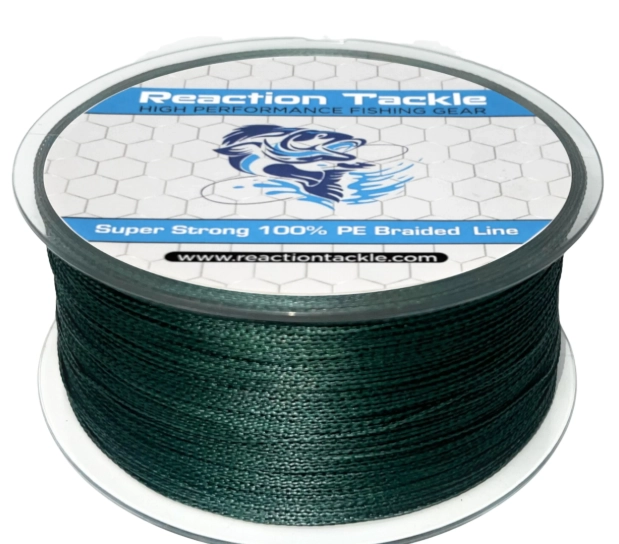
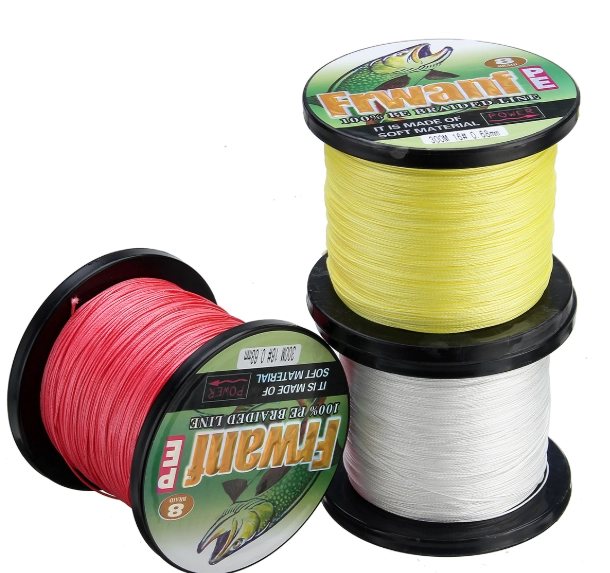
Let's talk about braid. Not the kind in your hair, but the super-strong, thin-diameter fishing line that's taken over tackle boxes everywhere. If you've ever stood in the aisle staring at spools wondering if it's worth the switch from mono, you're in the right place. I've guided for over a decade, and I've seen braid save days and ruin them. This isn't a sales pitch. It's a straight look at what this line does, where it shines, and the annoying little things nobody tells you until you've lost a trophy fish because of them. Forget the complex chemistry. Braid is just a bunch of synthetic fibers—usually Spectra or Dyneema—woven together into a cord. Think of it like a tiny, incredibly strong rope. Unlike monofilament (a single strand) or fluorocarbon (a denser single strand), its strength comes from the weave. This construction gives it two killer advantages right off the bat: incredible strength for its diameter and exactly zero stretch. That lack of stretch is a game-changer. It means when you set the hook, all the energy from your rod tip goes straight to the hook point. It also means you feel every tap, nibble, and rock your lure bumps against. The sensitivity is unreal. But that same characteristic is why it can be unforgiving. A hard strike on a tight drag with braid can sometimes rip the hook right out of a fish's mouth if you're not careful with your rod position. Let's break it down simply. Why you'll love it: You can spool a ton of thin line onto your reel, giving you more capacity for long runs. The sensitivity lets you detect bites you'd miss with mono. It's incredibly durable and doesn't degrade from sunlight like monofilament can. It also cuts through weeds and water like a laser compared to thicker lines. What drives anglers nuts: It's highly visible in clear water. It's slippery, so tying knots requires specific techniques. It can dig into itself on the spool under pressure, causing nasty snarls. And because it has no give, it transfers all shock to your rod, reel, and knots, which can lead to break-offs at the terminal end if not managed. I switched to braid as a mainline for most applications about eight years ago. The first season was frustrating. I had knots fail, I got more wind knots on my spinning gear, and I spooked fish in clear, shallow water. I almost went back to fluorocarbon. But once I learned its language—how to tie it, how to set my drag, how to pair it with a leader—it became an indispensable tool. Walk into any shop and you'll see 10, 20, 30, 50-pound braid. The number one mistake is choosing based on the pound test alone. The real magic number is the diameter. A 20-pound braid might have the diameter of 6-pound mono. This is where you gain your reel capacity and casting distance. But you need to match the diameter to the rod and reel's intended use. Putting a line that's too thin on a heavy-power rod can lead to the line cutting into your fingers on a hookset or during a fight. Here’s a practical, real-water breakdown: Color matters less than you think. High-vis yellow or green is great for tracking your line visually. But if it bothers you, just add a fluorocarbon leader. The line near the lure is what fish see. This is critical and often glossed over. Braid behaves differently on these reels. The bane of braid on spinning reels is line slippage and wind knots. Braid's slickness can cause it to spin on the spool if you don't put a mono or fluorocarbon backing on first. Always, always use a dozen wraps of cheap mono as a base. It grips the spool and saves you money on braid. Fill the spool to about 1/8 inch from the rim. Overfilling guarantees tangles. Underfilling kills casting distance. Also, when you spool it on, keep serious tension. I run the line through a damp towel and apply pressure as I crank. A loosely spooled braid is a nightmare waiting to happen. Here, the enemy is dig-in. When a big fish pulls drag, the thin, hard braid can cut into the layers beneath it on the spool. On your next cast, that buried line suddenly releases, causing a massive, instant backlash (a "professional overrun," if you're feeling polite). To fight this, use a slightly heavier pound test/diameter than you think you need for the reel size. Don't over-tighten the spool tension knob; let the magnetic or centrifugal brakes do the work. And every few trips, strip off the first 50 feet of line and re-spool it to prevent permanent set-in grooves. Braid's slickness laughs at your old clinch knot. You need knots that cinch down and grip themselves. After testing dozens, I rely on two for 99% of connections. The Palomar Knot: This is the king for tying directly to a hook, swivel, or lure. It's simple, strong, and the double line passing through the eye provides crucial friction. It's my go-to for anything terminal. The FG Knot: This is the secret weapon for connecting braid to a fluorocarbon or mono leader. It's slim, passes through rod guides smoothly, and is absurdly strong. Yes, it looks complicated. It takes practice. But once you get it, you'll never go back to a bulky Albright or Uni-to-Uni knot for mainline-to-leader connections. A poorly tied FG will slip, though. Practice at home, not on the boat. The knot to avoid: The standard Improved Clinch Knot. It will slip and fail with braid more often than not. Just don't do it. A client last season insisted on using his old Improved Clinch with new 30lb braid. He lost three good redfish in a row before he let me re-tie with a Palomar. The difference wasn't subtle. Braid isn't a magic bullet. It's a tool with a specific purpose. It rewards good technique and punishes sloppy habits. Start with it on one rod, maybe your main spinning setup for jigs or soft plastics where sensitivity is key. Learn its feel. Master a couple of knots. Pair it with a leader. Once you get past the initial learning curve, you'll understand why so many serious anglers, from bass pros to offshore captains, have a spool of it on deck. It just works.What's in This Guide
What Exactly Is Braided Fishing Line?
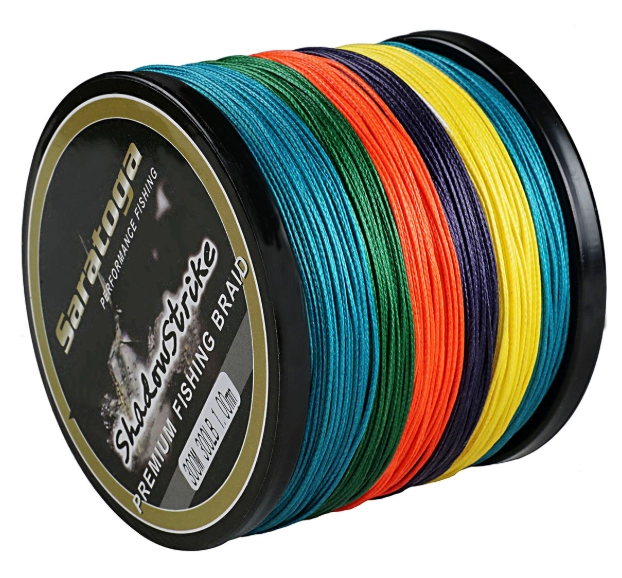
The Good, The Bad, and The Slippery
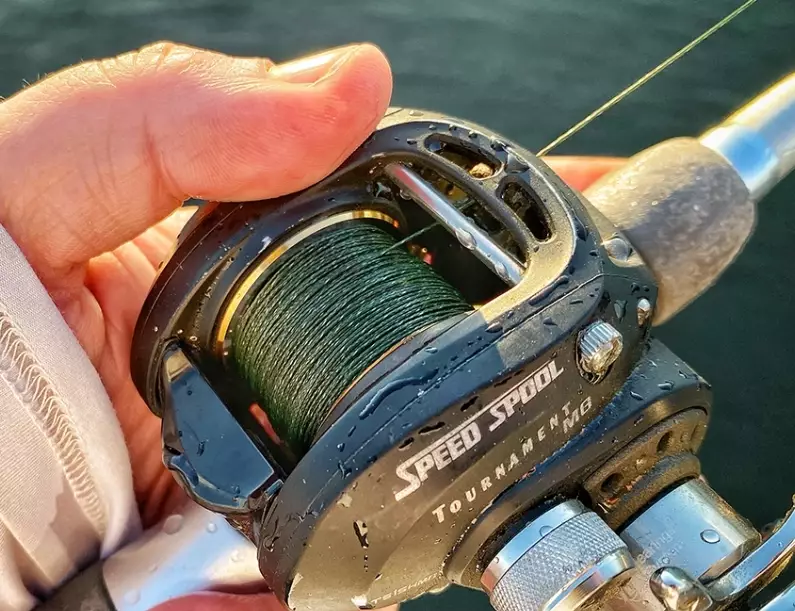
Picking the Right Braid: It's Not Just About Pound Test
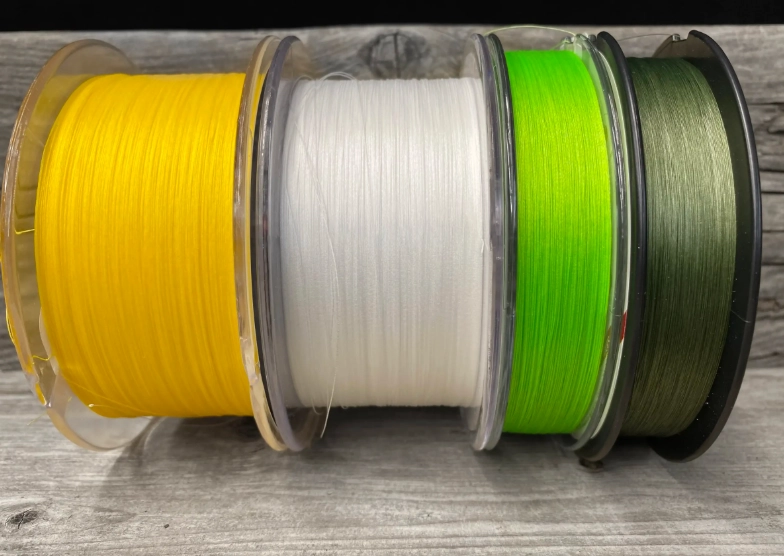
Spinning vs. Baitcasting: The Braid Setup Difference
On a Spinning Reel
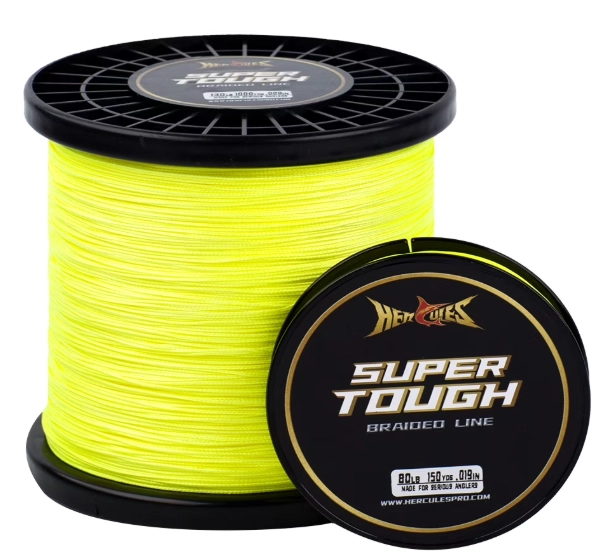
On a Baitcasting Reel
Knots That Actually Hold (And One to Avoid)
Your Braid Questions, Answered Without the Fluff