Ultimate Fishing Gear Checklist: Must-Haves for Every Angler
What gear do you really need for a successful fishing trip? Our ultimate checklist covers rods, reels, tackle, and essential accessories for beginners and seasoned anglers. Get ready to hit the water!
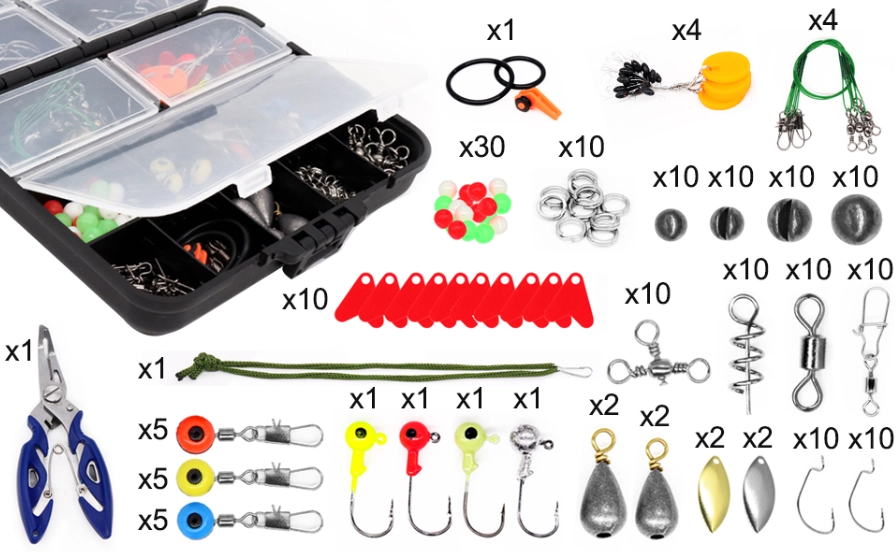
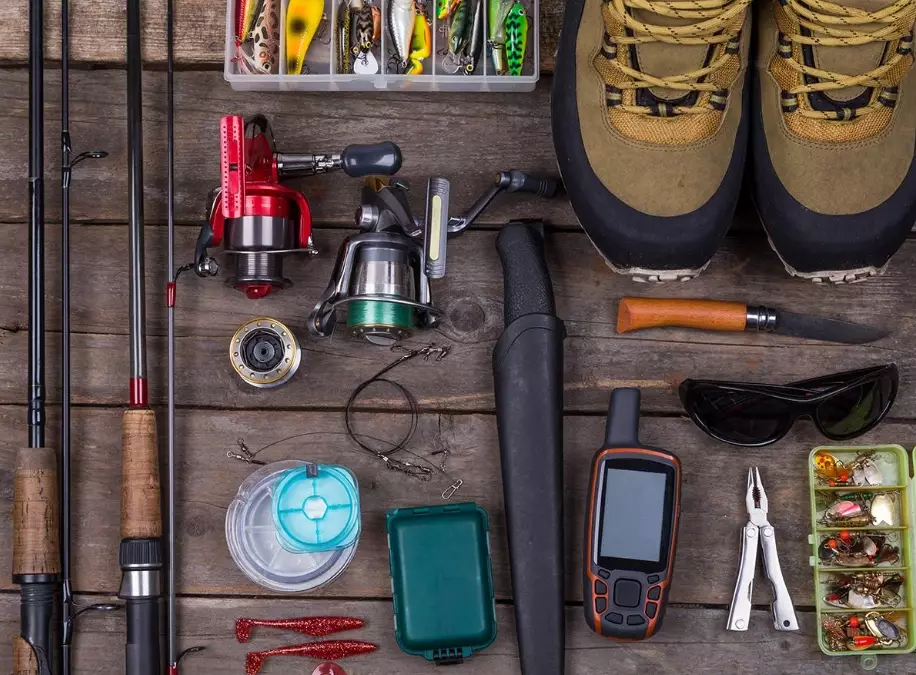
So you want to go fishing. Maybe you saw a serene video online, or a friend won't stop talking about their latest catch. You search for "what are must haves for fishing?" and get bombarded with endless lists and product ads. It's overwhelming. Let's cut through the noise. After years of trial, error, and watching countless beginners make the same mistakes, I've boiled it down to what truly matters. Forget the fancy gadgets for now. This checklist is about the non-negotiables—the gear that will get you on the water and actually hook a fish, without emptying your wallet before you even start. This trio is your primary interface with the fish. Get this wrong, and everything else becomes much harder. Don't overthink it at first, but understand the basics. Walk into any store and the wall of rods is intimidating. Ignore 80% of it. For a versatile first rod, look for a 6.5 to 7 foot medium-power, fast-action spinning rod. Let's translate that. Material matters less than those specs for a beginner. Graphite composites are common and offer a good feel. The one thing I'll warn against: ultra-cheap combo rods that feel like a pool noodle. You won't feel a thing. A spinning reel is the undisputed king for beginners. It's forgiving and easy to use. Pair that medium rod with a 2500 or 3000-size reel. The number is about the spool size. This size holds plenty of line and balances well on a 7-foot rod. Look for a reel with a smooth drag system (the knob on top that lets line out under pressure). A sticky drag is a primary reason beginners lose fish. You don't need sealed bearings for freshwater; just something that feels smooth when you turn the handle. Brands like Shimano, Daiwa, and Penn have reliable entry-level models. This is where I see the most confusion. You have three main types: My advice? Start with a simple 8 or 10-pound test monofilament. It's cheap, ties easily, and the slight stretch can forgive some rookie hook-setting errors. Spool it onto your reel neatly, leaving about 1/8 inch from the spool's edge. This is everything that goes on the end of your line. It's easy to go overboard here. Start with a small, organized box and these essentials. Pro Tip: Don't buy massive, pre-filled tackle boxes. They're full of lures you'll never use. Buy a small, empty plastic box with dividers and build your own kit. It's cheaper and more purposeful. The fish-catching tools are covered. Now, the stuff that makes the day functional, safe, and legal. You can spend $50 or $5000. The key is spending smart on the right things. Where to Save: Your first rod and reel combo can be a decent pre-matched set in the $50-$80 range. Your initial tackle box, hooks, weights, and basic lures don't need to be premium. Sunscreen, a hat, and snacks are generic. Where to Spend a Bit More: Your line. Cheap line is more prone to breaking and has terrible memory. A $10 spool of good mono is worth it. A decent pair of polarized sunglasses (even $30 ones from a fishing brand) make a world of difference over regular sunglasses. Comfortable footwear if you're wading or on a boat deck all day. The biggest mistake is buying the cheapest version of everything. A terrible reel will bird's-nest constantly, fray your line, and kill your enjoyment. Find the middle ground. I've guided enough new anglers to see patterns. Here’s what usually goes wrong. 1. Overcomplicating the Tackle Box. They bring every color and style imaginable. Fish it simple. Master presenting a worm or a grub naturally before you try advanced techniques. Confidence in one lure is better than doubt in twenty. 2. Ignoring Line Management. They don't check their line for nicks after catching a fish or rubbing on rocks. They don't re-tie their knot after a few fish or a snag. Your line is your only connection. Inspect it. Re-tie often. A fresh knot is the cheapest insurance you can buy. 3. Wrong Rod/Reel/Line Balance. That heavy bass rod spooled with 4-pound test line? It won't cast a light lure, and the line will snap if a big fish bites. Match your gear. A medium rod pairs with 8-12 lb line and a 2500 reel. It's a system. 4. Setting the Drag Like a Vise. They crank the drag knob down tight, thinking it will stop a fish from running. What it does is guarantee your line will snap on a hard run. Set your drag to about 1/3 to 1/2 the breaking strength of your line. You should be able to pull line off the reel with a firm, steady pull. Let the drag work for you. There you have it. The must-haves aren't about having the most stuff; they're about having the right stuff that works together. Start with this core checklist, get your license, and go make some casts. The rest—the specific lures, the advanced techniques, the stories—that all comes with time on the water. Good luck out there.
Quick Navigation: Your Fishing Gear Roadmap
The Absolute Core: Your Rod, Reel, and Line
Choosing Your First Fishing Rod
Matching It With a Reel
The Invisible Hero: Fishing Line
Line Type
Best For
Beginner Recommendation
Downside
Monofilament
All-purpose, budget-friendly, some stretch.
Great starter line. Use 8-12 lb test.
Can degrade in sunlight, has memory (coils).
Braided Line
Extreme sensitivity, no stretch, thin diameter.
Not ideal as main line for first-timers.
Very visible, requires special knots, can be tricky to manage.
Fluorocarbon
Nearly invisible underwater, sinks.
Perfect as a leader (a short piece tied to the end of your main line).
Stiff, more expensive, can be brittle.
Terminal Tackle: The Business End of Your Setup
Essential Accessories You'll Regret Forgetting
The Non-Negotiable Tools
Safety & Legality
The Comfort Items
The Budget vs. Quality Balancing Act
Common Gear Mistakes Beginners Make (And How to Avoid Them)
Your Fishing Gear Questions Answered