Must-Have Saltwater Fishing Accessories for Success
Wondering what gear you actually need for saltwater fishing? Cut through the clutter with our guide to essential accessories that improve your catch rate and protect your investment.
Let's be honest. The rod and reel get all the glory. You spend hours researching them, comparing drag systems, and debating action. But show up to the jetty, pier, or boat with just that, and you're not fishing—you're just holding a stick. Saltwater fishing is a brutal sport. It's not just about finding fish; it's a war against corrosion, abrasion, tangled lines, and fish with serious dental work. The right accessories aren't just add-ons; they're the bridge between a frustrating day and a successful one. They protect your expensive main gear, increase your hook-up ratio, and, most importantly, get you fishing again faster after a catch or a snag. I've watched too many anglers lose a fish of a lifetime because a cheap swivel failed, or ruin a $300 reel in one season because they never rinsed it. This guide skips the fluff and focuses on the saltwater fishing accessories that you'll actually use, ranked by necessity and function. These are the items that directly interact with your line and your catch. Forget these, and you might as well stay home. Your rod is the engine, your reel is the transmission, but your line is the drive shaft. If it fails, nothing else matters. For saltwater, you generally have three choices, and picking the wrong one is a classic beginner error. Monofilament is cheap, has stretch (which can be good for beginners to avoid pulling hooks), and is easy to tie. But it degrades faster in sunlight and absorbs water, weakening over time. I use it for leader material or on lighter inshore setups, but never as my main line for heavy-duty work. Braided Line is my go-to for almost everything. No stretch means incredible sensitivity—you feel a crab walking over your bait. Its thin diameter lets you pack more line on the spool. The downside? It's visible in clear water and is slippery, requiring specific knots like the Palomar. You must use a monofilament or fluorocarbon leader with it. Fluorocarbon is nearly invisible underwater and sinks, great for leader material. It's abrasion-resistant and doesn't degrade like mono. It's expensive, so I only use it as a leader tied to my braided main line. This two-line system (braid main line, fluorocarbon leader) is the secret sauce for most modern saltwater anglers. This is where the fight is won or lost before it even starts. Quality here is non-negotiable. This is the "engineering" department of your tackle box. These items connect everything together. Barrel Swivels (mentioned above) are for preventing twist. Snap Swivels let you change lures quickly. Duo-Lock Snaps (without the swivel) are better for lures as they offer a more direct action. For connecting your main line to your leader, the Albright Special or FG knot are gold standards, but a small, high-quality swivel or a sleeve can be a reliable and fast alternative, especially in low light or rough conditions. Pre-made saltwater fishing rigs (like fish-finder rigs for surf, or chicken rigs for bottom fishing) are great for beginners. As you advance, you'll buy the components (hooks, beads, sleeves, leaders) and build your own, saving money and customizing for the exact situation. Not just for panfish. A popping cork is a deadly accessory for inshore species like speckled trout and redfish. The "pop" sound mimics feeding fish and brings predators in from a distance. Slip floats allow you to fish a bait at a precise depth over structure, which is a game-changer for species like snapper. This is about protecting yourself and handling the catch safely. Don't forget polarized sunglasses. They cut the glare on the water, letting you see structure, fish, and even your line. It's a huge advantage and protects your eyes. A hat and sunscreen are not accessories; they are mandatory survival gear on the water. Saltwater destroys everything. Your post-trip routine is as important as your fishing. The Rinse Down: Every single piece of gear that touched saltwater or salt air gets a gentle rinse with fresh water. Reels (especially under the spool), rods, pliers, knives, tools. Don't blast high-pressure water into your reel's drag system, but a light shower is essential. Tackle Box Organization: How you store your saltwater fishing accessories matters. I use a multi-tiered soft bag. One tray for hooks, one for weights, one for swivels and connectors. Plastic boxes within boxes. The goal is to open it and grab exactly what you need without digging. A disorganized box in a rocking boat or windy beach is a recipe for lost lures and frustration. Lubricate your reel's moving parts occasionally with a light, corrosion-inhibiting oil (not WD-40, which is a water displacer, not a lubricant). Products like CorrosionX or Boeshield T-9 are designed for the marine environment.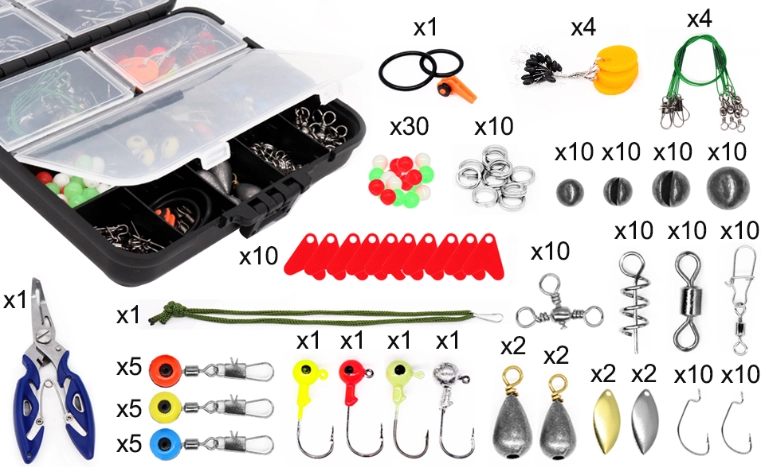
Quick Navigation: Your Gear Checklist
The Non-Negotiable Core Essentials
Fishing Line: The Invisible Workhorse
Hooks, Weights, and Swivels: The Business End
Terminal Tackle: The Connection Tech
Connectors and Rigs
Floats and Bobbers
Personal Gear: Safety and Efficiency
Tool
Primary Use
Why It's Essential
Fishing Pliers
Removing hooks, cutting line, crimping sleeves
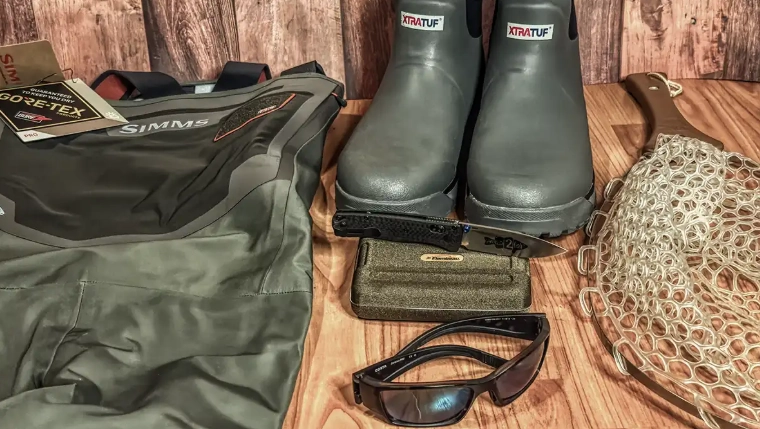
Teeth, slime, and treble hooks are a dangerous mix for fingers. Saltwater-rated pliers (stainless or aluminum) won't rust shut after one use.
Line Cutter / Clippers
Trimming knots, cutting line quickly
Faster and safer than a knife. Attach them to your vest or lanyard. Losing them is a constant annoyance.
Fishing Knife / Fillet Knife
Cleaning catch, cutting bait, general utility
A sharp, flexible fillet knife is for the cleaning table. A sturdy, fixed-blade knife on your belt is for everything else (cutting rope, bait). Keep them separate and sharp.
Landing Net
Safely securing fish at boatside or shore
Lifting a fish by the line often ends in a lost fish. A rubber-mesh net is best—it doesn't tangle hooks or remove scales. For big fish from a pier, a long-handled gaff might be necessary (check local regulations).
Tackle Box / Bag
Organization and transport
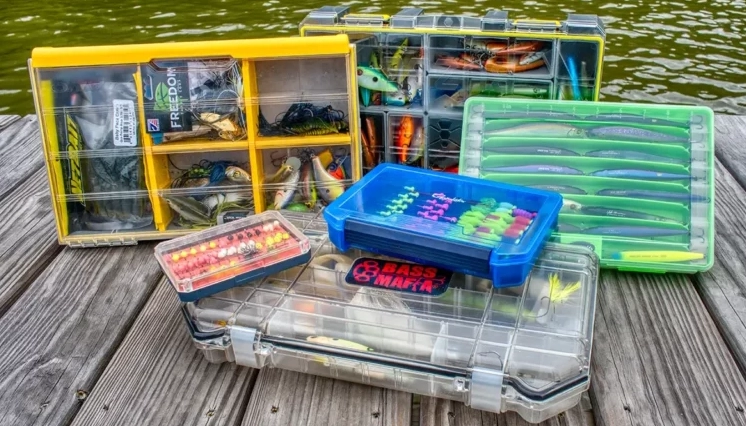
Chaos costs time and fish. A waterproof bag or hard box with multiple trays lets you find what you need in seconds.
Organization and Maintenance: The Secret to Longevity
Expert Answers to Common Gear Headaches