Let's cut through the noise. The "best" fishing tackle isn't a single magic rod or reel you see in a glossy ad. It's the right combination of tools that matches the fish you're after, the water you're on, and how you like to fish. Get this combo wrong, and you'll struggle. Get it right, and everything clicks. This guide is about building that perfect toolkit, piece by piece.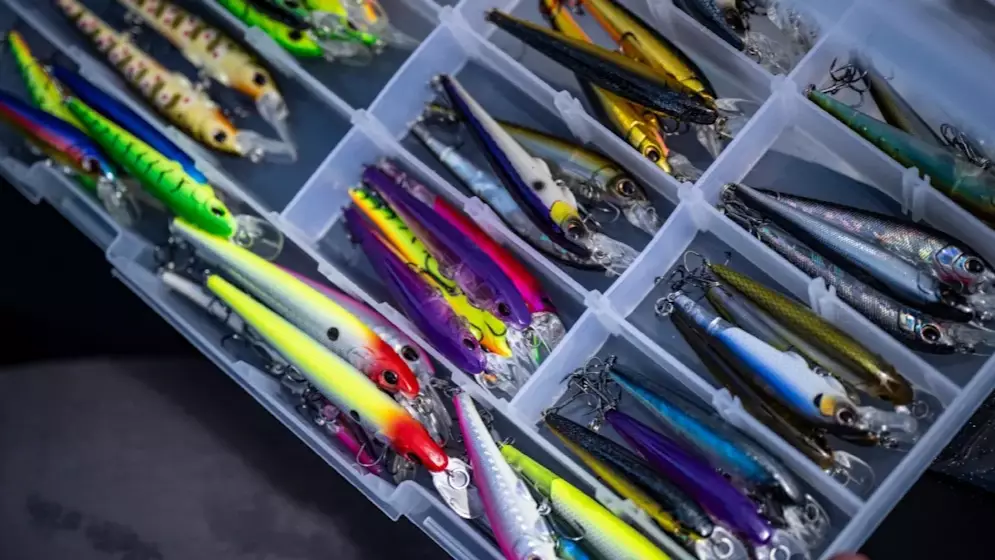
What's Inside This Guide?
Understanding the Fishing Tackle System
Think of your tackle as a team. The rod, reel, line, and lure all have to work together. A heavy rod with light line makes no sense. A fast reel on a slow-action rod feels awful. Let's break down each player.
The Rod: Your Lever and Sensor
The rod's job is to cast your lure, set the hook, and fight the fish. Its specs tell you everything.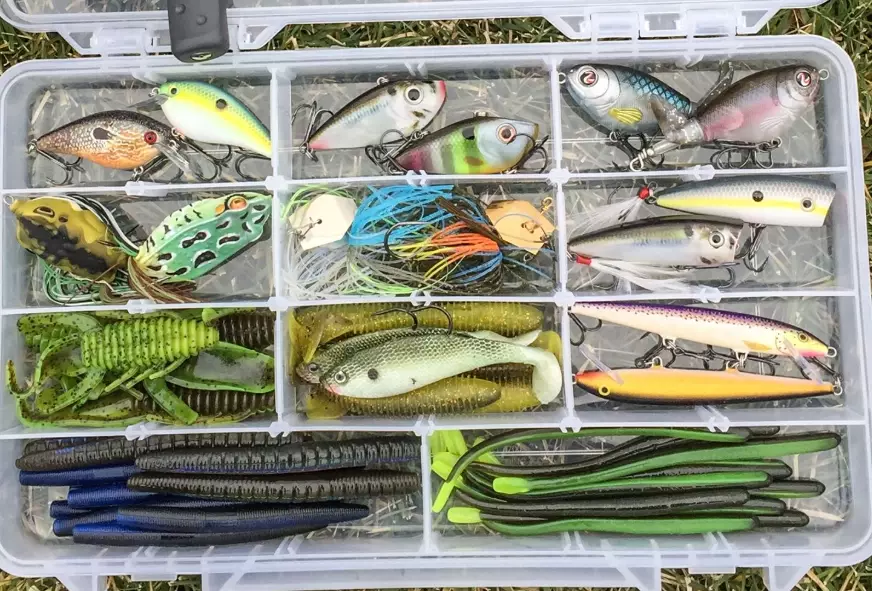
- Power (Light, Medium, Heavy): This is lifting strength. Light power bends easily for small fish and lures. Heavy power is for pulling big fish from thick cover. Most freshwater anglers live in the Medium power range.
- Action (Slow, Moderate, Fast, Extra Fast): This is where the rod bends. Fast action bends mostly in the top third. It's sensitive for feeling bites and gives a powerful hook set. Slow action bends deep into the butt. It's forgiving and great for casting light lures or fighting fish on light line.
- Length: Longer rods (7'+ ) cast farther and give more leverage. Shorter rods (6'6" and under) are more accurate and powerful for close-quarters hook sets, like flipping jigs into brush.
My take: Beginners often go too heavy. A 7-foot, Medium-Heavy, Fast action rod is the most versatile freshwater stick you can own. It can handle a wide range of techniques from spinnerbaits to weighted worms. Start there.
The Reel: Your Winch and Drag System
Spinning reels are easier to learn. Baitcasting reels offer more control and power for heavier lures. The key specs?
| Reel Type |
Best For |
Key Spec to Check |
Pro Tip |
| Spinning Reel |
Beginners, light lures (1/16 oz - 3/8 oz), finesse fishing |
Size (2500-3000 is a great all-around size) |
Look for a smooth drag. A sticky drag loses fish. |
| Baitcasting Reel |
Heavier lures, precision casting, power fishing |
Gear Ratio (6.3:1 is versatile; 7.5:1+ for fast retrieves) |
The brake system matters more than price for avoiding backlashes. |
Line and Terminal Tackle: The Critical Connection
This is where fights are won and lost.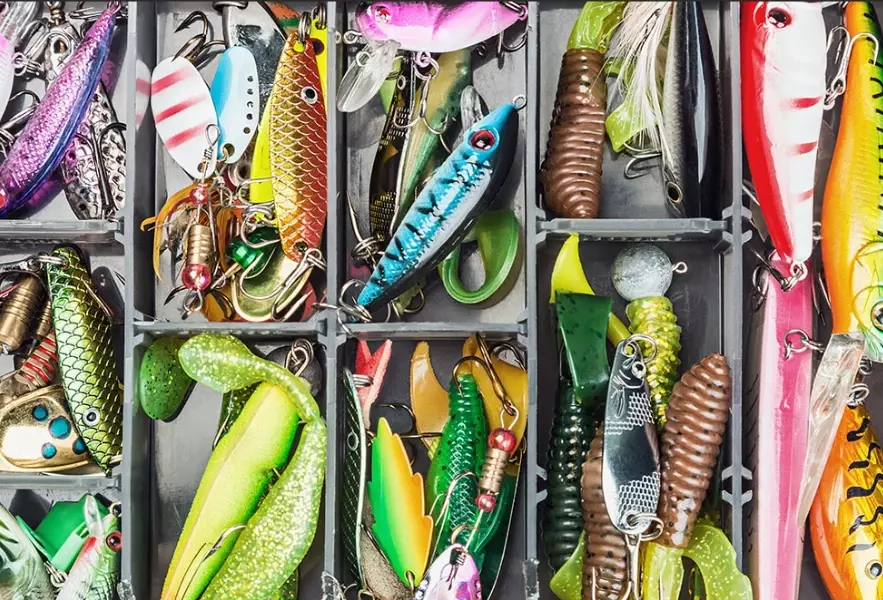
- Monofilament: Cheap, stretchy, forgiving. Good for beginners and topwater lures where stretch helps keep hooks pinned. It degrades in sunlight.
- Fluorocarbon: Nearly invisible underwater, sinks, has low stretch. It's the go-to leader material and great for bottom contact lures where sensitivity is key. It's stiffer and can be tricky to manage on spinning reels.
- Braided Line: No stretch, super strong for its diameter, very sensitive. Shows every tap. It's visible, so many anglers use a fluorocarbon leader. Essential for fishing heavy cover.
Don't cheap out on hooks. A sharp, strong hook from a brand like Gamakatsu, Owner, or Mustad is non-negotiable. Dull or weak hooks cost you fish.
Choosing the Best Tackle by Target Fish
Here’s where we get specific. Let's build kits for common targets.
Best Tackle for Largemouth Bass
Bass fishing is about versatility. You need to cover water and fish precise spots.
- All-Around Combo: 7'3" Medium-Heavy, Fast action baitcasting rod paired with a 7.5:1 gear ratio baitcaster. Spool it with 30-50 lb braid, using a 12-20 lb fluorocarbon leader for most applications.
- Finesse Combo (for tough conditions): 7'1" Medium-Light, Fast action spinning rod with a 2500-size reel. Use 10-15 lb braid with an 8 lb fluorocarbon leader.
- Must-Have Lures: 3/8 oz Spinnerbait (white/chartreuse), 1/2 oz Football Jig (green pumpkin), 5" Senko (wacky rigged), Topwater Popper.
Best Tackle for Trout (River & Lake)
Trout demand stealth and presentation.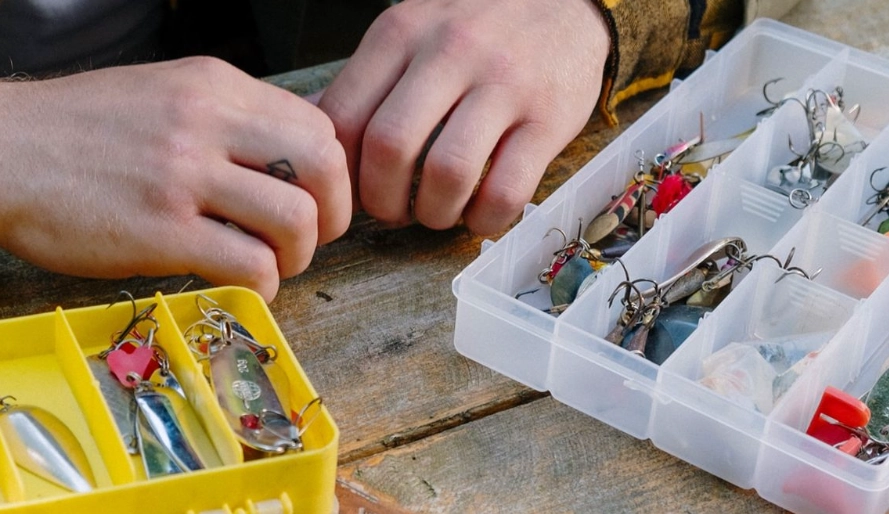
- Spinning Combo: 6'6" to 7' Light or Ultra-Light power, Fast action rod. Pair with a 1000 or 2000-size reel.
- Line: 2-6 lb test fluorocarbon is perfect. It's invisible and has enough sensitivity for light bites.
- Go-To Rigs: Inline spinners (Rooster Tail, Mepps #1), small spoons (Thomas Buoyant), and for bait, a simple split-shot rig with a nightcrawler or powerbait.
Best Tackle for Saltwater Inshore (Redfish, Speckled Trout, Snook)
Corrosion resistance is key. Always rinse your gear after use.
- Combo: 7' Medium-Heavy, Fast action rod (inshore-rated for corrosion protection) with a 3000 or 4000-size spinning reel or a baitcaster with a sealed drag.
- Line: 20-30 lb braid with a 20-30 lb fluorocarbon or monofilament leader. The leader absorbs abrasion from oyster beds and teeth.
- Lure Staples: 1/4 oz to 3/8 oz Jighead with a soft plastic paddle tail (like a Z-Man DieZel Minnow), Topwater Walk-the-Dog lures at dawn/dusk, gold spoons.
Advanced Tips and Common Mistakes to Avoid
This is the stuff you learn after years on the water, not from the box label.
The Rod Action Misconception: Many think a "Fast" action rod is just for hook sets. Its real superpower is sensitivity. That stiff butt section transmits vibrations from your lure directly to your hand. You feel a bass tap a jig on 30-foot deep ledge because of the fast action. A slower rod would mute that signal.
Spooling Your Reel Wrong: Under-filling a spinning reel spool kills casting distance. Over-filling a baitcaster guarantees backlashes. Fill the spool so the line sits about 1/8 inch from the rim. No more, no less.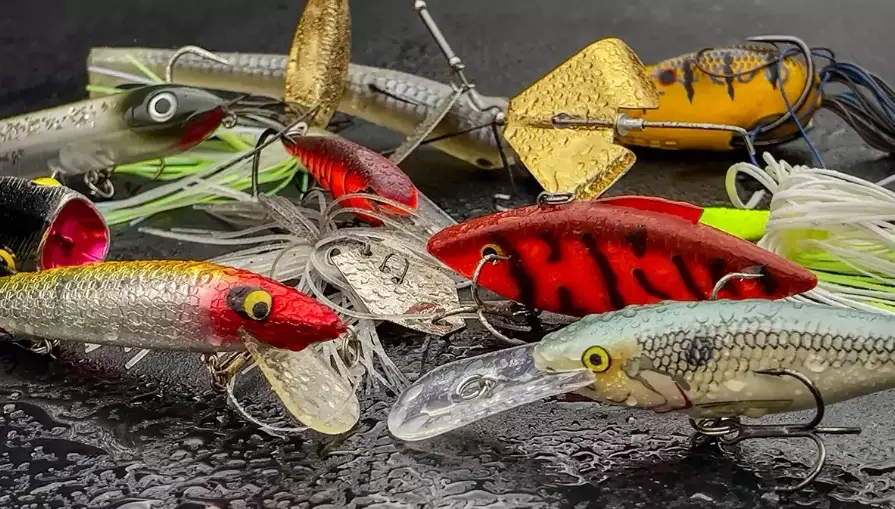
The Forgotten Factor: Line Management. I see anglers with $300 reels and bird's nests because they don't control the line with their thumb (baitcast) or finger (spinning) during the cast. Let the rod do the work, your digit does the braking. Practice in the yard.
Matching Lure Weight to Rod Power: That "Lure Weight: 1/4 - 5/8 oz" on the rod isn't a suggestion, it's physics. Casting a 1/8 oz lure on a rod rated for 1/2 oz won't load the rod properly. Your cast will be weak and inaccurate. Conversely, overloading the rod can damage it.
Tackle Maintenance and Smart Storage
Good gear treated poorly becomes bad gear fast.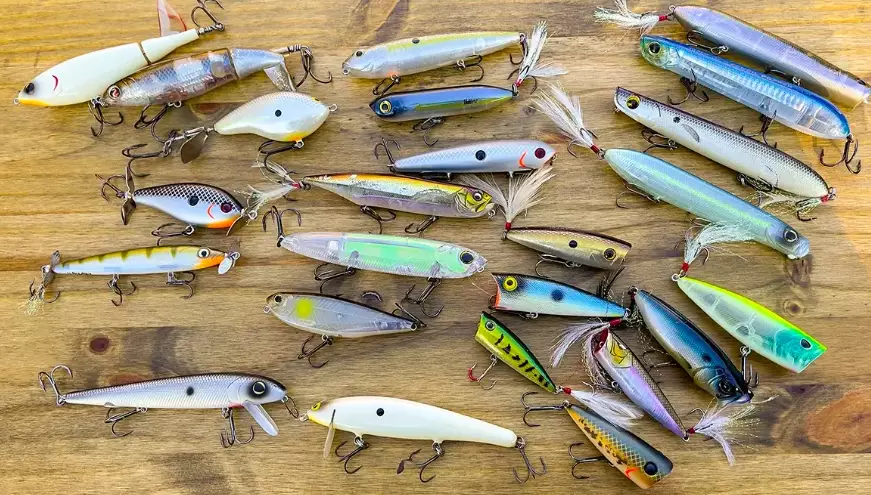
- Reel Care: Rinse with freshwater after every saltwater trip and occasionally after freshwater. A professional reel service every year or two for your workhorse reels is a wise investment.
- Rod Care: Check the guides (the rings) for cracks or grooves that can cut your line. Run a cotton ball around the inside; if it snags, the guide is damaged.
- Hook Sharpening: Carry a small diamond file. Check and sharpen hooks before every trip. A sharp hook penetrates with less pressure.
- Storage: Don't leave rods leaning in a corner. Use a vertical or horizontal rack. Store soft plastics in their original bags—some plastics can melt if mixed.
Your Fishing Tackle Questions Answered
I fish mostly from a kayak. Does my ideal tackle change?
Absolutely. Shorter rods (6'6" to 7'3") are easier to manage. You'll want more spinning gear for ease of use while seated. Organization is critical—use small, waterproof tackle boxes or bags instead of one giant box. Prioritize a few versatile lures over a huge collection.
What's the one piece of tackle I'm probably overlooking that would help me catch more fish?
A good pair of polarized sunglasses. Not just for eye safety, but for sight fishing. You can see fish, underwater structure, and the strike itself. It turns fishing from a guessing game into a visual hunt. Brands like Costa or Smith Optics are top-tier, but any quality polarized lens helps.
How do I choose tackle for a fishing trip to a completely new type of water, like going from lakes to rivers?
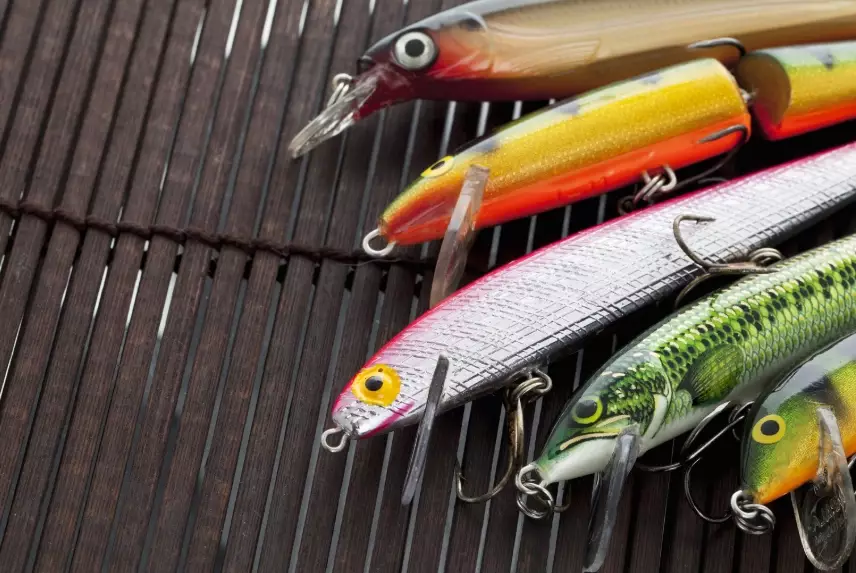
Research is key, but start with current. For rivers, you need lures that work in the current—inline spinners, crankbaits that dive, and jigs you can hop along the bottom. Your rod power might stay similar, but a slightly shorter rod can help with more accurate casts around current seams and structure. Check local fishing reports or forums for specific lure patterns.
Is buying a combo from a big-box store a bad idea for a beginner?
Not at all. Combos from reputable brands like Abu Garcia, Shakespeare, or Daiwa offer incredible value and are perfectly matched. They get you on the water. The mistake is buying the absolute cheapest, no-name combo. It will be frustrating to use and fail quickly. Spend $80-$120 on a known brand combo, and you'll have a reliable tool that lets you focus on learning, not fighting your equipment.