Stronger Than the Palomar? Top Fishing Knots for Heavy Line & Leaders
Is the Palomar knot always the strongest choice? Discover fishing knots that outperform the Palomar for heavy lines, braid-to-leader connections, and specific scenarios where you need maximum strength.
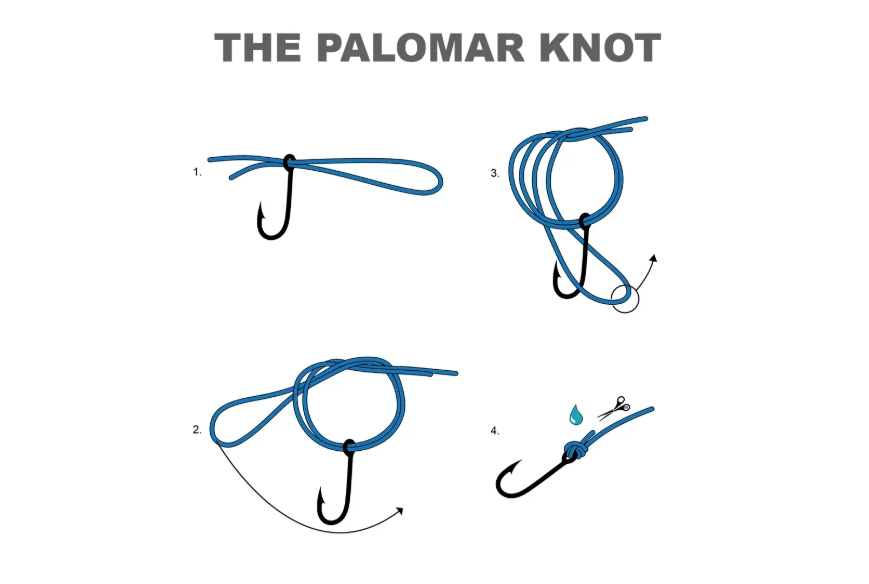
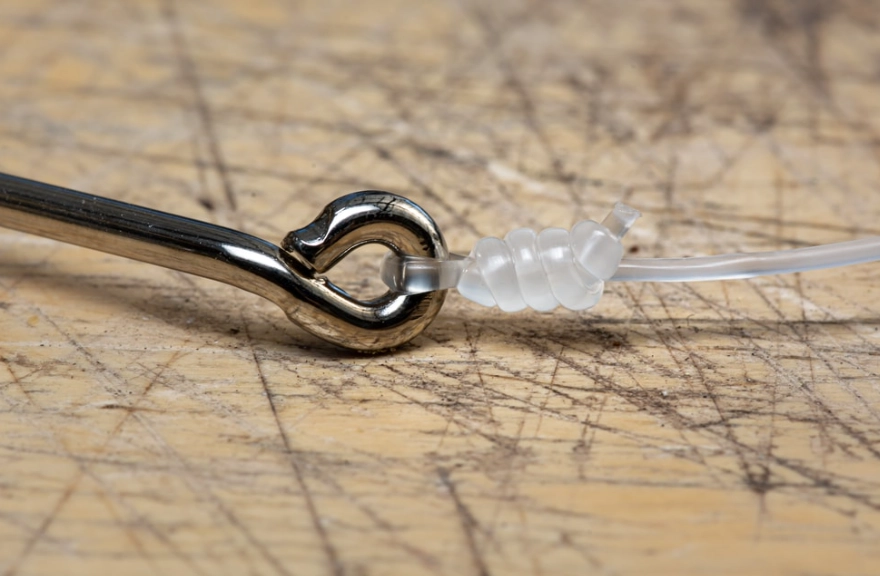
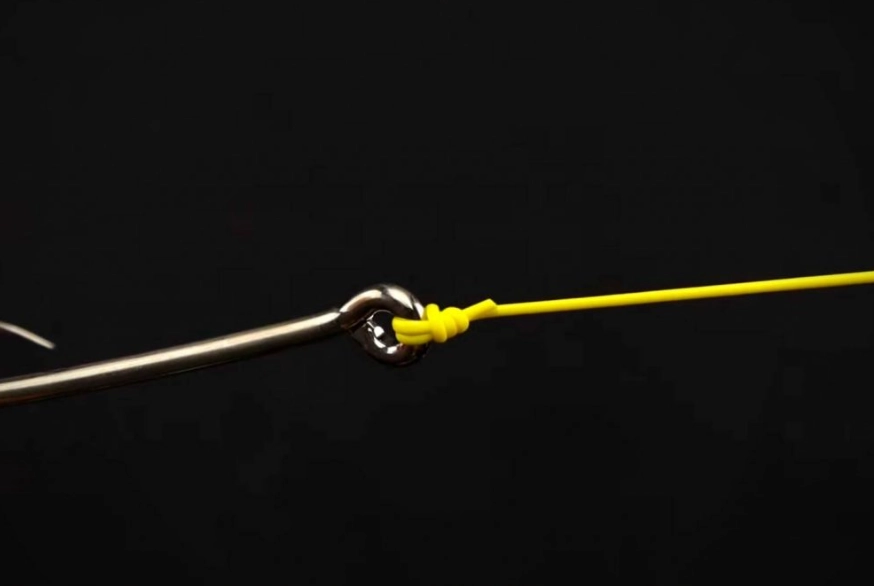
Let's cut to the chase. The Palomar knot is fantastic. It's simple, reliable, and for many anglers, it's the go-to knot for securing a hook or lure. Its reputation for high strength is well-earned. But here's the truth that doesn't get talked about enough: no single knot is universally the "strongest." The real question isn't just about raw breaking strength in a lab, but about what performs best under specific, real fishing conditions. So, is there a knot stronger than the Palomar? Absolutely. Several, in fact. But they're stronger in particular contexts—like when using heavy monofilament, connecting super-slick braid to a leader, or when you need a knot that won't cinch down and weaken your line under massive pressure. Asking for a single "strongest" knot is like asking for the best vehicle. For a dirt road, you want a truck. For a city, a small car. It depends on the terrain. I learned this the hard way on a trip targeting large amberjack. I was using 80lb braid with a 100lb fluorocarbon leader, tied with a trusty Palomar. The knot tested fine at the dock. But on the first solid hook-up, the line parted at the knot. Not a break-off, a clean slip. The braid just slid through. That's the Palomar's Achilles' heel with very heavy, stiff line and especially with modern, slick braided lines. The double line pass creates bulk, and on thick material, it can be tough to cinch down perfectly evenly. More critically, the geometry of the finished knot relies on friction against itself. With ultra-slick braid, that friction can be insufficient under extreme, sudden loads. The Palomar shines with lighter lines (up to ~30-40lb test) and monofilament/fluorocarbon. Its simplicity is its strength there. But push beyond that, or venture into heavy braid-to-leader connections, and its weaknesses become apparent. Another subtle point: the Palomar doubles the line. That's great for security, but it also means you're bending the line more sharply around itself. With stiffer fluorocarbon leaders popular for abrasion resistance, that sharp bend can create a weak point if not lubricated and tightened with immense care. Many anglers don't pull hard enough on the tag end, leaving a loose loop that fails under pressure. These knots outperform the Palomar in their specific domains. Mastering one or two of these will fill the gaps in your knot arsenal. If you're connecting two lines of similar diameter—like joining a mainline to a leader—a well-tied Double Uni (or Double Uni-knot) often retains higher percentage of the line's original strength than a Palomar used in the same scenario (which it shouldn't be, but people try). Why it's stronger here: It distributes the stress over two separate wraps that grip the opposing line. It's more forgiving with different line materials. I use it religiously for connecting monofilament or fluorocarbon leaders to monofilament mainline up to about 50lb test. The key is keeping the wraps neat (5-7 wraps each side) and cinching it down slowly and evenly, wetting the lines thoroughly. Common mistake: People pull the main lines too fast. This creates heat and weakens the knot before it's even set. Slow, steady pressure is the secret. This is the king for connecting braided mainline to a fluorocarbon or monofilament leader. In controlled strength tests, like those cited by the International Game Fish Association in their knot research resources, a properly tied FG Knot consistently shows near 100% strength retention. It's slimmer than any other connection, passing through rod guides seamlessly. It's a finicky knot to learn, no sugarcoating it. You're essentially weaving the braid around the leader. But once mastered, it's unbeatable for offshore trolling, heavy jigging, or bass fishing where a stealthy leader is crucial. It's stronger than a Palomar in this specific application because the braid is wrapped tightly around the leader, creating immense friction without a sharp bend in the leader material itself. Pro tip: Use your foot. When tying the initial wraps, step on the leader to keep tension. It makes the weaving process ten times easier. Hold on, isn't the Palomar supposed to be stronger than the Improved Clinch? Usually, yes. But with very heavy monofilament or fluorocarbon (think 80lb and above), a meticulously tied Improved Clinch can sometimes be more reliable. The reason is cinching. The Improved Clinch wraps around the standing line, and when you tighten it, the pressure is distributed along those wraps. A Palomar on super-stiff line can be hard to seat perfectly. The caveat: You must tie it perfectly. 7-8 wraps, moisten the line, ensure the tag end exits the final loop cleanly. A poorly tied Improved Clinch is far weaker than a mediocre Palomar. This is a knot for experienced hands who know how to set it right. Knots weaken line by creating stress concentrations. A sharp bend is a weak point. The best knots minimize sharp bends and maximize friction over a broader area. The Palomar creates a double line pass that loops around itself. It's elegant, but that loop point is a potential stress riser. The FG Knot, by contrast, has the braid wrapping in hundreds of tiny points of contact along the leader, distributing the load. The Double Uni uses two sets of wraps to grip. Forget the myth of a single "strongest knot." Focus on these factors instead: The most important factor isn't the knot diagram you follow; it's your tying technique. Lubricate (spit or water), tighten slowly and evenly, and trim tags cleanly. A perfectly tied Improved Clinch will outlast a sloppy FG Knot every time.
What You'll Learn in This Guide
When the Palomar Knot Falls Short (And Why)
Top Contenders: Knots That Can Beat the Palomar
1. The Double Uni Knot (for joining lines)
2. The FG Knot (for braid to leader)
3. The Improved Clinch Knot (with a caveat)
Side-by-Side: Knot Strength & Best Uses
Knot
Best For
Where It Beats a Palomar
Difficulty
Palomar
Hooks/lures with lighter lines (up to 40lb), loops, quick ties.
Simplicity, speed, reliability in its range.
Easy
Double Uni
Joining two lines of similar diameter (mono to mono, fluoro to fluoro).
Line-to-line connection strength, more forgiving with stiff material.
Medium
FG Knot
Connecting braided line to a fluorocarbon/mono leader.
Ultimate strength retention, slim profile, no hinge effect.
Hard
Improved Clinch
Heavy monofilament/fluorocarbon (60lb+), when tied with extreme care.
Easier to cinch perfectly on very thick, stiff line.
Medium
The Real Science of Knot Strength: It's About Friction and Bends
Your Knot Questions Answered
 Is there any situation where the Palomar is truly the undisputed best choice?