Master the Uni Knot: The Ultimate All-Purpose Fishing Knot Guide
Struggling to find one fishing knot that works for everything? Discover why the Uni Knot is the ultimate all-purpose knot praised by anglers worldwide. Learn step-by-step how to tie it, its key advantages over other knots, and expert tips for maximum strength.
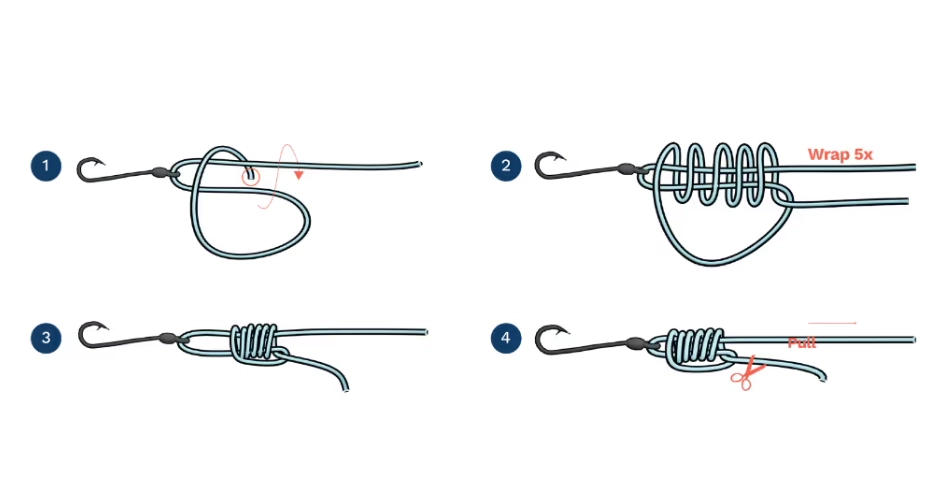
Let's be honest. Most fishing knot tutorials overwhelm you with a dozen different knots. The Improved Clinch for this, the Palomar for that, the Blood Knot for something else. You end up on the water trying to remember which loop goes where, and that's when you lose the big one. What if I told you there's one knot that can reliably handle about 90% of your fishing connections? It's called the Uni Knot (or Universal Knot), and after 15 years of guiding and personal fishing from bass ponds to offshore rigs, it's the knot I trust more than any other in my box. Its beauty is in its brutal simplicity and shocking strength. It works on braid, fluorocarbon, and monofilament. It ties hooks, lures, and swivels. It can even join two lines together. Forget the knot anxiety. This is about knot freedom. The Uni Knot isn't some newfangled invention. It's been around for decades, earning its "universal" nickname honestly. At its core, it's a friction-based knot where the standing line passes through a series of wraps, creating a noose-like loop that tightens down smoothly and evenly. Why do pros and weekend anglers alike swear by it? Strength: When tied correctly, it consistently achieves 85-95% of the line's original breaking strength. On slick modern braids, that performance is a lifesaver. I've seen knots like the Improved Clinch slip on braid; the Uni Knot just bites down and holds. Ease of Learning: You're essentially repeating one motion—making wraps. There's no complicated threading or backward loops that trip up beginners in the dark or with cold fingers. Versatility: This is the big one. One learning path, multiple applications. Tie it to a hook eye (Uni Knot). Tie it to form a loop (Uni Loop). Tie it to connect two lines (Double Uni or Uni-to-Uni Knot). You're not learning three separate knots, just three slight variations of the same move. Let's get our hands virtual. Grab a piece of old line and follow along. Reading is one thing, muscle memory is another. Want your lure to have more natural, unhindered action? Use the Uni Loop. Follow the exact same steps as above, but do not tighten the knot all the way down against the eye. Instead, after lubricating, pull on the hook/lure and the tag end simultaneously. This draws the wraps into a neat knot that leaves a loop at the eye. It's perfect for jerkbaits, crankbaits, and topwaters. Is the Uni Knot the absolute best in every single scenario? No knot is. But it's the best compromise of strength, ease, and versatility. Here’s how it stacks up against other popular knots in real-world use. My take? The Palomar is fantastic for drop-shot rigs or small finesse hooks. The FG is unbeatable for finesse baitcasting. But for the vast middle ground—tying on a spinnerbait, a crankbait, a swivel for a Carolina rig, or connecting a braid mainline to a leader—the Uni family is my first and often only choice. Let's get concrete. Here’s where the Uni Knot shines in your actual fishing. Scenario 1: Bass Fishing with Braid. You're throwing a jig on 30-pound braid. Braid is slick. The Uni Knot, with its 7-8 wraps, creates immense friction and won't slip like a poorly tied Clinch. Use the standard Uni cinched down tight. Scenario 2: Trout Fishing with a Fluorocarbon Leader. You have 4-pound fluorocarbon tied to a small hook. Fluoro is stiff and has memory. The Uni Knot draws up smoothly without kinking the line severely. Use 5-6 wraps, lubricate well, and cinch slowly to avoid heat friction which weakens fluoro. Scenario 3: Saltwater Shorecasting. You need to tie a 60-pound mono shock leader to your 30-pound braid mainline. The Double Uni Knot is your workhorse. It creates a strong, symmetrical connection that passes through rod guides reasonably well. It's the knot I've trusted for big redfish and striped bass when a more complicated knot isn't practical on a windy beach. Scenario 4: Live Bait Rigging. You're using a circle hook for snapper. The Uni Loop is perfect. It allows the hook to swing freely, ensuring the circle hook sets in the corner of the mouth. A knot cinched tight can impede that pivotal movement. After teaching hundreds of people this knot, I see the same errors repeatedly. Mistake 1: Uneven or Loose Wraps. If your wraps are sloppy and gap-ridden, the knot will cinch unevenly and create weak points. Fix: Keep tension on both lines as you wrap. Use your thumb and forefinger to guide each wrap tightly against the previous one. Mistake 2: Cinching Too Fast and Dry. This creates friction heat that can weaken nylon-based lines (mono/fluoro) by 30% or more. You're literally melting your line. Fix: Always. Lubricate. Spit on it. Dip it in the water. Then pull slowly to let the knot seat itself before the final hard pull. Mistake 3: Trimming the Tag End Too Short. That tag end is your insurance policy. Under heavy load, knots can tighten a tiny bit more. If you cut it flush, there's no buffer, and the knot may unravel. Fix: Leave a respectable tag—about the width of your fingernail (1/8"-1/4"). Mistake 4: Using the Wrong Number of Wraps. Three wraps on 50-pound braid is asking for a slip. Eight wraps on 80-pound mono makes a bulky, hard-to-tighten mess. Fix: Thinner, slicker line (braid, thin fluoro) = more wraps (6-8). Thicker, grippier line (heavy mono) = fewer wraps (4-5). Is the Uni Knot really strong enough for big saltwater fish like tuna or marlin? For true heavy-tackle big game fishing (e.g., 100lb+ stand-up gear), professional captains and mates often prefer specialized, tested knots like the Bimini Twist/Albright or wind-on leaders. The Uni is plenty strong, but the priority shifts to absolute, proven knot perfection and streamlined connections. For light-tackle saltwater (up to 50lb class), the Uni and Double Uni are absolutely in the mix and trusted by many. Why does my Uni Knot sometimes slip when I'm using it to join two lines (Double Uni)? This almost always comes down to two things: insufficient wraps or mismatched line diameters. When joining lines of very different thickness (e.g., 20lb braid to 50lb leader), you must adjust the wraps. Use more wraps (8-10) on the thinner, slicker line (the braid) and fewer wraps (5-6) on the thicker line. This balances the tightening force. Also, ensure you are pulling all four line ends (the two standing lines and the two tag ends) in opposite directions to cinch each knot independently before trimming. Can I use the Uni Knot with a swivel or a snap? Absolutely. It's one of its best uses. Treat the swivel ring or snap eye just like a hook eye. The knot cinches down cleanly on the metal. For a snap, I prefer to tie the Uni directly to the snap, not to a split ring attached to the snap. One less point of failure. What's the one "secret" to a perfect Uni Knot that most guides don't mention? After you thread the tag end back through the initial loop (Step 3), before you start to tighten, gently pull on the tag end first. This will cause the wraps to "stack" or coil neatly on top of each other, forming a perfect barrel shape. Then, switch to pulling the standing line to slide that neat barrel down to the eye. This pre-setting of the wraps is the difference between a professional-looking knot and an amateurish, bunched-up one. It consistently increases strength. The goal isn't to know every knot. It's to know one knot deeply and trust it completely. The Uni Knot is that knot. It's the foundation that lets you focus on fishing, not fumbling with line. Practice it ten times tonight. Make it yours. On the water, when your hands are cold and the fish are biting, that muscle memory will pay off. It's not just a knot; it's confidence you can tie with your eyes closed.What's Inside This Guide
What Exactly is a Uni Knot and Why is it So Popular?
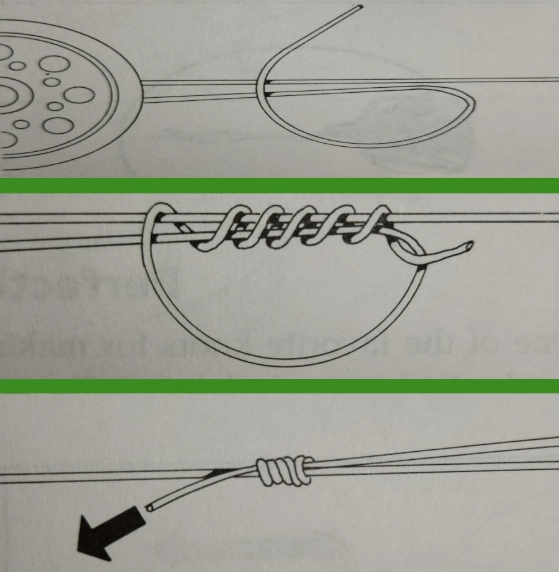
How to Tie a Uni Knot: A Foolproof, Step-by-Step Guide
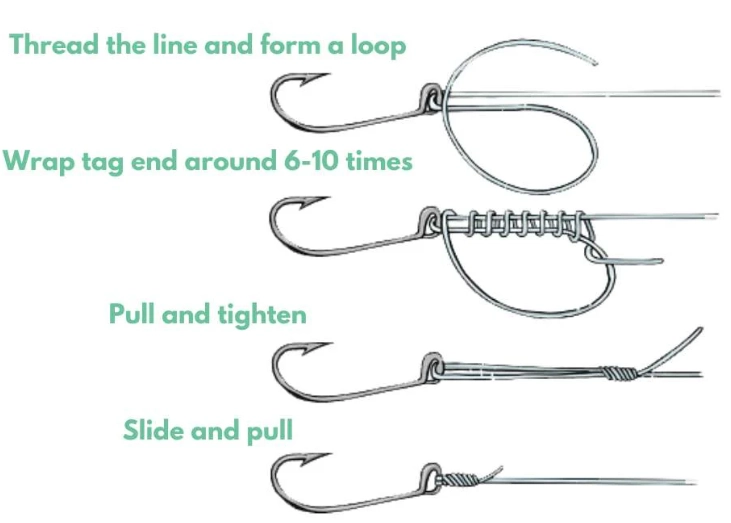
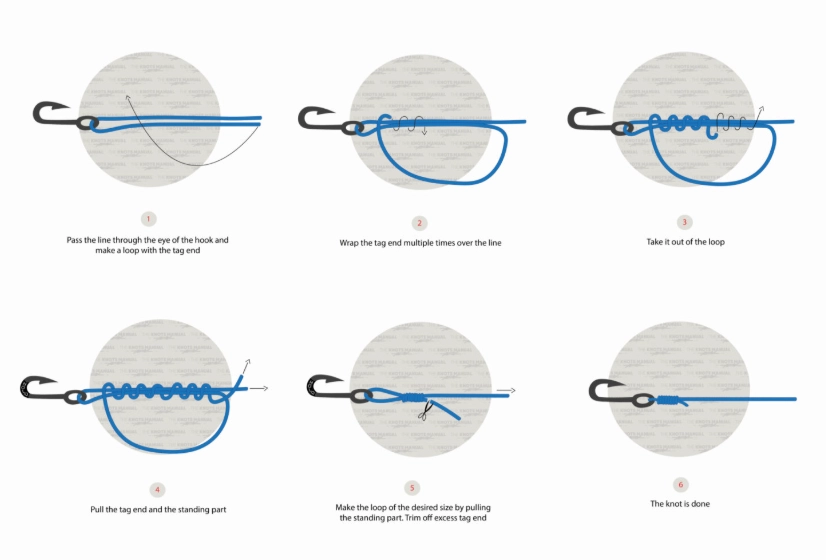
The Standard Uni Knot (To a Hook, Lure, or Swivel)
The Uni Loop (For Non-Slip Action)
Uni Knot vs. The Competition: When to Use What
Knot Name
Best For
Strength (Approx.)
Ease of Tie
Uni Knot's Edge
Uni Knot
Hooks, Braid, Lures, Loops, Line Joining
90-95%
Easy
One knot, many jobs. Exceptional on slippery braided line.
Improved Clinch Knot
Hooks/Lures on Mono/Fluoro
85-90%
Very Easy
Uni is significantly stronger and more reliable on braid. Clinch can slip.
Palomar Knot
Small Hooks, Braid, Fluorocarbon
95%+
Easy
Palomar is stronger but requires threading the line through the eye twice. Impossible with large lures or fixed-eye hooks.
Double Uni (Uni-to-Uni)
Joining two lines of similar diameter
80-85%
Moderate
More compact and often stronger than the Blood Knot for the average angler, especially with dissimilar lines.
FG Knot
Joining braid to fluorocarbon leader
Near 100%
Difficult
FG is the king for slim profile. But it's complex. The Double Uni is 90% as good and you can tie it in a rocking boat.
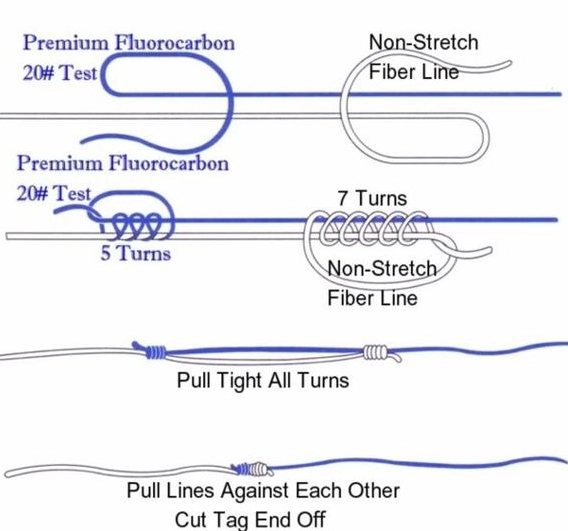
The Uni Knot in Action: Specific Fishing Scenarios
Common Uni Knot Mistakes (And How to Fix Them)

Your Uni Knot Questions, Answered