Types of Fishing Boats: A Complete Guide for Anglers and Professionals
What are the different types of fishing boats used today? From small aluminum skiffs for weekend anglers to massive trawlers for commercial fleets, this guide breaks down every major category, their features, uses, and how to choose the right boat for your fishing needs.
Fishing boats come in all shapes and sizes, and picking the right one isn't just about looks—it's about matching the boat to your fishing style, budget, and water conditions. I've spent over a decade on the water, from guiding trips in the Florida Keys to observing commercial fleets in Alaska, and I've seen too many anglers make costly mistakes by choosing the wrong vessel. Let's cut through the noise and break down the real-world categories of fishing boats, so you can make an informed decision without the marketing fluff. First things first: fishing boats fall into two broad worlds—recreational and commercial. Recreational boats are what most weekend anglers use, designed for fun, sport, and maybe feeding the family. Commercial boats are workhorses, built to haul tons of fish for profit. The line can blur sometimes, but the design priorities are totally different. Recreational boats often prioritize comfort, speed, and ease of use, while commercial vessels focus on durability, storage capacity, and efficiency under harsh conditions. I remember a friend who tried using a sleek center console for small-scale crabbing—it was a disaster. The deck wasn't reinforced for heavy pots, and saltwater corrosion ate through fittings not meant for daily grind. That's a classic mismatch. So, before diving into types, ask yourself: are you fishing for pleasure or for a living? Your answer narrows the field dramatically. Recreational fishing boats are where most of us start. They range from simple, affordable options to high-tech machines. Here are the main players you'll encounter on lakes, rivers, and coastal waters. Aluminum boats are the workhorses of freshwater fishing. Lightweight, durable, and relatively cheap, they're perfect for small lakes, rivers, and ponds. Brands like Lund and Alumacraft dominate this space. A typical 16-foot aluminum boat with a 25 HP outboard might cost $15,000 to $25,000 new. They're easy to trailer, resist corrosion well, and can handle shallow waters. But they're noisy, can be tippy in rough water, and lack the comfort of larger boats. If you're just starting out or fish calm inland waters, an aluminum jon boat or V-hull is a solid pick. Fiberglass boats are the go-to for saltwater and big-water anglers. They offer smoother rides, better stability, and more customization. Center consoles are the kings here—think brands like Boston Whaler or Grady-White. A 22-foot center console can run $50,000 to $100,000, but it'll handle offshore conditions, has plenty of deck space, and comes with features like live wells and rod holders. Downsides? Higher cost, heavier weight (needing more power), and fiberglass can crack if abused. For bay fishing or nearshore trips, a bay boat or walkaround cuddy cabin might be better, offering some shelter without sacrificing fishing space. Pontoon boats have evolved from party barges to serious fishing platforms. With added fishing chairs, trolling motors, and fish finders, they're great for calm lakes where you want to move around comfortably. A fishing pontoon might cost $30,000 to $60,000. Bass boats, on the other hand, are specialized for tournament angling—fast, low-profile, and packed with tech like hydraulic jack plates and massive outboards. They're expensive (often over $70,000) and not versatile, but if bass fishing is your passion, nothing beats them. I've seen anglers struggle with pontoon boats in windy conditions; they're stable but catch wind like a sail. Pro tip: Don't get swayed by flashy graphics on bass boats. Focus on the hull design and storage. A deeper V-hull handles chop better, and dry storage is crucial for electronics. Many beginners overlook storage and end up with wet gear. Commercial fishing boats are built for profit, and their designs are dictated by fishing methods and target species. According to the Food and Agriculture Organization (FAO), global fishing fleets use diverse vessels adapted to local conditions. Here's a breakdown of key types. Trawlers are probably the most recognizable—they're those big boats with nets trailing behind. I've been on a midwater trawler in the North Sea, and the scale is humbling. They can process fish onboard and store tons in refrigerated holds. Purse seiners, common in tuna fisheries, use a skiff to set a net around entire schools. It's efficient but controversial due to bycatch issues, which ties into the industry hotspot of sustainable fishing. Longliners are more selective, targeting species like halibut or swordfish, but they require careful management to avoid harming seabirds. Smaller commercial boats, like gillnetters or lobster boats, often operate in coastal waters. A typical Maine lobster boat is around 40 feet, with a open deck for hauling traps. These boats are rugged, simple, and built for daily work. The National Oceanic and Atmospheric Administration (NOAA) reports on vessel safety standards, highlighting that maintenance is critical—commercial boats face harsh conditions, and a breakdown can mean lost income or worse. Choosing a fishing boat isn't just about picking a type; it's about matching it to your actual needs. Here's a practical approach I recommend to friends. Start with your fishing style: Where do you fish most? If it's inland lakes, aluminum or pontoon boats make sense. For coastal bays, a center console or bay boat is ideal. Offshore? You'll need a larger fiberglass boat with deep-V hull and twin engines for safety. Consider your budget—realistically: Boat prices are just the start. Add in trailer, insurance, fuel, and maintenance. A $20,000 boat might cost $5,000 annually to run. Used boats can be bargains, but survey them for hull damage or engine issues. I've seen people buy cheap boats only to spend double on repairs. Think about storage and towing: Do you have space to store it? Can your vehicle tow it? A 25-foot boat might need a heavy-duty truck. Trailering adds convenience but also wear and tear. Test before you buy: If possible, charter a similar boat for a day. See how it handles in your local waters. Many dealers offer sea trials—use them. I once skipped a trial and regretted it when the boat porpoised badly at speed. Boat maintenance is the silent killer of budgets. Whether recreational or commercial, neglect leads to costly fixes. For recreational boats, focus on these areas: Commercial boats have it tougher. They need scheduled dry-docking, hull inspections, and compliance with regulations like those from the U.S. Coast Guard. Maintenance costs can hit 10-20% of the boat's value annually. For example, repainting a trawler's hull might cost $50,000 every few years. Fuel is another big factor. A center console might burn 10-20 gallons per hour at cruising speed, while a trawler can use hundreds. With fuel prices volatile, efficiency matters more than ever. Some newer boats integrate hybrid systems, but they're pricey upfront. Wrapping up, fishing boats are tools—pick the right one, and you'll enjoy years on the water. Whether you're chasing bass or hauling cod, understanding these types saves time, money, and frustration. Start with your needs, budget wisely, and don't skip maintenance. The water's waiting.What's Inside This Guide
Recreational vs Commercial Fishing Boats: The Big Split
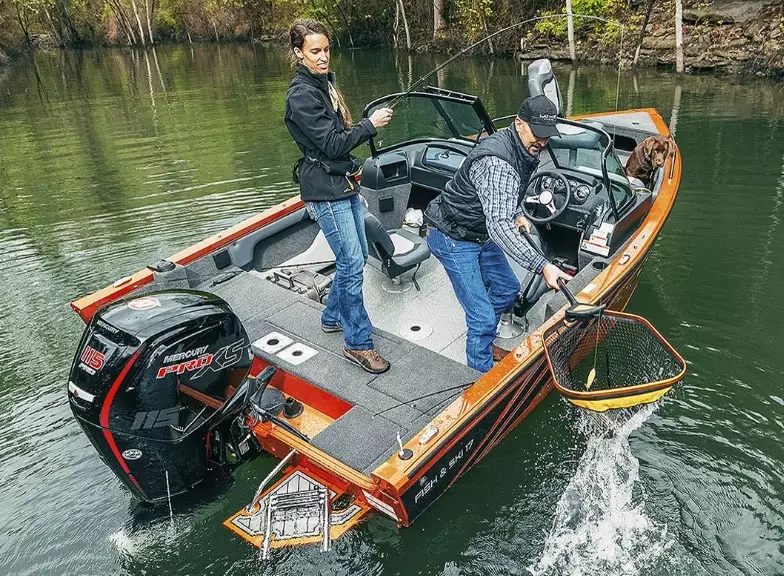
Common Recreational Fishing Boat Types
Aluminum Fishing Boats
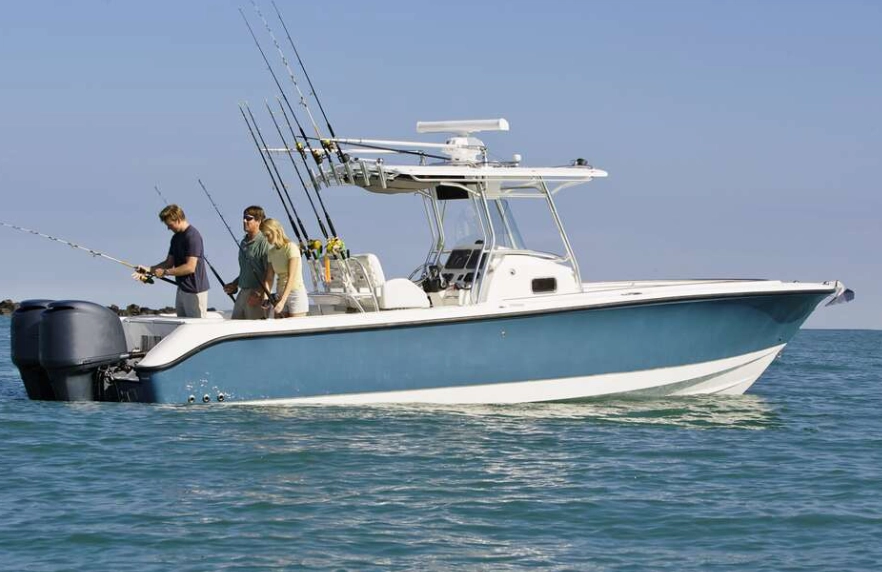
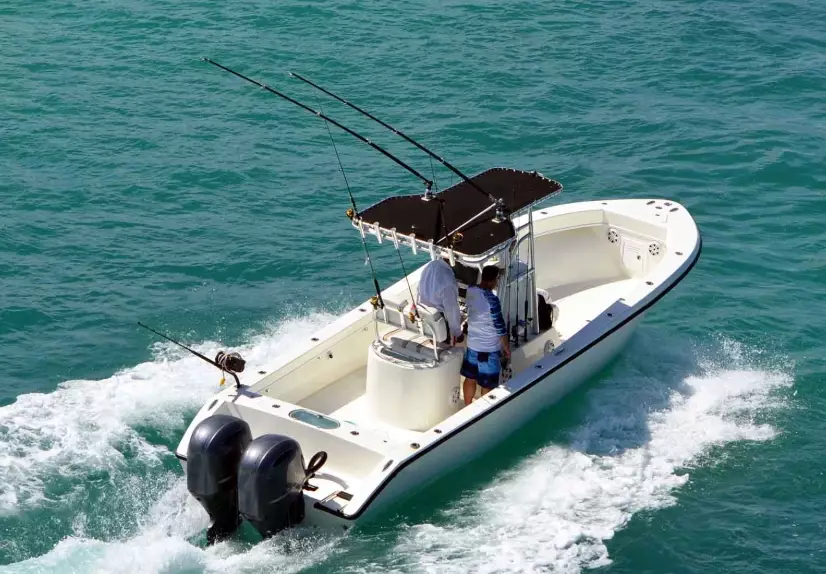
Fiberglass (Glass) Fishing Boats
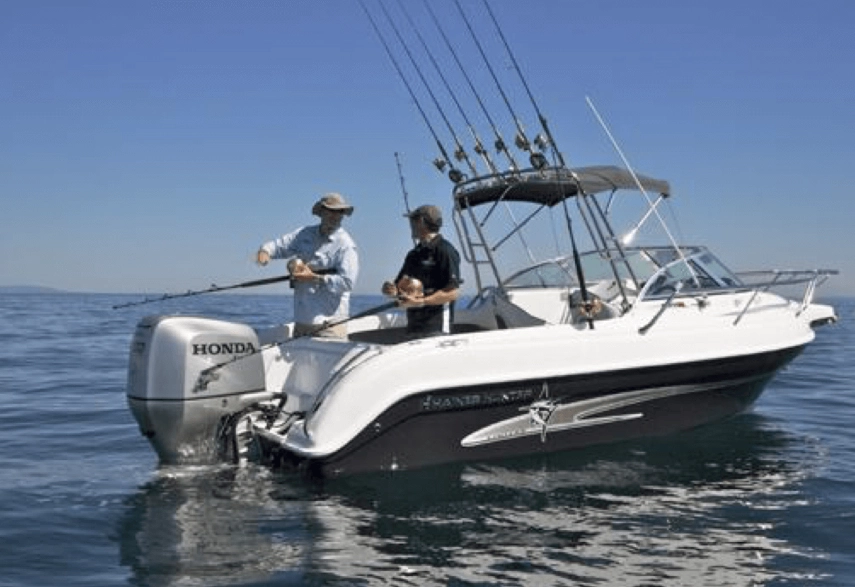
Pontoon Boats and Bass Boats
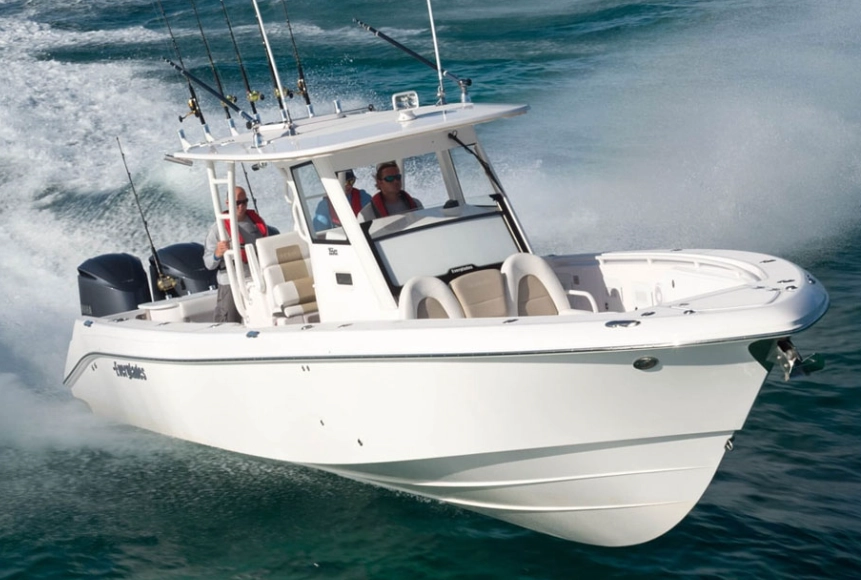
Commercial Fishing Boat Categories
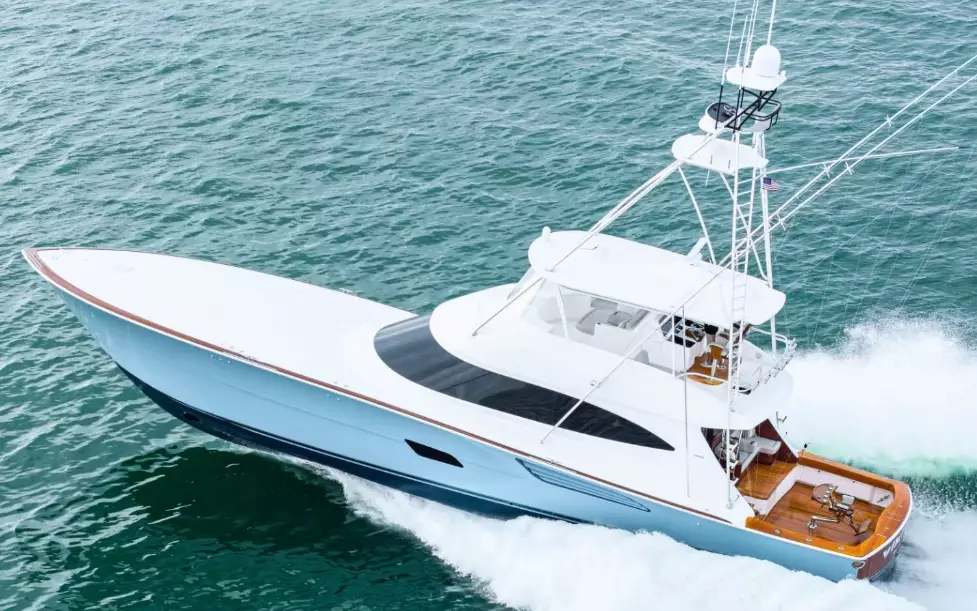
Boat Type
Primary Use
Typical Size
Key Features
Trawlers
Dragging nets along the seafloor or midwater
50 to 150 feet
Large winches, reinforced hulls, refrigerated holds
Purse Seiners
Encircling schools of fish near the surface
60 to 300 feet
Skiff for setting nets, power blocks, large crew
Longliners
Setting long lines with baited hooks
40 to 100 feet
Line setters, automated bait systems, freezers
Gillnetters
Using vertical nets to catch fish by the gills
30 to 80 feet
Net reels, low freeboard, often used in rivers
Crabbing Vessels
Deploying pots for crabs
50 to 120 feet
Hydraulic pot launchers, heated decks, large holds
How to Choose the Right Fishing Boat for You
Boat Maintenance and Cost Considerations
Fishing Boat FAQs: Expert Answers