Best Beginner Fishing Boats: How to Choose Your First Boat
What is a good fishing boat for beginners? Discover the best starter boats, from stable aluminum jon boats to versatile pontoons, and learn the key factors like budget, size, and power to make the perfect first purchase.
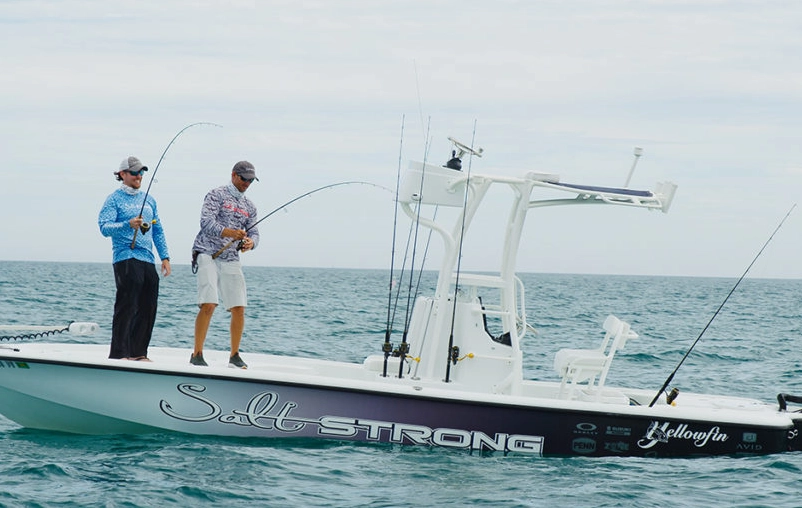
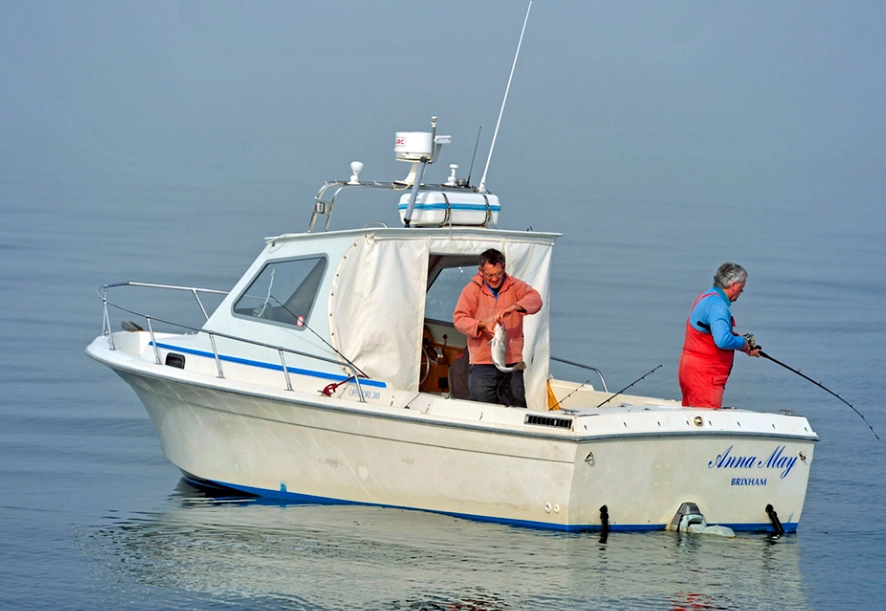
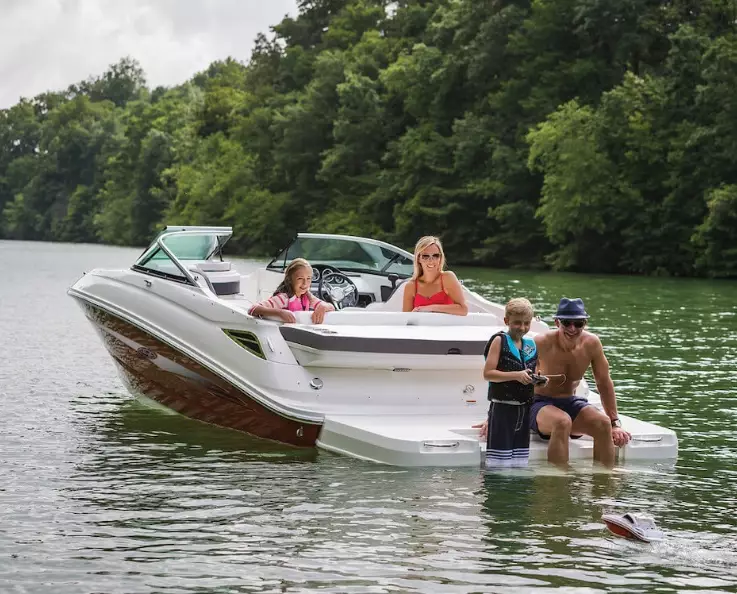
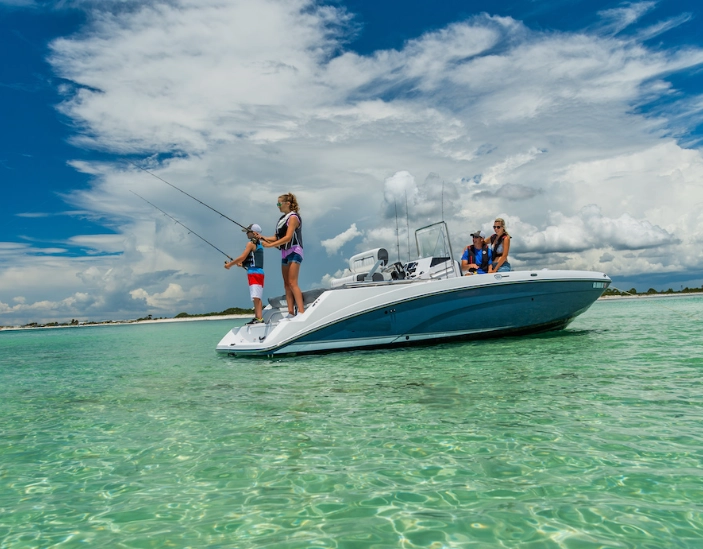
Let's cut to the chase. A good fishing boat for a beginner isn't about flashy graphics or massive horsepower. It's about stability, simplicity, and not emptying your bank account on something you'll outgrow in a season or wreck on the first sandbar. The perfect starter boat gets you on the water reliably, lets you focus on fishing, and doesn't turn into a money pit. Forget the dream catalog boats for a second. We're talking about the real workhorses that most anglers start with and often stick with for years. I made this mistake. My first "real" boat was a 19-foot deep-V glass boat meant for big lakes. It was too much boat for the local rivers I actually fished. The draft was deep, it gulped gas, and I was terrified of scratching it. A beginner's boat has one job: build your confidence on the water. Think about it. You're learning boat handling, navigation, trailer backing, and maintenance all at once. Adding a complex, expensive vessel into the mix is a recipe for stress. A good starter boat is forgiving. It's stable when you shift your weight to net a fish. It's simple enough that you can troubleshoot a minor engine issue yourself. It's cheap enough that a dent or scratch isn't a tragedy, but a lesson learned. The Beginner's Sweet Spot: Look for boats between 14 and 18 feet. This size range is large enough to be safe and stable on most inland waters (lakes, rivers, bays) but small enough to be easily towed by a standard SUV or even a robust car. It keeps costs for everything—the boat, motor, trailer, fuel, and storage—manageable. Walk around any busy boat ramp on a Saturday morning, and you'll see a pattern. Certain boats dominate for a reason. Here’s the breakdown of what actually works for someone just starting out. This is the textbook answer for a reason, but let's get specific. A 14-16 foot flat-bottom jon boat with a 20-25 horsepower outboard is the fishing equivalent of a reliable pickup truck. It's not glamorous, but it just works. Where it shines: Calm, shallow water. Ponds, small lakes, slow-moving rivers. You can drag it over a log if you have to. The flat bottom provides incredible stability for standing and casting. You can literally hose it out when you're done. The catch: That flat bottom? It pounds like a jackhammer in any chop. Don't take it on large, windy lakes. It's also basic. You're often standing on the bare aluminum floor. Modding it—adding casting decks, storage, a trolling motor—is half the fun and a great learning project. This is the jon boat's more capable cousin. It has a V-shaped bow that cuts through small waves, making it suitable for larger ponds and medium-sized lakes where the wind can pick up. Brands like Lund, Alumacraft, and Crestliner have great entry-level models in this category. You get more factory-installed features: benches with storage, maybe a livewell, rod holders. It feels more like a "real" boat but retains the aluminum advantages of being lightweight, durable, and low-maintenance. This is what I usually point eager beginners toward if they have a bit more budget and plan to fish a variety of calm-to-moderate waters. I'm talking about older, simpler models in the 16-17 foot range. Think late 90s or early 2000s Trackers, Rangers, or Nitros. They pop up on the used market all the time. Why it can work: It's a dedicated fishing machine. The layout is perfect—casting decks front and back, built-in rod lockers, aerated livewells. It's efficient. A 60-75hp motor will push it plenty fast while being relatively fuel-efficient. Major beginner warning: Fiberglass requires more care. It's heavier (need a stronger tow vehicle), can be damaged more easily, and maintenance like gel coat repair is more involved. Also, that low-freeboard design is for fishing, not for taking on big water. Be honest about your willingness to maintain it. Don't scoff. Modern high-pressure inflatable boats (HPIBs) from brands like Sea Eagle or Zodiac are incredibly tough and stable. A 12-foot model with an aluminum floorboard and a 15hp motor is a legit fishing platform. The advantages are huge for beginners: it deflates and fits in a car trunk or apartment closet (zero storage costs), it's incredibly stable due to the wide tube design, and it's surprisingly safe (punctures are rare and compartments stay buoyant). The downside is setup/breakdown time and it's not great in very cold weather or around sharp oyster beds. If your fishing trips usually include a partner, kid, or dog, and pure fishing efficiency isn't your only goal, a small 18-20 foot pontoon is worth considering. Brands like SunTracker make affordable models. You cannot beat the stability and deck space. You can walk around freely. You can add fishing chairs, a small grill, whatever. It's a fantastic platform for leisurely fishing on lakes. The trade-offs are it's slow, a sail in the wind, and you can't take it into skinny water. You can fall in love with a boat model, but if you miss these details, you'll have a headache on your hands. Set a total budget and stick to it. But here's the critical part most guides don't scream loudly enough: Your budget must include the trailer, taxes, registration, and a safety gear fund. That $5,000 boat likely needs a $1,000 trailer. Registration might be a few hundred. Life jackets, fire extinguisher, throwable cushion, anchor, ropes—it adds up fast. A rough rule? Take the price of the boat and motor package and add 25-30% for "everything else" to get on the water legally and safely. For a beginner, reliability is king. A newer 4-stroke motor is worth the premium over an older 2-stroke for peace of mind. They start easier, run cleaner, and are more fuel-efficient. Stick with major brands like Mercury, Yamaha, Suzuki, or Honda for easier access to service and parts. Horsepower matters, but not in the way you think. Match the motor to the boat's maximum rated HP (the plate on the transom will tell you). An underpowered boat is dangerous in currents or wind. An overpowered one is illegal and unstable. For a 16-foot boat, 40-60hp is a common sweet spot. Do not ignore the trailer. Rusty hubs, worn tires, and busted lights will strand you. Check the tire date codes (older than 5 years is risky), test the lights, and make sure the winch and strap work. Does the trailer fit the boat? An ill-fitting trailer can damage the hull. Learning to back a trailer is a skill—practice in an empty parking lot. Longer boats generally ride smoother and have more space. Wider boats (greater beam) are more stable. A 16-foot boat with a 70-inch beam will feel tippier than one with an 80-inch beam. For stability while standing and fishing, prioritize width. Look for dry storage hatches. Where will you put your tackle box, rain gear, and lunch? A built-in livewell is nice but not essential (you can use a portable aerated bucket). Rod storage is a luxury that keeps gear from underfoot. Don't get dazzled by electronics mounts—you can add those later. Based on a decade of watching friends start out (and some false starts of my own), here’s what I’d target. Remember, the cheaper the initial buy-in, the more you should keep in reserve for immediate repairs and upgrades. That $2,000 boat might need $500 in new tires, bearings, and a battery right away. What size boat is best for a beginner fishing in lakes? Is a used boat a bad idea for my first one? What's the one thing most beginners forget to check? Should I get a boat with a trolling motor? How important is the hull material for a beginner? The bottom line is this: a good beginner fishing boat reduces friction. It makes getting on the water easy, so you actually go fishing more often. It builds your skills without punishing every small error. Start simple, start smart, and the fancy boats will still be there once you've logged enough hours on the water to know exactly what you need.Your Quick Guide to Getting Started
Why Your First Boat Shouldn't Be Your Dream Boat
Top Boat Types for New Anglers: The Real Contenders
1. The Aluminum Jon Boat: The Ultimate Starter Platform
2. The Aluminum V-Hull / Semi-V: A Step Up in Versatility
3. The Small Fiberglass Bass Boat: The Aspirational Choice
4. The Inflatable Boat with a Hard Floor: The Dark Horse
5. The Small Pontoon Boat: The Social and Stable Option
Boat Type
Best For
Typical Starter Cost (Used)
Biggest Pro
Biggest Con
Aluminum Jon Boat
Ponds, small lakes, rivers
$1,500 - $4,000
Shallow draft, stable, cheap
Rough water ride
Aluminum V-Hull
Medium lakes, calm bays
$4,000 - $10,000
Versatile, durable, better ride
Higher cost than jon
Small Fiberglass Bass Boat
Anglers focused on bass/predator fish
$5,000 - $12,000
Dedicated fishing layout, efficient
Higher maintenance, weight
Inflatable (HPIB)
Limited storage, casual anglers
$1,000 - $3,000 (boat only)
Portable, stable, cheap storage
Setup time, vulnerable to sharp objects
Small Pontoon
Social fishing, family lakes
$8,000 - $20,000
Ultra-stable, spacious
Slow, poor in wind/waves
What Matters More Than the Boat Type: The Key Buying Factors
How Much Should a Beginner Spend on a Fishing Boat?
Outboard Motor: The Heart of the Matter
The Trailer: Your Boat's Other Half
Length and Beam (Width)
Storage and Practical Features
Straight Talk: My Recommendations for Different Budgets
FAQ: The Questions You're Actually Asking