Fishing Boat Brands: Ultimate Guide to Top Manufacturers
What are the best fishing boat brands for anglers? Discover top manufacturers like Tracker and Lund, compare key features, and learn expert tips to choose the perfect boat for freshwater or saltwater fishing in this comprehensive guide.
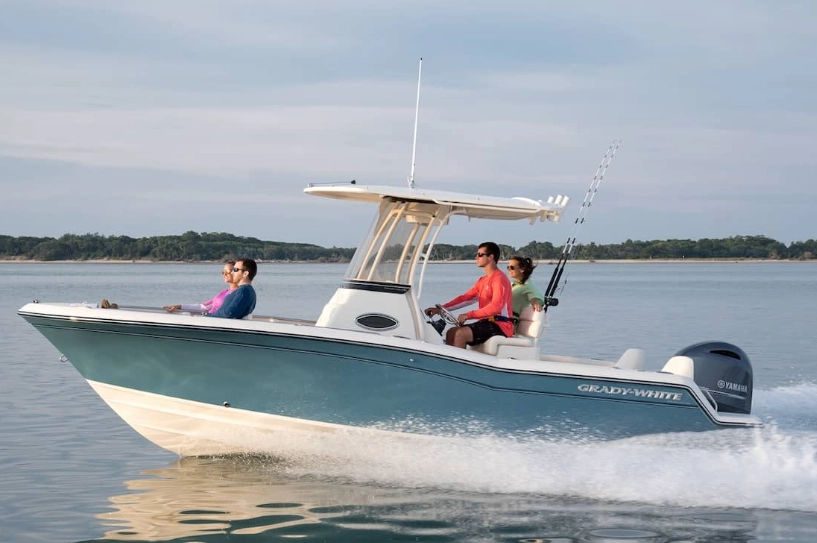
Choosing the right fishing boat brand isn't just about picking a name—it's about finding a vessel that matches your angling style, budget, and local waters. After years on the water and talking with fellow anglers, I've seen too many people make costly mistakes by focusing on flashy ads instead of practical needs. In this guide, I'll cut through the noise and break down the top fishing boat brands, what sets them apart, and how to avoid common pitfalls. Whether you're a weekend warrior or a serious tournament fisher, you'll find actionable insights here. Let's start with the basics. When you're comparing fishing boat manufacturers, it's easy to get lost in specs like horsepower or length. But from my experience, three things often get overlooked: durability in your specific environment, after-sales service, and resale value. For example, a brand might build great saltwater boats, but if you're fishing freshwater lakes, you could be paying for features you don't need. I once bought a boat from a well-known brand because it had a sleek design, but the hull wasn't suited for rocky shores—it showed wear within months. Lesson learned: match the brand's specialty to your fishing grounds. Here's a quick list of factors to weigh: According to the National Marine Manufacturers Association (NMMA), choosing a certified brand can ensure safety standards, but don't rely solely on certifications—test drive if possible. Now, let's dive into specific brands. I've grouped them by common angler profiles to make it easier. Remember, no brand is perfect for everyone. Beyond these, niche brands are gaining traction. For instance, electric fishing boats from companies like Pure Watercraft are becoming popular for eco-conscious anglers—quieter operation and lower maintenance, but limited range. It's a trade-off. Tracker dominates the entry-level market for a reason. Their boats often come as complete packages, including trailers and motors, which simplifies buying. I've owned a Tracker Pro 170 for five years—it's been reliable for small lake fishing, but the seats started fraying after two seasons. For under $20,000, you can't beat it, but don't expect luxury. Ranger boats are like the sports cars of fishing. They're fast, loaded with tech, and built for precision. At a recent bass tournament, I chatted with a pro who swore by his Ranger Z521—he loved the handling but complained about the steep price tag. If you're not competing, you might find cheaper alternatives that perform nearly as well. Marketing can be deceptive. A brand might tout "innovative hull designs," but what does that mean for you? Here's a practical approach I've developed over time. First, ignore the brochure glamour and focus on real-world reviews. Sites like BassBoat Central have forums where anglers share unfiltered experiences. Look for patterns—if multiple users report issues with a brand's wiring or corrosion, it's a red flag. Second, consider the dealer network. A brand might be excellent, but if the nearest dealer is hours away, servicing becomes a hassle. I learned this the hard way with a European brand that had limited U.S. support. Third, think long-term. Resale value matters. Brands like Ranger and Boston Whaler hold value well, partly due to reputation. According to industry reports from sources like Boating Industry, aluminum boats from Lund tend to depreciate slower than some fiberglass models in freshwater regions. Pro tip: Don't get swayed by horsepower alone. A 150-hp motor might sound impressive, but if you're fishing small ponds, a 90-hp could save you fuel and money. Match the power to your typical load and water conditions. We all make errors, but with boats, they're expensive. Here are a few I've seen repeatedly. Mistake 1: Buying too much boat. New anglers often opt for larger brands thinking bigger is better. But a massive boat can be cumbersome on narrow rivers. Start with a size that fits your most common trips. Mistake 2: Ignoring storage and maintenance. Some brands require more upkeep—saltwater boats need frequent rinsing to prevent corrosion. If you're not diligent, even a top brand will deteriorate fast. Mistake 3: Overlooking financing terms. Brands often partner with lenders, but rates vary. I once financed through a dealer and later found a better rate at my credit union. Always shop around. A non-consensus point: Many experts push brand loyalty, but I advise against it. Technology changes—a brand that was top a decade ago might lag today. Stay flexible and test different models. Wrapping up, picking a fishing boat brand is a personal decision. Use this guide as a starting point, but always trust your hands-on experience. Hit the water, talk to other anglers, and remember—the best brand is the one that gets you fishing more, with fewer headaches.Your Quick Navigation
What Really Matters in a Fishing Boat Brand?
Top Fishing Boat Brands for Different Needs
Brand
Best For
Price Range (Approx.)
Key Features
My Take
Tracker
Beginners, budget-conscious anglers
$15,000 - $30,000
Aluminum hulls, packaged deals with trailers, widely available at Bass Pro Shops
Great value, but some models feel basic—ideal for calm lakes.
Lund
Freshwater fishing, durability seekers
$25,000 - $60,000
Premium aluminum construction, smooth ride, excellent storage
Top-notch for northern waters, though pricier. Their customer service is hit or miss.
Ranger
Tournament bass fishing
$40,000 - $80,000+
High-performance fiberglass, advanced electronics integration, sleek design
The gold standard for serious anglers, but overkill if you're just weekend fishing.
Boston Whaler
Saltwater, safety-focused users
$30,000 - $100,000+
Unsinkable foam-filled hull, versatile for offshore and inshore
Bulletproof reliability, but heavy and fuel-thirsty. Worth it for rough seas.
Crestliner
Multi-species fishing, family use
$20,000 - $50,000
Hybrid aluminum designs, stable platforms, good seating options
A solid all-rounder, though some anglers find the fit-and-finish lacking compared to Lund.
Tracker: The Accessible Workhorse
Ranger: The Tournament Favorite
How to Evaluate Brands Beyond the Hype
Common Mistakes and How to Dodge Them
Answers to Your Burning Questions