Bass Fishing Boat Buyer's Guide: How to Choose the Perfect Boat
Struggling to decide which bass fishing boat is right for you? This in-depth guide breaks down everything from boat types and key features to budgeting tips and common mistakes to avoid, helping you make an informed decision for your fishing adventures.
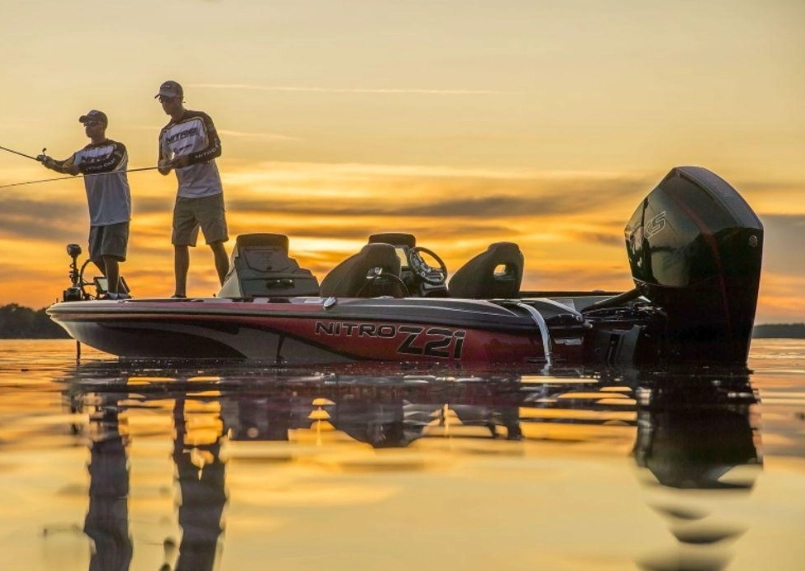
Jump to What Matters I still remember the first time I stepped onto a proper bass boat. It was a used aluminum model, and I spent more time fixing leaks than fishing. That mistake cost me a season. Today, after years on the water and helping buddies pick their rides, I've learned that choosing a bass fishing boat isn't just about price or looks—it's about matching the machine to your fishing style, local waters, and yes, your wallet. Let's cut through the marketing hype and get into what really matters. You might wonder why not just use any old johnboat or a generic fishing boat. Here's the thing: bass boats are built for one job—catching bass efficiently. They have flat decks for easy movement, specialized storage for rods and tackle, and live wells that keep fish healthy. I've seen anglers in standard boats struggle with clutter and poor positioning, while a bass boat lets you focus on fishing. It's like comparing a sports car to a sedan; both drive, but one is tuned for performance. If you're serious about bass fishing, a dedicated boat isn't a luxury; it's a tool that ups your game. Think about it: more time casting, less time fumbling. This is where most people get overwhelmed. Let's break it down into digestible chunks. The hull debate is endless, but here's my take based on years on both types. Aluminum boats, like those from Tracker or Lund, are lighter, easier to trailer, and generally cheaper. I've hauled mine on rough roads without worry. But they can be noisy, and in rough water, they don't ride as smoothly. Fiberglass boats, such as Ranger or Nitro models, offer a quieter, more stable ride and often have better fit and finish. They're also faster with the same horsepower. However, they're heavier, pricier, and can be a pain to repair if you hit a submerged log. I lean toward aluminum for smaller lakes and budget-conscious anglers, but if you fish big, choppy waters regularly, fiberglass is worth the investment. Don't just go by brand hype—test ride both if you can. The engine is your boat's heart. Most bass boats use outboard motors, and size matters more than you think. A common mistake is underpowering. For a 17-foot boat, a 90 HP motor might seem enough, but on windy days or with a full load, you'll wish you had 115 HP or more. I've been there, crawling back to the dock against the wind. Brands like Mercury, Yamaha, and Evinrude are reliable, but focus on dealer support in your area. A local mechanic who knows your motor is gold. Also, consider fuel efficiency—a 4-stroke might cost more upfront but saves gas over time. Storage isn't just about compartments; it's about accessibility. Look for a boat with a dedicated rod locker that holds at least 7-foot rods horizontally. I've ruined rods in vertical storage. Live wells should have aerators and recirculation pumps—check if they're easy to clean. Deck space is crucial too; a cluttered deck means tripping over gear. Here's a quick comparison I often share with friends: Notice how the table highlights trade-offs. Your choice depends on where you fish most. Budget talk makes people nervous, but let's be real. A new bass boat can range from $20,000 to over $80,000. I've seen anglers blow their savings on a flashy model, then skimp on essentials like a good trailer or insurance. Big mistake. Factor in all costs: the boat itself, motor, trailer, taxes, and registration. Then add ongoing costs—insurance (about $500/year), maintenance (oil changes, impeller replacements), and storage if you don't have a garage. Used boats can be a steal, but inspect them thoroughly. I once bought a used boat with a cracked transom; the repair cost more than the boat. A good rule: allocate 20% of your budget for extras like electronics (fishfinders, trolling motors) and safety gear. Don't forget life jackets and a fire extinguisher—they're not optional. Let's make this concrete. Imagine you fish two types of waters: a calm, weedy local pond and a large, windy reservoir like Lake Fork in Texas. For the pond, a small aluminum bass boat with a 50 HP motor is perfect—easy to maneuver, cheap to run. But for Lake Fork, you need a fiberglass boat with a 150 HP motor to handle waves and cover distance quickly. I have a friend who tried to use his pond boat on the reservoir; he spent half the day battling waves and couldn't reach his spots. He upgraded to a fiberglass model and his catch rate doubled. The lesson: match the boat to your primary fishing ground. If you fish diverse waters, consider a mid-size fiberglass boat as a compromise. Think about trailering too. A heavy boat needs a robust truck. My first bass boat was too big for my SUV, leading to white-knuckle drives. Measure your garage and tow vehicle before buying.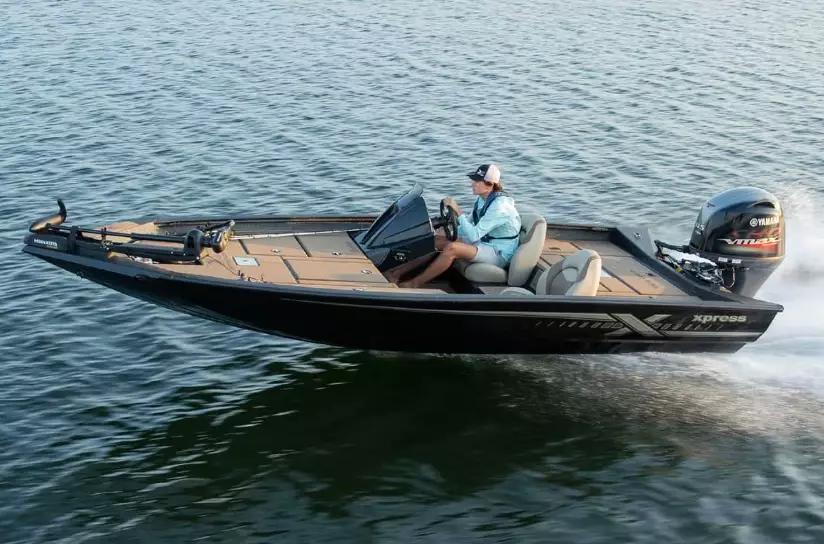
Why a Dedicated Bass Boat Matters
Key Factors in Choosing Your Bass Boat

Hull Material: Aluminum vs. Fiberglass
Power and Performance: Outboard Motors
Storage and Layout for Serious Fishing

Feature
Aluminum Boat (e.g., Tracker Pro 170)
Fiberglass Boat (e.g., Ranger RT178)
Average Price
$20,000 - $30,000
$35,000 - $50,000
Weight
~1,200 lbs
~1,800 lbs
Storage Capacity
Good, but can feel cramped
Excellent, with more compartments
Best For
Small to medium lakes, easy trailering
Large lakes, tournaments, rough water

Setting a Realistic Budget for Your Bass Boat

A Real-World Scenario: Choosing a Boat for Different Lakes

Frequently Asked Questions (FAQ)