The Ultimate Guide to Ocean Fishing Boat Trips: Gear, Safety & Catching Fish
Ever wondered what it's really like to spend a day on an ocean fishing boat? This guide covers everything from choosing the right charter and essential gear to proven deep sea fishing techniques and crucial safety tips for a successful and enjoyable offshore adventure.
My first ocean fishing boat trip was a disaster. I showed up with a freshwater rod, wore jeans, and spent three hours leaning over the rail. I caught nothing but a sunburn and a lesson in humility. That was years ago. Since then, I've spent countless days on everything from rugged head boats in the North Atlantic to sleek private charters in the Gulf, and I've learned what separates a miserable day at sea from an unforgettable adventure. Let's talk about how to make sure yours is the latter. This is the single biggest decision that shapes your day. Pick wrong, and you're stuck in a crowd or paying for a yacht when you just wanted to fish. Most newcomers just search for "ocean fishing boat near me" and book the first result. Big mistake. You have three main options, and they're worlds apart. Here's the insider tip most booking sites won't tell you: For your first few trips, stability is more important than speed. A wider, slower boat might take an extra 30 minutes to reach the grounds, but if everyone is green from seasickness, those 30 minutes are irrelevant. Ask the captain or mate about the boat's beam (width) and hull design. A deep-V hull cuts waves better but can roll more at rest; a flatter bottom is more stable when stopped but pounds in chop. I once booked a "fast" 6-pack boat for a canyon tuna trip. It was fast, alright. We slammed into every wave, and two guys were out of commission before we even put lines in. The captain's goal was miles, not comfort. Now, I ask: "How's the ride out to the [local fishing spot]?" Their answer tells you everything. Most charters provide rods, reels, and bait. But what you bring personally makes or breaks your comfort and success. Don't be the guy in jeans. Clothing is Your First Layer of Defense: Forget cotton. It gets wet and stays wet. You need synthetic or wool layers. Your Personal Fishing Kit: The boat provides the heavy gear, but these items show you know what you're doing. On the boat, you'll likely use one of two main methods. Understanding them beforehand lets you focus on fishing, not figuring things out. This is the most common technique on head boats and inshore charters. You're dropping bait to the seafloor. The mistake? Most people just feel a "tap" and yank the rod. You'll miss the fish. The key is patience. Let the fish take the bait. With circle hooks (which most boats use now), you don't set the hook. You simply start reeling steadily when you feel consistent weight. The hook slides to the corner of the fish's mouth and sets itself. If you jerk, you pull it right out. The mate will help, but if you know to reel steadily against the weight, you'll land more fish. Used for tuna, mahi-mahi, marlin. Lures or baits are dragged behind the moving boat. Your job here is often to be ready. When a fish hits, the captain will yell "Fish on!" and a rod will be handed to you. Here's the subtle error: People get excited and crank the reel as fast as they can. This often pulls the hook. The correct method is a steady, powerful pump: lift the rod tip up smoothly to pull the fish, then reel down quickly as you drop the tip. Let the rod's power do the work, not just your arms. This isn't a lake. The ocean is powerful and doesn't care about your plans. A good crew will brief you, but responsible anglers know this stuff cold. 1. Listen to the Crew. Always. If they say "Reel up," you reel. If they say "Hold on," you grab something solid. They see weather, other boats, and tangles you don't. 2. Seasickness: The Silent Trip-Killer. This is the number one user pain point. Taking a pill when you start feeling queasy is like putting on a seatbelt during a crash. It's too late. 3. Know Where the Safety Gear Is. Locate the life jackets and the man-overboard gear when you board. Just a glance. Hope you never need it, but know it's there. 4. Fish Have Knives. Handle all fish with care. Even a small snapper has sharp gill plates and spines. Let the mate show you the safe grip (usually a firm hold behind the head and pectoral fins). It looks like magic, but it's technology and old-school knowledge. Modern boats use: The takeaway? Trust your captain's spot. They want you to catch fish—their tip depends on it. If they move after 20 minutes of no bites, they're not giving up; they're working.What's Inside This Guide?
How to Choose the Right Ocean Fishing Boat for Your Trip
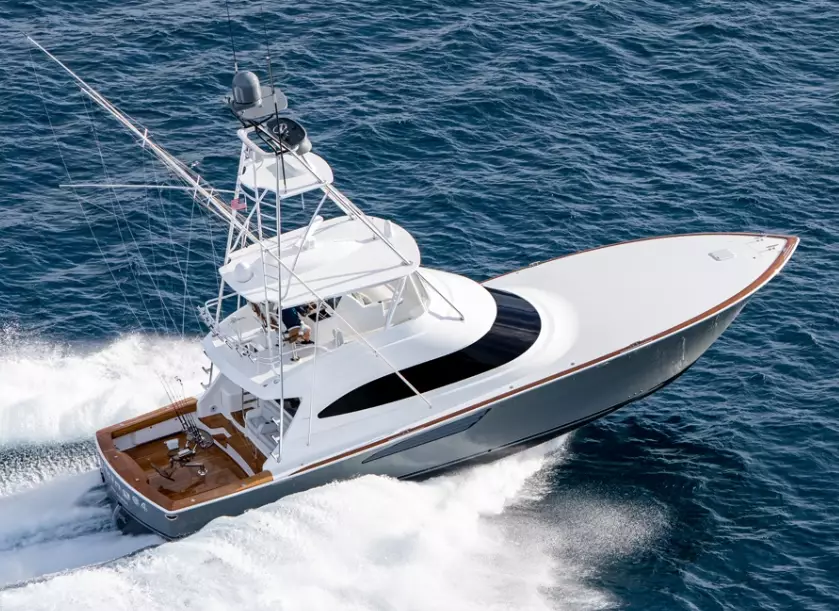
Boat Type
Best For
Price Range (Per Person)
Biggest Pro
Biggest Con
Head Boat / Party Boat
Budget anglers, beginners, social fishing. You pay a fare (a "head") and join a crowd.
$50 - $150
Very affordable, crew handles a lot for you.
Can be crowded (30-60 people), less personalized, limited space.
Six-Pack Charter
Small groups (max 6 anglers), friends/family, serious fishing. You book the whole boat.
$150 - $400 per person
Personalized attention, target specific fish, flexible schedule.
Higher cost, need to assemble a group.
Private Sportfishing Yacht
Luxury experience, corporate trips, targeting big game (marlin, tuna).
$500 - $2000+ per person
Top-tier comfort, speed, and equipment; expert crew.
Very expensive.

Essential Gear You Need on an Ocean Fishing Boat

Proven Deep Sea Fishing Techniques That Actually Work
Bottom Fishing for Snapper and Grouper

Trolling for Pelagic Predators
Safety First: Non-Negotiable Rules for Offshore Fishing

Finding Fish: How Captains Locate Hotspots

Your Ocean Fishing Boat Questions Answered