Choosing the Best Small Fishing Boat: A Practical Buyer's Guide
Struggling to choose the right small fishing boat for your needs and budget? This detailed guide cuts through the hype, comparing aluminum vs. fiberglass, key features to prioritize, and expert tips to avoid costly beginner mistakes.
Let's be honest. You're not looking for a yacht. You want a simple, reliable, small fishing boat that gets you on the water without draining your bank account. Something you can handle alone, trailer easily, and fish from effectively. The problem is the overwhelming choice: aluminum jon boats, fiberglass bass boats, modified V-hulls, skiffs. Which one is right for your water, your style, and your wallet? I've owned and fished from just about every type of small boat over the last decade. I've made the mistakes—buying the wrong hull for my local lake, underestimating storage needs, getting sold on features I never used. This guide is the conversation I wish I'd had before writing those first checks. This is the first and biggest fork in the road. Forget brand loyalty for a second. The material dictates where you can go, how you'll maintain it, and what you'll pay upfront. The Workhorse. Pound for pound, the most practical choice for many anglers. They're incredibly lightweight, which means you can use a smaller, cheaper outboard and tow with almost any vehicle. Scrape a rock? It'll scratch, but it won't crack. You can beach it on a gravel shore without a second thought. For rivers, shallow marshes, and ponds, an aluminum boat is often the only tool for the job. The downside? They're noisy. A dropped pliers sounds like a gunshot. They can be less stable in choppy water compared to a deeper fiberglass hull, and on blistering hot days, the deck gets hot enough to fry an egg. The Performance Pick. The ride is smoother and drier in waves. They're quieter, which matters when sneaking up on skittish fish. The molded-in features—livewells, rod lockers, casting decks—are seamless and efficient. A 16-foot fiberglass bass boat feels like a much larger, more substantial platform. But they're heavy. You'll need a robust trailer and a vehicle rated for the load. They're also more expensive, both to buy and to repair. A deep gouge isn't a DIY fix for most people. And forget about dragging one up a rocky bank. Brochures love to highlight fancy graphs and hydraulic steering. For a small fishing boat, focus on these fundamentals first. Flat-bottom jon boats are stable for standing and fishing in calm water but pound horribly in chop. V-hulls cut through waves better. Look for a modified-V or semi-V design—it offers a compromise, providing some wave-handling while retaining decent shallow-water capability. A wider beam (the width of the boat) equals more stability. Don't go below 48 inches on a small boat if you plan to stand and cast. Think practically. Where will your life jackets, anchor rope, tackle boxes, and cooler go? Open floor plans are versatile but messy. Dedated storage compartments keep things organized but eat into space. On a small boat, a simple, open layout with a couple of dry storage hatches is often more useful than a maze of tiny compartments. Manufacturers list a maximum horsepower rating. You don't always need the max, but never underpower your boat. A struggling, overworked 15 HP motor on a boat rated for 25 HP will burn more fuel, have a shorter lifespan, and leave you struggling against wind and current. A rule of thumb: aim for 70-80% of the max rating for a good balance of power and efficiency. On used boats, the transom (the flat back where the motor mounts) is a critical failure point. Press firmly on it from the outside. Any flex, softness, or visible cracks in the wood core (common in fiberglass) or corrosion (in aluminum) is a major red flag. Replacing a transom is a costly, labor-intensive repair. Walk away. The sticker price on the hull is just the beginning. Let's break down a realistic first-season budget for a basic 16-foot aluminum setup. The used market is where the value is, especially for a first boat. You'll take a depreciation hit the moment you drive a new one off the lot. A well-cared-for 5-10 year old package is often 50% less. You've bought the boat. Before you rush to the lake, do these three things. 1. Trailer Bearings: This is the #1 cause of roadside failures. Repack the wheel bearings with fresh grease. It's a messy, 30-minute job that can save you a $500 tow and a ruined weekend. 2. Electrical Connections: Corrosion is the enemy. Disconnect and clean all battery terminals and trailer light connections. Apply a dielectric grease to prevent future corrosion. Flickering trailer lights are a common, easily fixed annoyance. 3. Organize Your Gear: Use milk crates or cheap plastic bins to group items: safety gear, tackle, tools/ropes. It keeps the deck clear and makes loading/unloading faster. I use a different colored crate for each category. For maintenance, freshwater is your friend. Rinse the boat, motor, and trailer thoroughly after every trip, especially if you've been in salt or brackish water. A cover is the single best investment to protect your boat from UV damage and weather. The right small fishing boat isn't the one with the most features or the shiniest gel coat. It's the one that matches your local water, fits your budget (including the hidden costs), and gets you on the water consistently. Start simple, buy used if you can, and focus on the fundamentals. The fish don't care what you're in, as long as you're out there.What You'll Learn in This Guide
Aluminum vs. Fiberglass: It's More Than Just Weight
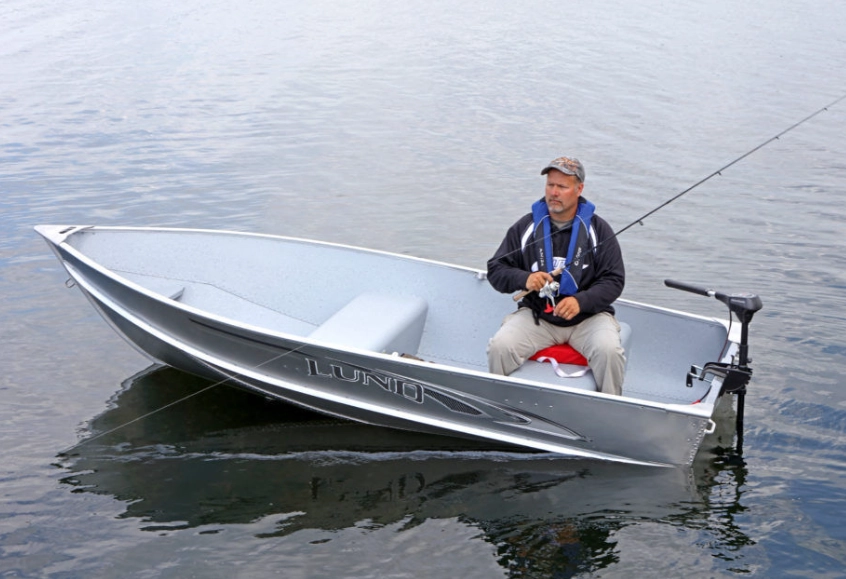
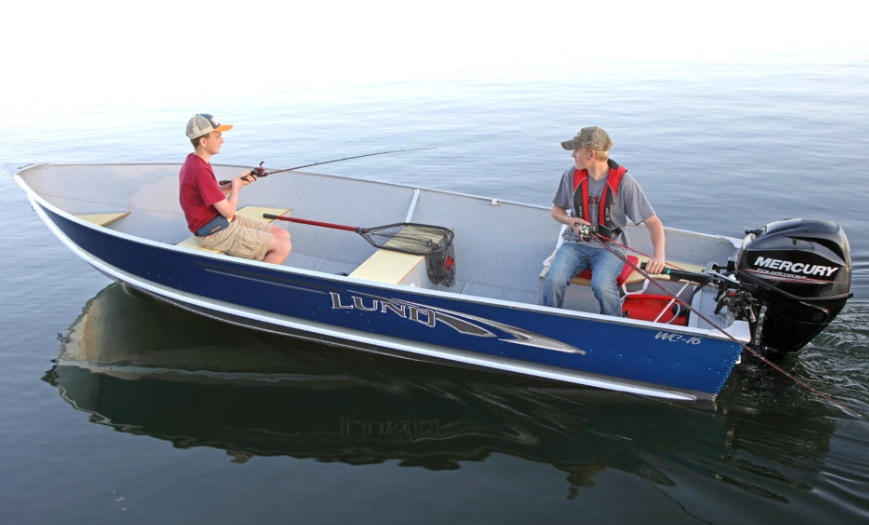
Aluminum (Jon Boats, Mod-V)
Fiberglass (Bass Boats, Skiffs)
Forget the Bells and Whistles: The Features That Actually Matter
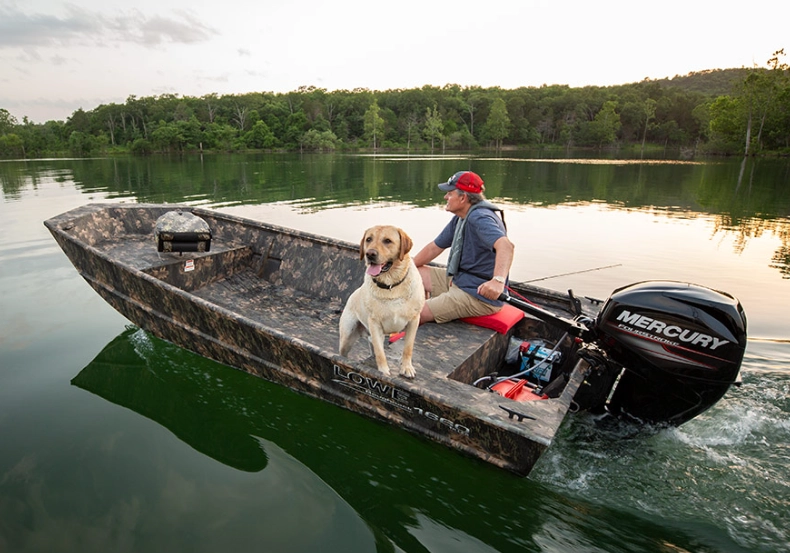
Hull Design & Stability
Storage & Layout
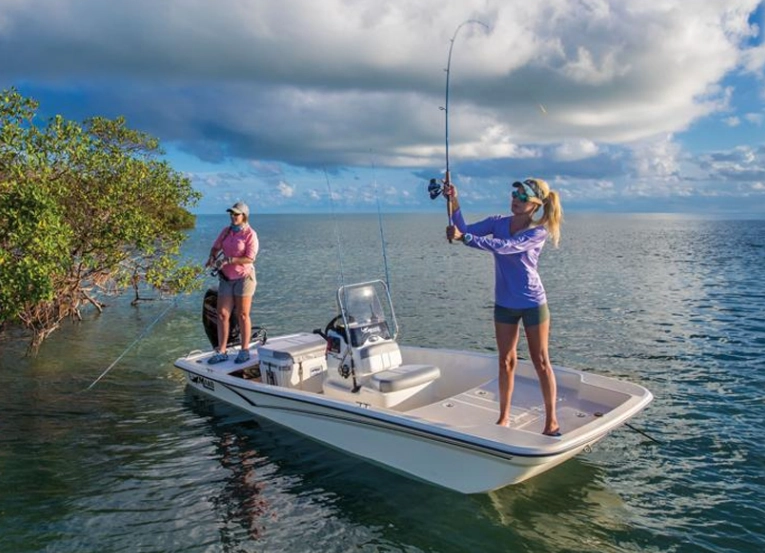
The Power Question: Outboard Size
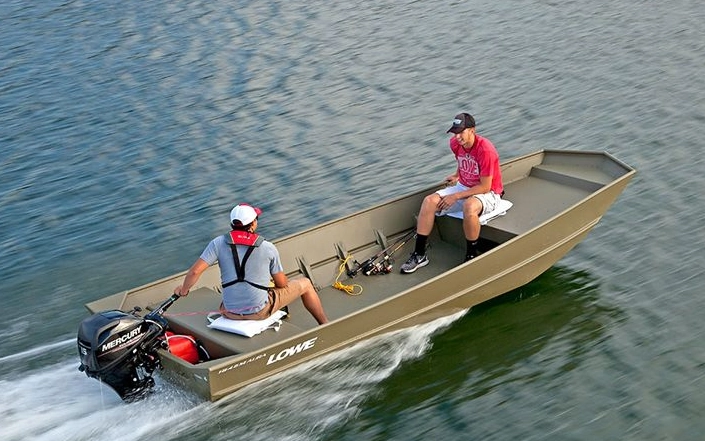
One Thing Nobody Talks About: The Transom
Budget Reality Check: New, Used, and The Hidden Costs
Item
New (Approx.)
Used (Good Condition)
Notes
Boat & Trailer
$8,000 - $12,000
$3,000 - $6,000
Trailer condition is key. Check tires, bearings, lights.
Outboard Motor (40HP)
$5,000 - $7,000
$2,000 - $4,000
A recent professional service record is worth a premium.
Title, Registration, Tax
$300 - $600
$300 - $600
Varies wildly by state. Don't forget this.
Safety Gear (PFDs, Fire Ext., etc.)
$200 - $400
$200 - $400
Non-negotiable. New is best for life jackets.
Electronics (Fishfinder/GPS)
$300 - $1,000
$100 - $500
Start simple. A basic sonar unit is a huge help.
First-Year Total
~$14,000 - $21,000
~$5,600 - $11,500
Used market offers massive savings but requires diligence.
Setup & Maintenance: A Few Hours Now Saves Headaches Later
Expert FAQ: The Questions You're Actually Asking