California Fishing License & Regulations Guide
Planning to fish in California? Our guide covers everything from fishing license types and costs to size limits, bag limits, and special regulations for different species and locations.
So you want to cast a line in California? Great choice. The state offers everything from deep-sea adventures off the Monterey coast to serene trout fishing in the High Sierra. But before you get lost in daydreams of the big catch, there's some essential homework. Fishing here isn't just about grabbing a rod. You need the right permit, and you absolutely must know the rules for where and what you're fishing for. Get it wrong, and a warden's ticket can quickly ruin your trip. This guide cuts through the confusion and lays out exactly what you need. Let's start with the absolute foundation. If you're 16 or older, you need a California Sport Fishing License to take any fish, shellfish, crustacean, or amphibian in state waters. That covers almost every fishing scenario, from ocean piers to mountain streams. It's not a suggestion—it's the law. The California Department of Fish and Wildlife (CDFW) offers a few options. The Annual Sport Fishing License is the best value if you'll fish more than a couple of times a year. For residents, the cost is a significant point of discussion—it's not cheap, but it funds critical conservation work. Non-residents pay more, which is standard across the US. If you're just visiting or trying it out, short-term licenses are lifesavers. The 1-Day and 2-Day Sport Fishing Licenses are perfect for a weekend getaway. I used a 2-Day license on my first trip to Lake Tahoe, and it was straightforward. Here's where many new anglers get tripped up. Your basic license is often just the entry ticket. Depending on where and what you fish for, you need additional stamps, called "validations," or special report cards. Planning to fish in the Pacific Ocean, San Francisco Bay, or any tidal water? You likely need an Ocean Enhancement Validation. This is a mandatory add-on for anyone fishing south of Point Arguello (near Santa Barbara). It funds hatchery programs for popular ocean species like salmon and steelhead. Think of it as part two of your ocean fishing ticket. It's not expensive, but forgetting it is a common and costly mistake. For certain prized or managed species, the CDFW requires you to track every single fish you catch (or even attempt to catch) on a separate report card. You must fill it out immediately, often before you even move your boat or leave the area. These are critical for fisheries management. The big ones are: You purchase these report cards when you buy your license. At the end of the season, you must return them to the CDFW by January 31st, even if you didn't catch anything. Failing to report can lead to a fine and make you ineligible to buy the card next year. This is the most complex part and where having a local tackle shop clerk's number on speed dial isn't a bad idea. Rules change by species, location, and sometimes even time of year. Assuming what worked in one spot applies everywhere is the quickest way to a violation. Every fish has a minimum size limit (you can't keep anything smaller) and a daily bag limit (the max number you can keep in one day). Some also have a possession limit (the total you can have at any time, often two days' worth of bag limits). Here’s a snapshot for some common targets. This is just an example—you must verify for your specific location. See what I mean? The rockfish rule is a perfect example of a nuance that catches people. You can't just keep 5 of every type of rockfish. You can't use just anything to catch a fish. In most freshwater streams and rivers, only artificial lures with barbless hooks are allowed. Live bait might be prohibited to protect native species. The number of rods you can use at once ("angling methods") is also regulated—usually two rods in ocean and most inland waters, but only one in certain rivers. Always check. A personal gripe? The rulebook's maps. They can be confusing, using landmarks like "the first bridge" or "the mouth of the creek." When in doubt, ask. Call a local CDFW office or a reputable bait shop. Let's make this actionable. Here’s your go-to list before you head out: One last pro tip from hard experience: If you're fishing a river for trout, the water temperature matters more than you think. On a really hot day, even if the fishing is slow, consider stopping. Stressed trout have a high mortality rate even after release. It's about respecting the resource that the licenses and rules are designed to protect. What do I need to fish with my kids in California? Children under 16 do not need a fishing license in California. However, if they are fishing from a public pier in ocean waters, they also do not need an Ocean Enhancement Validation. It's a fantastic and cost-effective way to introduce them to fishing. Just remember, all other regulations like size and bag limits still apply to their catch. I'm visiting from out of state. Can I use my home state fishing license in California? No, you cannot. California does not have reciprocity with any other state for fishing licenses. You must purchase a California fishing license. For short visits, the 1-Day or 2-Day Non-Resident Sport Fishing License is your best bet. If you plan to fish in the ocean, you'll need to add the Ocean Enhancement Validation to that short-term license as well. Where is the best place to buy a California fishing license? The fastest and most convenient way is online through the California Department of Fish and Wildlife (CDFW) website. You can print it immediately or display it on your phone. Licenses are also sold at hundreds of physical agents, including most major sporting goods stores (like Big 5 Sporting Goods, Bass Pro Shops), many tackle shops, and even some hardware stores near popular fishing spots. I always recommend buying online to avoid lines, especially before a weekend trip. What's the biggest mistake new anglers make with California fishing rules? Assuming the rules are the same everywhere. I've seen too many people get a citation because they used the same bait or kept a fish that was legal in a lake last week, but not in the river they're fishing today. The most critical step is checking the specific regulations for the exact body of water you're fishing, either in the CDFW's Freshwater or Ocean Sport Fishing regulation booklets or their online map tool. A rule that applies to the Sacramento River may not apply to the American River just miles away.What You'll Find in This Guide
The Non-Negotiable: Your California Fishing License
Beyond the Basic License: Validations & Report Cards
Ocean Fishing: The Second Layer
Tracking the Catch: Report Cards
Knowing the Rules: Size, Bag Limits & Methods
Size and Bag Limits: It's in the Book
Species (General Area)
Minimum Size
Daily Bag Limit
Notes
Rainbow Trout (Most Inland Waters)
None or 10-14 inches*
5
*Varies wildly. Some lakes are "catch-and-release only."
California Halibut (Ocean)
22 inches
3
Only 1 over 28 inches.
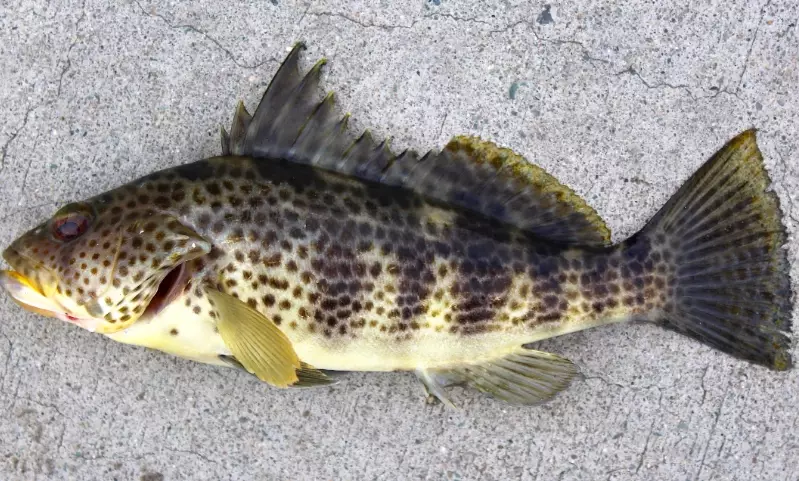
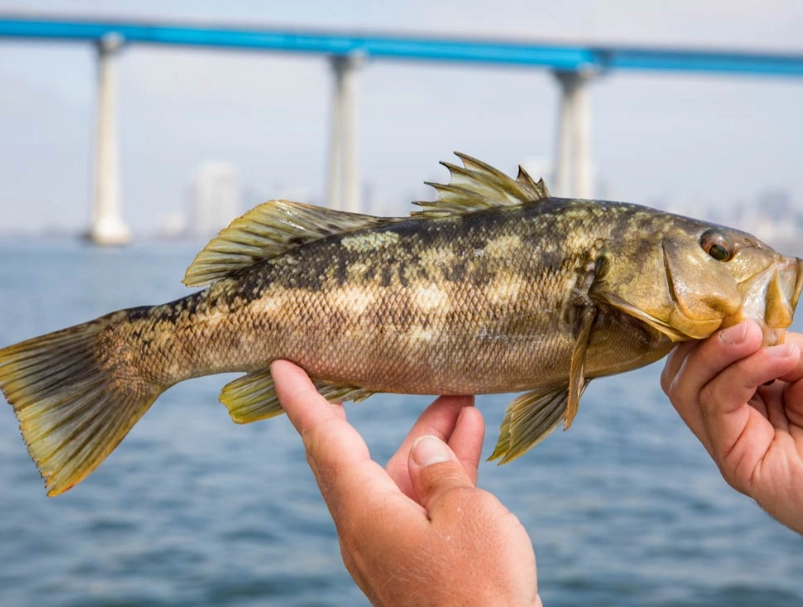
Kelp Bass (Rockfish) (Ocean)
14 inches
5
Part of a 10-fish aggregate limit for all rockfish species.
Bluegill (Statewide)
None
25
Great for beginners!
Gear and Method Restrictions
Your Pre-Trip Checklist & Where to Buy
Answers to Common California Fishing Questions