California Freshwater Fishing Regulations: The Complete Guide
Planning to fish in California's lakes and rivers? Our complete guide breaks down the essential freshwater fishing regulations, license requirements, size and bag limits for trout, bass, and more, so you can fish with confidence and avoid fines.
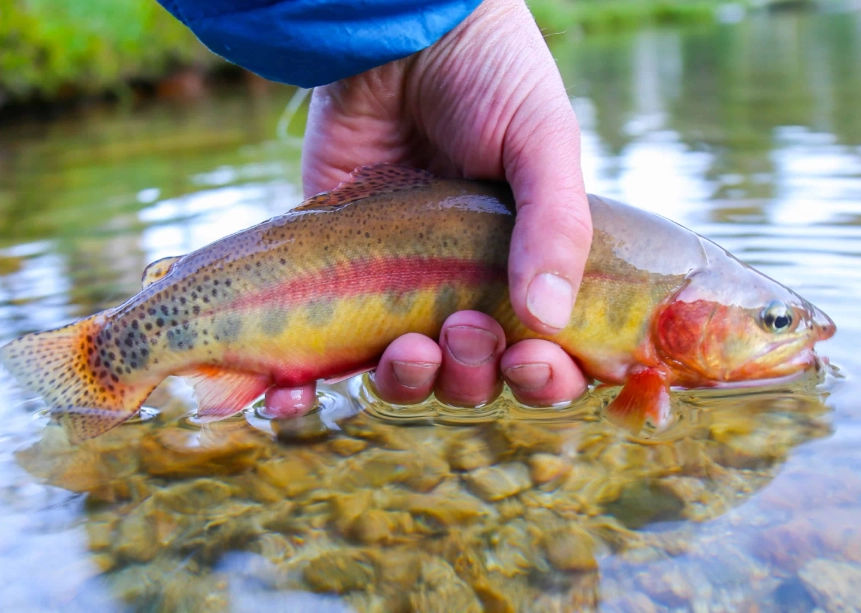
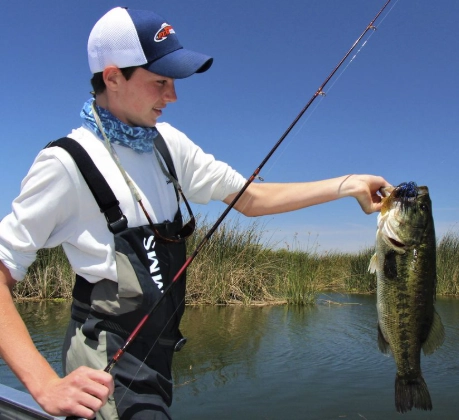
Let's be honest. The California Freshwater Fishing Regulations booklet from the California Department of Fish and Wildlife (CDFW) is… dense. It's a maze of zones, exceptions, and specific water listings that can turn a relaxing fishing trip into a headache. I've watched too many anglers at the lake, frantically flipping pages, unsure if the trout they just caught is legal to keep. It doesn't have to be that way. After years of fishing here, from Shasta to the Sierras, I've learned that understanding the regs is less about memorization and more about knowing the key frameworks. This guide cuts through the noise. We'll cover what you actually need to know: the non-negotiable license, the critical size and bag limits for popular species, and how to apply the rules to real fishing spots. Forget the legal jargon. Let's talk about fishing. Before you even think about casting a line, you need permission. This isn't just bureaucracy; the funds from licenses directly fund conservation, hatcheries, and habitat restoration. Everyone aged 16 or older needs a California fishing license. You can buy it online from the CDFW website, at most sporting goods stores, or even some bait shops. Keep the digital receipt on your phone or have the physical tag. Here’s a quick breakdown of the 2024 license costs. Remember, these are the base fees. This is the heart of the regulations. You can't keep everything you catch. Limits are in place to ensure healthy fish populations. The rules differ not just by species, but often by where you're fishing. The general statewide daily bag limit for trout is 5 fish per day, with a 10 fish possession limit (what you have at camp or in the car). But here's the first major twist: the size limit and a special rule about hatchery fish. In most lakes and reservoirs, you can only keep trout with a clipped adipose fin. That little nub between the dorsal fin and tail? If it's missing, it's a hatchery fish, and it's likely legal. If it's intact, it's considered a wild trout and must be released immediately, unharmed. The minimum size limit is often 10 inches, but again, check your specific location. For rivers and streams, it gets trickier. Many are catch-and-release only, or have even lower bag limits (like 2 fish). Always, always look up the water by name. Bass regulations are often designed to protect larger, breeding fish. The common rule is a 5 fish daily bag limit, with a minimum size limit of 12 inches. However, some famous bass fisheries like the California Delta or Clear Lake have a "slot limit." This means you can only keep fish within a certain size range (e.g., under 12 inches or over 15 inches), protecting the mid-sized, prime breeders. It sounds confusing, but it's a brilliant conservation tool. These are generally less restricted, making them great for family fishing trips. The daily limit for catfish is often 10 fish, with no size limit. For panfish like bluegill or crappie, it's usually a generous 25 fish combined species bag limit. They're perfect for a fish fry. Let's make this real. Here’s how the regulations apply to three iconic California freshwater destinations. See how the general rules get specific? Fishing the California side of Tahoe is a unique experience with unique rules. The general trout limit applies, but there's a major exception for the famous Lake Tahoe Mackinaw (Lake Trout). The daily limit is only 1 fish, and it must be at least 18 inches long. Why? These are slow-growing giants. The CDFW also actively encourages anglers to keep smaller, non-native Mackinaw to help the native Lahontan Cutthroat Trout recover. It's a fascinating case of regulations driving ecosystem management. This is a premier wild trout stream. The rules here are strict to protect the wild rainbow and brown trout population. From the Lake Siskiyou outlet to the Cantara Loop, it's mostly artificial lures or flies with barbless hooks only. The bag limit is 0 – it's strictly catch-and-release. Don't even bring a cooler. The reward is pristine fishing for strong, beautiful wild fish in an incredible setting. The Delta is a bass paradise with those slot limits I mentioned. For both largemouth and smallmouth bass, the rule is: No bass between 12 and 15 inches may be kept. You can keep 5 bass per day, but they must be either under 12" or over 15". This encourages anglers to release the prime breeders. For other species like striped bass or sturgeon, you need to check the separate, specific regulations—they have their own complex rules. This is where experience pays off. Here are the oversights I see most often, the ones that can lead to a warden writing a ticket. Assuming "Live Bait" is Okay: In the vast majority of California freshwater, using live aquatic organisms as bait (minnows, crayfish, etc.) is illegal. It's a huge vector for invasive species. Use nightcrawlers, salmon eggs, or artificial lures. Misreading the Map & Zone Boundaries: That regulation booklet has a map divided into zones. But named waters often have rules that override the zone. Always look up the water body by name first. If it's not listed, then default to the zone rules. Forgetting the Possession Limit: The daily bag limit is what you catch in one day. The possession limit is the total number you can have in your freezer, cooler, or vehicle. If you're on a multi-day trip, you can't have more than two days' worth of limits (possession limit) unless you're at a permanent residence. Don't get caught driving home with 30 trout in the cooler. Not Carrying a Measuring Device: If there's a size limit, you must have a way to measure the fish. A cheap, flexible ruler stuck to your tackle box is fine. Guessing isn't. Run through this before you head out: The goal isn't to scare you. It's the opposite. Knowing the rules sets you free to enjoy your time on the water without that nagging worry. You'll fish more confidently, and you'll be doing your part to keep California's fisheries healthy for the next generation. Now go catch one. How much does a California fishing license cost for a non-resident? What's the deal with the 'hatchery trout' rule and adipose fin clipping? I'm fishing a river that flows through multiple zones on the map. Which regulations apply? Can I use live bait like minnows in all California freshwater?What You'll Find in This Guide
Step 1: Your License & Required Documents
License Type
Resident Cost
Non-Resident Cost
Annual Fishing License
$58.83
$158.25
1-Day Fishing License
$17.02
$20.10
2-Day Fishing License
$26.49
$31.50
Second-Rod Validation
$18.13
$18.13
Understanding Limits: Trout, Bass, Catfish & More
Trout & Salmon (The Most Regulated)
Largemouth & Smallmouth Bass
Channel Catfish & Panfish
Putting It Into Practice: Top Spots & Their Specific Rules
Lake Tahoe (Nevada/California Border)
Upper Sacramento River (Near Dunsmuir)
San Joaquin Delta
Avoid These Costly Mistakes (The Fine Print)
Your Pre-Trip Checklist
Answers to Your Burning Questions