Can I Fish in Wisconsin? A Complete Guide to Seasons, Licenses & Spots
Wondering if you can fish in Wisconsin right now? This complete guide covers the current fishing season dates, how to get your license online, the top spots to cast a line today, and all the DNR regulations you need to know before you go.
That's the million-dollar question, isn't it? You've got a free afternoon, the weather looks decent, and the urge to wet a line hits you. Before you grab your rod and jump in the car, hold on. The answer to "Can I fish in Wisconsin right now?" is a layered one. It depends on the calendar, the specific lake or river you're eyeing, what you have in your wallet, and even what species you're after. Getting it wrong can mean a fine that costs more than a new reel. Let's cut through the confusion. I've been fishing these waters for over a decade, from the Great Lakes shores to the hidden Northwoods flowages. The most common mistake I see? Anglers assuming the rules are the same everywhere. They're not. Wisconsin's DNR manages fishing with a surgeon's precision, and what's legal on Lake Michigan might get you a ticket on Lake Mendota. No license, no fishing. It's that simple. Wisconsin wardens don't accept "I forgot" as an excuse. The good news? It's easier than ever. The absolute fastest method is the Wisconsin DNR's Go Wild system. You can buy it online from your phone in five minutes and have a digital copy on you immediately. You'll need your driver's license info and a credit card. If you're more old-school, licenses are sold at: Remember, your license is just the entry ticket. For trout or salmon, you need additional stamps. More on that later. Wisconsin doesn't have a single "fishing opener" anymore. It has many. This is where most of the "can I fish right now?" confusion comes from. The general gamefish season for most of the state (species like bass, walleye, pike, musky) typically opens the first Saturday in May. But—and this is a huge but—it's not universal. See what I mean? If it's late April and you want to cast for bass, the answer is no on most lakes. But if you want to chase early-season trout in a stream, you might be good to go. Or, you could always fish for panfish. The official source is your bible here: the current year's Wisconsin Fishing Regulations pamphlet. Don't rely on last year's copy. Rules change. Download the PDF from the DNR website or grab a physical copy from a license vendor. Let's get practical. Assuming you have your license and it's within a legal season, where should you go? Here are three scenarios based on common times of year. The water is warming, fish are moving shallow to spawn. This is prime time. Fish go deeper or become more nocturnal to beat the heat. My personal favorite. Fish feed aggressively before winter. This is the stuff they don't always highlight. Getting the season and license right is only half the battle. Slot Limits and Size Restrictions: This is the big one. Many lakes have special regulations. A lake might have a "15-inch minimum" for walleye, while the one next to it has a "protected slot of 15-20 inches, only one over 20." You must know the rule for the specific body of water you're on. The regulations pamphlet lists these by county and lake name. Bait Restrictions: Some trout streams are artificial lures only, especially during the early season. Using live bait there is a violation. Invasive Species Laws: You are legally required to drain all water from your boat, livewell, and bilge before leaving a landing. Remove all aquatic plants and debris. This isn't just good practice; it's the law. Fines are steep. The Stamp Situation: I mentioned it briefly. If you plan to fish in designated trout streams or lakes, you need an Inland Trout Stamp. If you're fishing the Great Lakes or its tributaries (even from shore), you need a Great Lakes Salmon & Trout Stamp. Buy these when you get your license to avoid trouble. Beyond your rod and tackle box, a few items will make your day better and keep you legal. So, can you fish in Wisconsin right now? Probably. But the real work starts before you even tie on a lure. Get the license, confirm the season for your target fish and location, study the local rules, and pack that measuring board. Do that, and you're not just hoping to catch a fish—you're setting yourself up for a great, legal day on Wisconsin's incredible waters. Now go check the Go Wild site, and I'll see you out there.What You Need to Know Before You Go
How to Get Your Wisconsin Fishing License (The Fast Way)
When Can You Fish in Wisconsin? Understanding the Fishing Seasons
Fish Species
General Inland Season Opener
Key Exceptions & Notes
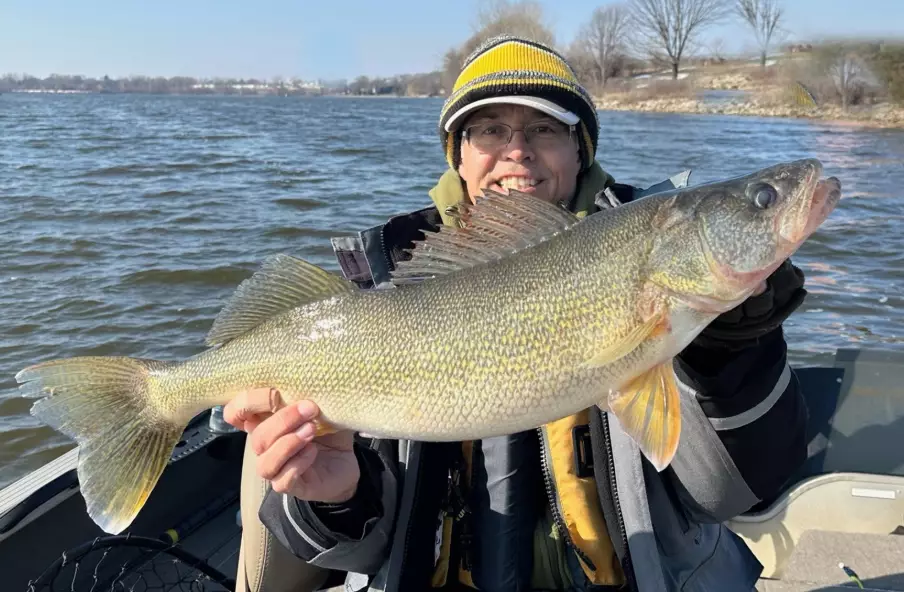
Walleye, Sauger, Bass
First Saturday in May
Some waters are closed or have early/late seasons. The Wisconsin-Mississippi River is open year-round.
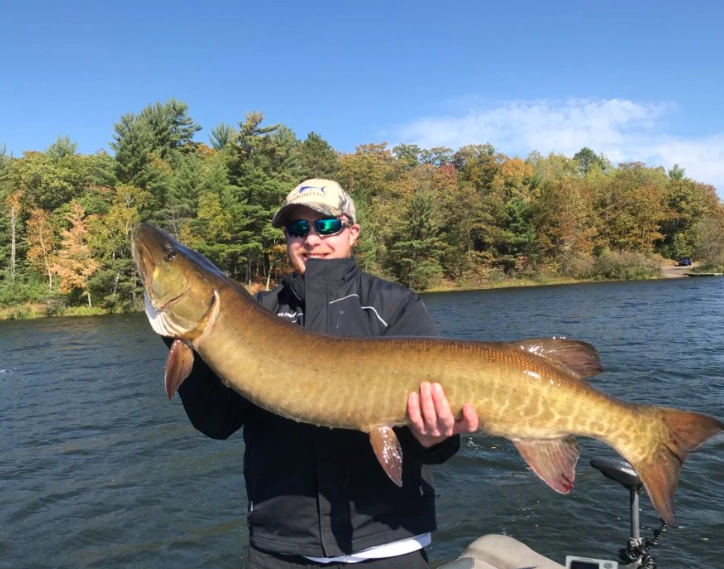
Muskellunge
Last Saturday in May
Northern Zone opens earlier (late May). Check the zone map in the regulations.
Trout (Inland Streams)
Early January (catch-and-release) / First Saturday in May (regular)
Early season is artificial lures only. You MUST have an Inland Trout Stamp.
Panfish (Bluegill, Crappie)
Year-Round
Your best bet for action any time, but still need a license.
Great Lakes & Tributaries
Varies by species & location
Salmon and trout runs in spring/fall. Perch fishing in summer. A Salmon Stamp is required here.
Where to Fish in Wisconsin Right Now (Based on the Season)
If It's Spring (April - June)
If It's Summer (July - August)
If It's Fall (September - November)

Rules That Trip Up Even Experienced Anglers
What to Bring for a Successful Wisconsin Fishing Trip
Your Quick Wisconsin Fishing Questions, Answered