Ocean Fishing Bait Guide: Best Choices, Tips, and Techniques
What bait works best for ocean fishing? Discover the top live and artificial baits, learn how to match bait to fish species, and get expert tips to improve your catch rate in saltwater environments.
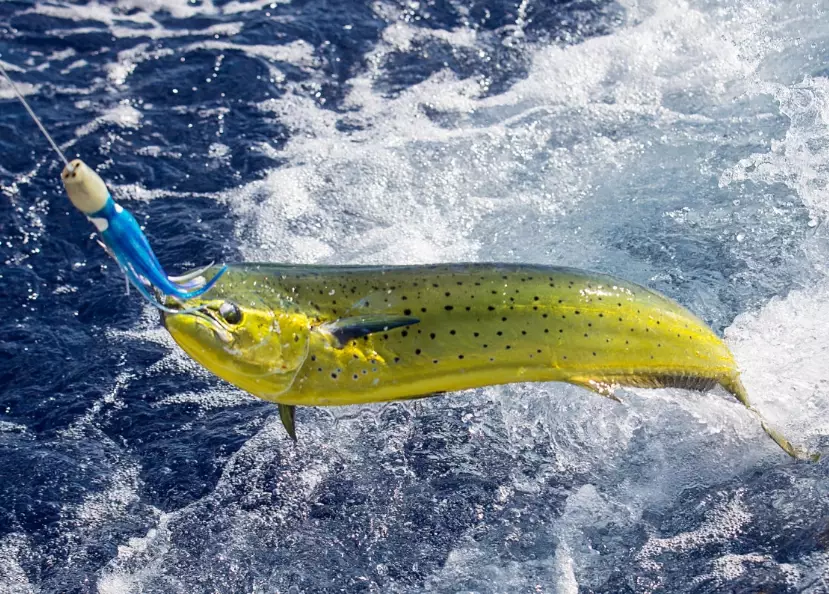
Let's cut to the chase: choosing the right ocean fishing bait can make or break your saltwater trip. I've spent years on boats from the Gulf of Mexico to the Pacific, and I've seen too many anglers waste time with poor bait choices. This guide dives deep into everything from live bait to lures, with practical tips you won't find in generic articles. We'll cover types, matching bait to fish, and common pitfalls—so you can hook more fish, faster. Ocean fishing bait isn't just about throwing something on a hook. It's about understanding what fish eat in their natural habitat. Saltwater environments are dynamic—currents, temperature, and prey availability all shift. A bait that works in Florida might fail in California. I learned this the hard way on a trip to Key West, where I used artificial lures perfect for bass but caught nothing until I switched to live shrimp. Many beginners think any bait will do. That's a mistake. Fish like snapper or tuna are picky; they respond to scent, movement, and presentation. According to the International Game Fish Association (IGFA), using species-specific bait increases catch rates by up to 40% in controlled studies. But don't just take their word for it—test it yourself. Bait choice also affects sustainability. Overharvesting baitfish can disrupt local ecosystems. That's why I lean towards cut bait or artificial options when possible. It's a small change that makes a difference. Here's a breakdown of the most effective baits, based on my experience and chats with charter captains. We'll split them into live bait, cut bait, and artificial lures. Live bait mimics natural prey, triggering aggressive strikes. But it's not just about buying bait—it's about keeping it alive. On a charter off North Carolina, I saw a guy lose half his live menhaden because he didn't aerate the bucket. Common live baits include: Live bait costs more, but it often outperforms alternatives. I recommend starting with shrimp if you're new—they're easy to find at bait shops along coasts. Cut bait involves using pieces of fish. It's cheap and emits strong scents. I use it when targeting bottom feeders like grouper. Popular choices include mackerel, bonito, or even leftover catch. Cut it into strips or chunks; match the size to your hook. One pro tip: freeze some beforehand. On long trips, thaw it as needed—it saves money. Artificial lures like jigs or soft plastics are reusable and great for active fishing. They work well for species like mahi-mahi or kingfish. But here's a non-consensus view: many lures are overhyped. I've tried expensive poppers that caught nothing, while a simple bucktail jig nailed fish. Focus on lures that mimic local baitfish shapes and colors. To help you compare, here's a table summarizing key bait types: This table is a starting point. Your local conditions might shift things—always ask at bait shops for recent trends. Matching bait to fish is where many anglers fail. Let's break it down by common targets. Pelagic fish roam open water. They chase fast-moving prey. Live sardines or small mackerel are top choices. I've had success trolling with rigged ballyhoo—it looks like a fleeing fish. For tuna, chunking with cut bait creates a scent trail. On a trip in the Gulf, we used a mix of live bait and chum (ground fish pieces) to attract yellowfin tuna. It worked because we mimicked a baitball. Artificial lures like cedar plugs or skirted trolling lures can also work, but they require speed and precision. If you're new, stick with live bait until you get the hang of it. Bottom fish are often scavengers. They respond to scent and stationary bait. Cut squid or fish chunks are ideal. Hook them securely so they don't get stolen by smaller fish—a problem I've faced with greedy pinfish. For snapper, live shrimp is killer. Drop it near structure like reefs or wrecks. Here's a case study: Last summer, I fished for red snapper off Alabama. We used live pinfish (caught on site) and cut mullet. The live bait out fished cut bait 3 to 1, but cut bait caught larger fish. It shows that variety matters. Now for the nitty-gritty. These tips come from years of trial and error. Bait falling off the hook is a huge frustration. I see it all the time. For live bait, hook through the lips or back—avoid vital organs to keep it alive longer. For cut bait, use a bait threader or simply wrap it around the hook with elastic thread. A trick I learned from a commercial fisherman: dip the bait in saltwater briefly before hooking; it firms up the flesh. Another mistake: using hooks that are too small or too large. Match hook size to bait size. For shrimp, a 2/0 circle hook works well; for larger cut bait, go 5/0 or bigger. Fresh bait catches more fish. On boats, use a live well or aerated bucket. Change water regularly to remove waste. For cut bait, keep it on ice but not frozen solid—thawed bait loses scent. I prep bait the night before: portion it, add a bit of salt (preserves it), and store in zip bags. Temperature matters. In hot weather, bait spoils fast. Add frozen water bottles to the bait cooler. I've saved trips by doing this when the ice ran out. I once used day-old squid that turned slimy; it repelled fish instead of attracting them. Lesson learned: freshness is non-negotiable. Wrapping up, ocean fishing bait is a blend of science and art. Test different options, observe what works locally, and don't be afraid to adapt. Whether you're after trophy tuna or a mess of snapper, the right bait turns effort into success. Tight lines!What You'll Learn in This Guide
Understanding Ocean Fishing Bait: Why It Matters
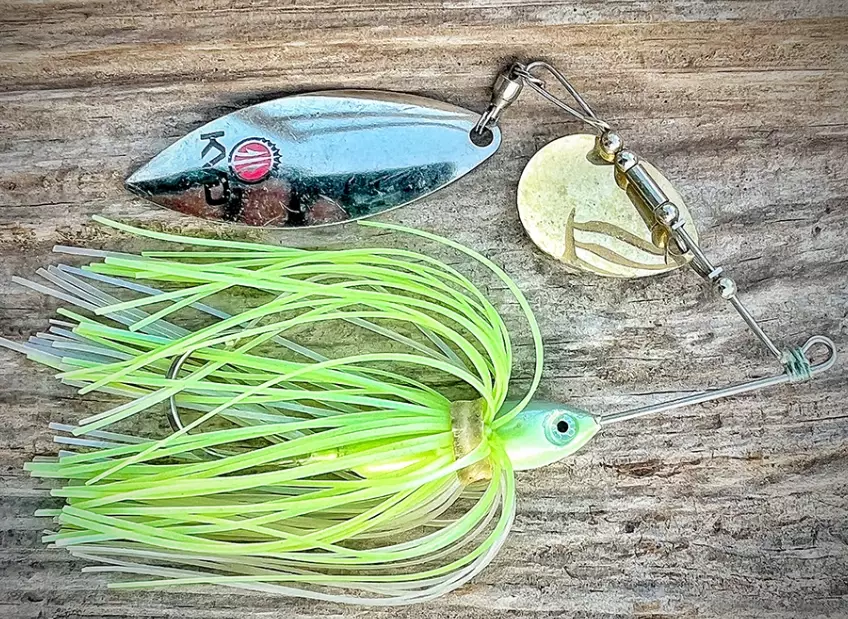
The Top Ocean Fishing Baits: A Detailed Breakdown
Live Bait: The Gold Standard
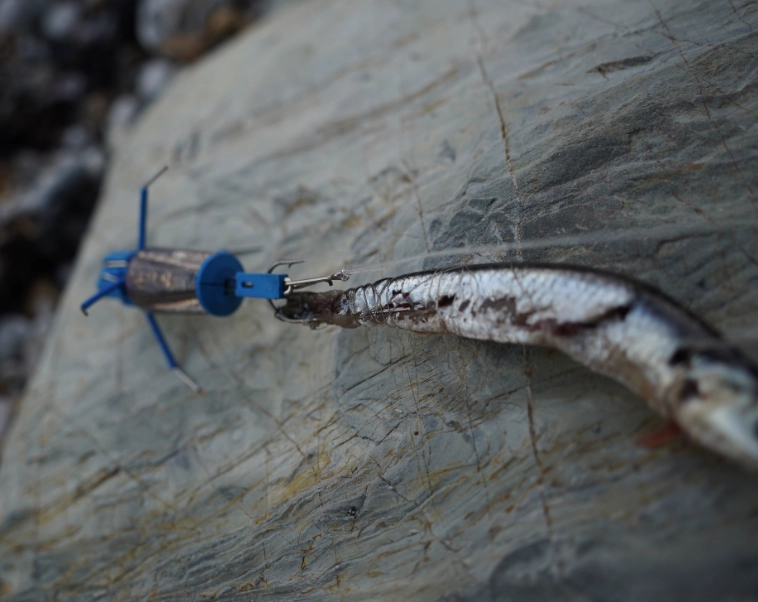
Cut Bait: Effective and Economical
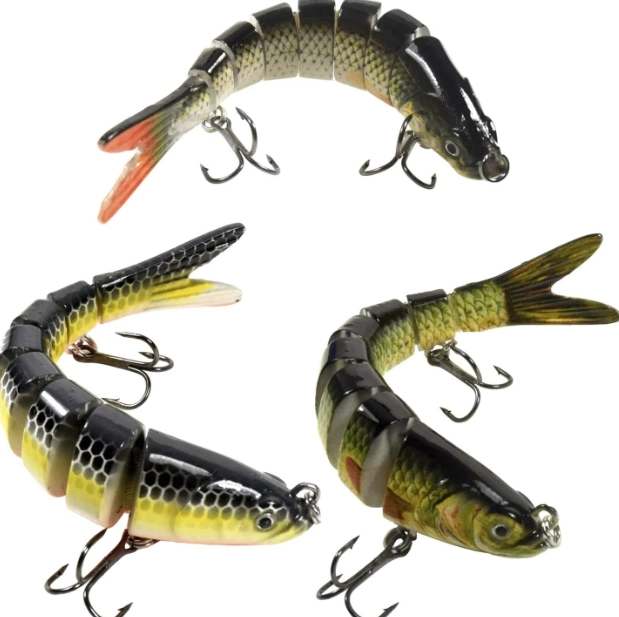
Artificial Lures: When to Use Them
Bait Type
Best For
Cost
Ease of Use
My Rating
Live Shrimp
Snapper, Redfish
$$
Easy
9/10
Cut Mackerel
Grouper, Shark
$
Very Easy
8/10
Artificial Jigs
Mahi-Mahi, Tuna
$$$
Moderate
7/10
Live Squid
Bottom Fish
$$
Easy
8.5/10
Matching Bait to Target Species: A Practical Guide
Bait for Pelagic Fish: Tuna, Mahi-Mahi, and More
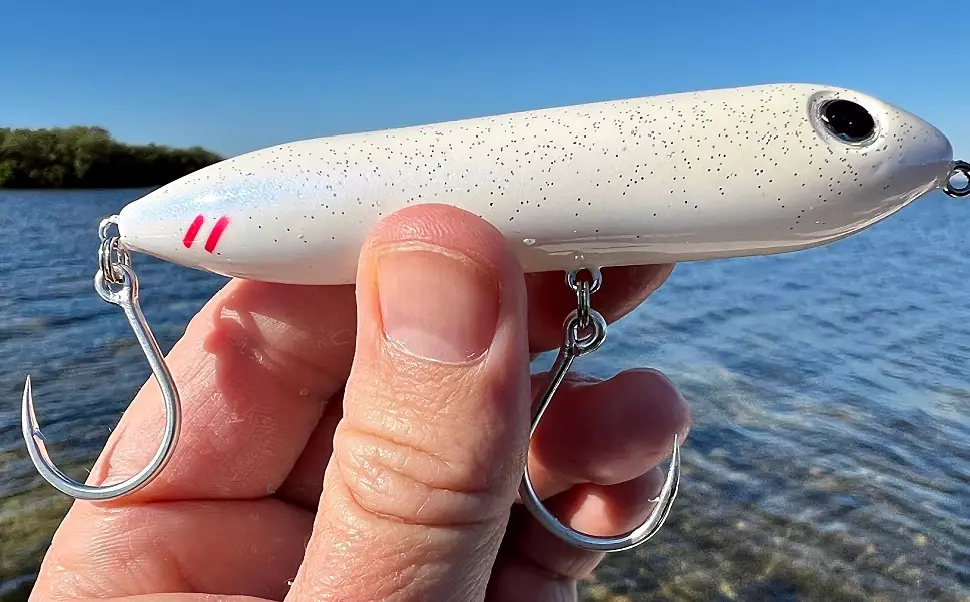
Bait for Bottom Fish: Snapper, Grouper, and Halibut
Expert Tips and Common Mistakes to Avoid
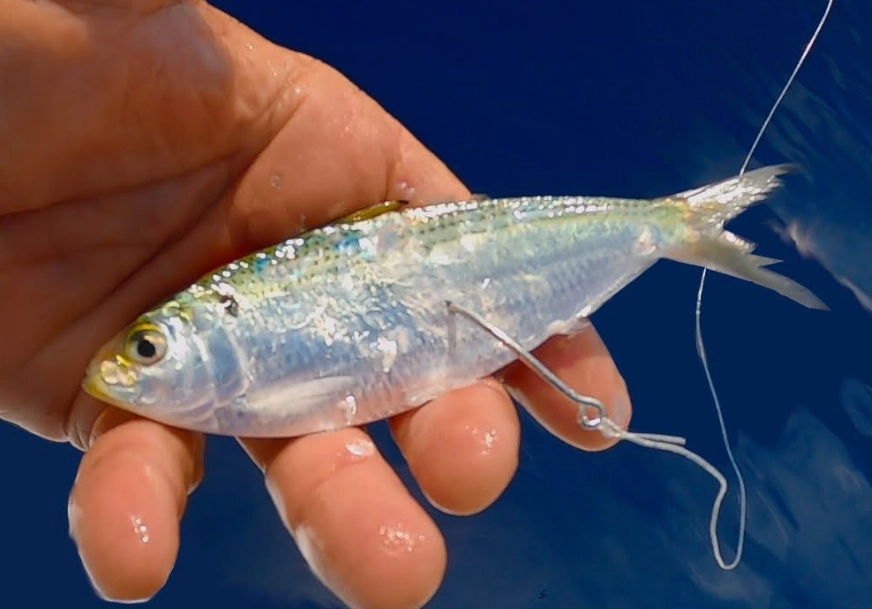
How to Hook Bait Securely (Solving the Pain Point)
Keeping Bait Fresh: Insider Secrets
Common Mistakes to Steer Clear Of
Frequently Asked Questions