The Ultimate Guide to River Fishing: How to Catch More Fish
Ever wondered what the best way to fish in a river is? This expert guide breaks down river structure, essential gear, proven techniques, and seasonal strategies to help you catch more fish on your next trip.
Let's cut to the chase. The best way to fish in a river isn't about one magic lure or a secret spot. It's a system. It's understanding that a river is a living, moving highway of food and oxygen, and your job is to intercept the fish that are using it. I've spent more hours than I can count wading knee-deep in currents, from small mountain streams to big muddy flows, and the guys who consistently catch fish aren't just lucky—they're reading the water and making smart decisions. This guide will walk you through that system. Before you make a single cast, stop and look. This is where most beginners fail. They see water. You need to see structure and current seams. Think of the current as a conveyor belt carrying food. Fish don't want to fight that belt all day. They position themselves in slack water right next to the fast water, where they can dart out, grab a meal, and slide back into the easy lane with minimal effort. Your targets are these current breaks. Here’s what to look for, in order of priority: You don't need a fancy boat or $500 rod. You need the right tool for the job, and river fishing demands versatility and toughness. Let's talk about rods first. A 7-foot medium-action spinning rod is the Swiss Army knife for most river situations. It can handle a variety of lures and baits. If you're targeting smaller streams or trout specifically, a 6 to 6.6-foot light-action rod is more fun. For tossing heavier jigs or swimbaits for bass in bigger rivers, a 7'3" medium-heavy baitcasting combo gives you more power. Reels need to be sealed or at least highly corrosion-resistant. River fishing means water, sand, and grit. A 2500-3000 size spinning reel spooled with 8-12 lb braid (with a 6-10 lb fluorocarbon leader) is my go-to. The braid has no stretch, so you feel every tap and can set the hook instantly in current. Forget packing everything. Here’s a lean, mean river kit: And clothing? Quick-dry pants and a long-sleeve shirt are better than shorts. Wading boots with felt or rubber studded soles are a safety must for slippery rocks. Don't cheap out here—a fall in a river is no joke. Technique is where reading the water and having the right gear come together. Two methods dominate river fishing. This is the most natural presentation. The goal is to have your bait or lure drift downstream at the exact same speed as the current, with no drag. It looks like a piece of natural food. How to do it: Cast upstream or across and slightly upstream. Keep your rod tip high to manage line slack. Watch your line intently. Any hesitation, twitch, or stop that isn't caused by the bottom likely means a fish. Set the hook upstream. This works for live bait, nymphs, and small jigs. The mistake I see? People trying to control the drift too much. Sometimes you need to feed line into the current to get a perfect drift. It feels counterintuitive, but it works. For active predators like smallmouth bass, walleye, or pike. Cast your spinner, crankbait, or swimbait across the current and let it sweep downstream in an arc. The current gives the lure action. Vary your retrieve speed to keep the lure just off the bottom. The key is to position yourself so you can work the seam line we talked about earlier. Make repeated casts to the same seam, moving a step downstream each time. You're systematically combing the prime zone. Retrieve speed is critical. Too fast and the lure spins out of control. Too slow and it sinks and snags. Let the current do most of the work, adding just enough reel turns to maintain feel. Rivers change with the seasons, and so should your approach. This isn't just generic advice—it's about water temperature and fish metabolism. Spring: Water is rising and often murky. Fish move into shallow, warming flats and backwaters to spawn and feed. This is the time for aggressive search baits like spinnerbaits and bright crankbaits. Focus on protected areas out of the heaviest current. The pre-spawn and spawn periods offer some of the best action of the year. Summer: Low, clear, warm water. Fish become lethargic and seek oxygen and cooler temps. Target early morning and late evening. Look for deep pools, shaded undercuts, and heavy riffles where water is aerated. Finesse techniques with natural colors (green pumpkin soft plastics, small nymphs) rule the day. A stealthy approach is non-negotiable. Fall: Cooling water triggers a massive feeding binge as fish bulk up for winter. They're aggressive and can be found in predictable feeding lanes. This is prime time for both reaction baits and dead-drift presentations. Confluences and deep runs near shallow feeding areas are hotspots. Winter: It's tough. Fish are in their deepest, slowest winter havens—the big, deep pools. Presentation must be slow and near the bottom. Small jigs, live minnows, or nymphs presented with a dead drift are the only real options. Dress warmly and expect fewer but sometimes larger fish. I've made these so you don't have to. Mistake 1: Fishing Too Fast. In a river, the current is already giving your lure action. Slow down. Let the water work for you. A slow, natural drift is almost always better than a frantic retrieve. Mistake 2: Ignoring Stealth. Clear, shallow river water means fish can see and hear you. Wear drab colors, move slowly, avoid slamming car doors or stomping on the bank. Approach from downstream if you can. Your shadow spooking a pool is a real thing. Mistake 3: Using Gear That's Too Heavy. That 20 lb monofilament on your old reel? It's like fishing with a rope in clear water. Downsize your line and leader to match the conditions. Lighter gear gets more bites and is more fun to fight fish on. Mistake 4: Giving Up on a Spot Too Quickly. If you know it's a good piece of structure (a great rock, a perfect seam), fish it thoroughly. Make 10 casts from different angles before moving on. Sometimes the fish just need to see the presentation a certain way. The best way to fish in a river comes down to a simple formula: Read the water + Use appropriate gear + Apply a thoughtful technique + Be stealthy. There's no single secret. It's about connecting these dots every time you're on the water. Start by spending your first ten minutes just observing. Identify two or three of the prime spots we discussed. Then fish them slowly and thoroughly. You'll be surprised how quickly you start getting more bites and landing more fish. Now get out there—the river's waiting.What You'll Learn in This Guide
How to Read a River Like a Pro
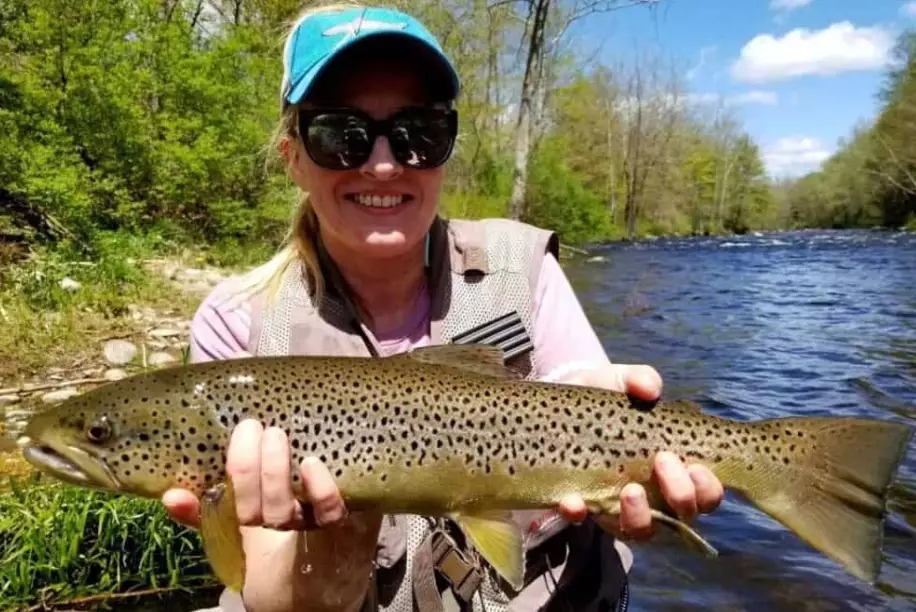
Prime Real Estate for River Fish
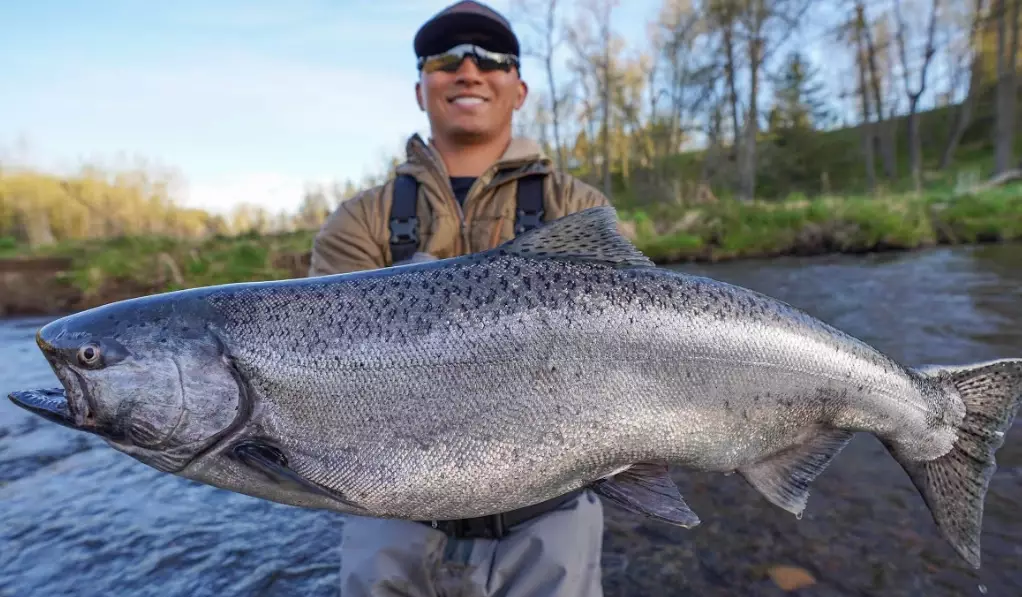
Essential Gear for River Success
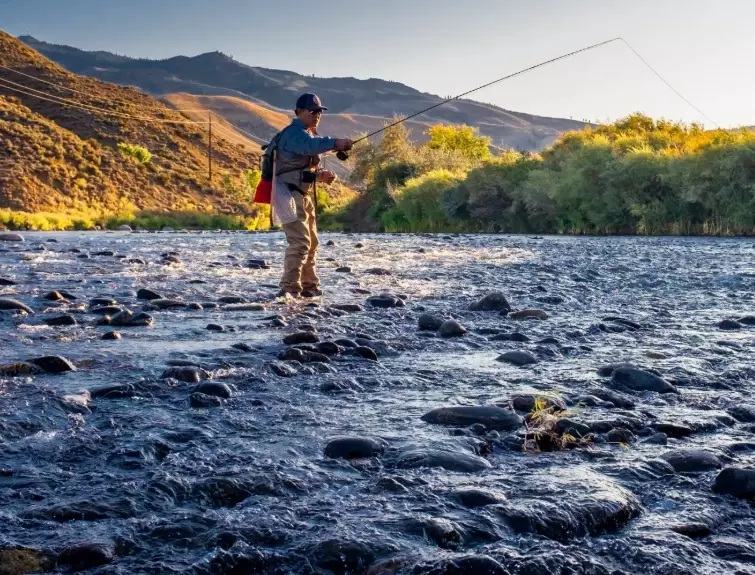
The Non-Negotiable Tackle Box Items
Category
Specific Lures/Baits
Why It Works
Search Baits
Inline spinners (Mepps, Rooster Tail), Small crankbaits
Covers water fast, triggers reaction strikes, mimics minnows. The vibration cuts through current.
Finesse Presentations
1/8 oz jigheads with soft plastic grubs or worms, Nymph flies (if fly fishing)
Gets deep in current, natural presentation for wary fish. Deadly when drifted through seams.
Live Bait Rigs
Size 6-8 bait hooks, Split shot, Circle hooks for catfish
For when artificials fail. Simple split-shot rig with a nightcrawler or minnow is universally effective.
Must-Have Terminal
Barrel swivels (to reduce line twist), Extra fluorocarbon leader (4-12 lb), Tungsten weights (not lead)
Prevents tangles, provides stealth, gets your bait down. Tungsten is smaller and more sensitive than lead.
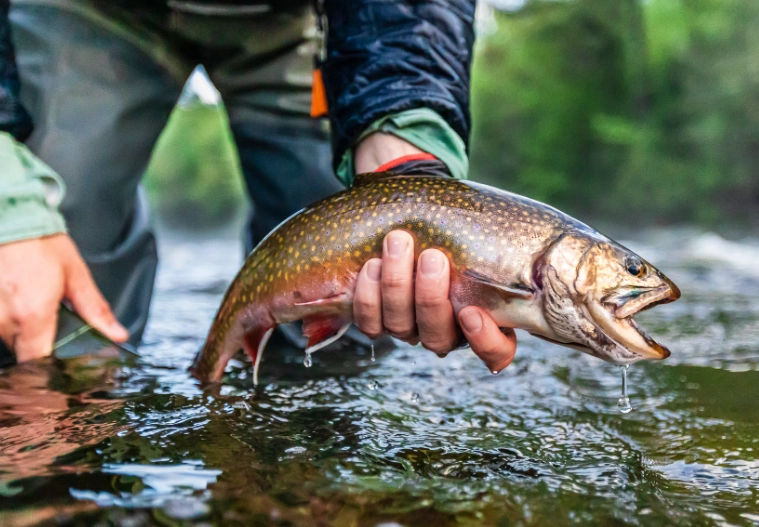
Mastering Core River Fishing Techniques
1. The Dead Drift (The Bread and Butter)
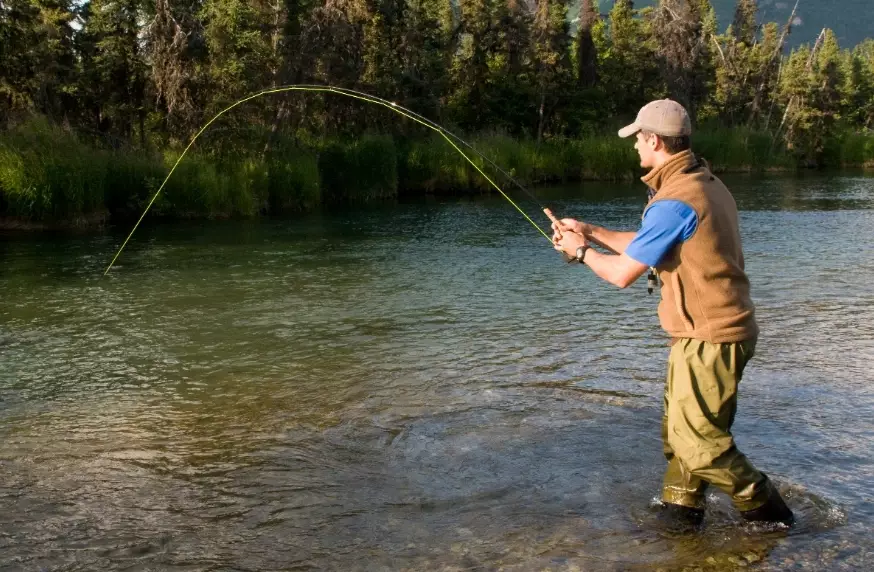
2. Current Seam Sweeping
Seasonal Strategies That Actually Work
Common Mistakes to Avoid (From My Own Blunders)
Your River Fishing Questions Answered