The Best Lures for River Fishing: An Angler's Guide
What are the best lures for river fishing? This guide breaks down the top-performing lures for bass, trout, and more, with expert tips on how to use them effectively in current, structure, and different seasons.
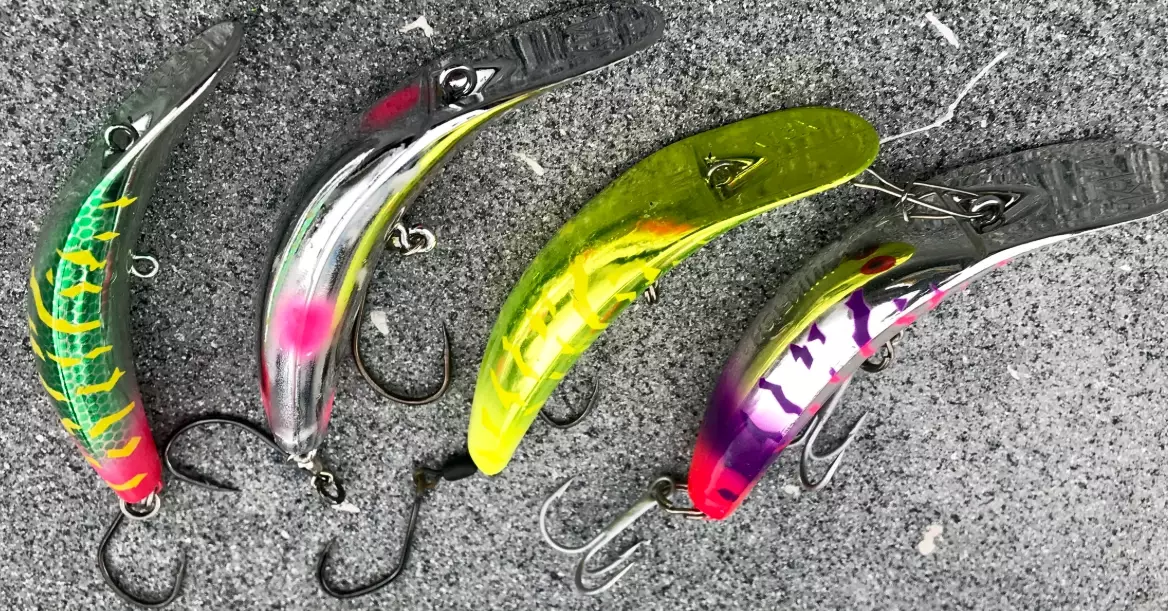
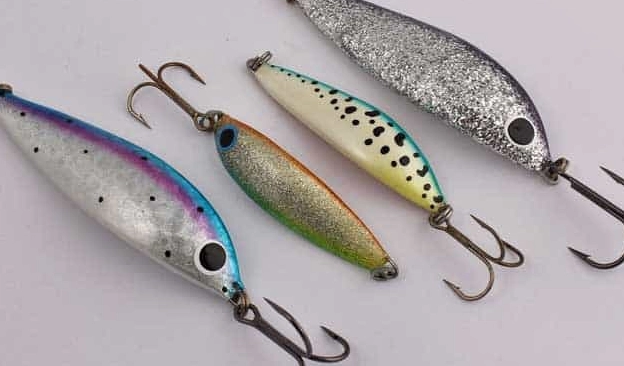
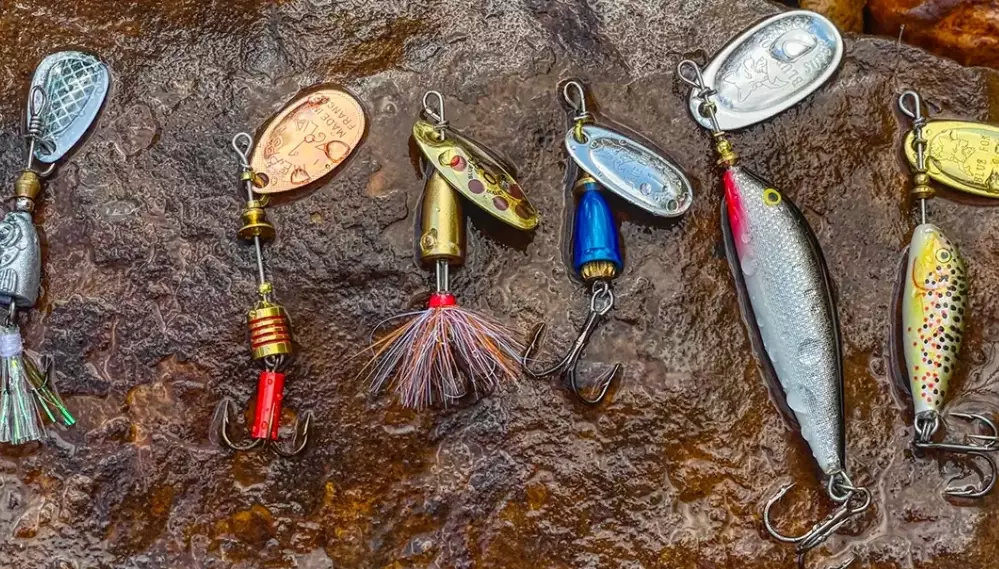
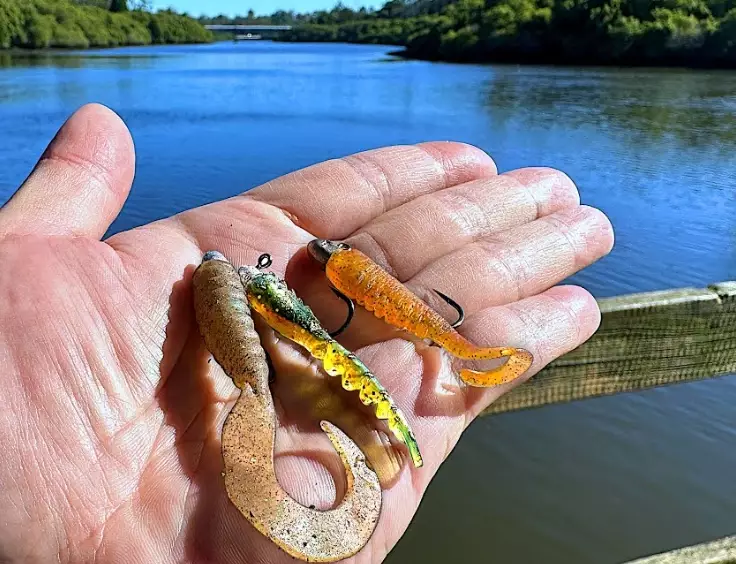
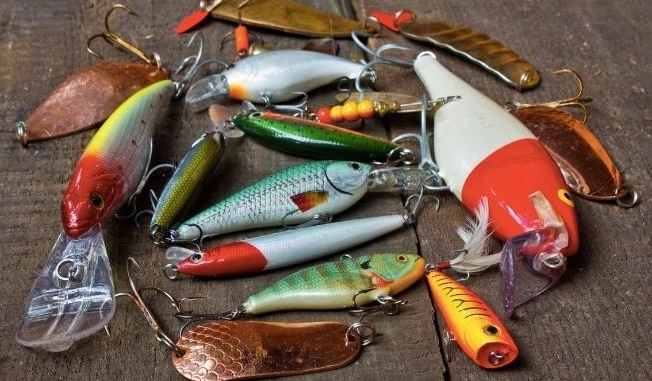
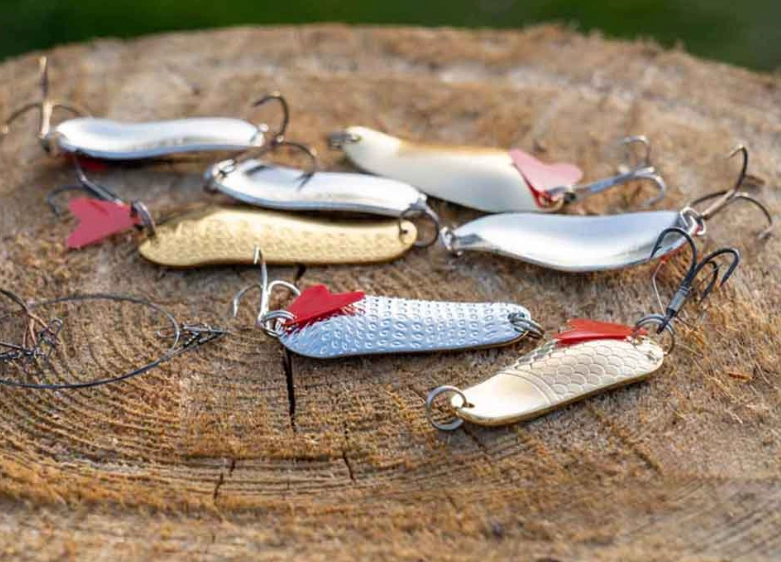
Figuring out the best lure for river fishing feels like a puzzle sometimes. You're not just matching a hatch like in a lake; you're battling current, reading structure, and outsmarting fish that have to make split-second decisions. The truth is, there's no single magic lure. The "best" one is the one that matches the specific fish, the specific piece of water, and your ability to present it naturally. But after years of snagging, losing lures, and finally connecting with river smallmouth, trout, and walleye, I've narrowed down a core selection that consistently produces. Before you even tie on a lure, you need to think like the river. Current is the boss. It dictates where fish hold to conserve energy and where food gets delivered. Your lure needs to work with the current, not just fight against it. Look for current seams (where fast and slow water meet), eddies behind boulders or logs, and the heads and tails of pools. These are fish restaurants. Your lure must get into these zones and look alive. A common mistake is using a lure that's too light, getting swept downstream before it reaches the strike zone, or one that's too heavy, instantly digging into the bottom and snagging. Structure is your friend. Fallen trees (snags), rock piles, undercut banks—these are fish apartments. The best lures for river fishing are often those you can cast accurately into tight spots and work through cover without hanging up every other cast. Based on versatility, fish-catching ability, and river-worthiness, here are the five categories I always have rigged and ready. These are my absolute top pick for river smallmouth bass and pike. Why? They're nearly weedless, they create a ton of vibration and flash that cuts through murky water, and you can fish them at any depth. A 3/8 oz white or chartreuse spinnerbait with a Colorado blade is a river killer. Cast it upstream of a boulder, let it sink, and reel it back so it bumps the rock and deflects. That deflection trigger strikes like nothing else. Buzzbaits fished over shallow flats or along grassy banks at dawn are pure excitement. The universal river lure. It catches trout, bass, panfish, you name it. Its simplicity is its strength. The blade spins on retrieve, creating flash and vibration. It's perfect for prospecting—covering water to find active fish. For trout in moving water, cast across and slightly upstream, let it swing down on a tight line. For smallmouth, a steady retrieve along a current seam works wonders. Sizes 1-3 are most versatile. This is where finesse meets power. The options are endless: curly tail grubs, paddle-tail swimbaits, crawfish imitations, stick worms. A 3" green pumpkin grub on a 1/8 oz jig head is a deadly smallmouth search bait. A 4" ribbon-tail worm rigged weedless (Texas-rig) can be skipped under overhanging banks where big fish hide. The key here is presentation. You can drag it, hop it, swim it, or let it drift naturally in the current. It's the most mimetic approach. I remember a tough day on the Potomac River. The fish were lock-jawed on everything flashy. I switched to a simple black Ned rig (a small soft plastic on a light jig) and finessed it through a slow eddy. Three smallmouth in three casts. Sometimes subtlety wins. These hard baits are fantastic for triggering reaction strikes and dialing into a specific depth. Square-bill crankbaits (which deflect off wood and rock) are perfect for rivers. They can be cranked through wood without constant snagging. Lipless crankbaits (rat-l-traps) are great for fishing over grass flats or channel edges. The secret with cranks in current is to cast upstream and use the water's flow to help achieve the lure's maximum running depth with less effort on your reel. Don't overlook the classic spoon. A casting spoon like a Krocodile or a Hopkins is incredible for targeting deeper holes, pools, and for species like trout, walleye, and striped bass. It flutters on the fall, imitating a dying baitfish. Cast it out, let it sink to the bottom, then rip it up with sharp jerks of the rod tip, letting it flutter back down. In heavy current, a heavier spoon will hold in the strike zone better than many other lures. So you've got these five categories in your box. How do you pick one? Follow this decision chain based on conditions. Water Clarity: Clear water? Go natural colors (greens, browns, silvers) and more subtle actions like soft plastics or smaller inline spinners. Murky or stained water? Think vibration and silhouette. Dark colors (black/blue) or bright ones (chartreuse) with Colorado blade spinnerbaits or rattling crankbaits. Current Speed: Fast, choppy water demands lures that can hold their depth and put out a strong signal. Spinnerbaits, heavy spoons, and deep-diving crankbaits excel. Slow, lazy pools are where finesse shines—soft plastics, small jigs, and slow-rolled inline spinners. Target Species & Depth: This seems obvious, but it's everything. Chasing walleye in a deep river bend? A jig and minnow or a deep-diving crankbait is your play. Sight-fishing for smallmouth on a rocky flat? A topwater popper or a wacky-rigged senko. Match the lure's size and action to what the fish are eating. Start your day with a search bait—a spinnerbait or inline spinner—to cover water and locate fish. Once you find them, you can slow down and pick the area apart with a more precise soft plastic or jig. I've made all of these. You probably will too, but knowing them cuts the learning curve. Using lures that are too light. In moderate to heavy current, a light lure won't get down or maintain its position. You'll end up fishing the surface in a 10-foot deep hole. Bump up your weight. If you're constantly feeling the bottom or getting snagged, you're probably too heavy, but that's an easier fix than being too light and getting zero bites. Retrieving against the current the wrong way. A straight retrieve against strong flow makes your lure look like it's struggling unnaturally. Instead, cast upstream or at a 45-degree angle upstream and retrieve with the flow. This gives the lure a more natural, effortless appearance and often allows for a slower, more enticing retrieve. Ignoring the "deflection" trigger. River fish are conditioned to eat things that get knocked loose by the current. Your lure bouncing off a rock, ticking a log, or suddenly changing direction is a major eat signal. Don't avoid structure—aim for it. Use lures designed to handle contact, like square-bills or weedless jigs. Sticking with one color all day. Light changes, the fish's mood changes. If a trusted color isn't working, make a drastic switch. Go from natural to bright, or from dark to translucent. It's a simple change that can turn a skunk into a success. The best lure for your next river trip is the one that gives you confidence and matches the conditions in front of you. Keep it simple at first. Master a spinnerbait, an inline spinner, and a soft plastic jig. Learn how they feel in different currents, how they deflect off rocks, and what retrieves trigger strikes. That hands-on knowledge, more than any list, will make you a successful river angler. Now go get your line wet.What's Inside This Guide
Understanding the River Environment
Top 5 Lure Categories for Rivers (and How to Use Them)
1. Spinnerbaits & Buzzbaits
2. Inline Spinners (e.g., Mepps, Rooster Tail)
3. Soft Plastic Baits on Jig Heads
4. Crankbaits and Minnow Plugs
5. Spoons
How to Choose the Right River Fishing Lure
What Are Common River Fishing Lure Mistakes?
River Fishing Lure FAQs