How to Fish in Fast Water: A Pro's Guide to River Currents
Struggling to catch fish in fast-moving rivers? This detailed guide reveals the exact gear, rigs, and strategies used by experienced anglers to turn powerful currents into a fishing advantage. Learn how to read the water, select the right tackle, and land more fish.
You’ve found the perfect river, but the water is moving like it’s late for an appointment. Your line bows downstream, your lure skims the surface uselessly, and your hopes sink faster than your rig. I’ve been there. For years, I treated strong currents as an enemy to be conquered. That was my mistake. A fast river isn’t a barrier; it’s a conveyor belt that brings food to waiting fish and stacks them in predictable spots. The trick isn’t to overpower the current, but to understand it. Most articles tell you to "use heavier weight." That’s like saying "drive faster" to someone lost. It’s not wrong, but it’s dangerously incomplete. After guiding on rivers from the rock-filled streams of Montana to the mighty flows of the Missouri, I’ve learned that success in fast water is about a system: reading the river’s language, choosing gear that talks back, and employing techniques that make the current work for you. Fish in current are lazy economists. They seek the maximum food for the minimum energy spent. They won’t sit in the main, crushing flow. Instead, they position themselves in seams where fast and slow water meet. Look for these highways: Current Seams: The line between the fast main channel and slower water along the bank or behind a rock. Fish line up here like commuters at a bus stop, darting into the fast lane to grab a meal. Pockets and Eddies: Directly behind any obstruction—a boulder, a log, a bridge piling. The water swirls backwards here, creating a calm restaurant where fish can rest and watch for food washing down. Depth Changes: The head (top) and tail (bottom) of a deep pool. The current accelerates over the shallow head, digs out the pool, then slows at the tail. Fish often hold at the break where the fast water meets the slow pool, especially at the head. Undercut Banks: Where the current has eroded the bank beneath the waterline. This is prime predator real estate—cover from above, ambush point for prey, and slower water. Here’s a subtle point most miss: focus on the bottom third of the water column. In heavy flow, most aquatic insects, crayfish, and baitfish are pinned near the riverbed. Your presentation must get down there and stay there. Your average pond fishing setup will fail. You need gear built for communication and control in a noisy, powerful environment. A note on lures: In very heavy current, compact, heavy lures win. A 3/4 oz inline spinner or a heavy jig with a bulky trailer has the mass to penetrate the flow. Topwater? Save it for the slack water eddies at dawn and dusk. You can know the spots and have the gear, but without the right rig, you're just dragging bottom. These two setups are my go-to for 90% of fast-water situations. This is the ultimate search rig for covering water. An egg or bullet sinker slides freely on your mainline above a swivel. A 18-36 inch leader connects to your hook. The sinker bounces along the bottom, while the bait trails naturally behind it. Best for: Live bait (nightcrawlers, minnows), soft plastic worms, crawfish imitations. When you need absolute bottom contact in a specific seam or eddy, this is your rig. A 3-way swivel has three connection points. Your mainline ties to one. A short (6-12 inch) dropper line with your sinker ties to another. A longer (18-30 inch) leader to your lure/bait ties to the third. Best for: Drifting bait through deep holes, holding a presentation in a fierce current seam. I learned this rig’s value on the Yellowstone River, trying to get a streamer down to lurking brown trout. A standard weighted fly line was useless. A 3-way with a 1/2 oz sinker and a 4-foot leader to the fly? That got down and got smashed. We get obsessed with catching fish and forget the water itself is a hazard. A strong current can knock you off your feet in inches of water. Hypothermia is a real risk even in summer. Wading: Never wade alone in heavy current. Use a wading staff—it’s a third leg. Wear a wading belt snugly to prevent your waders from filling with water if you fall (which turns them into anchors). Shuffle your feet; don’t step. You can’t see the bottom. Footwear: Felt soles or rubber soles with metal studs are mandatory on slippery, algae-covered rocks. Regular sneakers are an invitation to a swim. Respect the Power: If you fall, don’t try to stand up immediately. Point your feet downstream and float on your back, fending off rocks with your feet, until you can safely paddle to slower water. It’s counterintuitive, but fighting it will exhaust you. The principles apply broadly, but you tweak the details for your target. For Trout (Rainbow, Brown, Brook): They are current specialists. Focus on oxygenated riffles, the heads of pools, and seams. Nymphs (subsurface insects) are the primary diet. Use the 3-way swivel rig with a small split shot, a 5-7 ft fluorocarbon leader (4-6 lb test), and a small hook tipped with a live worm or a synthetic bead-head nymph. Drift it through the lane. Strike at any hesitation in the line. For Smallmouth Bass: They are ambush predators in current. Target eddies behind large rocks, undercut banks, and the downstream side of wing dams. A 3/8 oz tube jig or a hair jig with a craw trailer, worked with hops along the bottom, is devastating. In summer, topwater lures in the slack water of large eddies at first light can produce explosive strikes. For Catfish (Channel, Flathead): They hug the bottom in deep, slow-moving holes adjacent to heavy current. The slip sinker rig with a chunk of cut bait (shad, sucker) or a live bluegill is the classic approach. Let it sit on the bottom at the tail of a deep pool where the current dumps food. Use a circle hook—it sets itself as the fish moves off. The common thread? Get your offering deep, present it naturally within the current's flow, and be prepared for a hard strike. Fish in fast water don't nibble; they hit decisively because they have little time to inspect a meal rushing by. How do I stop my bait from constantly snagging on the bottom in fast water? The key is weight management. Instead of one heavy sinker, use a spread of lighter split shots (like the 3-way rig mentioned). This creates a more natural, tumbling presentation that rides just above the bottom. Also, consider using a single hook instead of treble hooks, and opt for weedless soft plastic baits when possible. Constantly lifting your rod tip slightly can also help 'hop' the rig over obstacles. What is the single most effective bait for fast river fishing? There's no universal 'best,' but live bait often outperforms artificials in heavy current because it moves and smells naturally without angler input. A lively nightcrawler or minnow pinned on a hook with a split shot 12-18 inches above it is brutally effective. For artificials, a heavy inline spinner or a compact, heavy jig with a paddle-tail grub gets down fast and creates vibration fish can't ignore. Do I need to wade into the river to fish strong currents effectively? Not necessarily, and safety should always come first. Often, the best fishing is from the bank at the head or tail of a run, or from a stable rock outcropping. Wading can give you better casting angles, but you must use a wading staff, wear a belt to minimize water intake, and never wade above your comfort level. Many trophy fish are caught by anglers who master long, accurate casts from secure positions. What pound test line should I use for heavy current fishing? Bump up your line strength more than you think. The current creates immense pressure on your line, and you need the power to set the hook against the water's force and steer fish out of the main flow. For general river fishing in moderate to strong current, I rarely go below 10-12 lb fluorocarbon or braid. For bigger rivers targeting large smallmouth or catfish, 15-20 lb test is common. The abrasion resistance is as important as the strength. The next time you see a river running high and fast, don't turn around. See it as a map. The roaring main channel outlines the quiet highways where the fish are waiting. With the right understanding, a bit of heavier gear, and a focus on getting your presentation deep, you'll stop fighting the current and start fishing with it. That’s when the real fun begins.What You’ll Learn
Understanding the River’s Blueprint: Where Fish Actually Hold
The Non-Negotiable Gear for Fast Water
Gear
Fast-Water Specification
Why It Matters
Rod
Medium-Heavy to Heavy power, 7' to 7'6" length, Fast action.
You need backbone to set the hook against water pressure, lift heavy rigs, and control fish. The length gives leverage for longer casts and better line mending.
Reel
Size 3000-4000 spinning or 7.1:1 baitcasting, with a smooth, strong drag.
A high retrieve ratio gets slack in fast. A sealed drag is crucial—river water is full of grit that destroys cheap drag systems.
Line
10-20 lb Braided mainline with a 8-15 lb Fluorocarbon leader.
Braid has no stretch, so you feel bites and set hooks instantly. Fluorocarbon leader is nearly invisible, abrasion-resistant, and sinks fast. Forget monofilament here—its stretch is a liability.
Terminal Tackle
Bullet/egg sinkers (1/4 to 1 oz), split shot, barrel swivels, extra-strong hooks (2/0-4/0 for bait).
You'll lose gear. Stock up. Heavier, streamlined sinkers get down fast. Strong hooks won't straighten under strain.
Two Deadly Rigs for Heavy Current
The Slip Sinker/Bounce Rig
The trick: Don't just let it drag. Use your rod tip to lift and drop the rig, creating a hopping motion that mimics live prey and helps avoid snags. Feel for the distinct "tap-tap" of the sinker hitting rocks—that's how you know you're in the zone.The 3-Way Swivel Rig
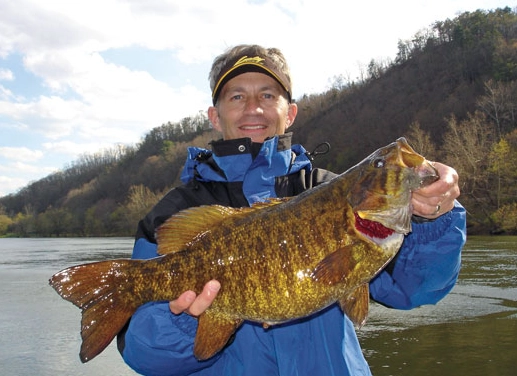
The subtlety: Use just enough weight to occasionally tick the bottom. Too heavy, and it snags every time. The sinker takes the brunt of the current, allowing your bait to swing enticingly in the slower water just above the riverbed. It's a finesse presentation in a power-fishing scenario.Safety: The Most Overlooked Skill in River Fishing
Tactics for Specific Fish in Fast Water
Quick Answers to Your Fast-Water Fishing Questions