The Ultimate Guide to River Fishing Tackle Setup
Ever felt overwhelmed by the sheer amount of gear needed for river fishing? This detailed guide breaks down the perfect river fishing tackle setup, from rod and reel selection to specific rigs for bass, trout, and catfish.
Getting your river fishing tackle setup right feels like unlocking a secret code. You see people catching fish consistently, while you're just... casting. The difference often isn't magic—it's a thoughtful, purpose-built collection of gear matched to the river's personality. Let's cut through the noise and build a system that works, whether you're chasing smallmouth bass in rocky riffles or drifting for trout in a deep pool. This is where most people get it wrong. They grab a generic "medium" rod and call it a day. For rivers, you need to think about current, casting accuracy, and presentation control. A longer rod, say 7 to 9 feet, gives you two huge advantages. First, it keeps more of your line off the water's surface, giving you a better direct connection to your lure or bait for detecting subtle bites. Second, it provides superior leverage for mending your line—that crucial flick of the rod tip that lets your bait drift naturally without dragging unnaturally fast in the current. I learned this the hard way on the Susquehanna River, trying to nymph for smallmouth with a 6-foot rod. My drifts were terrible until I switched to an 8-footer. Power and action are next. Here’s a quick breakdown: Don't be the angler using a stiff, heavy-power rod for trout. You'll miss half the bites and rip the hook right out on the set. Line choice is a silent partner in your success. In rivers, you're often dealing with abrasion from rocks, wood, and mussel beds. Braid, Fluorocarbon, or Monofilament? I run a hybrid system for 90% of my river fishing. I spool my spinning reels with 10-20 lb test braid as the main line. It has no stretch, so I feel everything. Its thin diameter cuts through current better than thick mono. Then, I tie on a fluorocarbon leader (4-12 lb test, depending on target). Fluorocarbon is nearly invisible underwater and has excellent abrasion resistance—it handles those unseen rocks. For baitcasting reels when I'm throwing crankbaits or spinnerbaits, I often go straight 12-17 lb fluorocarbon for its manageability and shock absorption. Monofilament still has a place, especially for topwater or floating presentations where you want the line to stay on the surface, or for simple live bait rigs where its stretch can be forgiving. This is your connection to the fish. Get it wrong, and nothing else matters. Yes, but not in the way you might think. You don't need the most expensive reel. You need a reliable drag system and the right size. For light-line trout and panfish setups on a long rod, a 1000 or 2500-size spinning reel is perfect. It's lightweight and balances the rod. For general bass duty, a 3000 or 3500 size spinning reel or a 6.3:1 or 7.1:1 gear ratio baitcaster gives you good retrieve speed. A smooth drag is non-negotiable. River fish use the current to their advantage, making powerful runs. A sticky, jerky drag will snap your line. Clean and lightly lubricate your drag washers at least once a season. Forget complicated knots you'll never remember on the bank. Master these three river fishing rigs, and you're covered. This is the ultimate live bait presentation for rivers. Thread an egg sinker onto your main line, then a plastic bead (to protect the knot), then tie on a barrel swivel. To the other end of the swivel, tie a 12-36 inch leader ending with your hook. The sinker sits on the bottom, but when a fish picks up the bait, it can swim off with zero resistance because the line slides freely through the sinker. You see the line start moving, you point the rod at the fish, let it eat for a few seconds, then reel up slack and set the hook. Deadly for catfish, carp, and walleye. This is your search bait for bass in rivers with vegetation, wood, or rocks. You rig a soft plastic worm, creature, or craw "weedless" by threading it onto a wide gap hook. The point is buried back into the plastic. A bullet weight is often pegged just above the hook. You can drag it, hop it, or swim it through the nastiest cover without constant snagging. It's a confidence rig because you can fish where the fish live. Underrated for rivers. A slip float or fixed float set to the right depth lets you present a live minnow, worm, or artificial nymph in a perfectly natural drift. It suspends your bait off the bottom, away from snags, and right in the fish's face. It's incredibly visual and effective for trout, smallmouth in pools, and panfish. Let's get concrete. Here’s exactly what I'd carry for two common river scenarios. Scenario 1: Wading a Rocky River for Smallmouth Bass Scenario 2: Bank Fishing a Deep, Slow-Moving River for Catfish and Carp How can I prevent my river fishing setup from constantly snagging on rocks and debris? What's a good all-around river fishing setup if I'm targeting multiple species like bass and panfish? Do I really need different fishing rods for different river fishing situations? The perfect river fishing tackle setup isn't about having the most gear; it's about having the right gear, thoughtfully assembled. It's the rod with enough length to control your drift, the line that can handle a surprise rock, and the simple rig that presents your bait like it belongs there. Start with the fundamentals here—match your gear to the water and the fish—and you'll spend less time fiddling with tackle and more time feeling that thrilling pull from the current.What's Inside This Guide?
How to Choose the Right River Fishing Rod
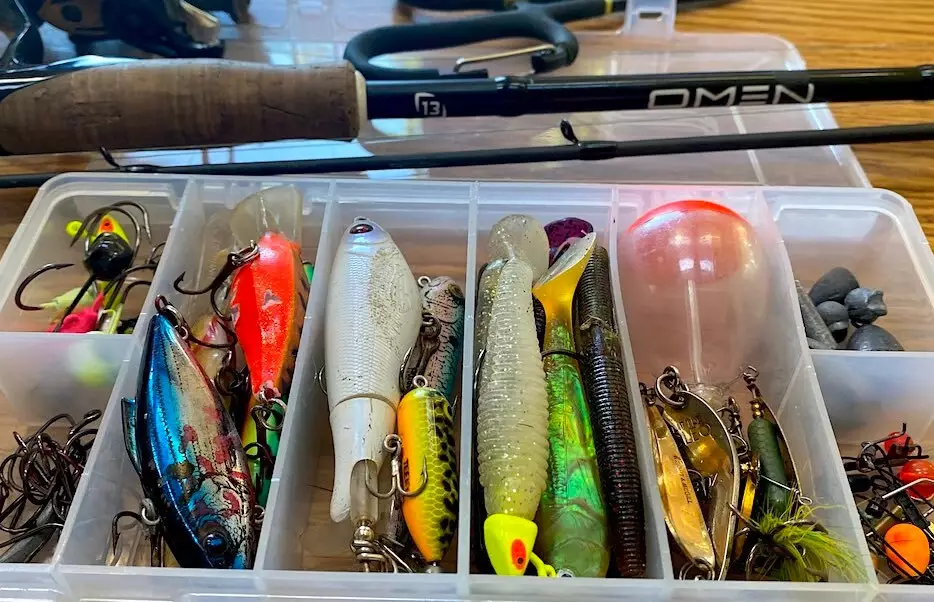
Situation / Target Fish
Recommended Rod Power
Recommended Rod Action
Why It Works
Trout, Panfish, Finesse Presentations
Light to Ultra-Light
Fast or Extra-Fast
Maximum sensitivity for light bites, protects light line.
All-Around River Bass, Walleye
Medium
Fast
Versatile backbone for casting various lures, good hook-setting power.
Heavy Current, Big Catfish, Pike
Medium-Heavy to Heavy
Fast or Moderate-Fast
Power to pull fish from snags and fight strong current.
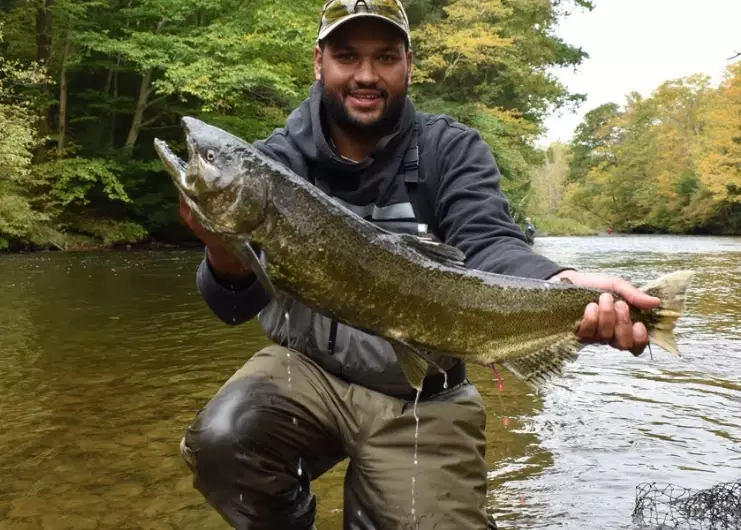
What is the Best Line for River Fishing?
Hooks, Weights, and Bait: The Business End
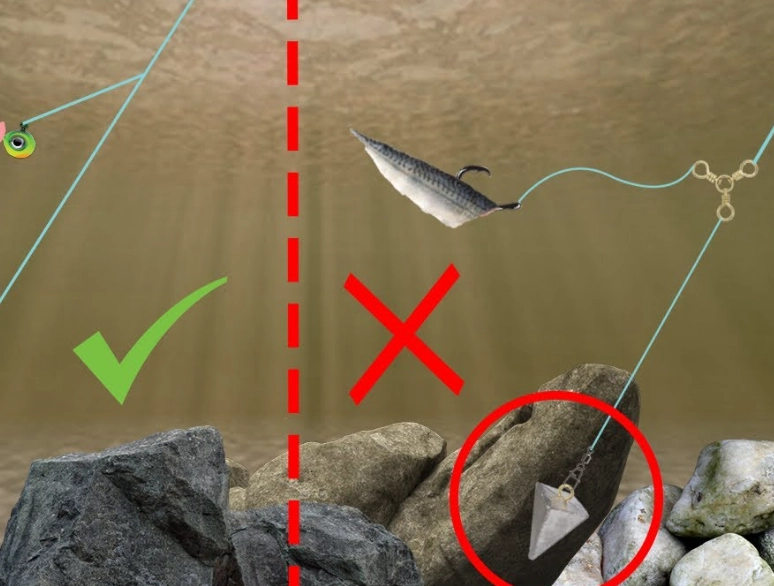
Does Your Fishing Reel Really Matter?
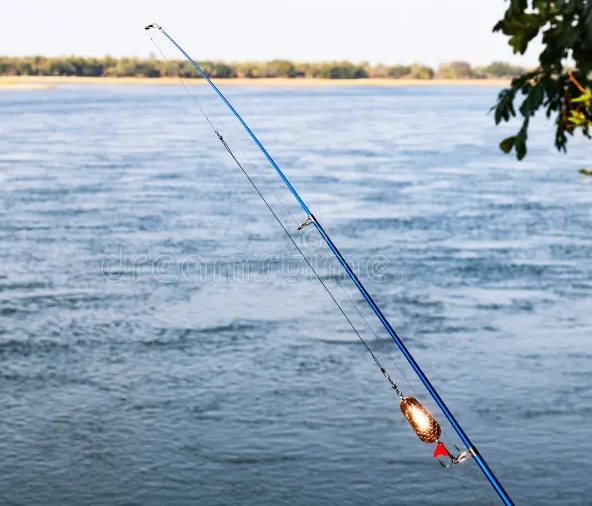
River Fishing Rigs That Actually Work
1. The Slip Sinker Rig (Fish-Finder Rig)
2. The Texas Rig
3. The Simple Float Rig
Scenario-Specific Tackle Setups
Your River Fishing Setup Questions Answered