You can have the best lures and know all the hotspots, but if your river fishing tackle isn't dialed in, you're just practicing your casting. I've watched too many anglers struggle with gear that's better suited for a calm lake, fighting the current instead of the fish. The river demands respect, and your equipment is the first handshake.
Let's cut through the catalog hype. This isn't about buying the most expensive rod. It's about understanding how flow, structure, and target species dictate every piece of gear in your hand.
What's Inside This Guide
The Core Tackle Breakdown: Rod, Reel, Line
Think of this as your foundation. Get this wrong, and everything else is an uphill battle.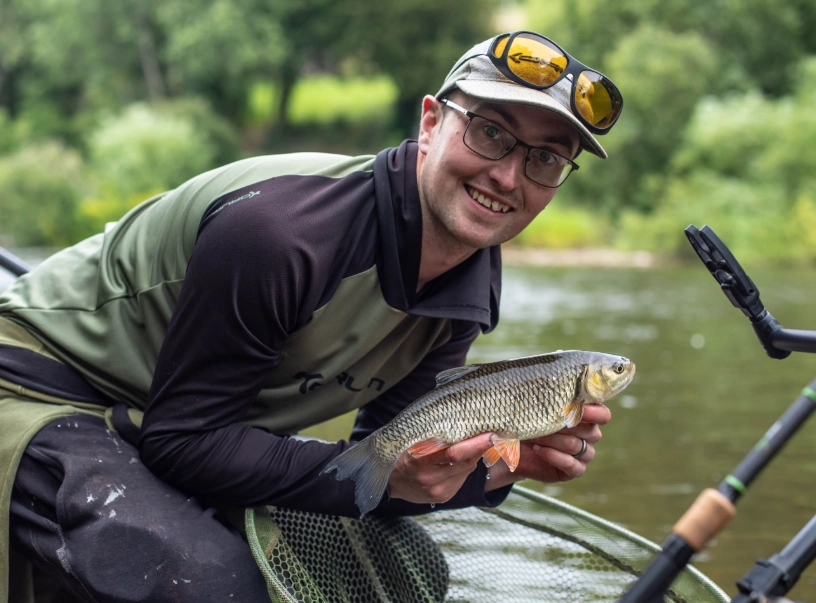
The River Fishing Rod: Action and Length Are Everything
A fast-action rod is your best friend in current. That stiff tip section lets you set the hook quickly against the pull of the water. A slow, noodly rod absorbs that energy, and you miss fish.
Length? It's a trade-off. A 9-footer gives you longer casts and better line mending for drift fishing. But on a brushy small creek, it's a nightmare. My most-used rod is a 7'6" medium-power, fast-action spinning rod. It handles everything from stream trout to river smallmouth.
Here's a blunt truth: that 12-foot surf rod you're thinking of using for catfish in a big river is overkill 90% of the time. It's exhausting and insensitive.
Reels: Drag is Not an Afterthought
In a lake, a fish might run 50 yards. In a river, it'll use the current to double its power. A smooth, reliable drag is non-negotiable. You don't need a $500 reel, but avoid the bargain-bin specials. A sticky drag will snap your line on the first good run.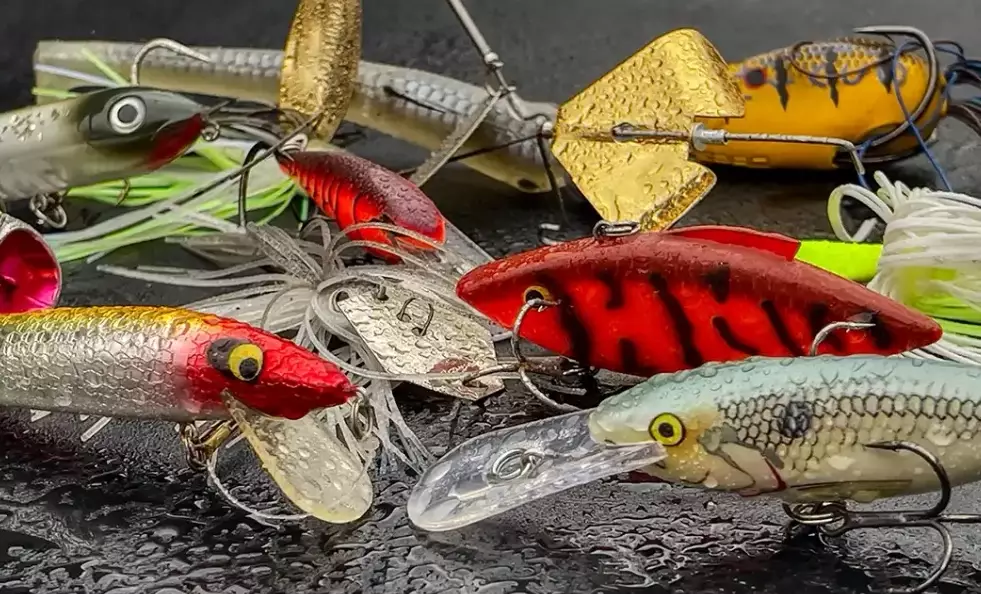
For spinning, a 2500 to 3000 size is perfect for most river work. For baitcasting on bigger rivers, look for models with a solid frame and multiple disc drag washers. The American Sportfishing Association notes that proper drag setting is a leading factor in successful catch-and-release survival for large river fish.
Fishing Line: The Invisible Connection
This is where I see the most subtle, costly mistakes.
Monofilament is forgiving and cheap, but it stretches and absorbs water, weakening its knot strength in long drifts.
Braided line has zero stretch. You feel every tap, which is huge in current. But it's visible. You must use a fluorocarbon leader. I run 10-20lb braid as my main line with a 4-10lb fluoro leader 90% of the time.
Fluorocarbon as a main line is great for its invisibility and sink rate, but it can be stiff and have memory on a spinning reel. It's fantastic for leader material.
How to Match Your Tackle to the River Type
"River fishing" is too broad. A mountain freestone stream and the Mississippi River have about as much in common as a bicycle and a semi-truck. Your tackle needs to match the environment.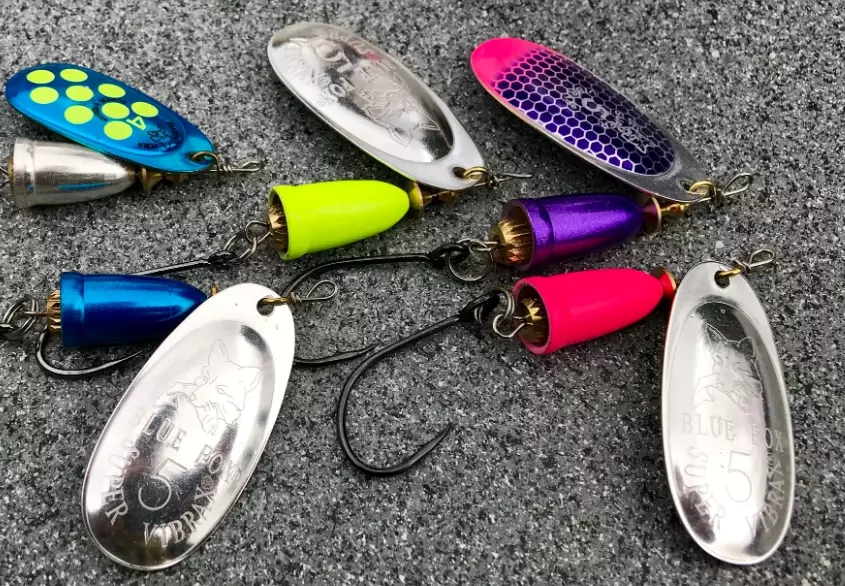
| River Type / Scenario | Ideal Rod Specs | Reel & Line Combo | Primary Target |
|---|---|---|---|
| Small Streams & Creeks (Under 30ft wide, tight quarters) | 5'6" - 7' Light Power, Fast Action | 1000-2000 Spinning; 2-6lb Fluorocarbon | Trout, Panfish, Small Bass |
| Medium Rivers & Wade Fishing (Mixing pools and riffles) | 7' - 8'6" Medium Power, Fast Action | 2500 Spinning; 10lb Braid + 6-8lb Leader | Smallmouth Bass, Walleye, Trout |
| Large Rivers & Drift Boats (Deep channels, heavy current) | 8' - 9'6" Med-Heavy Power, Fast Action | 3000-4000 Spinning or Baitcast; 20-30lb Braid + 10-15lb Leader | Steelhead, Salmon, Catfish, Pike |
| Fly Fishing Moving Water | 9' 5-weight (versatile start) Fast Action Fly Rod | Weight-Forward Floating Line, 9' Leader | Trout, Grayling, Smallmouth |
Let's get specific. Fishing the boulder gardens of a fast Rocky Mountain river? You need a shorter, stout rod to horse fish out of the hydraulics before they wrap you around a rock. Finesse-fishing a slow, weedy Southern river for bass? A longer rod helps you keep slack out of your line for better sensitivity and hook sets.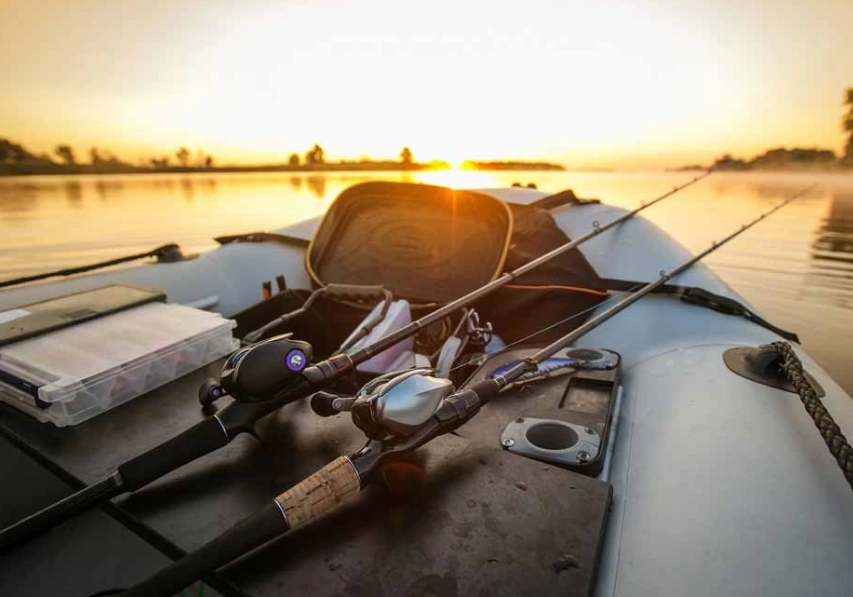
I learned this the hard way on the Potomac River. I was using a standard 7-foot bass rod. The current kept bowing my line, and I missed strike after strike. Switched to a 7'6" rod with a faster tip and heavier line weight, and suddenly I could feel the difference between the current ticking the bottom and a smallmouth inhaling my craw.
Essential Rigs and Tactics for Moving Water
Tackle isn't just the rod and reel. It's the terminal stuff that gets your bait in the fish's face.
The Carolina Rig: Your Deep Water Anchor
Forget the fancy name. It's an egg sinker above a swivel, with a leader to your hook. This is the go-to for probing deeper holes and channels where fish hold out of the main flow. The sinker bounces along the bottom, but your bait (a live minnow, plastic worm, crawfish) trails naturally behind it. Use a longer leader (2-4 feet) in slower water, a shorter one (1-2 feet) in faster water to keep your bait down.
The Drop Shot: Finesse in the Flow
Most think drop shots are for lakes. In rivers, they're deadly for suspended smallmouth or walleye holding behind current breaks. The weight hits bottom, but your bait dances above it, right in the strike zone. Use a lighter weight than you think—just enough to hold position. In current, it often works better than a traditional jig.
Weights: Lead is Dead, Tungsten is King
This is my non-consensus hill to die on. Lead split shot and egg sinkers are obsolete for serious river fishing. Tungsten weights are smaller and denser for the same weight. They transmit bottom feel better, get down faster, and have a more subtle profile. Yes, they cost more. But you'll lose far fewer rigs because you can feel when you're hung up sooner, and you'll get more bites because of the better presentation.
Bullet weights, pencil sinkers, and drop shot weights in tungsten should be in your box.
Tackle Maintenance and Common Mistakes
River tackle takes a beating. Sand, rocks, and constant wet-dry cycles.
Rinse your reel with fresh water after every trip, especially the drag system. Grit in the drag washers will ruin them. Once a season, consider having a professional service it if you fish hard.
Check your rod guides. Run a cotton swab around the inside. If it snags, you have a cracked ceramic insert that's sawing through your line. Replace the guide or the rod.
The biggest mistake I see? Using the same leader knot for braid-to-fluoro that you use for mono. The slickness of braid and fluoro requires a knot like the FG Knot or Double Uni that cinches down and locks. A poorly tied knot is the weakest link, and the river will find it.
Your River Tackle Questions Answered
Your river fishing tackle is a system. Each piece—rod, reel, line, weight, hook—works with the others to overcome the unique challenge of moving water. Don't just buy what's on sale. Think about the specific stretch of water you'll be standing in. That's how you go from fighting your gear to fighting fish.
Start with one versatile setup for your home river. Master it. Learn how it feels when the current takes your line, how it telegraphs a bite through the flow. Then, and only then, think about adding a second, more specialized rod to your arsenal. The river teaches patience, and so does building the right kit for it.
Reader Comments