Choosing the right bait is the single most important decision you make before your line even touches the water. It's the difference between a full cooler and a frustrating story about "the one that got away." For decades, I've watched anglers fall into the same traps—relying on one "magic" bait or getting overwhelmed by the endless options at the tackle shop.
This guide isn't just a list of baits. It's a system for understanding why and when to use each type. We'll break down the three core categories—live bait, artificial lures, and natural prepared baits—and give you the context to make confident choices on any water, for any fish.
What's in This Guide?
The Three Main Categories of Fishing Baits
Understanding these categories is the first step to mastering bait selection. Each has its strengths, weaknesses, and ideal scenarios.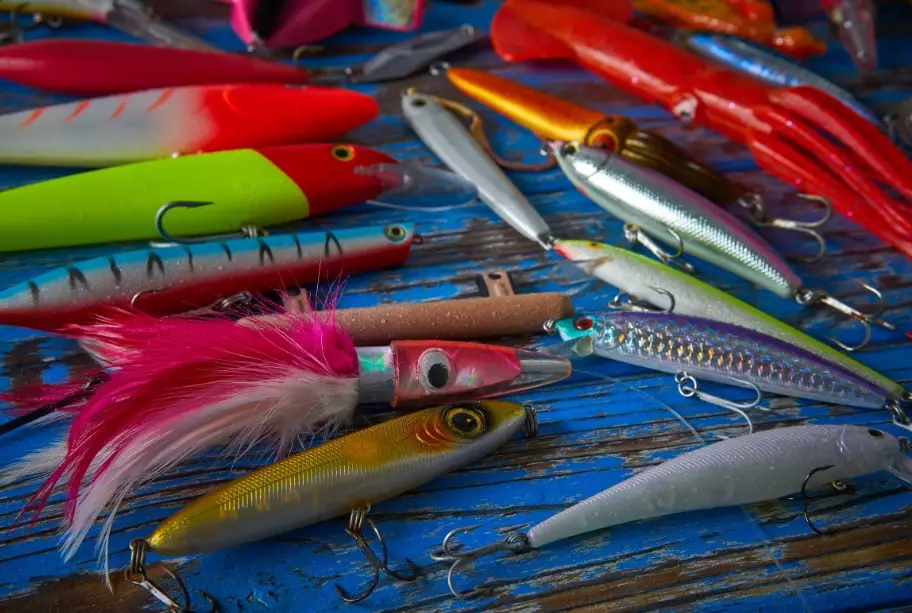
1. Live Bait
Live bait is exactly what it sounds like—real, living creatures used to attract fish. It's the oldest and most reliable method, offering irresistible movement and scent.
- Worms/Nightcrawlers: The universal classic. Effective for nearly every freshwater species—panfish, bass, catfish, even trout. Rig them on a simple hook or use a Carolina rig for bottom-feeding fish.
- Minnows: Small baitfish. A go-to for predator fish like bass, pike, walleye, and crappie. Hook them through the lips or back for a natural swimming presentation. Keep them alive and active in a well-aerated bucket.
- Insects (Crickets, Grasshoppers): Prime bait for panfish like bluegill and sunfish, as well as trout in streams. Match the hatch—if you see insects on the water, try to mimic them.
- Leeches: A walleye angler's secret weapon, especially in cooler water. Their undulating swim is hard for fish to resist.
- Crawfish: The ultimate bass bait in rocky areas and during the summer. Live crawfish mimic a high-protein, natural forage.
2. Artificial Lures
Artificial lures are man-made imitations designed to trigger a fish's predatory instincts through movement, vibration, color, and shape. They require more active fishing but allow you to cover vast amounts of water.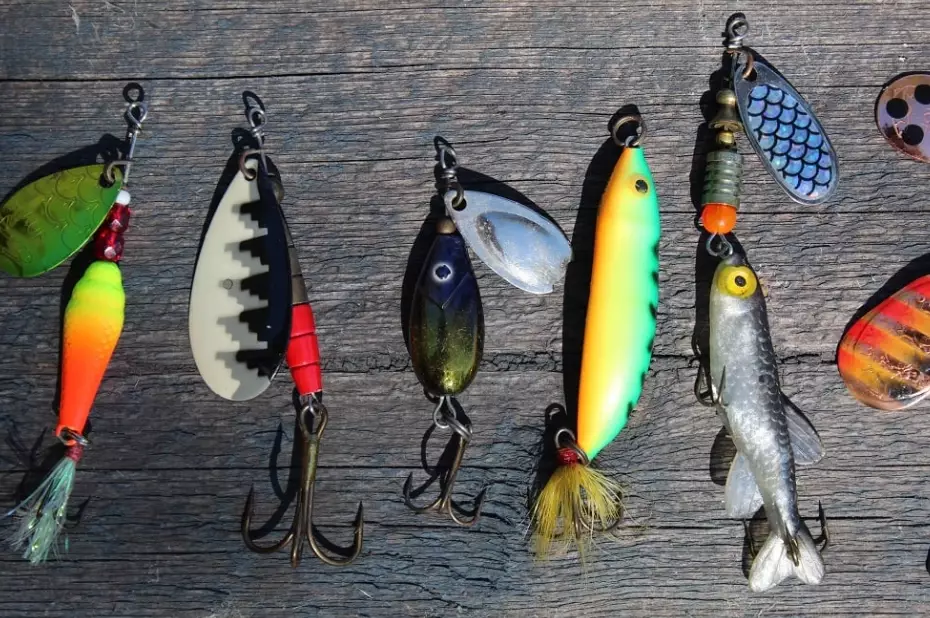
| Lure Type | Best For | Key Action | My Personal Take |
|---|---|---|---|
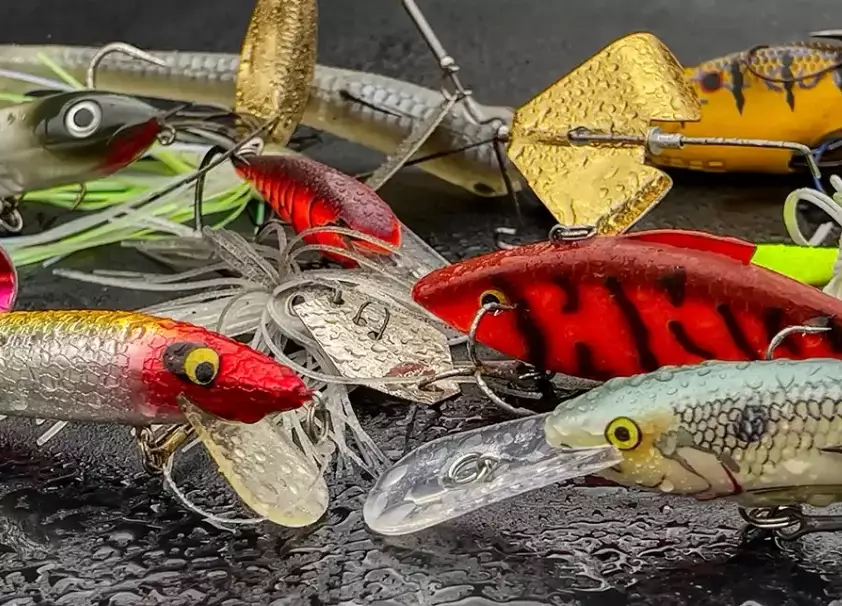
| Spinnerbaits | Bass, Pike, Musky in murky water or vegetation. | Vibration & flash from spinning blade. | My #1 search bait for finding active bass. The skirt hides the hook well in weeds. |
| Crankbaits | Bass, Walleye, Trout at specific depths. | Wiggling, diving action. | Choose based on diving depth. A deep-diver is useless in 3 feet of water. |
| Soft Plastics (Worms, Craws, Creatures) | All species, especially pressured bass. | Lifelike texture & subtle movement. | Endlessly versatile. Texas-rigged for weeds, wacky-rigged for open water. A confidence bait. |
| Jigs | Bass, Walleye, Panfish on the bottom. | Hopping, dragging, swimming. | The most finesse-required lure. Master the "slow hop" and you'll catch fish when nothing else works. |
| Spoons | Trout, Salmon, Pike in open water. | Fluttering, wobbling flash. | Simple and deadly for trolling or casting. The flash mimics a wounded baitfish perfectly. |
3. Natural Prepared Baits
These are non-living organic baits, often processed or prepared. They excel at scent-based fishing for species with a strong sense of smell.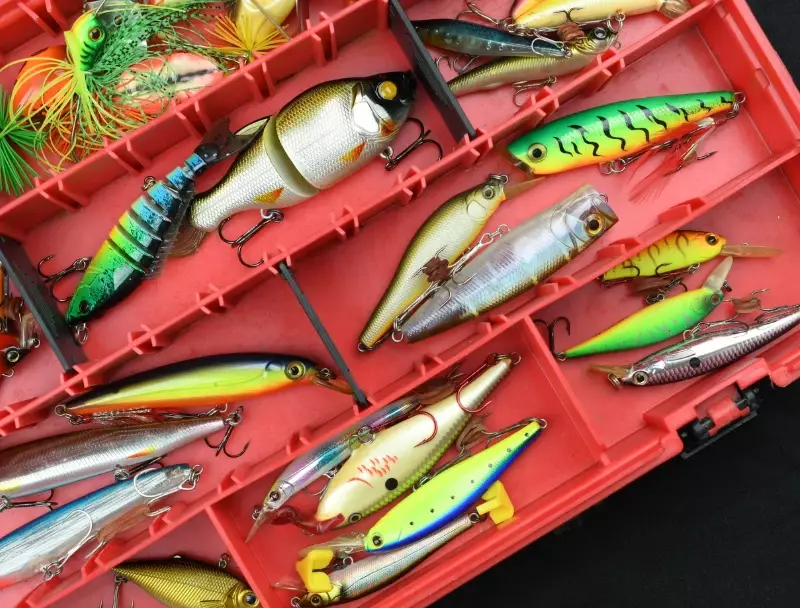
- Dough Baits & "Stink Baits": The catfish specialist. Formulated with potent cheeses, blood, or other attractants. Mold it around a treble hook. It sits and releases scent. Messy but effective.
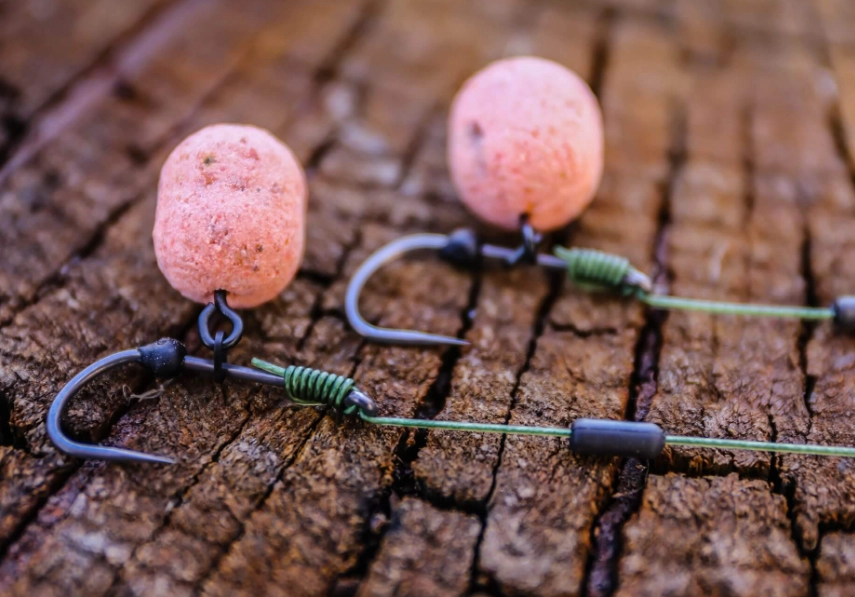
- Corn & Particles: Cheap, effective for carp and sometimes panfish. Use a hair rig for carp to present the hook separately from the bait.
- Cut Bait: Pieces of dead fish (like shad or herring). Fantastic for large catfish, stripers, and pike. It releases oils and scent, calling in big predators from afar.
- Salmon Eggs: A traditional and highly effective bait for trout and salmon, especially in rivers during spawning runs.
The biggest mistake with prepared baits? Letting them sit too long. Re-bait your hook every 20-30 minutes to ensure the scent is fresh.
How to Choose the Right Bait: A Practical Framework
Stop guessing. Start matching your bait to the conditions. Ask yourself these three questions in order:
1. What is the Target Fish Eating? (Match the Forage)
Look around. Are there small shad skipping on the surface? Throw a silver crankbait or a topwater popper. See crawfish scurrying on the rocky bank? A brown/green jig or soft plastic craw is your answer. This principle, "match the hatch," is fundamental. Resources like the FishBase database can give you detailed diet info for specific species.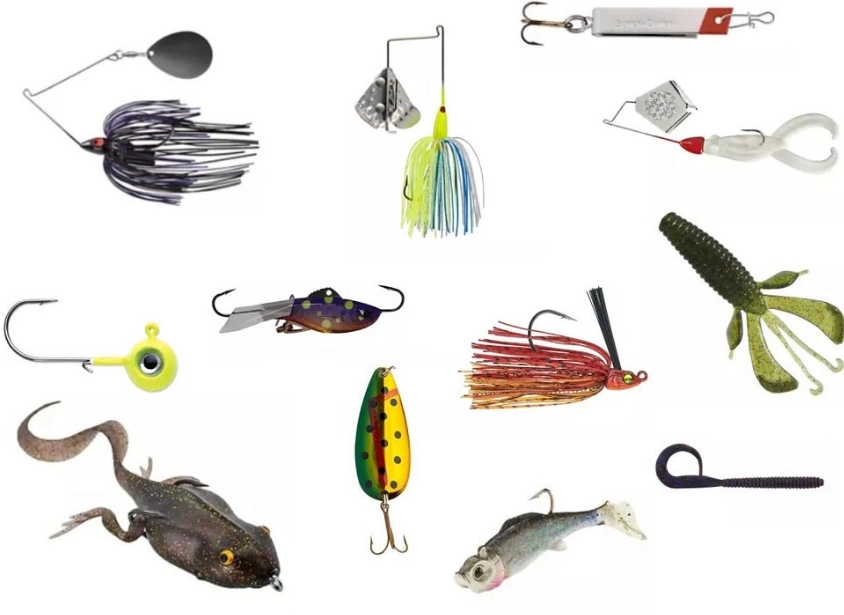
2. What are the Water Conditions?
Clear water demands finesse. Murky water demands commotion.
- Clear Water: Fish are spooky. Use natural colors, smaller baits, and subtle presentations. Live bait or finesse soft plastics (like a drop shot) shine here.
- Stained/Murky Water: Fish rely more on vibration and sound. Use spinnerbaits, chatterbaits, or crankbaits with rattles. Bright colors (chartreuse, orange) can help.
- Cold Water: Fish are lethargic. Slow down! Use slow-sinking live bait (minnows, leeches) or jigs and soft plastics crawled along the bottom.
- Warm Water: Fish are more active. You can use faster-moving lures and topwater baits early and late in the day.
3. What is Your Fishing Style?
Be honest with yourself.
- Do you want to cast and retrieve actively? Artificial lures are for you.
- Do you prefer to relax, let the bait do the work, and wait for a bite? Live or prepared bait on a bottom rig is your best bet.
There's no wrong answer, but matching your gear to your desired experience is key to enjoying the day.
Common Bait Mistakes and How to Fix Them
I've made every one of these. Learn from my errors.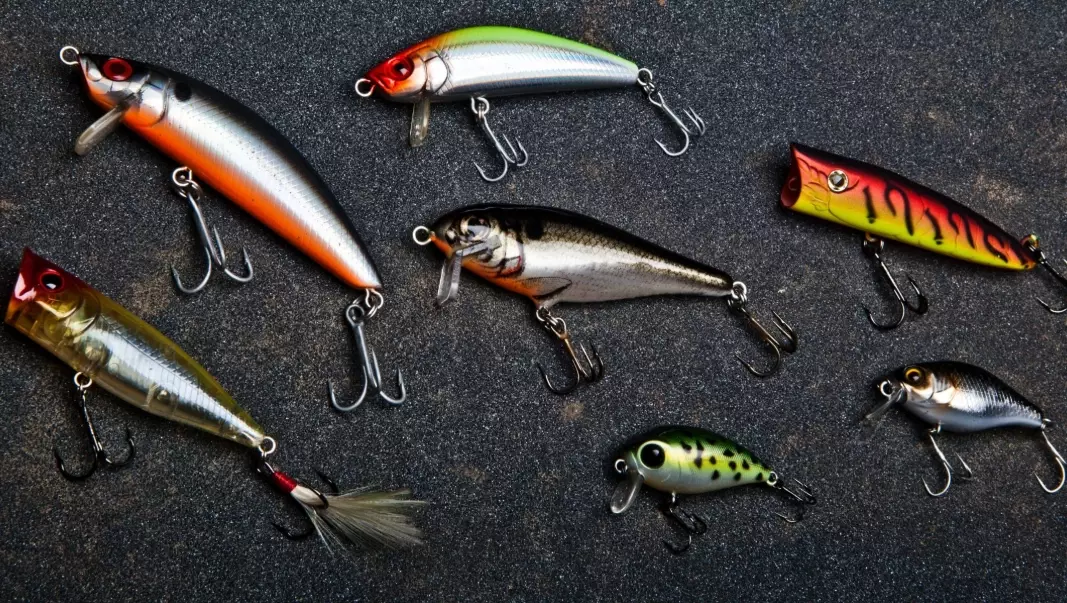
Mistake #1: Using Too Large a Bait
New anglers often think bigger bait equals bigger fish. Not always. A massive worm or lure can intimidate smaller, more numerous fish. If you're not getting bites, downsize. A 4-inch worm instead of a 10-inch one can be the difference between skunking and catching a dozen panfish.
Mistake #2: Not Animating Your Bait
Even live bait needs help. A dead-still minnow looks... dead. Give your rod tip occasional twitches. With artificial lures, vary your retrieve speed. A stop-and-go retrieve mimics a wounded, easy meal.
Mistake #3: Ignoring the Impact of Scent
Fish, especially catfish, carp, and bass, have an incredible sense of smell. Human scent (sunscreen, bug spray, gasoline) on your bait or lure can repel them. Wash your hands before handling bait or use a scent attractant/eliminator. A dab of pro-cure gel on a soft plastic can trigger extra bites.
Essential Bait Rigging and Presentation Tips
How you put the bait on the hook is as important as the bait itself.
- Worm Hook: For live worms, thread the hook point through the middle of the worm, leaving both ends free to wiggle. Hiding the entire hook kills the action.
- Minnow Hook: Hook a minnow through both lips from the bottom up for a forward-swimming presentation. Hook it lightly behind the dorsal fin for a more horizontal, struggling presentation.
- The Texas Rig (for soft plastics): This is a weedless masterpiece. Push the hook point into the head of the worm, thread it through about 1/2 inch, turn the hook point out, and then bury the point back into the body of the worm. It slides through grass and wood without snagging.
- Weight Matters: Use the lightest weight you can to get to the desired depth. A heavy sinker thumping the bottom can scare fish in clear, shallow water.
Your Bait Questions, Answered
The journey to becoming a better angler is paved with experimentation. Don't be afraid to try something that looks silly in the tackle shop. Sometimes, that's exactly what the fish want. Pay attention to what works on your local waters, keep a simple log if you can, and remember that the best bait is the one you have confidence in.
Reader Comments