You ask the question, hoping for a simple answer. A magic bullet. The one bait to rule them all. I've been guiding and fishing for over a decade, and I'll tell you straight: that bait doesn't exist. The real answer is more interesting. The "best" bait is the one that matches the fish you're after, the water you're on, and the day you're having. It's a puzzle, and picking the right piece is what separates a slow day from a memorable one.
I've watched anglers show up with a $20 lure when a $0.50 worm would have cleaned up. I've also seen the opposite. This guide isn't about listing baits. It's about giving you the framework to make the right choice yourself, every time you hit the water.
Your Quick Guide to Bait Selection
The Live Bait Advantage (And Drawbacks)
Nothing beats the real thing. Live bait offers the complete package: natural movement, authentic scent, and realistic appearance. It's often the most effective choice, but it's not always the most practical.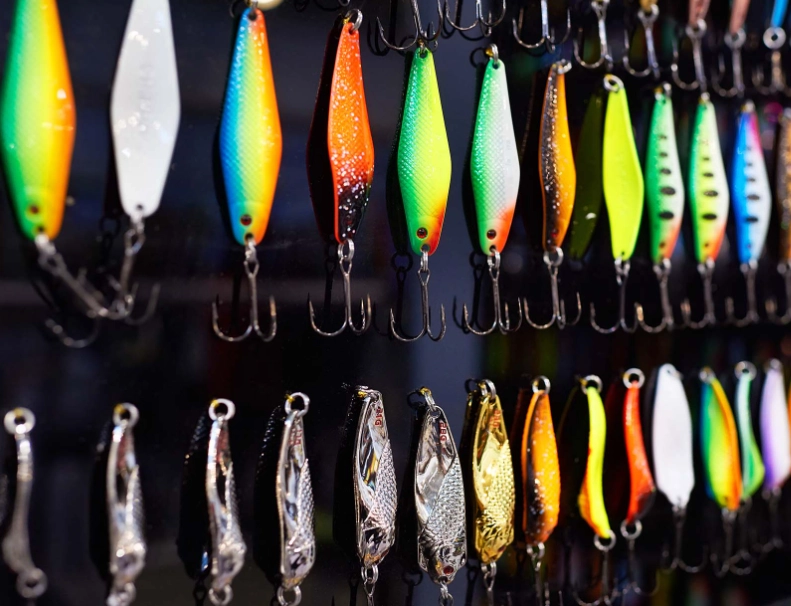
Let's break down the heavy hitters.
Nightcrawlers and Earthworms
The universal bait. I've caught bass, panfish, trout, catfish, and even walleye on a worm. Their secret is the wriggle and the scent trail they leave in the water. For panfish like bluegill, pinch off a small piece. For catfish, thread a whole gob of them on a hook.
The classic mistake? Using a giant hook that kills the worm instantly. Use a thin wire hook (like an Aberdeen style) in a size appropriate to the worm. You want it to stay alive and moving as long as possible.
Minnows and Shiners
This is predator candy. For bass, pike, walleye, and crappie, a live minnow is often unbeatable. The key is hooking it correctly to keep it swimming. For a lively presentation, hook it lightly through the lips or just behind the dorsal fin.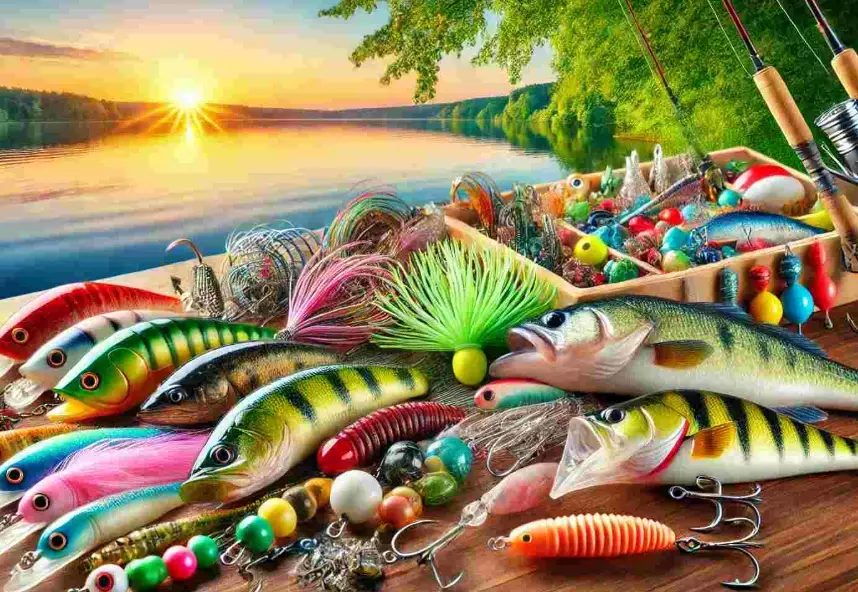
Here's a pro tip most beginners miss: match the minnow size to the local forage. If you see tiny baitfish flickering, a huge 6-inch shiner might look out of place. Go smaller.
Leeches and Crayfish
These are specialty baits that are pure gold for specific scenarios. A leech under a slip bobber is a legendary walleye tactic. Their undulating swim is irresistible. Crayfish, especially during their molting season (when they're soft-shelled), are the primary food source for smallmouth bass in many rivers.
The drawback? They can be harder to find and keep alive. But if you're targeting these species, the effort pays off.
Mastering Artificial Lures
Artificials are where fishing becomes an active sport. You're not just waiting; you're convincing. They offer unlimited variety and are reusable, which is great for your wallet and the environment.
I categorize them by their action.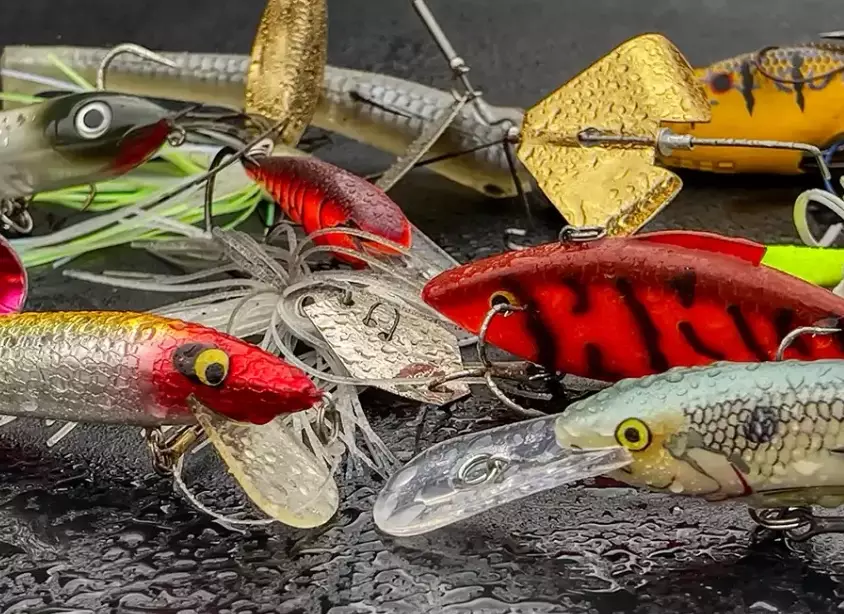
Hard Baits: Crankbaits, Jerkbaits, Topwaters
These lures have a built-in action. Crankbaits dive and wobble when you reel. They're fantastic for covering water and finding active fish. Jerkbaits require you to impart the action—sharp twitches of the rod make them dart and hesitate, mimicking a wounded baitfish.
Topwaters are the most exciting. Poppers, walk-the-dog baits, and prop baits create surface commotion. There's nothing like seeing a bass explode on a topwater. They work best in low light or over calm water.
Soft Plastics: The Modern Workhorse
This is the most versatile category. Worms, creature baits, swimbaits—you can rig them a dozen ways. The Texas Rig is king for fishing in heavy cover because it's weedless. The Wacky Rig (hooking a worm in the middle) has a dying flutter that drives bass crazy.
The secret with soft plastics isn't the shape, it's the action you give them. A slow drag, a subtle hop, letting it sit dead-still. Experiment.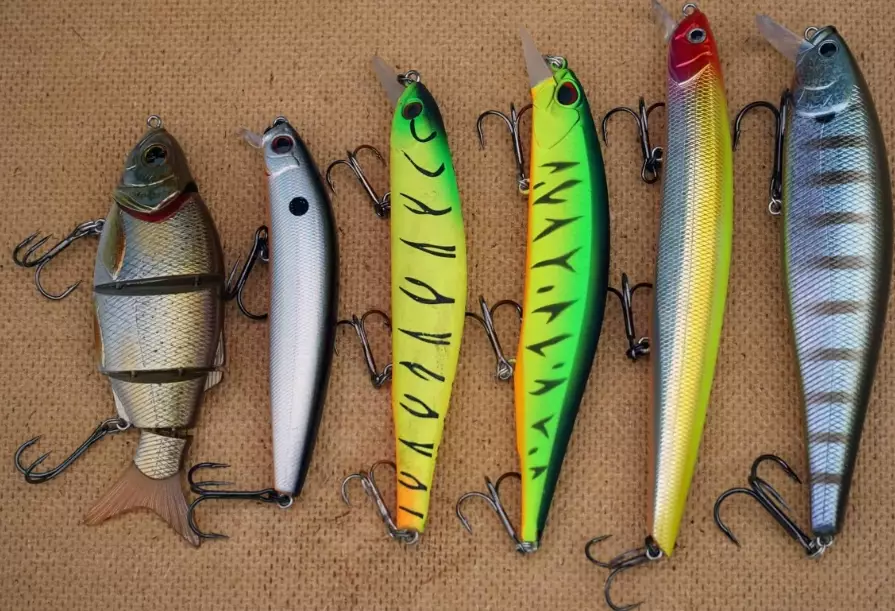
Spoons, Spinners, and Jigs
These are reaction baits. Inline spinners (like a Mepps) flash and vibrate with a simple steady retrieve. They're murder on trout, bass, and pike. Jigs are a precision tool. You hop them along the bottom, feeling for rocks and stumps. Pair a jig with a soft plastic trailer (a "jig and pig" or "swim jig") and you have a bass-catching machine.
A jig is my go-to when I need to figure out a tough bite. It's slow, methodical, and tells you a lot about the bottom.
Simple & Effective Natural Baits
Don't overlook the stuff in your kitchen. These are cheap, easy, and often shockingly effective, especially for certain species.
- Corn: Canned sweet corn is a classic for carp and trout. It's bright, sinks slowly, and stays on the hook well. Chumming with a few handfuls (where legal) can create a feeding frenzy.
- Bread: White bread, rolled into a dough ball, is a killer for panfish and carp. It's light, so use a small hook and little weight. It dissolves, so you recast often—which isn't a bad thing.
- Hot Dogs & Cheese: Seriously. A chunk of hot dog or processed cheese (like Velveeta) on a circle hook is a catfish magnet. They're oily and smelly, sending out a powerful scent trail in the current.
These baits are perfect for a relaxed day of fishing with kids or when you just want to keep it simple.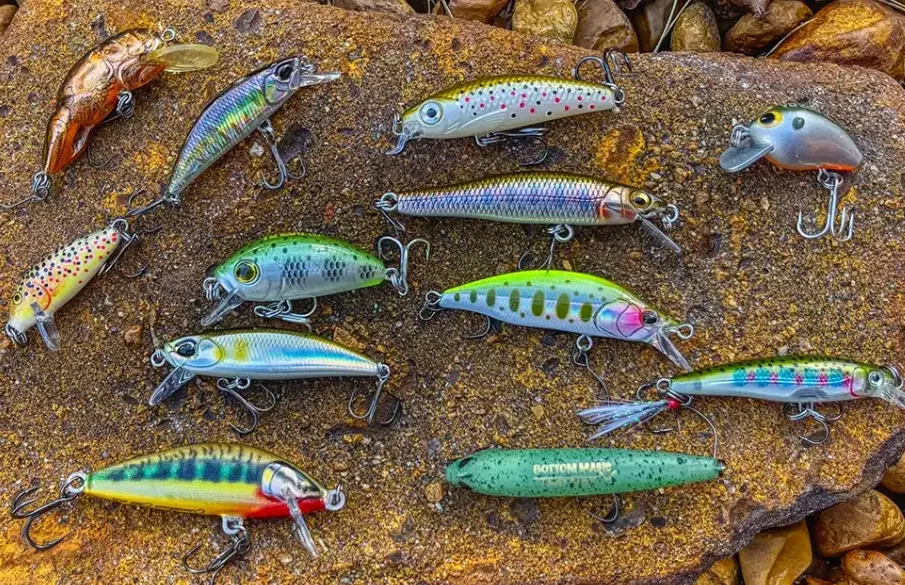
How to Choose: The 3 Key Factors
So how do you decide? Stop thinking about "best" and start thinking about "match." Ask these three questions.
1. What Fish Are You Targeting?
This is step one. A largemouth bass in a weedy lake and a river trout require completely different approaches.
- Bass (Largemouth/Smallmouth): Top tier: soft plastic worms, jigs, crankbaits, topwater frogs. Live: large shiners, crawfish.
- Panfish (Bluegill, Crappie): Tiny jigs, small spinners, pieces of worm. Live: small minnows, wax worms.
- Trout: Inline spinners, small spoons, flies. Live: worms, salmon eggs (where allowed).
- Catfish: Prepared stink baits, cut bait (like shad), chicken liver, hot dogs. Scent is everything.
2. What Are the Water Conditions?
Clear water? Fish can see well, so use more natural colors and finesse presentations. Murky water? Go for vibration, sound, and strong contrast. Bright chartreuse or black/blue baits stand out.
Is it weedy? You need a weedless Texas Rig or a topwater frog. Is it a rocky river bottom? A jig or a crankbait that bumps the rocks can trigger strikes.
3. What's the Season and Time of Day?
Fish behavior changes. In spring, baitfish are shallow—match that with shallow-running lures or live minnows. In the heat of summer, fish go deep or become lethargic. That's when a slow-sinking worm or a deep-diving crankbait shines.
Early morning and evening? Topwater time. Bright midday? Go deeper and slower.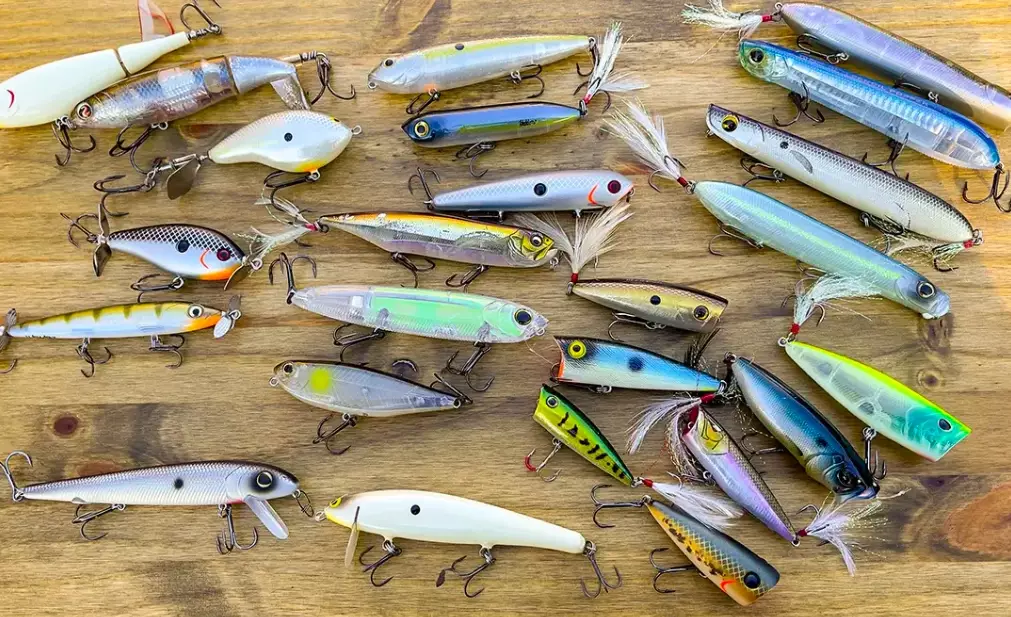
| Bait Type | Best For | Key Advantage | Biggest Drawback |
|---|---|---|---|
| Live Bait (Worms, Minnows) | Finicky fish, beginners, specific predators | Natural movement & scent; often highest success rate | Messy, requires maintenance, legal restrictions |
| Artificial Lures (Plastics, Hard Baits) | Covering water, active fishing, catch & release | Reusable, versatile, allows active searching | Steeper learning curve, can be expensive |
| Natural Baits (Corn, Dough) | Carp, catfish, relaxed fishing | Extremely cheap, easy to use, highly effective for some species | Limited species appeal, can be messy |
The table gives you a snapshot, but the real art is in the application. I might carry all three types in my tackle box, switching based on what the fish tell me.
Your Bait Questions Answered
So, what is the best bait for fishing? You tell me. Now you have the map. It's the bait that matches your target, your water, and your conditions. Start with a nightcrawler or a simple spinner to get bites and build confidence. Then, branch out. Try a soft plastic worm one day, a topwater lure the next. Pay attention to what works and why.
The best bait is the one you have confidence in, because that's the one you'll fish with patience and attention. And that, more than anything else, is what catches fish.
Reader Comments