You can spend a fortune on the latest vibrating, color-changing, scent-infused artificial lures. I've bought plenty. But when the fish shut down, when the water gets cold, or when you're staring at a new lake with no idea where to start, nothing cuts through the nonsense like a wriggling, real-deal live bait. It's not a guarantee—fishing never is—but it's the closest thing to a universal key. This isn't about just throwing a worm on a hook. It's about understanding the system: choosing the right actor for the play, keeping it alive backstage, and putting it on the hook in a way that sells the performance.
What You'll Find in This Guide
Picking Your Star Performer: Matching Bait to Fish
Think of the ecosystem. What does the fish you're after actually eat in this body of water, right now? A largemouth bass in a weedy farm pond lives on bluegill and frogs. A trout in a cold stream eats insects and smaller fish. Start there.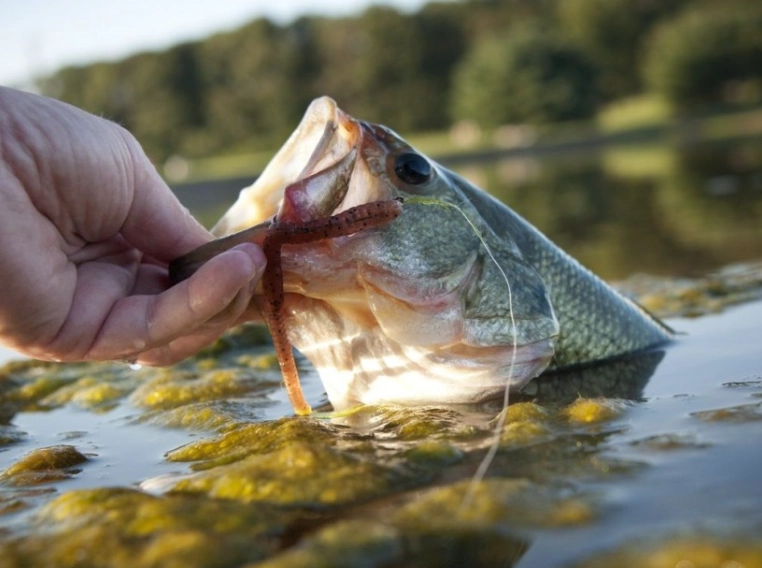
Here’s a breakdown of the most common live baits and who they work on. This isn't just a list; it's a starting point for strategy.
| Live Bait | Best For... | Why It Works | Key Consideration |
|---|---|---|---|
| Nightcrawlers & Earthworms | Panfish (Bluegill, Crappie), Catfish, Trout, Walleye | Universal scent and appeal. Easy to find. Wriggling action triggers bites. | Can be stolen by small fish quickly. Use a smaller piece for panfish, whole for cats. |
| Minnows & Shiners | Bass, Walleye, Pike, Crappie, Striped Bass | Imitates the primary forage fish. Flash and erratic swimming trigger predator instincts. | Size matters. Match the hatch. A 2-inch shiner for crappie, a 6-inch one for pike. |
| Leeches | Walleye, Smallmouth Bass, Panfish | Incredible natural swimming action. Tough on the hook. Walleye find them irresistible. | Can ball up on the hook. Hook through the sucker end for a more natural drift. |
| Crayfish | Smallmouth & Largemouth Bass, Catfish, Walleye | High-protein, natural forage in rocky areas. The kicking claws are a major trigger. | Legal restrictions in some areas. Never transplant between watersheds. |
| Grasshoppers & Crickets | Trout, Panfish, Bass (in late summer) | Seasonal, surface-active bait. The plop and struggle on the water is a dinner bell. | Fragile. Use a light wire hook and keep them in a ventilated container. |
I remember a tough day on a pressured smallmouth lake in late August. The fish had seen every jig and crankbait. We switched to live crayfish, hooked lightly through the tail, and let them scuttle along the bottom near rocky points. The difference was immediate. It wasn't just a bite; it was aggressive, confident strikes. The bait was simply believable in a way plastic wasn't that day.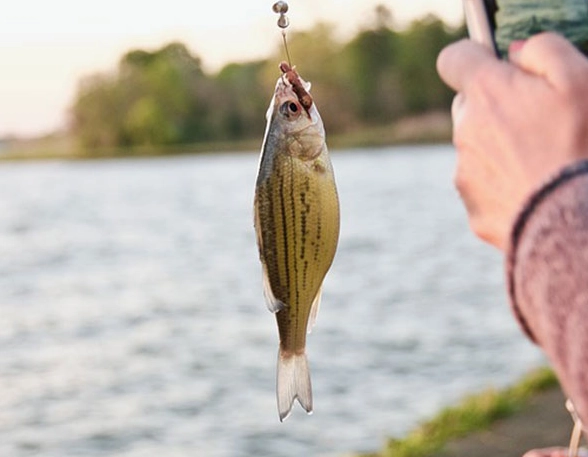
The Backstage Pass: Keeping Your Bait Lively
A dead minnow is just chum. A lethargic worm is boring. Your bait's vitality is your number one asset. Most failures happen here, before the hook even touches water.
For Minnows and Small Fish
That Styrofoam bucket from the bait shop is a death trap in the summer sun. Oxygen depletes fast in warm, stagnant water. You need a proper aerated bait bucket. The battery-operated ones are fine, but the flow-through buckets you submerge in the lake are better—they keep water at the lake's temperature and constantly refreshed.
Never overcrowd. More fish means more waste and less oxygen per fish. If you're buying a dozen minnows, get a bucket that can hold two dozen comfortably.
On a multi-day trip? This is where many stumble. You need to change some of the water daily (using water from the lake you're fishing, not chlorinated tap water) and add a commercial bait conditioner like Mike's Lures Bait-Saver to neutralize ammonia. A small, portable 12V aerator plugged into your car or boat can be a lifesaver overnight.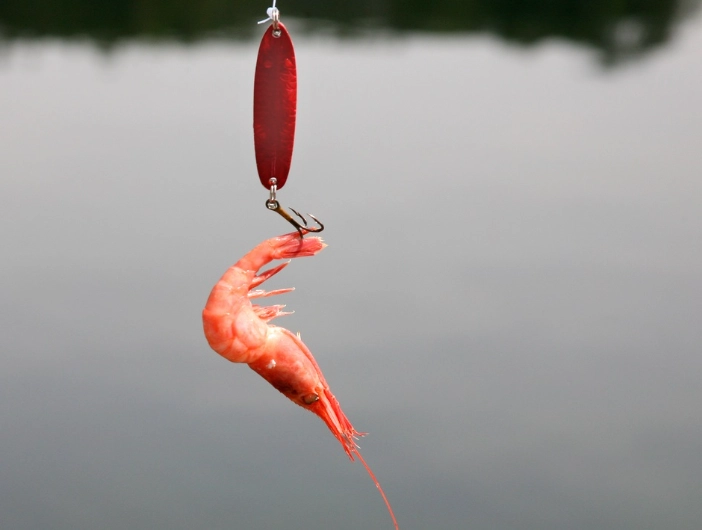
For Worms and Crawlers
Heat and moisture are the enemies. The classic mistake is leaving the container in the sun or letting condensation turn it into a worm soup. Keep them in a cooler, in the shade. The bedding should be damp, not wet. If you squeeze a handful and water runs out, it's too wet.
For long-term storage at home, a dedicated worm box in a cool basement or garage with peat moss and cornmeal for food works wonders. I've kept nightcrawlers lively for over a month this way.
Pro-Tip Most Guides Skip: When ice fishing, your minnows are dying from temperature shock, not lack of oxygen. Pulling them from a 40-degree bait shop tank and dropping them into a 34-degree hole is a shock. Acclimate them slowly. Float your minnow bucket in the hole for 10-15 minutes before using them, letting the water temperature equalize gradually. You'll see a dramatic increase in liveliness.
Hook, Line, and Presentation: Rigging Live Bait Effectively
How you hook the bait dictates its action and lifespan on the hook. The goal is to keep it natural and alive as long as possible.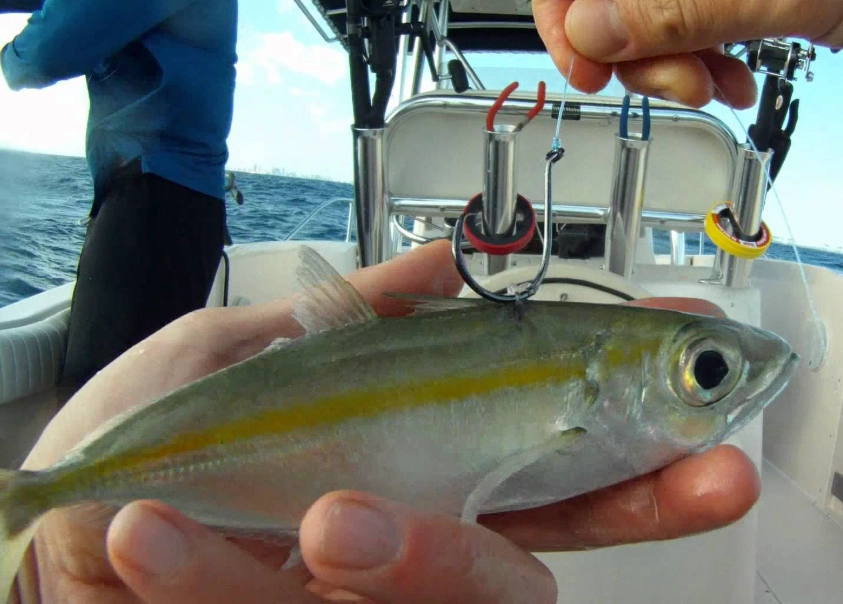
For Minnows: The lip-hook is standard and allows good swimming action. But for a freer, more desperate swim, hook it lightly under the skin behind the dorsal fin. The key word is lightly. Pierce just the skin, avoiding the spine. If you hit the spine, the minnow will go limp. I see anglers do this all the time, essentially killing their best asset before the cast.
For Worms: Threading the hook through the body ("Texas-rig" style) hides the hook and is great for weedy areas. But for panfish, just hook it through the middle once or twice, leaving ends to wiggle. For catfish, a gob of worms on a circle hook is perfect.
For Leeches: Hook through the sucker (thinner) end. They'll swim in a natural, enticing ribbon-like motion. Hooking through the middle makes them ball up.
The rig is just as important. A simple split-shot rig (hook, leader, small weight) is fantastic for a natural drift in current. A slip-bobber rig lets you suspend bait at a precise depth over weed beds—deadly for crappie and walleye. The Carolina rig with a bullet weight is my go-to for dragging a crayfish or big nightcrawler along the bottom for bass, as the weight ticks along the bottom but the bait trails freely behind.
Your line matters too. I almost always use a fluorocarbon leader. It's nearly invisible underwater and has good abrasion resistance. That extra bit of stealth can make a difference with finicky fish in clear water.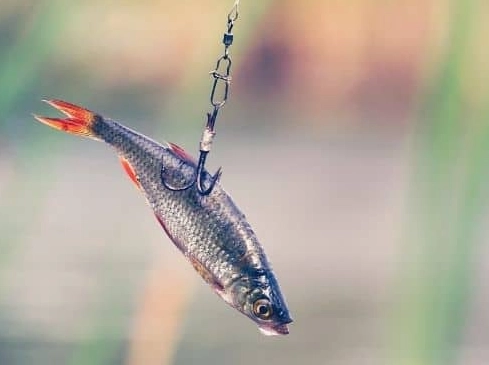
The Subtle Mistakes Even Experienced Anglers Make
After years on the water, you start to notice patterns—not just in fish, but in anglers. Here are the nuanced errors that cost bites.
Over-handling the bait. Your hands have sunblock, bug spray, gasoline, and sweat on them. All of these can coat the bait and mask its natural scent. Wet your hands before handling minnows or leeches. Use gloves if you're sensitive.
Using a hook that's too big or too small. A size 2 hook for a 2-inch minnow is overkill. It hampers movement and looks unnatural. Match the hook to the bait. A long-shank hook is easier to remove from a fish that swallows it, but a shorter, wider gap hook often provides a better hold.
Being static. Even with live bait, you often need to impart action. A minnow under a bobber is good. A minnow under a bobber that you gently twitch every 30 seconds is better. It mimics a wounded fish. Dragging a bottom rig? Give it occasional pauses and slight lifts. That flutter of a dying baitfish or a crawling crayfish is what triggers the final strike.
Ignoring local knowledge. Before you hit a new lake, call the local bait shop. Don't just ask "what's biting?" Ask "what are they biting on?" Is it fathead minnows or golden shiners? Are they hitting leeches on a Lindy rig or crawlers on a jig head? This intel is gold. Resources like state fishery reports from the U.S. Fish and Wildlife Service or local conservation departments can give you clues about the primary forage base.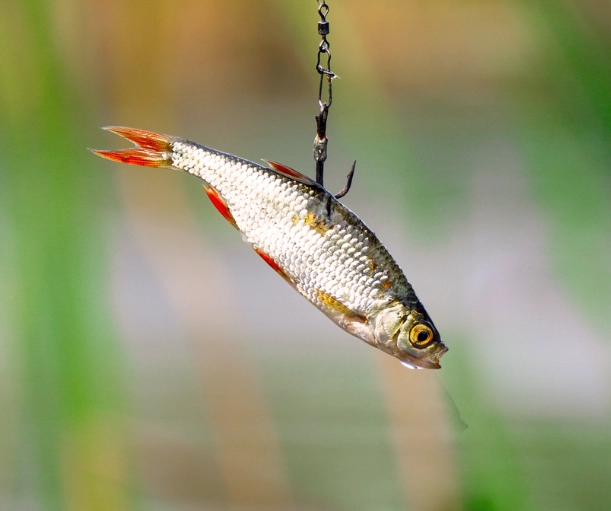
Your Live Bait Questions, Answered
Live bait fishing connects you to the food chain in a direct way. It's messy, it requires more forethought, and it demands respect for the creature on your hook. But when you get it right—when you match the hatch, keep your bait frisky, and present it naturally—the results speak for themselves. It's a fundamental skill that turns slow days into memorable ones and makes you a more complete angler. Now go get your hands dirty.
Reader Comments