You've seen those peaceful scenes of anglers by a lake, and you want in. But where do you even begin? Freshwater fishing isn't rocket science, but diving in without a plan can leave you frustrated and fishless. I've been there—my first trip ended with tangled line and zero bites. Let's fix that. This guide cuts through the noise to give you the straight talk on gear, techniques, and spots to catch your first fish. No fluff, just actionable steps.
What You'll Learn in This Guide
Essential Gear for Beginner Freshwater Anglers
Don't overcomplicate this. You need a few key items to start, not a tackle box overflowing with gadgets. I'll break it down so you don't waste money on stuff you won't use.
Choosing the Right Rod and Reel
A spinning combo is your best friend here. Why? It's forgiving and easy to cast. Look for a medium-light power rod, 6 to 7 feet long. Brands like Ugly Stik GX2 or Shakespeare Micro Series offer durability without breaking the bank—think $40-$60. I made the mistake of buying a super cheap rod once; it snapped when I hooked a small bass. Lesson learned: invest a bit more for reliability.
For the reel, a size 2000 or 2500 spinning reel is perfect. Make sure it comes pre-spooled with 6-10 pound monofilament line. Monofilament is cheap and stretchy, which helps when you're learning to set the hook.
Bait and Tackle Basics
Start simple. Live bait like worms or minnows catches fish consistently. But if you're squeamish, artificial lures like small spinners or soft plastics work too. Here's a quick table to compare options:
| Bait Type | Best For | Cost | Ease of Use |
|---|---|---|---|
| Live Worms | Panfish, catfish | $3-$5 per dozen | Very easy—just hook and cast |
| Artificial Spinners | Trout, bass | $4-$8 each | Moderate, requires retrieval |
| Soft Plastic Grubs | Bass, walleye | $5-$10 per pack | Easy, versatile for jigging |
Hooks matter more than you think. Use size 6 or 8 hooks for general fishing—small enough for panfish but strong enough for bass. And get a pack of split shot sinkers and bobbers. A bobber lets you see bites easily, which is huge for confidence.
Pro tip: Many beginners overlook terminal tackle. Bring extra hooks and sinkers; losing them is common. I once ran out of hooks mid-trip and had to borrow from a fellow angler—awkward.
Basic Freshwater Fishing Techniques That Actually Work
Technique isn't about fancy casts; it's about presenting bait where fish are. Let's walk through two methods that rarely fail for newbies.
Bobber Fishing: The Simplest Way to Catch Fish
Attach a bobber about 1-2 feet above your hook, add a small split shot sinker 6 inches above the hook, and bait with a worm. Cast near structures like docks or lily pads. Then wait. The bobber will dip or dart when a fish bites—set the hook by lifting the rod tip firmly. This method is dead easy and great for ponds. I've taught kids to catch bluegill in minutes using this.
Why does it work? Fish often feed near the surface or mid-water, and the bobber keeps bait at a set depth. Adjust depth based on where you see fish activity.
Bottom Fishing for Catfish or Carp
If bobber fishing feels too passive, try bottom fishing. Use a sinker to keep bait on the lake or riverbed. Bait with worms, chicken liver, or corn. Cast out and let it sit. Use a bell or watch your rod tip for subtle taps. This requires patience, but catfish love it. My first catfish came from bottom fishing in a muddy river—not glamorous, but thrilling.
Retrieval matters. For lures, a slow, steady retrieve often works best. Imagine you're a wounded minnow; erratic movements can attract predators like bass.
Where to Fish: Lakes, Rivers, and Ponds Demystified
Location is everything. Fish hang out in specific spots for food and cover. Don't just cast randomly.
Ponds: Small, often stocked with panfish or bass. Look for areas with vegetation, fallen trees, or docks. Public parks often have ponds—check local regulations, but many allow fishing. For example, in many states, community ponds are managed by agencies like the Department of Natural Resources (refer to their websites for rules).
Lakes: Larger, with more species. Focus on shorelines near drop-offs or weed beds. Early morning, fish are shallow; as sun rises, they move deeper. Rent a boat if possible, but bank fishing works too. I've had luck at lake edges with simple worms.
Rivers: Moving water requires adjusting. Fish behind rocks or in eddies where current slows. Use heavier sinkers to keep bait in place. Rivers can be tricky for beginners, so start with slow-moving sections.
Scout spots online using resources like Fishbrain or local fishing forums. But nothing beats visiting at dawn to see where others are fishing.
Common Mistakes and How to Avoid Them
We all mess up. Here's what to watch for, based on my own blunders.
- Using too heavy line: I once spooled 20 lb line on a light rod—it killed the action and scared fish. Stick to 6-10 lb for versatility.
- Ignoring weather: Fish bite less on bright, hot afternoons. Go early or late, or on overcast days. Barometric pressure drops before storms can trigger feeding—use that.
- Not checking regulations: Every state has rules on licenses, catch limits, and seasons. The American Sportfishing Association provides guides, but always verify locally. I got a warning once for fishing without a license; it's not worth the fine.
- Overhandling fish: If you catch and release, wet your hands before touching fish to protect their slime coat. It's a small thing that helps conservation.
Patience is key. I've seen beginners give up after 30 minutes. Sometimes, it takes an hour for fish to find your bait. Bring snacks, enjoy the outdoors, and relax.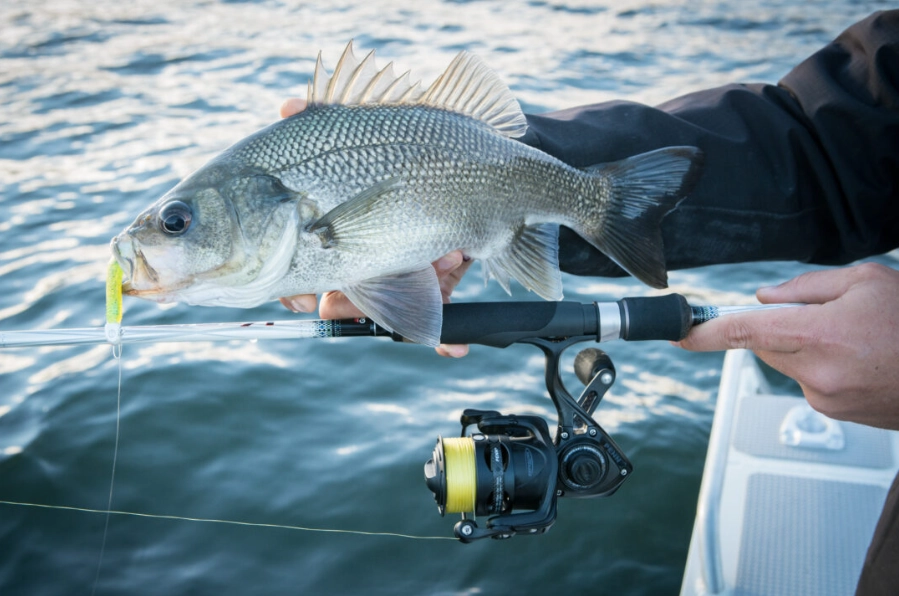
Reader Comments