I watched a guy at the lake last weekend. He had a shiny new combo, probably a gift. He'd cast, wait, then jerk his rod tip violently every 30 seconds. He caught nothing. The problem wasn't his lure. It was his rod. It was a broomstick—no give, no feel. He couldn't sense the bluegill tapping his worm, so he kept snatching it away. That rod was working against him.
Choosing a freshwater fishing rod is the most critical gear decision you'll make. It's your direct link to the fish. Get it wrong, and you'll miss bites, lose fish, and tire yourself out. Get it right, and you feel everything.
- Rod Anatomy 101: Length, Power, Action, Material
- Matching Your Rod to Your Target Fish
- Expert Tips & Common Mistakes to Avoid
- Your Top Rod Questions Answered
Rod Anatomy 101: It's Not Rocket Science, But Close
Forget marketing terms. A rod is defined by four things: length, power, action, and material. Mess this up, and you're back to jerking a broomstick.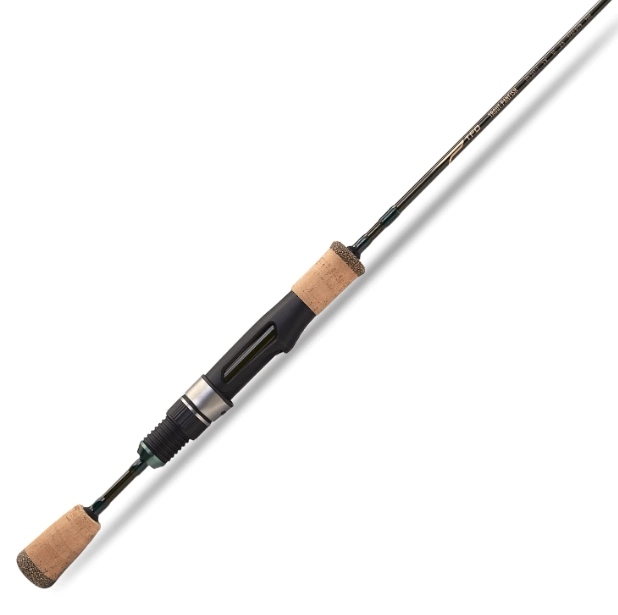
Length: The Reach Factor
Longer isn't always better. A long rod (7'6" to 9") gives you longer casts and more leverage for hook sets, great for open water bass fishing or surfacing techniques. But try using a 9-foot rod on a brushy creek bank. You'll spend more time untangling from trees than fishing.
Shorter rods (5'6" to 6'6") give you pinpoint accuracy and are easier to handle in tight spaces. Think kayak fishing, small streams, or heavy cover.
Power & Action: The Feel and The Muscle
This is where most people glaze over. Power is the rod's backbone, its lifting strength. Think Light, Medium, Heavy.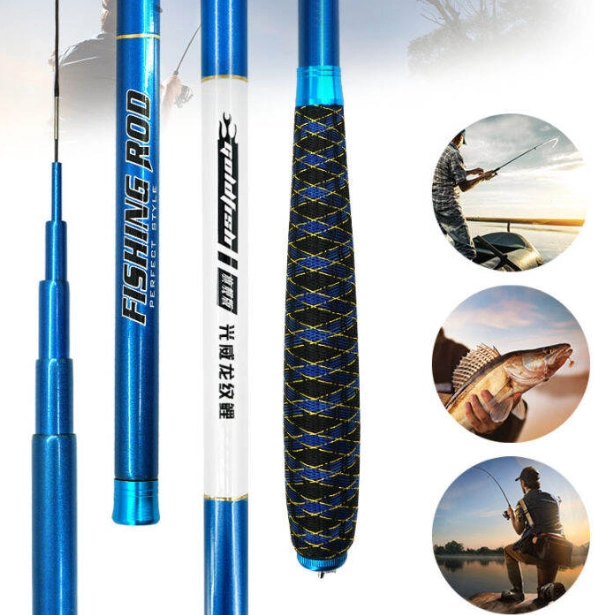
Action is where the rod bends. Fast action bends mostly in the top third. Slow action bends down into the handle.
They work together. A Medium-Heavy/Fast rod has strong backbone (MH) but a quick, sensitive tip (Fast). It's the classic bass jig rod—power to pull them from cover, sensitivity to feel the bite.
| Rod Length | Best For | Where It Falls Short |
|---|---|---|
| Under 6'6" | Kayak fishing, small streams, ice fishing (longer versions), kids, heavy cover accuracy. | Long-distance casting, sweeping hook sets in open water. |
| 6'6" to 7'2" | All-purpose bass fishing, trout rivers, bank fishing. High versatility. | Extreme long-distance casting (e.g., surf). |
| 7'3" to 8'6"+ | Open water bass (crankbaits, swimbaits), steelhead/salmon, surf fishing, better line control. | Tight spaces, quick, precise presentations. |
Material: Graphite, Fiberglass, or a Mix?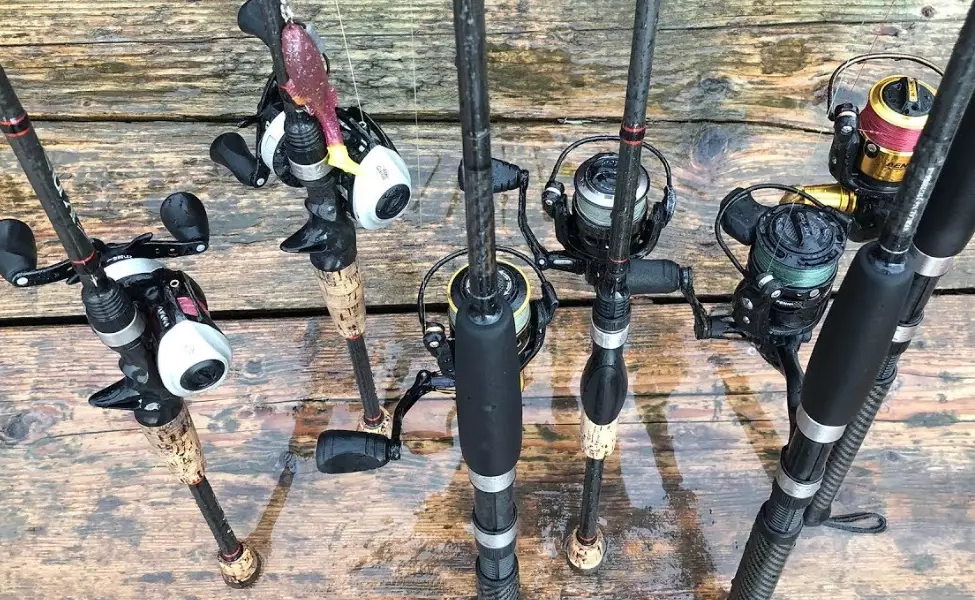
Graphite (or carbon) is light and sensitive. You feel every pebble, every tentative nibble. Higher "modulus" means stiffer and more sensitive, but also more brittle. Ever see a high-end rod snap on a cast? That's graphite.
Fiberglass is durable, flexible, and forgiving. It loads up beautifully for launching crankbaits and is tough as nails. But it's heavier and less sensitive.
Composite rods blend both. You get some sensitivity from graphite and durability/flex from fiberglass. For many anglers, especially beginners, a good composite is the real sweet spot—forgiving and durable.
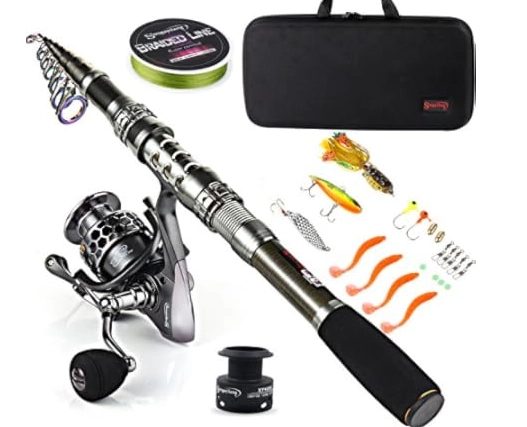
Matching Your Rod to Your Target Fish (and How You Fish)
Let's get specific. You're not fishing for "fish." You're fishing for bass in a weedy lake, or trout in a river, or catfish from a dock.
Largemouth & Smallmouth Bass (All-Around): Start with a 7-foot, Medium-Heavy power, Fast action rod. This will handle a huge range of techniques from Texas-rigged worms to spinnerbaits. Pair it with a 2500-3000 size spinning reel or a 6.3:1 baitcaster. If you're strictly throwing lightweight finesse worms or drop shots, go Medium power, Fast action.
Trout & Panfish (Bluegill, Crappie): Ultra-light or Light power is key. You need that flex to cast tiny lures and protect light line. A 5'6" to 7' Light/Fast or even Moderate-Fast action spinning rod is perfect. The length depends on your water—shorter for creeks, longer for lakes. The American Fishing Tackle Manufacturers Association notes the popularity of light-tackle fishing, which aligns perfectly with this approach.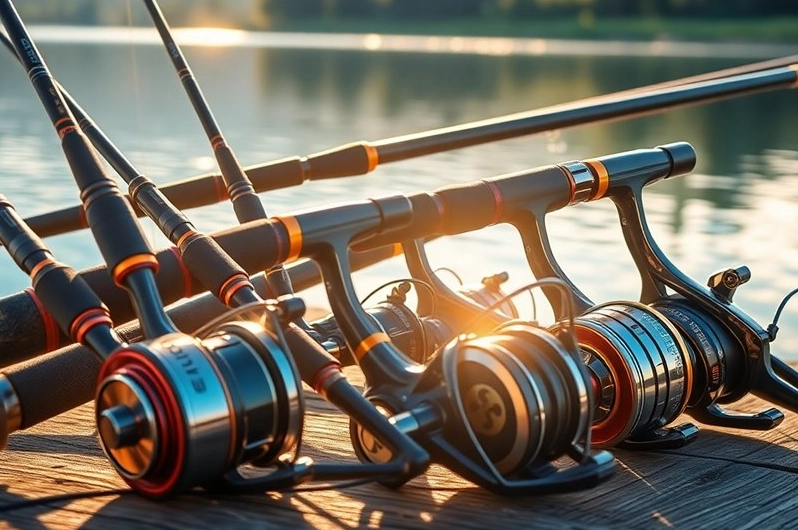
Walleye & Pike: Often a Medium or Medium-Light power, Fast action for jigging or rigging. If you're tossing bigger pike lures, step up to a Medium-Heavy, Moderate action to handle the treble hooks without ripping them out.
Catfish & Carp: Here, power is king. A 7' to 9' Heavy or Medium-Heavy power, Moderate or Slow action rod. You need the backbone to lift a heavy fish, and the slower action helps absorb powerful runs without pulling the hook. Fiberglass or composite shines here for its durability.
See the pattern? Technique dictates the tool.
Expert Tips & The Mistakes I Made So You Don't Have To
I've broken rods, lost fish, and been frustrated by gear that didn't match. Here's the stuff you won't always find on the spec sheet.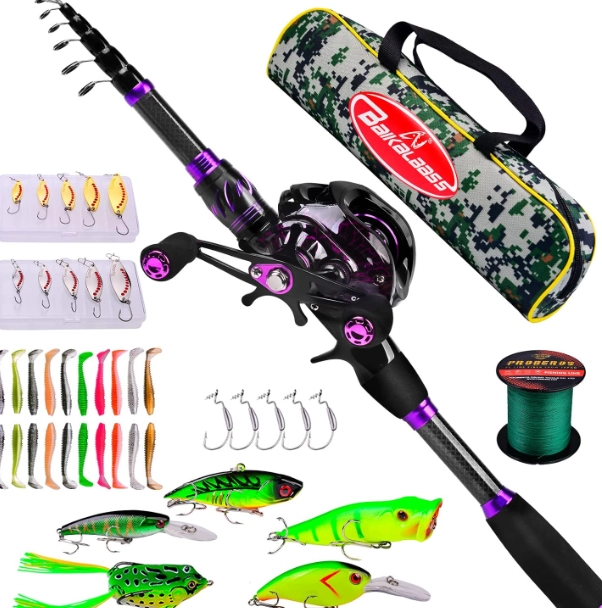
Balance is Everything. A tip-heavy rod will fatigue your wrist in an hour. After you choose your reel, mount it on the rod. Balance the rod on your index finger. The balance point should be at or just in front of the reel seat. If the tip dives, the rod is too tip-heavy for that reel. A slightly heavier reel can make a cheap rod feel premium.
Handle Comfort > Looks. You'll be holding this for hours. Cork is classic, grippy, and light. EVA foam is durable, cheaper, and stays grippy when wet. I prefer split-grip handles on baitcasters for weight savings, but full-grip on spinning rods for better control during two-handed casts. Hold it in a store if you can.
Guides Matter. Look for guides with smooth, hard rings. Aluminum oxide is a good, affordable standard. Higher-end rods use silicon carbide (SIC) or titanium for less friction and better durability. Check that the guide frames are aligned and the wrappings are neat—a sign of quality control.
The One-Rod Quiver? It doesn't exist. If you must have only one freshwater fishing rod, make it a 6'6" to 7' Medium power, Fast action spinning rod. It can do a little of everything decently. But as soon as you specialize your fishing, you'll want a specialized rod. That's just how it goes.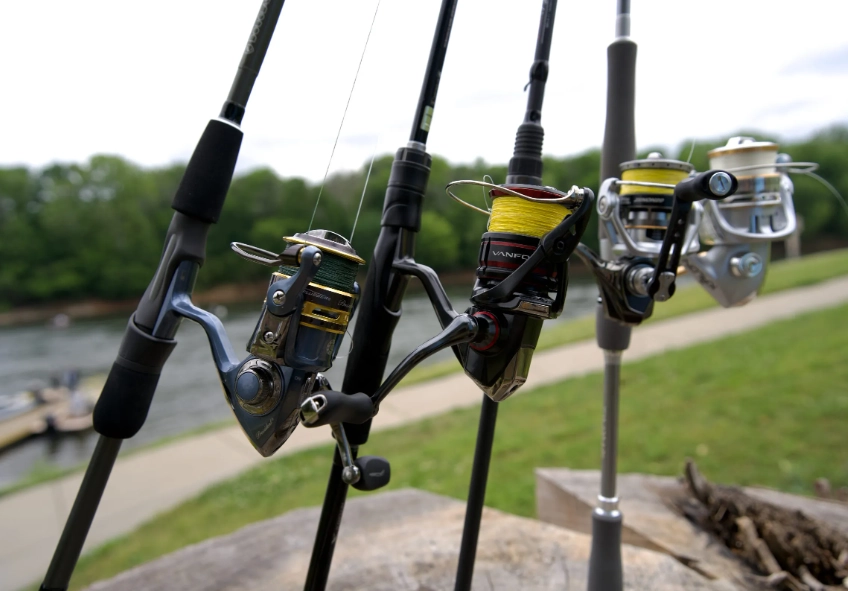
Your Top Rod Questions Answered
The right freshwater fishing rod transforms fishing from a guessing game into a conversation. You feel the bottom, the weed, the tentative tap of a fish. You stop working against your gear and start working with it. Skip the fancy lures at first. Invest in the rod that fits your hand and your water. That connection is what you're really buying.
Reader Comments