Here’s What We’ll Cover
Picking the right freshwater fishing lure isn't just about luck—it's a skill that separates casual anglers from those who consistently bring home fish. I've spent over a decade on lakes, rivers, and ponds, and I've seen too many people waste money on lures that don't work for their situation. In this guide, I'll cut through the noise and give you practical advice that actually helps you catch more fish. We'll start with the basics, dive into selection strategies, and share some insider tips you won't find in most articles.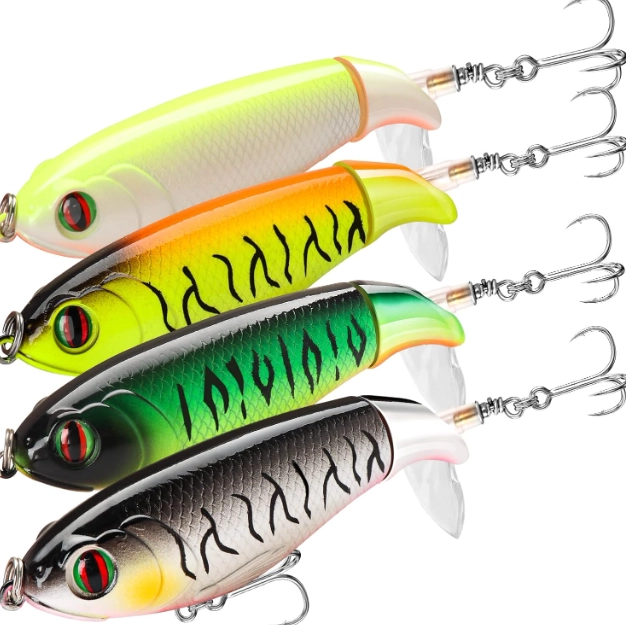
Types of Freshwater Fishing Lures
Freshwater lures come in all shapes and sizes, but they generally fall into a few key categories. Understanding these is the first step to making smart choices.
Hard Baits: The Noisy Attractors
Hard baits are typically made of plastic or wood and include crankbaits, jerkbaits, and topwater lures. They're great for covering water quickly and triggering aggressive strikes. Crankbaits, for example, dive to specific depths and have a wobbling action that mimics baitfish. I've had days on Lake Michigan where a deep-diving crankbait was the only thing that worked for walleye. But here's a tip many miss: the bill shape matters more than the color. A square-bill crankbait deflects off cover better, reducing snags in woody areas.
Soft Plastics: The Versatile Imitators
Soft plastic lures—like worms, grubs, and creature baits—are incredibly flexible. You can rig them in multiple ways: Texas rig for weedless presentations, Carolina rig for covering bottom, or wacky rig for a subtle fall. I remember fishing a local pond for bass; everyone was using fancy hard baits, but a simple green pumpkin worm on a Texas rig out-fished them all. The key is action: a slow, natural retrieve often beats frantic jerking. Brands like Zoom and Yamamoto are reliable, but don't overspend—generic worms can work just as well.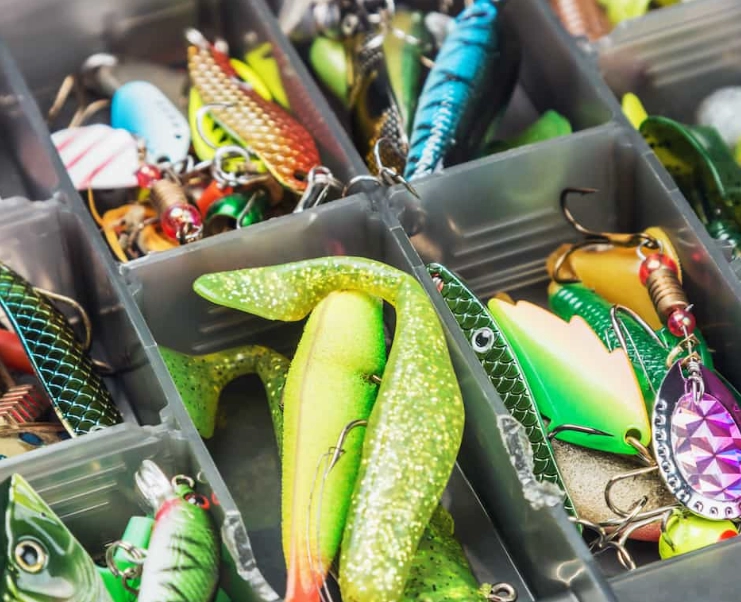
Spinners and Spoons: Flash and Vibration
Spinnerbaits and spoons rely on flash and vibration to attract fish. Spinnerbaits have metal blades that spin, creating noise and reflection, while spoons are curved metal lures that flutter. They're excellent in murky water or for species like pike and trout. A common mistake? Using too heavy a spinnerbait in clear water—it spooks fish. Go lighter with silver blades for bright days, and darker blades for overcast conditions.
Quick Comparison Table: Here’s a breakdown of common lure types and their best uses.
| Lure Type | Best For | Common Species | Pro Tip |
|---|---|---|---|
| Crankbaits | Deep water, open areas | Bass, Walleye, Pike | Match dive depth to water column; use lipless versions for grass. |
| Soft Plastic Worms | Heavy cover, slow presentations | Bass, Panfish | Try scent attractants; they can double strike rates in cold water. |
| Spinnerbaits | Murky water, windy days | Bass, Pike, Muskie | Vary retrieve speed—sometimes a slow roll works better than fast burns. |
| Topwater Lures | Dawn/dusk, surface activity | Bass, Trout | Be patient; wait for the splash before setting the hook. |
This table is a starting point. I've found that local conditions—like water temperature or forage—can shift what works best. For instance, in early spring, a slow-moving jerkbait might outperform everything else for bass, even if it's not listed as "best" for that season.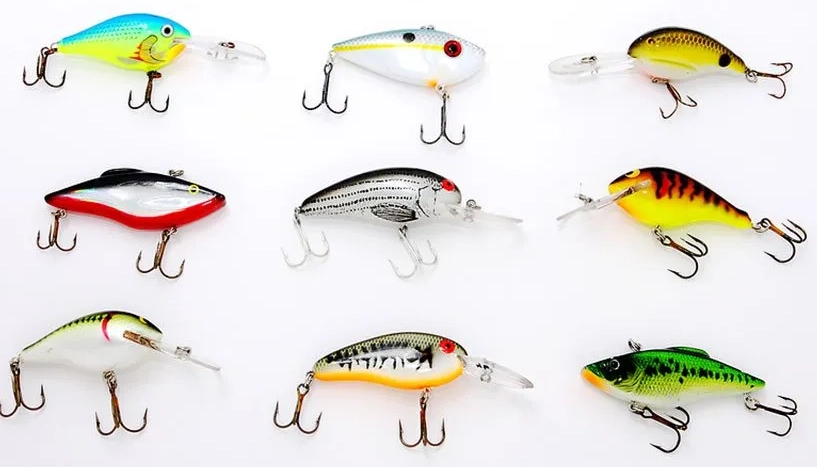
How to Choose the Right Lure for Your Situation
Selecting a lure isn't about grabbing the shiniest one from your tackle box. It's a decision based on factors like fish species, water conditions, and time of year. Let's break it down.
Matching the Hatch: Understanding Forage
Fish eat what's available. If the lake is full of shad, use lures that mimic shad in size and color. I learned this the hard way on a trip to Kentucky Lake: I was using crawfish-pattern crankbaits, but the bass were feeding on bluegill. Switching to a bluegill-colored swimbait turned the day around. Check local fishing reports or talk to bait shops—they often know what the fish are biting. Resources like the Bassmaster website can provide regional insights, but nothing beats on-the-water observation.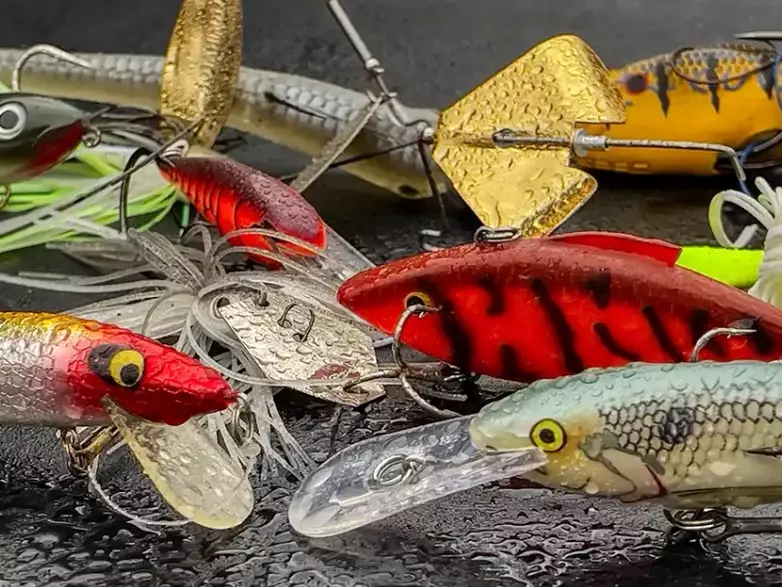
Water Conditions: Clarity, Depth, and Temperature
Water clarity dictates lure choice. In clear water, go natural colors and subtle actions. In stained or murky water, bright colors and loud lures (like chartreuse spinnerbaits or rattling crankbaits) work better. Depth is critical too: use sonar or maps to find drop-offs and structure, then pick lures that reach that depth. Temperature affects fish metabolism—in cold water, slow down your retrieve; in warm water, speed it up. A rule of thumb I use: if the water is below 60°F, soft plastics on a slow drag; above 70°F, crankbaits or topwater for aggressive fish.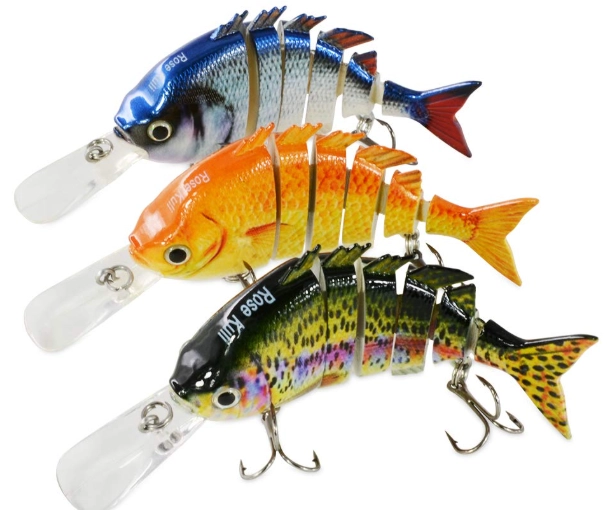
Here's a personal story: I was fishing a river for smallmouth bass, and the water was high and muddy after a rain. Everyone else was using dark jigs, but I switched to a bright orange spinner with a Colorado blade for extra vibration. Caught five bass in an hour while others got skunked. Sometimes, going against the grain pays off.
Advanced Techniques and Pro Tips
Once you've got the basics, refining your technique can make a huge difference. These are insights I've gathered from years of trial and error.
The Art of the Retrieve
How you work the lure matters more than the lure itself. A steady retrieve might work for spinnerbaits, but with jerkbaits, a "twitch-pause" rhythm often triggers strikes. I've seen anglers burn crankbaits too fast, missing fish that want a slower pace. Experiment: try a stop-and-go retrieve with soft plastics, or a erratic jerk with topwater lures. In one case, on a slow day for largemouth bass, I switched from a constant reel to pausing my worm every few feet—the bites started immediately. It's about mimicking injured prey.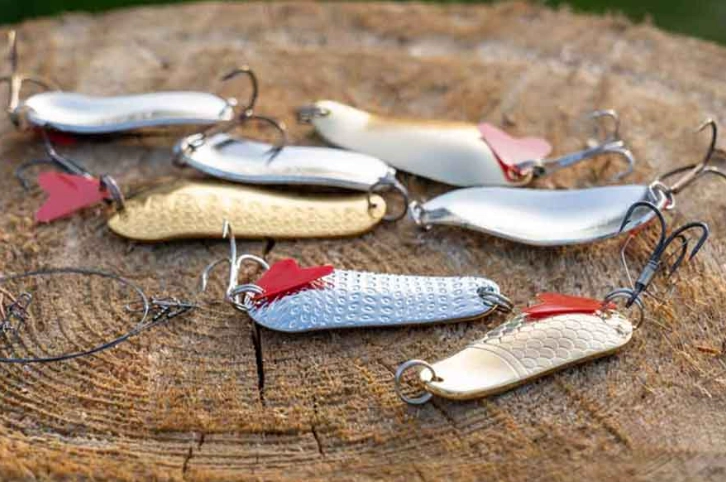
Common Mistakes and How to Avoid Them
We all make errors, but some are avoidable. A big one is sticking with one lure too long. If you're not getting bites in 15-20 minutes, change something—depth, color, or lure type. Another mistake: ignoring line choice. Braid has no stretch, good for sensitivity; fluorocarbon is invisible, great for clear water. I've lost fish because I used monofilament with a topwater lure and the stretch caused missed hooks. Also, don't overlook lure maintenance. Rusty hooks or dull blades reduce effectiveness. Clean your lures after each trip.
A non-consensus point: many experts say "match the hatch," but in pressured waters, using an unusual lure (like a bright pink worm) can stand out and catch more fish. I've had success with odd colors when nothing else worked—it's about triggering curiosity.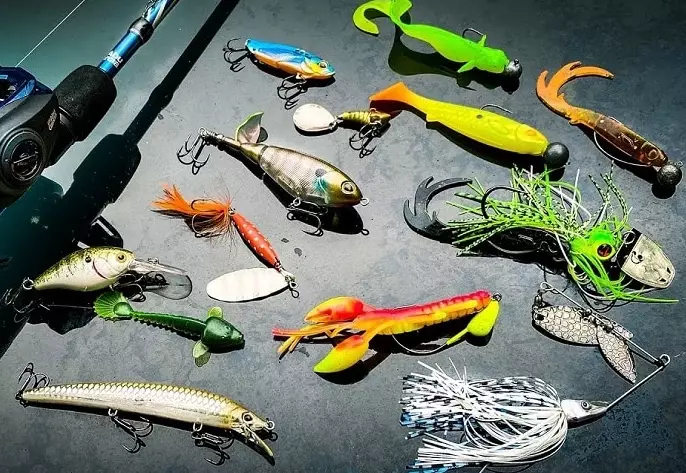
Frequently Asked Questions
Wrapping up, freshwater fishing lures are tools, and like any tool, they work best when used correctly. Start with the basics, adapt to conditions, and don't be afraid to experiment. Remember, the goal is to enjoy the process and learn from each cast. For more detailed techniques, consider checking out resources from the American Sportfishing Association, which offers guidelines on sustainable fishing practices. Tight lines!
Reader Comments