Let's cut to the chase: if you're planning to fish in lakes, rivers, or streams across the U.S., you probably need a freshwater fishing license. It's not just a formality—it's the law, and skipping it can ruin your day with fines that sting more than a hook in the thumb. I've been fishing for over a decade, and I've seen too many folks get tangled up in red tape because they assumed licenses were optional or too confusing. This guide will walk you through everything, from why licenses exist to how to buy one without the headache.
What You'll Learn in This Guide
What is a Freshwater Fishing License and Why Does It Matter?
A freshwater fishing license is a permit issued by state wildlife agencies that allows you to fish legally in public waters. Think of it as a ticket to access rivers, lakes, and streams—but it's more than that. The money from licenses funds conservation efforts, like stocking fish, protecting habitats, and running education programs. Without these funds, your favorite fishing spots might dry up, literally and figuratively.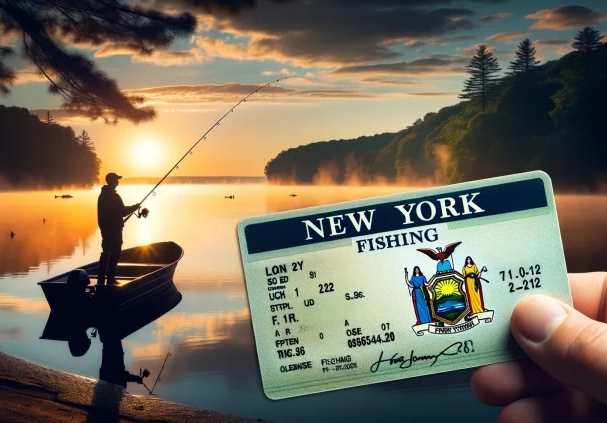
Why do you need one? Simple: it's required by law in all 50 states for most anglers. Exceptions exist for kids, seniors, or disabled individuals, but they vary. For example, in Florida, residents under 16 don't need a license, but in Michigan, everyone 17 and up does. Ignoring this can lead to fines; I once met a guy in Oregon who got slapped with a $150 ticket because he thought his out-of-state license covered him—it didn't.
The Legal Side of Things
Each state sets its own rules through agencies like the California Department of Fish and Wildlife or the Texas Parks and Wildlife Department. These bodies enforce regulations to prevent overfishing and protect ecosystems. If you're caught without a license, penalties range from warnings to hefty fines. In some cases, repeat offenders might face jail time—though that's rare, it's not worth the risk.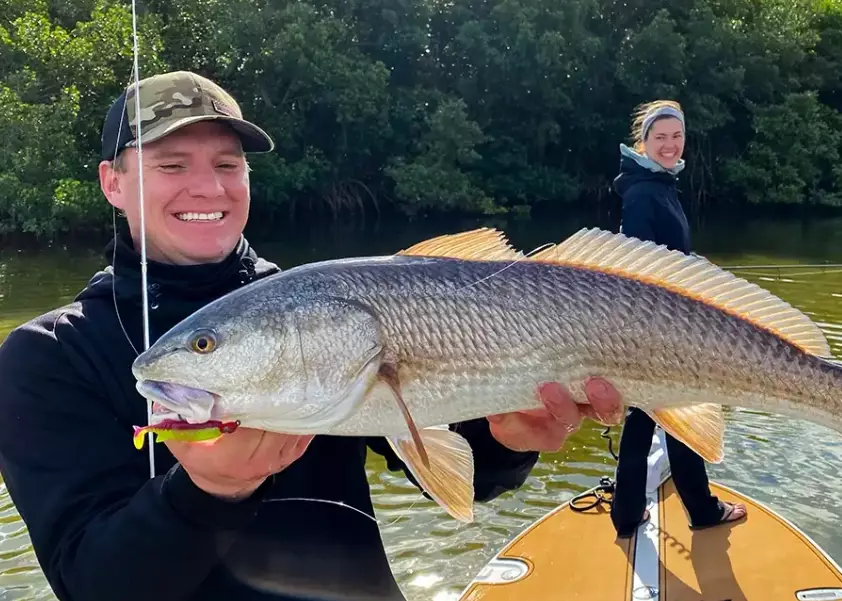
How to Get Your Freshwater Fishing License: A No-Nonsense Process
Getting a license isn't rocket science, but it can feel like it if you're new. Here's a straightforward breakdown based on my experience helping friends through it.
First, determine your residency status. Most states offer cheaper rates for residents, defined by how long you've lived there—usually six months or more. If you're moving, check the specifics; some states, like Colorado, require proof like a driver's license.
Next, choose your purchase method. You have three main options:
- Online: The easiest way. Visit your state's wildlife agency website—for instance, the Pennsylvania Fish and Boat Commission site—fill out a form, pay, and print the license. Some states, like New York, offer digital copies you can store on your phone.
- In-person: Head to authorized retailers like Walmart, bait shops, or sporting goods stores. I prefer this for beginners because staff can answer questions. In Illinois, you can buy at most Dick's Sporting Goods locations.
- By phone: Call your state's licensing hotline. It's slower but works if you're not tech-savvy.
Here's a pro tip many miss: buy early. Licenses are often valid for a year from purchase, not the calendar year. If you buy in June, it expires next June, giving you extra months of fishing.
Step-by-Step Example: Getting a License in Ohio
Let's walk through a real scenario. Say you're an Ohio resident wanting to fish in Lake Erie. Go to the Ohio Department of Natural Resources website, click "Buy a License," select "Resident Fishing License," and choose between annual ($25) or one-day ($14) options. Add any stamps (like the Lake Erie permit), pay with a card, and download the PDF. Keep a copy on your phone—wardens accept digital proofs in Ohio.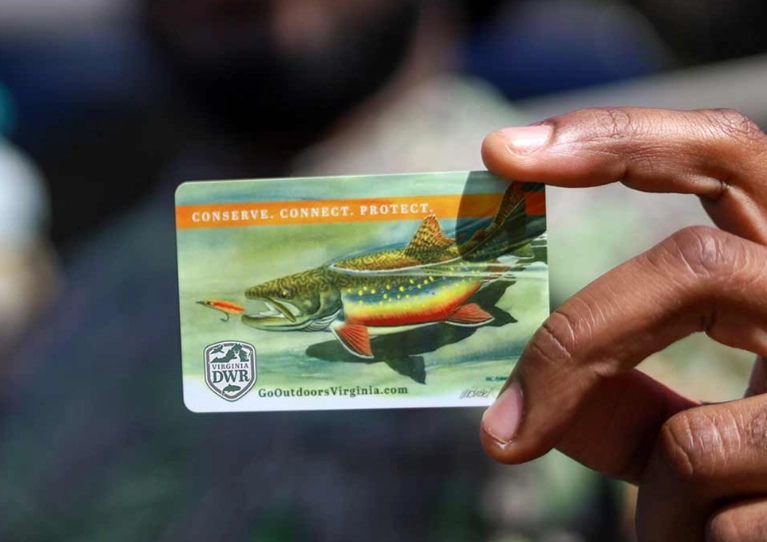
Costs and Fees: What You'll Actually Pay
License costs vary wildly by state, residency, and duration. Don't just guess; a little research saves money. Below is a table comparing average costs for a resident annual license in popular fishing states. Data is sourced from state wildlife agencies as of recent updates.
| State | Resident Annual License Cost | Notes |
|---|---|---|
| Texas | $30 | Includes freshwater and saltwater; extra stamps for trout. |
| California | $52.66 | Higher due to conservation fees; discounts for seniors. |
| Michigan | $26 | All-access license covers all waters; add-ons for salmon. |
| Florida | $17 | Separate freshwater and saltwater licenses; 5-year option available. |
| Minnesota | $25 | Family licenses cost less per person; trout stamp extra. |
Non-resident licenses are pricier. In Montana, a non-resident annual license costs $86, while residents pay $21. That's a big jump, but it funds tourism and conservation. Always factor in additional fees: trout stamps, habitat stamps, or special permits for certain waters. In Colorado, a trout stamp adds $10 to your license.
Watch out for hidden costs. Some states, like Washington, require a Discover Pass for parking at state parks, which isn't included in the fishing license. I learned this the hard way when I got a $99 parking ticket after assuming my license covered access.
Rules and Regulations You Can't Afford to Ignore
Having a license doesn't mean you can fish anywhere, anytime. Regulations exist to keep fish populations healthy, and they're often more detailed than anglers realize. Here are key areas to focus on.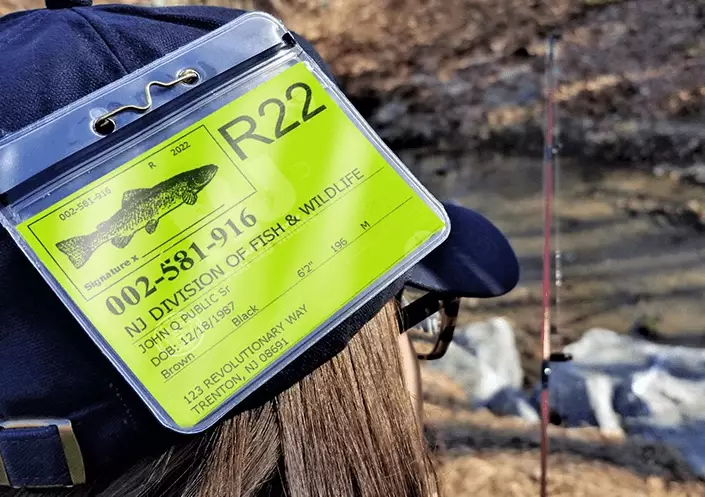
Season and Bag Limits
Most states set seasons for specific species. For example, in Wisconsin, the trout season runs from early January to late September, but check local exceptions—some streams have year-round catch-and-release. Bag limits restrict how many fish you can keep daily. In Georgia, the limit for bass is 10 per day, but for trout, it might be 5. Exceeding limits can result in fines and confiscation of gear.
Size and Method Restrictions
Size limits ensure fish reach breeding age before being harvested. In Maryland, striped bass must be at least 19 inches to keep. Method restrictions cover gear like hooks and bait; in Oregon, barbless hooks are required for salmon in some rivers. I've seen anglers get cited for using live bait where it's banned—always review the state's fishing guidebook online.
Conservation rules are tightening. Many states, like Utah, now enforce slot limits where only fish within a certain size range can be kept, protecting both juveniles and large breeders. It's a nuance beginners often overlook.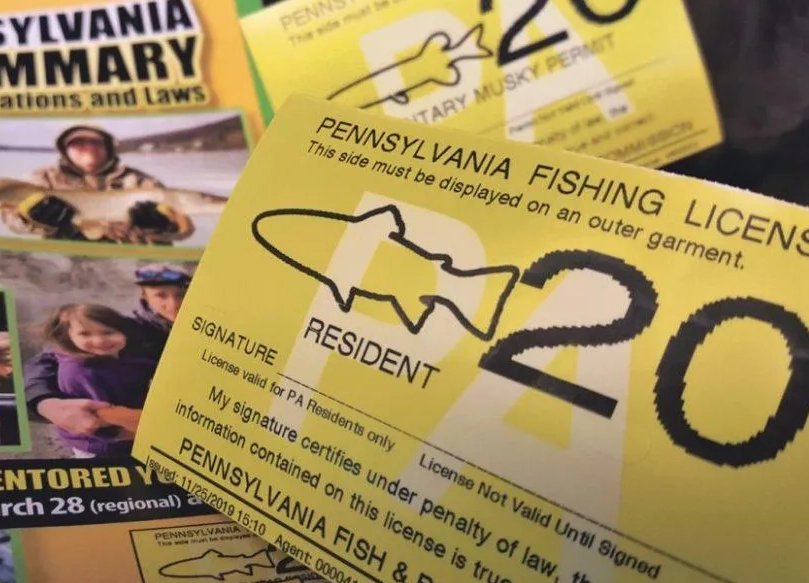
Common Mistakes and How to Avoid Them: Expert Insights
After years on the water, I've noticed patterns in errors that trip up even seasoned anglers. Here's my take on avoiding them.
Mistake 1: Assuming one license covers all waters. Freshwater licenses typically don't include saltwater fishing. If you're planning to fish both, like in Louisiana, you might need separate licenses or a combo. Check state specifics—the Louisiana Department of Wildlife and Fisheries offers a combined license for $30.
Mistake 2: Not carrying proof of license. In most states, you must have your license on you while fishing. A digital copy on your phone usually works, but in remote areas with no signal, a physical copy is safer. I laminate mine to protect it from water damage.
Mistake 3: Ignoring license expiration dates. Licenses expire annually, and renewals aren't automatic. Set a reminder a month before; states like Alaska send email alerts if you opt in, but don't rely on it. A friend in Maine lost a week of fishing because he forgot to renew.
Mistake 4: Overlooking youth and senior exemptions. Many states offer free or discounted licenses for kids and seniors, but the age thresholds vary. In Arizona, seniors 70+ get a free license, while in Nevada, it's 65+. Verify with your state's agency to avoid paying unnecessarily.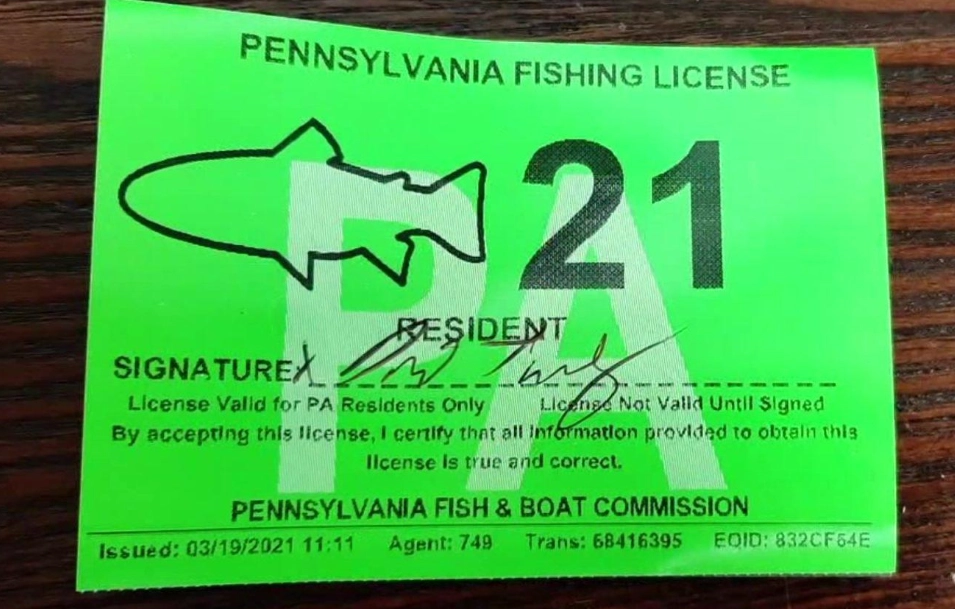
Frequently Asked Questions (FAQs)
Wrapping up, a freshwater fishing license is more than a piece of paper—it's your key to legal, responsible fishing. By understanding the costs, rules, and common pitfalls, you can focus on what matters: enjoying the water. Start by visiting your state's wildlife website today, and you'll be casting lines without worry in no time.
Reader Comments