Walk into any tackle shop or browse an online store, and the wall of freshwater fishing gear is enough to make your head spin. Rods of every length, reels with confusing ratios, a rainbow of lines, and lures that look like abstract art. I remember my first trip to buy gear. I left with a heavy fiberglass rod, a reel that sounded like a coffee grinder, and a tackle box full of lures that never caught a thing. It took me years to unlearn those mistakes.
Let's cut through the marketing. Good freshwater fishing gear isn't about having the most expensive or the most stuff. It's about having the right tools for the fish you're after and the water you're on. This guide is the one I wish I had when I started. We'll build your setup from the water up, focusing on function over flash.
What's Inside This Guide
Understanding Your Target Fish and Water
This is the step everyone skips. They buy a "bass combo" because the package says so, then try to use it for everything. Don't do that. Your gear choices flow from two questions: What are you fishing for? and Where are you fishing?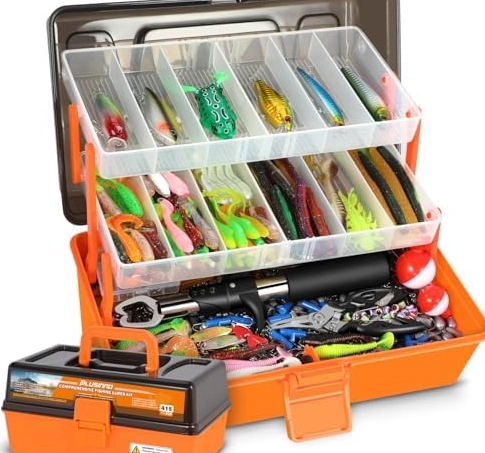
Fishing for 12-inch largemouth bass in a weedy farm pond is a completely different game than chasing 4-pound smallmouth in a rocky river, which is again worlds apart from drifting for rainbow trout in a deep, clear lake. The gear changes.
Are you bank fishing on a small creek with overhanging trees? A long 9-foot rod is a liability. Are you casting light jigs for panfish? A heavy rod won't feel the bite. Start with a specific goal. "I want to catch bass from the shore of my local lake" is a perfect starting point. It gives every gear decision a clear purpose.
The Core Components: Rod, Reel, and Line
This is your foundation. Get this trio right, and the rest is details.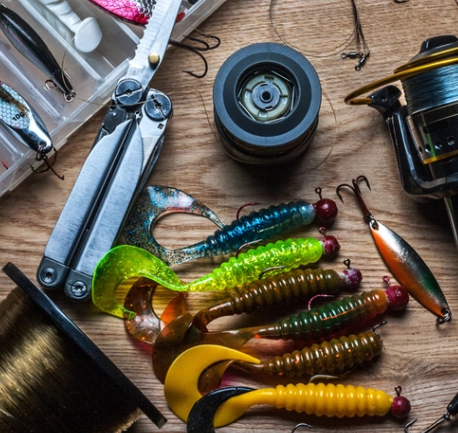
Choosing Your Fishing Rod
Rod specs look like hieroglyphics: 7'0" MH/F. Let's decode it.
- Length (7'0"): Longer rods cast farther and give you more control over hooked fish. Shorter rods are more accurate and better in tight spaces. A 6'6" to 7' rod is the sweet spot for all-around freshwater use.
- Power (MH - Medium-Heavy): This is the rod's backbone, its resistance to bending. Think of it as the rod's "weight class." Light power for panfish and trout, Medium for general bass/walleye, Medium-Heavy for heavier bass techniques, Heavy for big catfish or muskies.
- Action (F - Fast): This describes where the rod bends. Fast action means the rod bends mostly in the top third. It's sensitive and provides a quick, powerful hook set. Slow action bends down into the handle, which is great for casting light lures and fighting fish on light line, but hook sets are softer.
For a beginner's all-around rod, you can't beat a 7-foot, Medium power, Fast action spinning rod. It's the Swiss Army knife of freshwater.
Spinning Reel vs. Baitcaster: The Real Difference
The debate is endless, but the answer for newcomers is simple: start with a spinning reel.
Spinning reels hang below the rod. The spool is fixed, and line peels off controlled by a bail. They're intuitive, excel at casting light lures, and are far more forgiving. You won't spend your first afternoon picking out horrific backlashes.
Baitcasters sit on top of the rod. The spool rotates during the cast. They offer superior accuracy, power, and control for heavier lures, but they demand a practiced thumb to control the spool speed. It's a skill to learn after you've got the basics down.
For your first spinning reel, look for a size 2500 or 3000. It should feel smooth when you turn the handle. A decent reel from Shimano, Daiwa, or Pflueger in the $50-$80 range will last for years.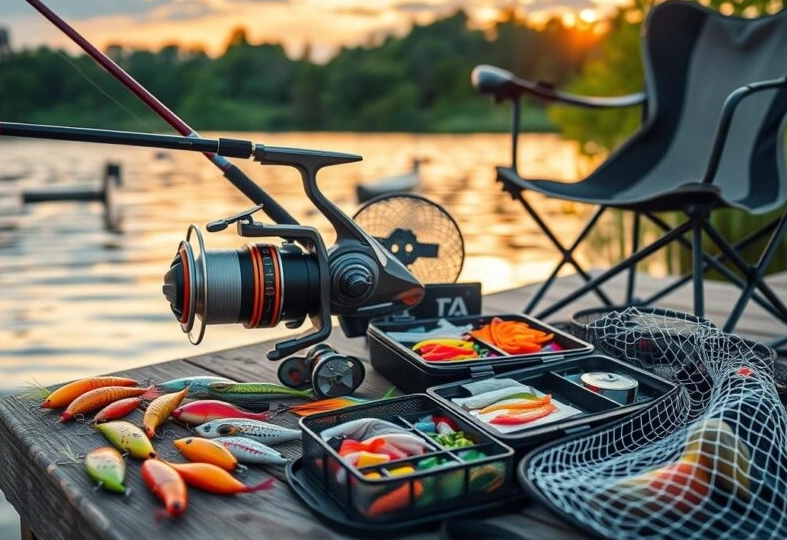
How to Choose the Right Fishing Line?
This is where most beginners fail. They use line that's too old, too heavy, or just wrong for the job. Your line is your literal connection to the fish. Treat it with respect.
| Line Type | Best For | Key Trait | Beginner Tip |
|---|---|---|---|
| Monofilament | General purpose, topwater lures, crankbaits | Stretchy, floats, inexpensive | Great to learn with, but replace it every season as it degrades. |
| Fluorocarbon | Jigs, worms, clear water situations | Nearly invisible underwater, sinks, sensitive | Use as a leader material (2-3 feet tied to main line) for spinning gear. It's stiffer and can cause tangles if spooled entirely. |
| Braided Line | Heavy cover, extreme sensitivity, casting distance | No stretch, very strong for its diameter | Use a 10-20 lb braid as your main line, and tie on a fluorocarbon leader. The lack of stretch makes hook sets instant. |
My go-to setup for 90% of my fishing? 10-15 lb braid as a main line, with a 6-12 lb fluorocarbon leader tied with a double uni knot. You get the sensitivity and strength of braid with the invisibility and abrasion resistance of fluoro.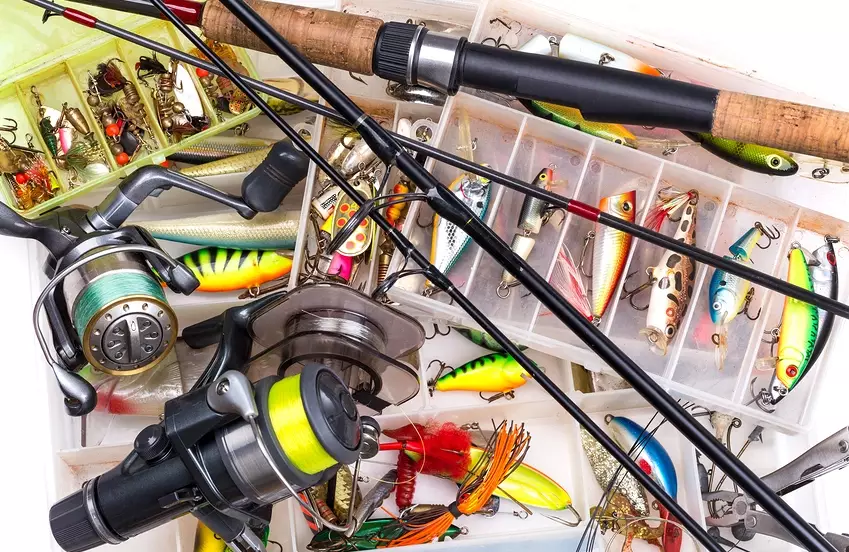
Essential Terminal Tackle and Lures
You don't need a massive tackle box. You need a small, curated selection of proven performers. Here’s a minimalist starter kit that will catch fish anywhere.
The Hardware: A small plastic box, a pair of needle-nose pliers (for hook removal), a line cutter (nail clippers work), and a handful of basics:
- Hooks: Size 2/0 EWG (Extra Wide Gap) hooks for soft plastics. Size 6 or 8 bait-holder hooks for live bait.
- Weights: Bullet weights (1/8 oz, 1/4 oz) for Texas-rigging worms. A few split shot sinkers.
- Swivels & Snaps: Barrel swivels (size 10) to prevent line twist. A few quality snap swivels for quick lure changes.
The Lures: Start with these five. Master them before buying more.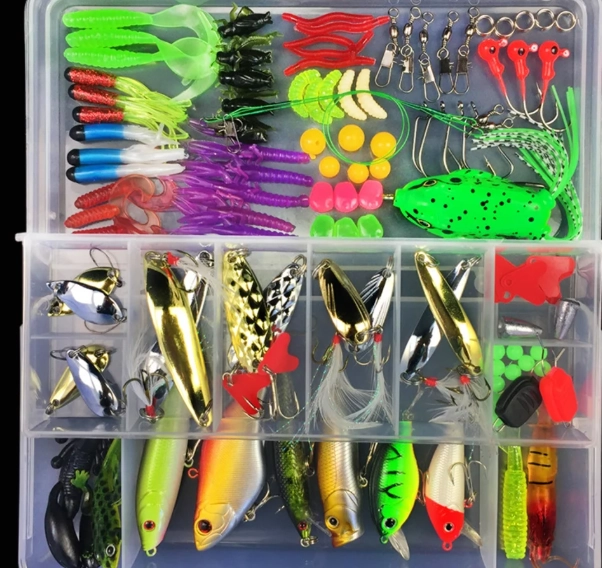
- Soft Plastic Worm (Straight Tail or Stick Bait): Rig it Texas-style (weight and hook buried) and drag it slowly along the bottom. It's a bass magnet.
- Inline Spinner (like a Mepps or Rooster Tail): Cast, reel, catch. Works for trout, bass, panfish. The universal lure.
- Jig with Soft Plastic Trailer (1/4 oz ball head jig): Versatile. Can be hopped, swam, or dragged. Great for bass, walleye, panfish.
- Lipless Crankbait: Cast it out, reel it fast enough to make it vibrate. Covers water quickly and triggers reaction strikes.
- Topwater Popper: For the most exciting bites. Twitch it on the surface at dawn or dusk. Nothing beats the explosion.
Putting It All Together: Sample Setups
Let's get specific. Here are two real-world freshwater fishing gear setups for common scenarios.
Setup #1: The All-Around Bass & Panfish Spinning Combo
This is your workhorse for ponds, lakes, and river banks.
Rod: 7'0" Medium Power, Fast Action Spinning Rod
Reel: Size 2500 or 3000 Spinning Reel
Line: 10 lb Braid to a 8 lb Fluorocarbon Leader (4-6 feet)
Tackle Box: EWG hooks, 1/8 oz bullet weights, soft plastic worms, inline spinners, a topwater popper.
Why it works: It's light enough to feel a bluegill bite but has the backbone to set the hook on a bass in weeds. The braid-to-fluoro leader gives you the best of both worlds.
Setup #2: The Finesse Trout & Panfish Stream Setup
For small creeks and clear, flowing water.
Rod: 5'6" to 6'0" Light or Ultralight Power, Fast Action Spinning Rod
Reel: Size 1000 Spinning Reel
Line: 4 lb Monofilament or 2-6 lb Fluorocarbon (directly spooled)
Tackle Box: Small inline spinners (size 0-2), tiny jigs (1/32 oz), split shot, and bait hooks for worms.
Why it works: The light rod loads easily with tiny lures, provides incredible sensitivity, and makes even a small fish feel like a trophy. The light line is nearly invisible in clear water.
Gear Care That Actually Matters
You don't need to baby your gear, but a few habits extend its life dramatically.
After every trip, rinse your rod and reel with fresh water, especially if you've been in brackish or muddy water. Dry the rod with a towel. Every few trips, put a single drop of reel oil on the bail arm hinge and where the handle meets the reel body. That's it for the reel. Don't take it apart.
Check your line. Run your fingers down the first 10 feet. If you feel nicks, roughness, or memory coils, cut it off and retie. Old, brittle line loses you fish. I respool my reels with fresh monofilament at the start of each season. Braid lasts much longer.
Store rods vertically or horizontally in a rack, not leaning in a corner. That bend becomes permanent.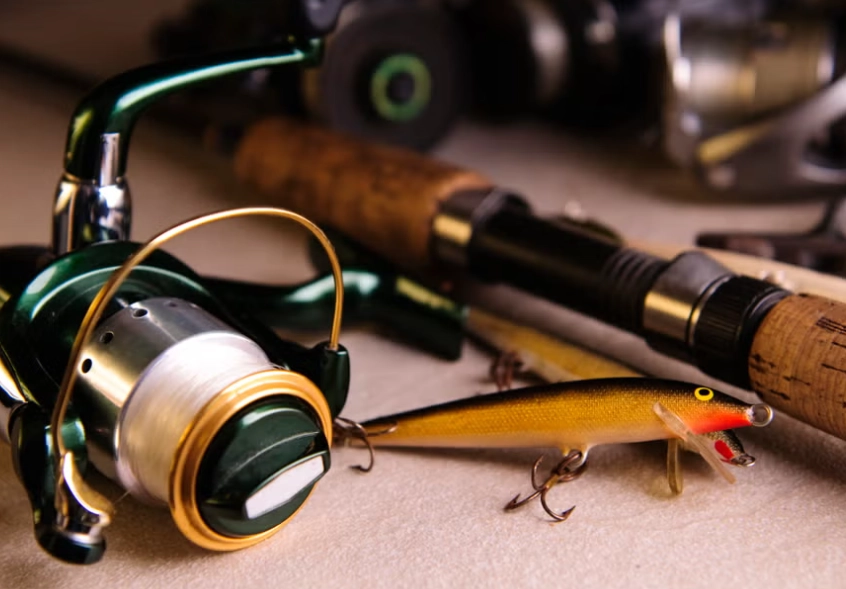
Your Freshwater Fishing Gear Questions Answered
The right freshwater fishing gear shouldn't be a mystery or a bank-breaking investment. It's about smart, purposeful choices. Start with a clear goal, build a simple but effective core setup around a good rod, reel, and line, and then go get your line wet. The fish don't care how much your gear cost. They care about how it's presented. Now you know how to present it with the right tools.
For more detailed information on specific fish species and habitats, resources like the U.S. Fish and Wildlife Service's fisheries program pages can provide valuable ecological context.
Reader Comments