You've got your auger, your sled, your rods, and a head full of anticipation for a day on the ice. The landscape is quiet, the fish are (hopefully) biting below. It's easy to get caught up in the excitement. But here's the thing I've learned after countless winters on frozen lakes: ice fishing isn't just about catching fish. It's a test of preparation and respect for a harsh environment. The line between a great story and a tragic headline is often crossed by ignoring a few simple, critical rules.
Let's cut straight to the chase. This isn't another generic list telling you to dress warm. We're going deep on the specific, often unspoken mistakes that experienced anglers see newcomers make year after year. Mistakes that ruin trips, destroy gear, and worse, put lives at risk.
What's Inside This Guide?
- Never Go Out Alone: The Buddy System is Non-Negotiable
- Don't Guess the Ice Thickness
- Don't Ignore Ice Color and Texture
- Don't Forget Your Personal Escape Plan
- Don't Neglect Your Footwear
- Don't Seal Your Shelter Like a Tomb
- Don't Ignore the Weather Forecast (Yes, Really)
- Don't Overcomplicate Your Gear on the First Trip
- Don't Trash the Ice
- Don't Ignore That Gut Feeling
Never Go Out Alone: The Buddy System is Non-Negotiable
This is rule number one for a reason. I don't care how experienced you are. Going ice fishing alone is an unnecessary and profound risk.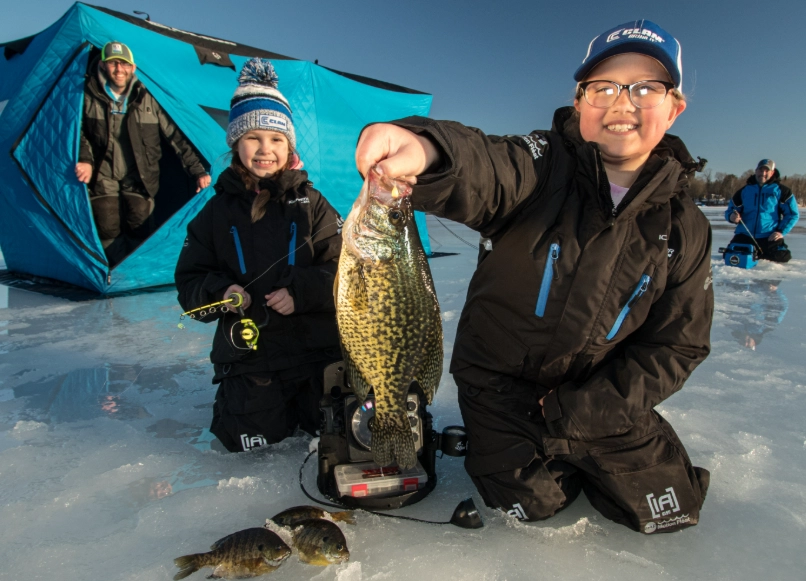
Think about the mechanics of falling through the ice. It's shockingly fast. The cold water instantly saps your strength and breath. If you're alone, who's going to call for help? Who's going to throw you a rope or extend a ladder? Self-rescue is brutally difficult, even for strong swimmers in full gear.
A buddy isn't just there for a catastrophic break-through. They're there if you slip and break an ankle far from shore. They're there if your snowmobile won't start as a blizzard rolls in. They're there to share a thermos of coffee and say, "Hey, the ice looks weird over there, let's go around."
Tell someone on shore your plan, too. Which bay are you targeting? When do you expect to be back? It's a simple step that search and rescue teams beg people to take.
Don't Guess the Ice Thickness
You've heard the rule: 4 inches for walking, 8-12 for a vehicle. Stop right there. Relying on a single number you heard once is a recipe for disaster.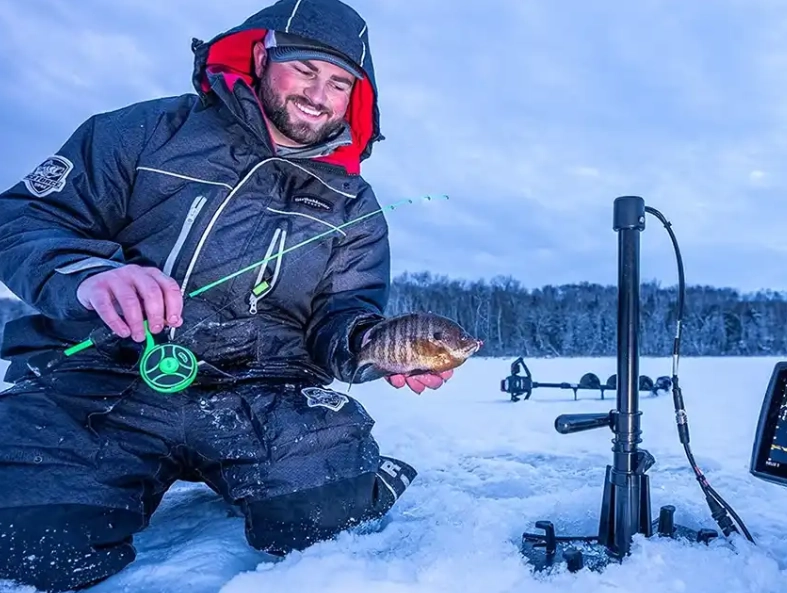
Ice is not uniform. It's a living, shifting platform. It can be 8 inches thick where you drilled your first hole and 2 inches thick 30 feet away near a spring, a current, or old vegetation.
You need to test, and you need to test as you go. Use a spud bar (ice chisel) or your auger. Drill or chop test holes every 50 paces. Don't just go straight out to your spot—take a slightly zig-zag path to sample different areas.
Don't Ignore Ice Color and Texture
Thickness is half the story. The type of ice matters just as much.
- Clear Blue or Black Ice: This is the good stuff. Dense, solid, and strong. This is the ice you measure for those "4-inch" rules.
- White or "Snow Ice": This forms when slush or wet snow freezes on top. It's porous, weak, and has only about half the strength of clear ice. Six inches of white ice is not the same as six inches of clear ice.
- Gray Ice: Danger. This usually indicates the presence of water within the ice or that it's melting from within. Stay off gray ice.
I once saw a group drive an ATV onto a lake covered in a foot of snow. Underneath was all white, honeycombed ice. They made it, but they were lucky. They couldn't see what they were driving on.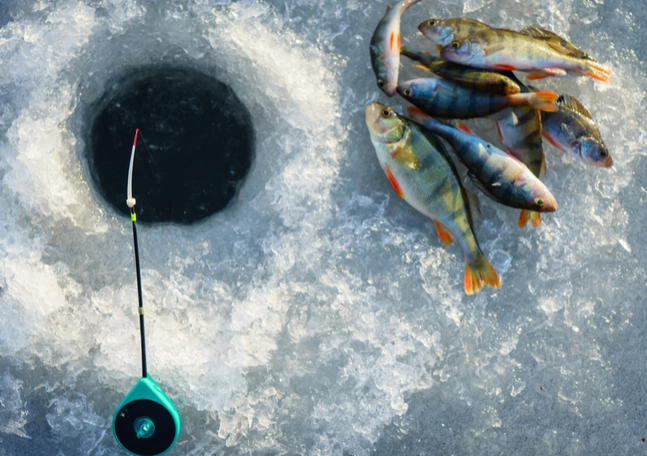
Don't Forget Your Personal Escape Plan
Everyone talks about wearing a life jacket (a flotation suit is even better). That's great—it'll keep your head above water. But how do you get out?
This is where most people are utterly unprepared. When you fall in, your clothes fill with water, adding maybe 50 pounds of weight. The ice edge is slippery. Kicking only breaks more ice. You need leverage.
Ice picks (ice claws). Not in your pocket. Not in your sled. Around your neck or securely clipped to the shoulders of your coat. They have sheaths so the spikes don't stab you. If you go in, you drive the picks into the solid ice behind the broken edge and kick your feet like you're climbing a ladder. It's the single most effective self-rescue tool, and it costs less than a good fishing lure.
Practice the motion on dry land. Make it muscle memory.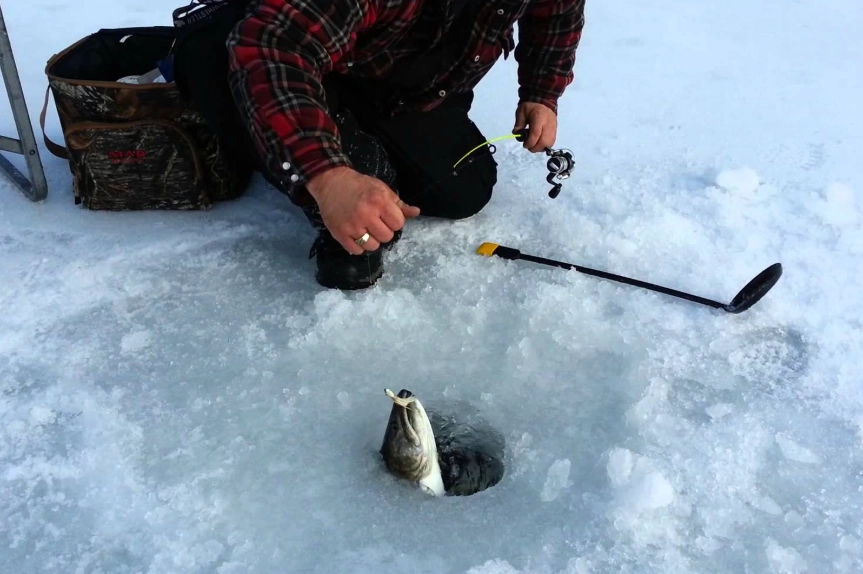
Don't Neglect Your Footwear
Cold feet end trips faster than a skunked hole. But the mistake isn't just wearing thin boots. It's wearing boots with terrible traction.
Ice is slippery. Add a dusting of snow, and it's a hazard. A twisted knee or a hard fall on ice can cause serious injury miles from your vehicle. I'm a huge advocate for removable ice cleats or studded winter boots. The cheap coil-style cleats you slip over your boots are a game-changer for stability and confidence.
Also, waterproof is non-negotiable. Slush puddles are common, and wet feet in sub-freezing temps lead directly to frostbite.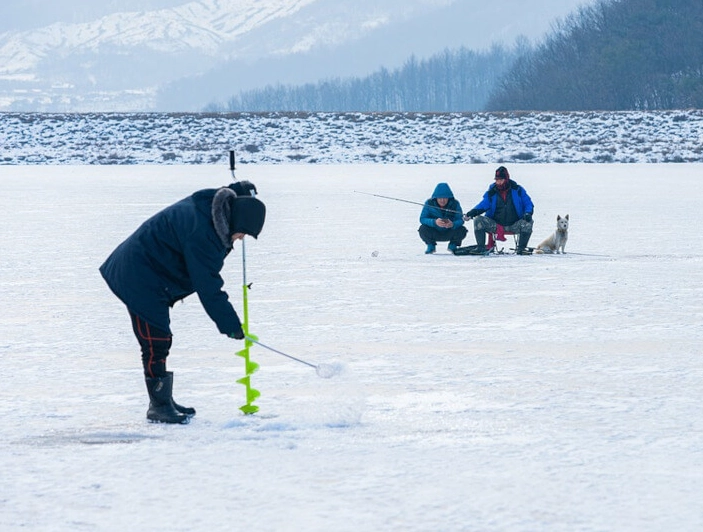
Don't Seal Your Shelter Like a Tomb
It's -10°F outside, the wind is howling, and you've got a cozy pop-up shelter. The instinct is to zip every flap, seal every vent, and fire up the propane heater. This creates a silent killer: carbon monoxide (CO).
CO is odorless, colorless, and builds up fast in an airtight space. Headache, dizziness, nausea, and then unconsciousness. It happens every season.
Don't Ignore the Weather Forecast (Yes, Really)
Checking for snow or temperature is obvious. But you need to look deeper.
Wind: High winds not only make it miserable, they can actually push entire sheets of ice away from the shore, creating a dangerous gap of open water between you and land. This happens on large lakes more often than people think.
Rapid Warming: A forecast calling for a sudden spike above freezing, especially with rain or strong sun, can rapidly deteriorate ice conditions. What was safe in the morning might be treacherous by afternoon. Have an exit strategy and be willing to leave early.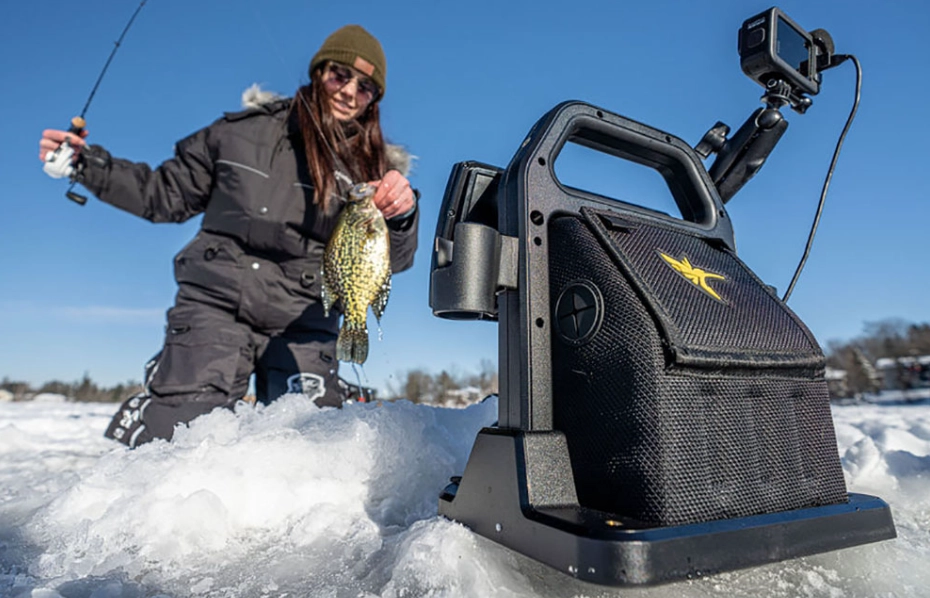
Don't Overcomplicate Your Gear on the First Trip
New ice anglers see videos of guys with elaborate shelters, underwater cameras, and a dozen rods. They try to replicate it all at once and end up frustrated, exhausted, and tangled.
Your first few trips should be about simplicity and safety. Pack light. A hand auger or small gas auger, a rod or two, a bucket to sit on, your safety gear, and a small tackle box. Master the basics: drilling a hole, setting up a simple tip-up or jigging rod, staying warm.
Dragging a 100-pound sled half a mile through snow because you packed everything you own is a surefire way to hate ice fishing. Build up your kit as you learn what you actually need.
Don't Trash the Ice
This is about ethics and practicality. The ice is your temporary community square.
- Don't leave your holes wide open when you leave. Mark them with a pile of slush or a branch. An open hole is a hazard for snowmobilers, pets, and wildlife for days.
- Don't dump bait, fish guts, or trash on the ice. It'll be there until spring thaw, polluting the lake and creating a mess for everyone. Pack it out.
- Don't blast music that carries across the lake. The peace and quiet is a big part of the appeal for many.
Don't Ignore That Gut Feeling
Finally, trust your instincts. If something feels off—the ice sounds different, looks different, your buddy is uneasy—listen to that feeling.
I've turned around and headed back to shore more than once. Not because I had definitive proof the ice was bad, but because the conditions had changed enough to make me uncomfortable. The fish will always be there another day. There's no trophy, no limit, worth gambling your safety for.
Ice fishing is an incredible winter tradition. It's about solitude, challenge, and fresh fish dinners. By focusing on what not to do, you free yourself to fully enjoy everything it has to offer, safely and responsibly. Now get out there—with a buddy—and drill some holes.
Quick Answers to Common Ice Fishing Safety Questions
How can I tell if ice is safe for ice fishing?
What is the single most important piece of safety gear for ice fishing?
Is it safe to use a propane heater inside an ice fishing shelter?
Can I drive my truck onto the ice to reach my fishing spot?
Reader Comments