What You'll Find in This Deep Dive
Ask someone why they ice fish, and you might get a shrug. "It's something to do in winter." But drill a little deeper—pun intended—and you'll find layers of meaning that have nothing to do with filling a cooler. I've spent over a decade on frozen lakes from Ontario to North Dakota, and I can tell you the point is rarely the fish. It's about what happens when you strip away everything else and sit with the cold, the quiet, and yourself.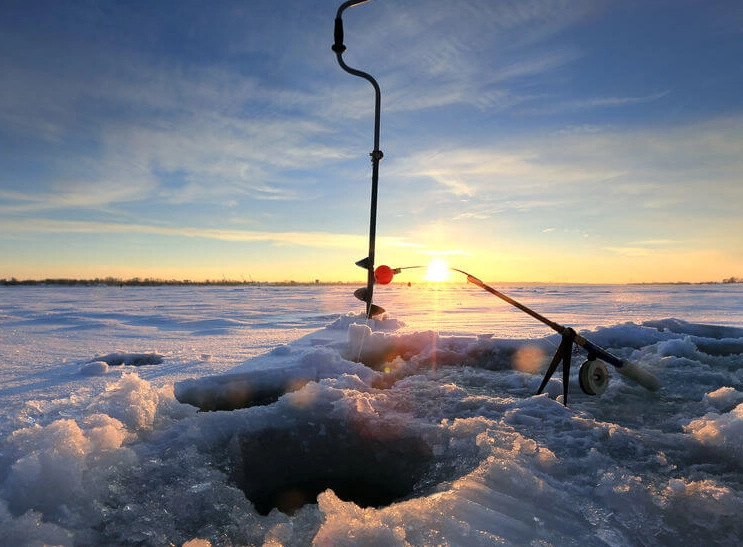
The Unmatched Solitude and Mental Reset
Modern life is a barrage of screens and schedules. Ice fishing forcibly removes you from that. There's no email check, no social media scroll—just you, your thoughts, and a vast expanse of white. This isn't passive relaxation; it's active decompression.
Forced Digital Detox
Your phone dies out there. I learned this the hard way on a solo trip to Lake of the Woods. After the initial panic faded, a different kind of focus emerged. You notice the subtle gradations of blue in the ice, the way snow collects in the hole's rim. Time stretches and contracts in a way that feels human again.
The Meditation of Waiting
Newcomers often fight the boredom. Veterans lean into it. The repetitive action of jigging a lure becomes a rhythm, a mantra. A quiet mind isn't empty; it starts solving problems you didn't know you had. Research highlighted by the American Psychological Association points to nature-based activities reducing rumination, and sitting on a frozen lake is about as nature-based as it gets.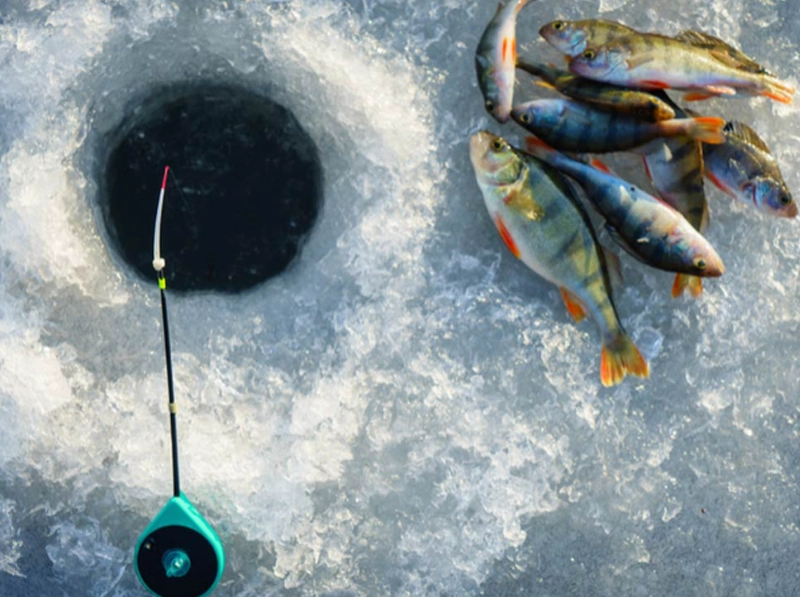
A Raw Connection to Nature and Heritage
Ice fishing is one of the few activities that places you directly inside a winter ecosystem, not just as an observer but as a participant. It's a thread connecting to centuries of human survival.
Walking in Ancestral Footsteps
In regions like the Great Lakes, ice fishing isn't a modern pastime. Indigenous communities like the Ojibwe have practiced it for generations as a sustainable food source. When you use a hand auger instead of a gas-powered one, you're touching that history. It grounds the activity in something larger than recreation.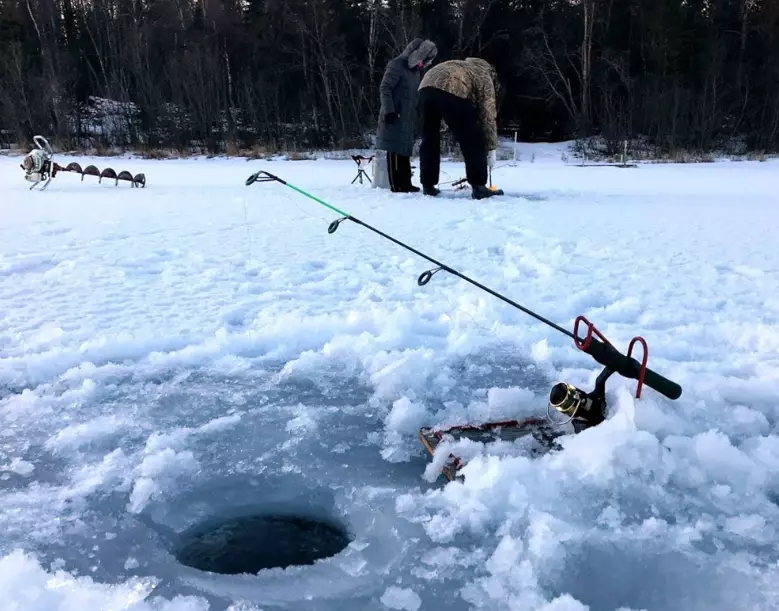
Witnessing Winter's Secrets
You see things others miss. A mink darting between pressure ridges. The haunting groan and crack of the ice sheet expanding. These moments foster a respect for the season that goes beyond complaining about the cold. Agencies like the U.S. Fish and Wildlife Service often collaborate with ice anglers for citizen science, tracking fish populations and ice conditions.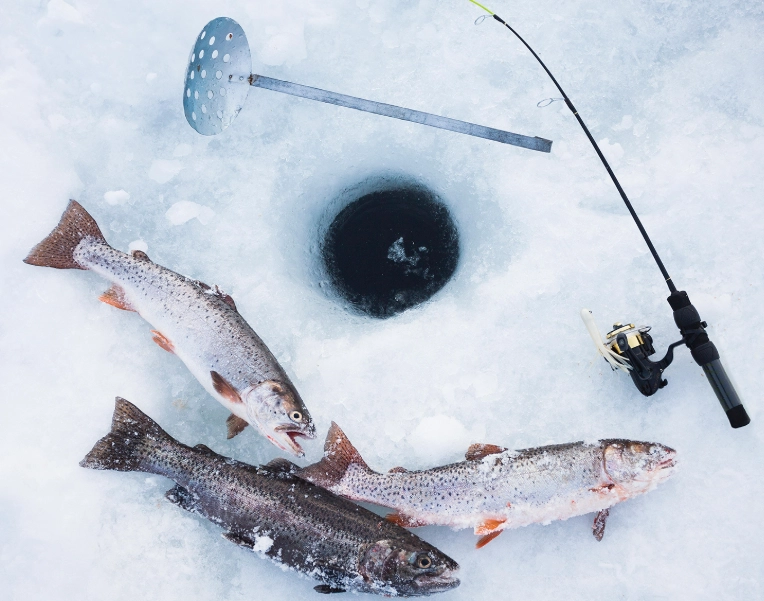
Practical Rewards: Food, Fitness, and Skill
Let's not romanticize it entirely. There are tangible payoffs, and they matter.
Hyper-Local, Sustainable Food
There's a profound satisfaction in eating a meal you caught through the ice. A few yellow perch or walleye fillets represent food with zero food miles, harvested responsibly. The key is knowledge. For example, targeting abundant panfish like bluegill instead of pressured predator species helps maintain balance. Always consult your local Department of Natural Resources regulations—they're the authority on sustainable limits.
A Full-Body Winter Workout
Forget the gym. Hauling a sled loaded with gear across snow, drilling multiple holes with a hand auger, and constantly adjusting to the wind—it's functional fitness. You're burning calories just to stay warm, engaging muscles you forgot you had.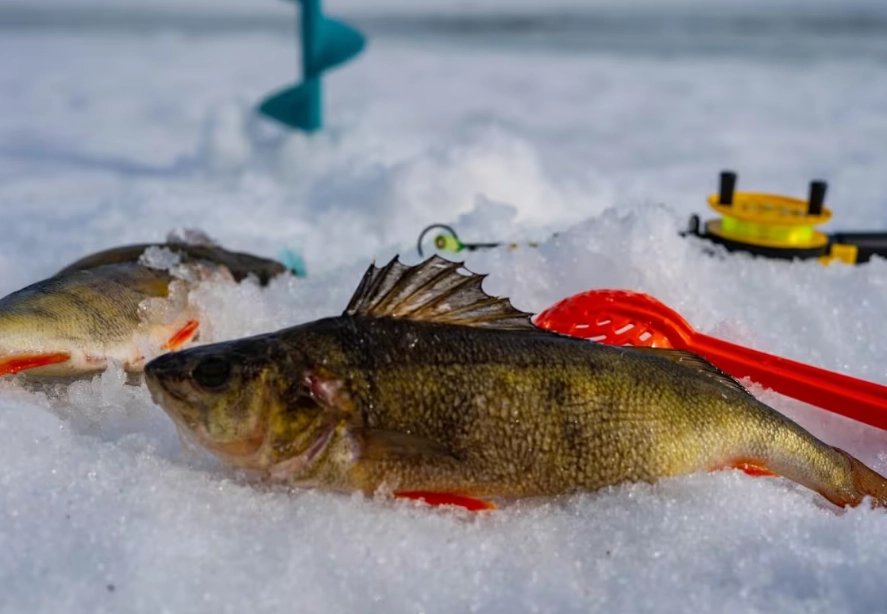
Mastering a Technical Craft
It's not just dropping a line. Reading a flasher to distinguish a fish from debris, knowing how light affects bite rates, learning to tie frost-resistant knots—these skills provide a slow, satisfying learning curve. The point becomes the gradual mastery itself.
The Unexpected Social Fabric on Ice
Paradoxically, this solitary pursuit breeds unique camaraderie. The shared experience of the elements creates instant bonds.
The Ice Shanty Village
Places like Saginaw Bay or Mille Lacs see temporary communities spring up. Shanties range from rustic plywood boxes to elaborate insulated cabins. People share heaters, stories, and warnings about thin ice. It's a frontier-like social scene where generosity is the currency.
Passing the Torch
Teaching a child or a friend to ice fish is where the point becomes circular. You're not just teaching them to fish; you're teaching patience, resilience, and respect for nature. The quiet conversations that happen in a fishing shelter, away from distractions, often become core memories.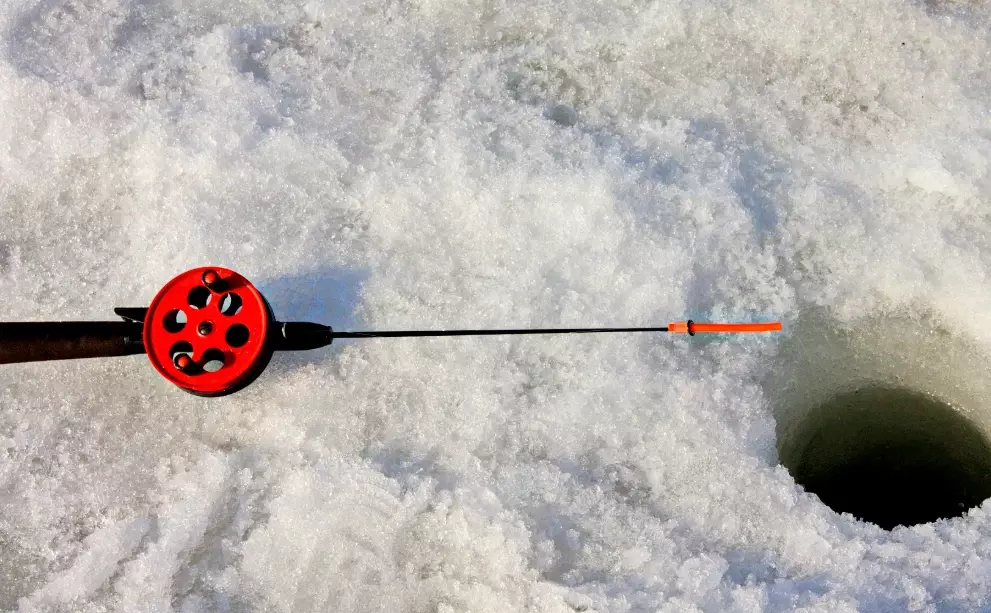
Straight Answers to Your Burning Questions
So, what's the point? It's a composite image. For some, it's a silent meditation. For others, it's a tangible link to food and family history. It can be a vigorous challenge or a lazy day with friends. The beauty is that the point isn't fixed; it's what you make it. The point is that it's a meaningful way to spend your winter. That's what makes it worth learning, worth doing, and worth sharing. The person you are when you leave the ice is different than the person you are when you arrive. That's the point. You are the point.
Reader Comments